







Im Zentrum steht Oskar Matzerath, der mit drei Jahren beschließt, nicht mehr zu wachsen, dafür aber umso lauter mit seiner Blechtrommel gegen die Welt anzuschlagen. Aus dieser grotesken, oft verstörenden Perspektive erzählt Grass deutsche Geschichte: Kaiserreich, Nationalsozialismus, Krieg und Nachkriegszeit. Das ist nicht nüchtern oder chronologisch, sondern wild, absurd, manchmal geradezu delirierend. Grass’ Sprache ist üppig, bildreich und gnadenlos. Er liebt Abschweifungen, Übertreibungen und das Spiel mit Ekel, Körperlichkeit und schwarzem Humor. Das kann faszinieren, aber auch ermüden. Die Blechtrommel kennt kein Maßhalten, weder thematisch noch stilistisch. Wer klare Linien und Sympathieträger sucht, wird hier schnell an Grenzen stoßen. Gerade Oskar ist keine Figur zum Identifizieren, sondern zum Aushalten. Er ist manipulativ, kindlich und grausam zugleich, eine Zumutung, aber eine sehr bewusste. Grass zwingt den Leser, sich mit Schuld, Mitläufertum und Verdrängung auseinanderzusetzen, ohne einfache Antworten zu liefern. Leicht ist dieses Buch nicht. Aber es ist mutig, einzigartig und literarisch kompromisslos. Die Blechtrommel ist ein Roman, der aneckt, verstört und hängen bleibt.

Mehr zum Buch
Meet Oskar Matzerath, "the eternal three-year-old drummer." On his third birthday, Oskar decides he will never grow up or become a politician or grocer, remaining physically the same for years while clinging to his drum. This story unfolds in Danzig, a city on the Polish-German border, where Oskar, a twisted puer aeternis, possesses a scream that can shatter glass. First published in 1959, the narrative depicts the Nazi era, revealing a world filled with corrupt politicians and brutal grocers. Oskar's experiences include witnessing the burning of a synagogue, where a grocer takes the opportunity to warm himself over the flames. As Oskar matures (but not in stature), the portents of war escalate into conflict, with Danzig becoming a battleground between Poles and Germans in 1939. Throughout his life, Oskar embarks on various adventures: joining traveling musicians, leading anarchists, falling in love, and becoming a recording artist. Ultimately, he is convicted of murder and confined to a mental hospital. The story employs savage comedy and magical realism to explore the madness of war and the darkness within humanity that enables such horrors. Grass's humor is sharp, evoking both laughter and pain, making this novel a significant contribution to the literature of World War II.
Buchkauf
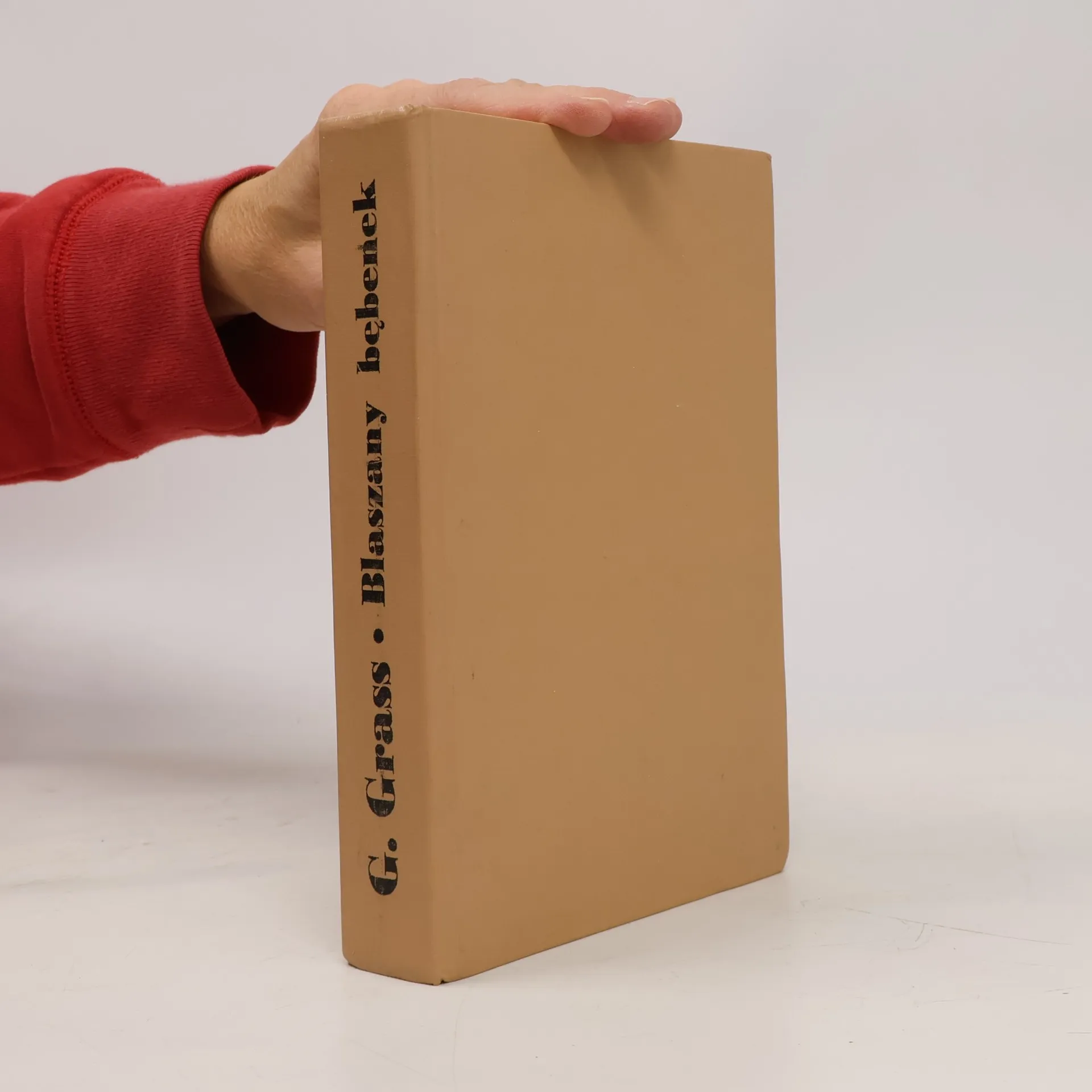
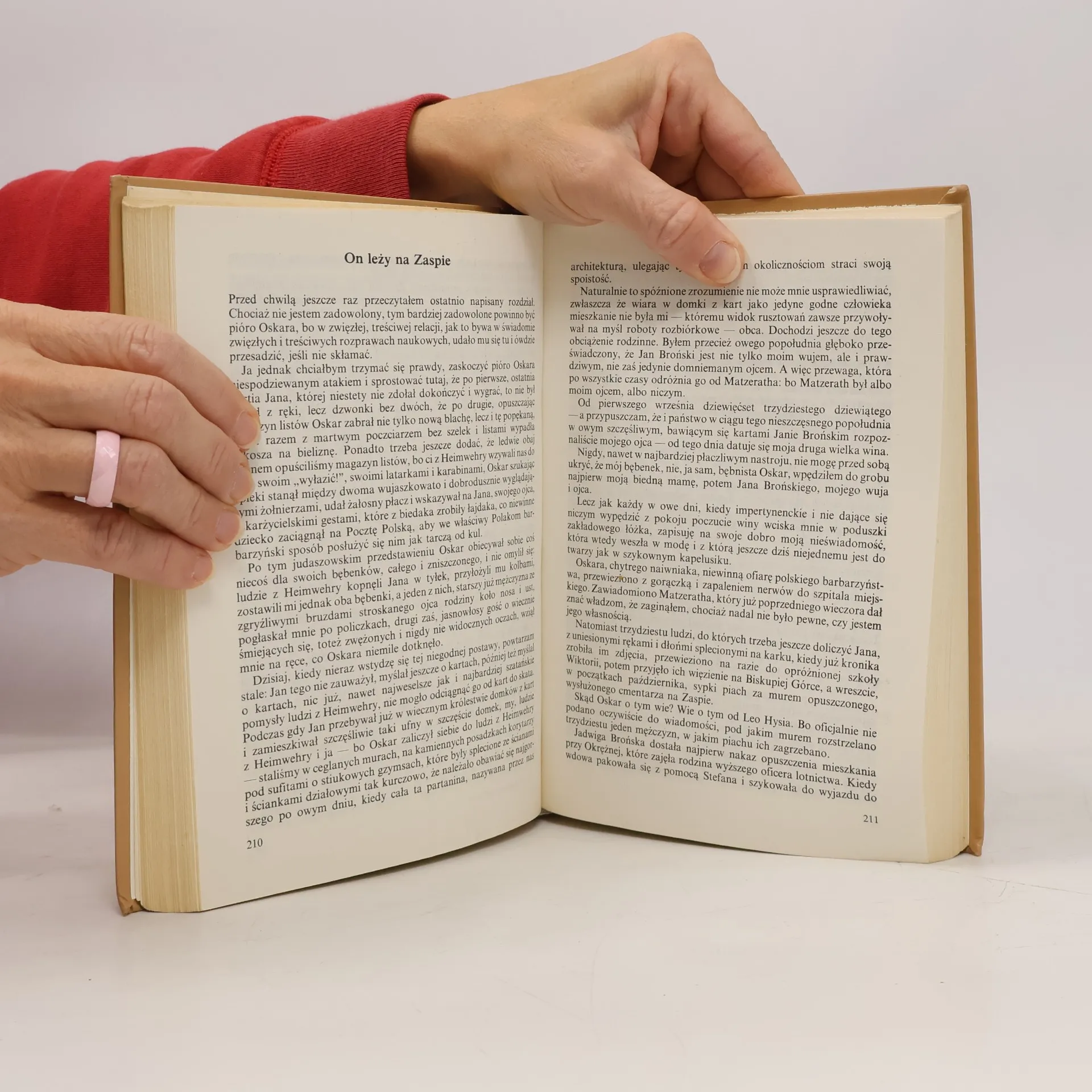
Blaszany bębenek, Slawomir Blaut, Günter Grass
- Sprache

- Erscheinungsdatum
- 1991
- Einband
- (Hardcover),
- Buchzustand
- Gebraucht - Gut
- Preis
- € 6,09
- Titel
- Blaszany bębenek
- Sprache
- Polnisch
- Autor*innen
- Slawomir Blaut, Günter Grass
- Verlag
- Wydawnictwo Morskie
- Erscheinungsdatum
- 1991
- Einband
- Hardcover
- Seitenzahl
- 526
- ISBN10
- 8321583164
- ISBN13
- 9788321583167
- Reihe
- Die Danzig-Trilogie
- Schlagwörter
- Deutsche Literatur, Deutschland, Kriegsliteratur, Kriege, Zweiter Weltkrieg, Verfilmt, Nazismus, Magischer Realismus, Polen (Staat), Psychiatrie, Nobelpreis, Bestseller, Nachkriegszeit, Danzig, Mitteleuropäische Literatur, Picareske Romane
- Erstveröffentlichung
- 1959
- Originaltitel
- Die Blechtrommel
- Bewertung
- 3,95 von 5 Sternen
- Beschreibung
- Meet Oskar Matzerath, "the eternal three-year-old drummer." On his third birthday, Oskar decides he will never grow up or become a politician or grocer, remaining physically the same for years while clinging to his drum. This story unfolds in Danzig, a city on the Polish-German border, where Oskar, a twisted puer aeternis, possesses a scream that can shatter glass. First published in 1959, the narrative depicts the Nazi era, revealing a world filled with corrupt politicians and brutal grocers. Oskar's experiences include witnessing the burning of a synagogue, where a grocer takes the opportunity to warm himself over the flames. As Oskar matures (but not in stature), the portents of war escalate into conflict, with Danzig becoming a battleground between Poles and Germans in 1939. Throughout his life, Oskar embarks on various adventures: joining traveling musicians, leading anarchists, falling in love, and becoming a recording artist. Ultimately, he is convicted of murder and confined to a mental hospital. The story employs savage comedy and magical realism to explore the madness of war and the darkness within humanity that enables such horrors. Grass's humor is sharp, evoking both laughter and pain, making this novel a significant contribution to the literature of World War II.