



Mehr zum Buch
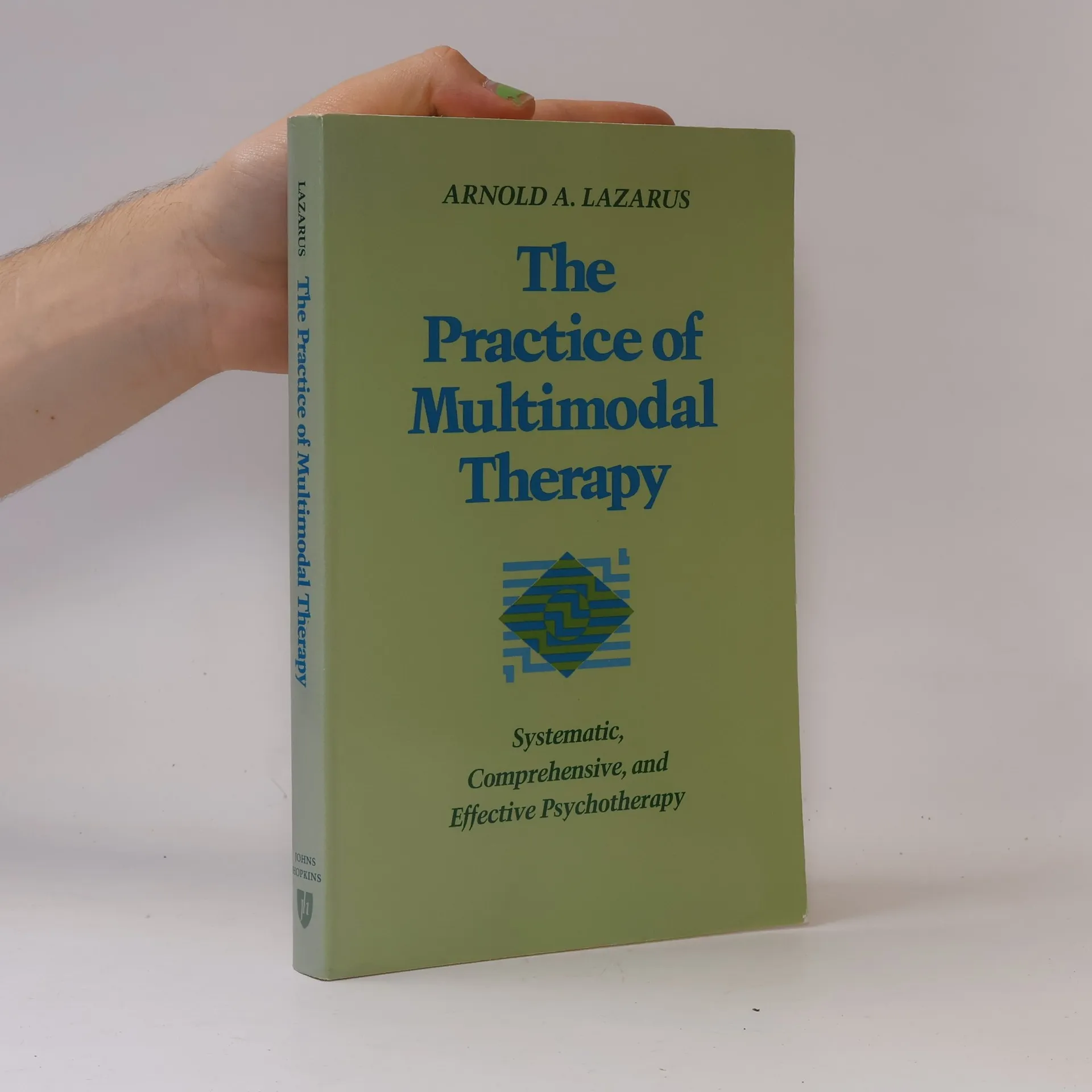
Most patients in psychotherapy suffer from a multitude of specific problems. Effective treatment calls for a wide yet focused range of specific approaches. Arnold A. Lazarus, originator of multimodal therapy, shows how a variety of strategies and techniques are more likely to bring lasting change. Whether evaluating therapist-patient compatibility or choosing an appropriate technique, he stresses the need to fit the treatment to the patient. The Practice of Multimodal Therapy offers a practical, step-by-step guide to every phase of assessment and therapy, from the initial interview to follow-up treatments aimed at preventing relapse once formal treatment is over. Transcripts of actual sessions and vignettes of crucial transactions illustrate specific strategies. Also included is a glossary of thirty-seven separate therapeutic techniques.
Buchkauf
The Practice of Multimodal Therapy, Arnold Lazarus
- Sprache

- Erscheinungsdatum
- 1989
- Einband
- (Paperback)
Keiner hat bisher bewertet.
- Titel
- The Practice of Multimodal Therapy
- Untertitel
- Systematic, Comprehensive, and Effective Psychotherapy
- Sprache
- Englisch
- Autor*innen
- Arnold Lazarus
- Erscheinungsdatum
- 1989
- Einband
- Paperback
- Seitenzahl
- 304
- ISBN10
- 0801838118
- ISBN13
- 9780801838118
- Reihe
- Schlagwörter
- Psychologische Thematik, Medizin, Psychotherapie, Psychopathologie
- Beschreibung
- Most patients in psychotherapy suffer from a multitude of specific problems. Effective treatment calls for a wide yet focused range of specific approaches. Arnold A. Lazarus, originator of multimodal therapy, shows how a variety of strategies and techniques are more likely to bring lasting change. Whether evaluating therapist-patient compatibility or choosing an appropriate technique, he stresses the need to fit the treatment to the patient. The Practice of Multimodal Therapy offers a practical, step-by-step guide to every phase of assessment and therapy, from the initial interview to follow-up treatments aimed at preventing relapse once formal treatment is over. Transcripts of actual sessions and vignettes of crucial transactions illustrate specific strategies. Also included is a glossary of thirty-seven separate therapeutic techniques.