

Parameter
- 798 Seiten
- 28 Lesestunden
Mehr zum Buch
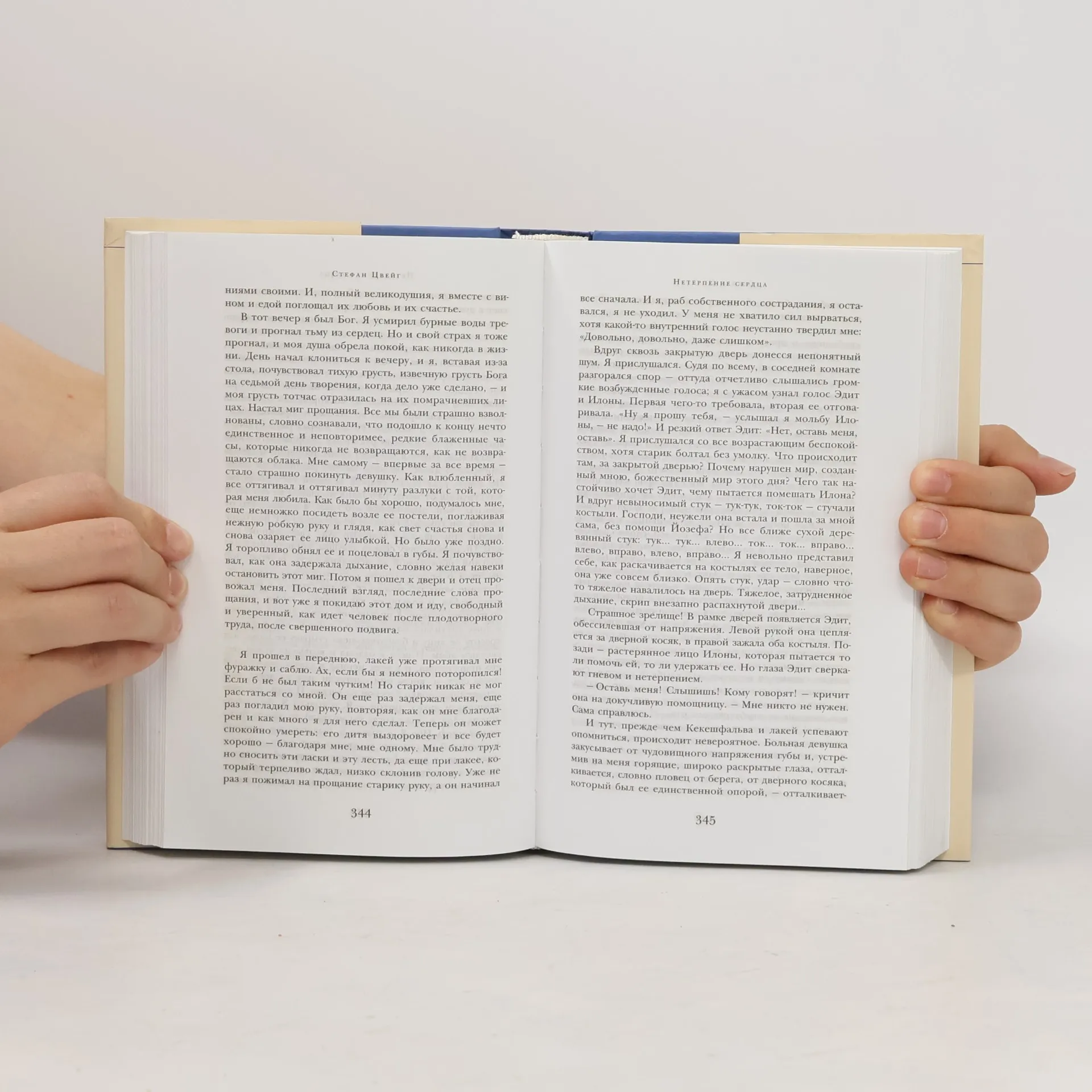
The great Austrian writer Stefan Zweig was a master anatomist of the deceitful heart, and Beware of Pity, the only novel he published during his lifetime, uncovers the seed of selfishness within even the finest of feelings. Hofmiller, an Austro-Hungarian cavalry officer stationed at the edge of the empire, is invited to a party at the home of a rich local landowner, a world away from the dreary routine of the barracks. The surroundings are glamorous, wine flows freely, and the exhilarated young Hofmiller asks his host's lovely daughter for a dance, only to discover that sickness has left her painfully crippled. It is a minor blunder that will destroy his life, as pity and guilt gradually implicate him in a well-meaning but tragically wrongheaded plot to restore the unhappy invalid to health. "Stefan Zweig was a dark and unorthodox artist; it's good to have him back."--Salman Rushdie
Buchkauf
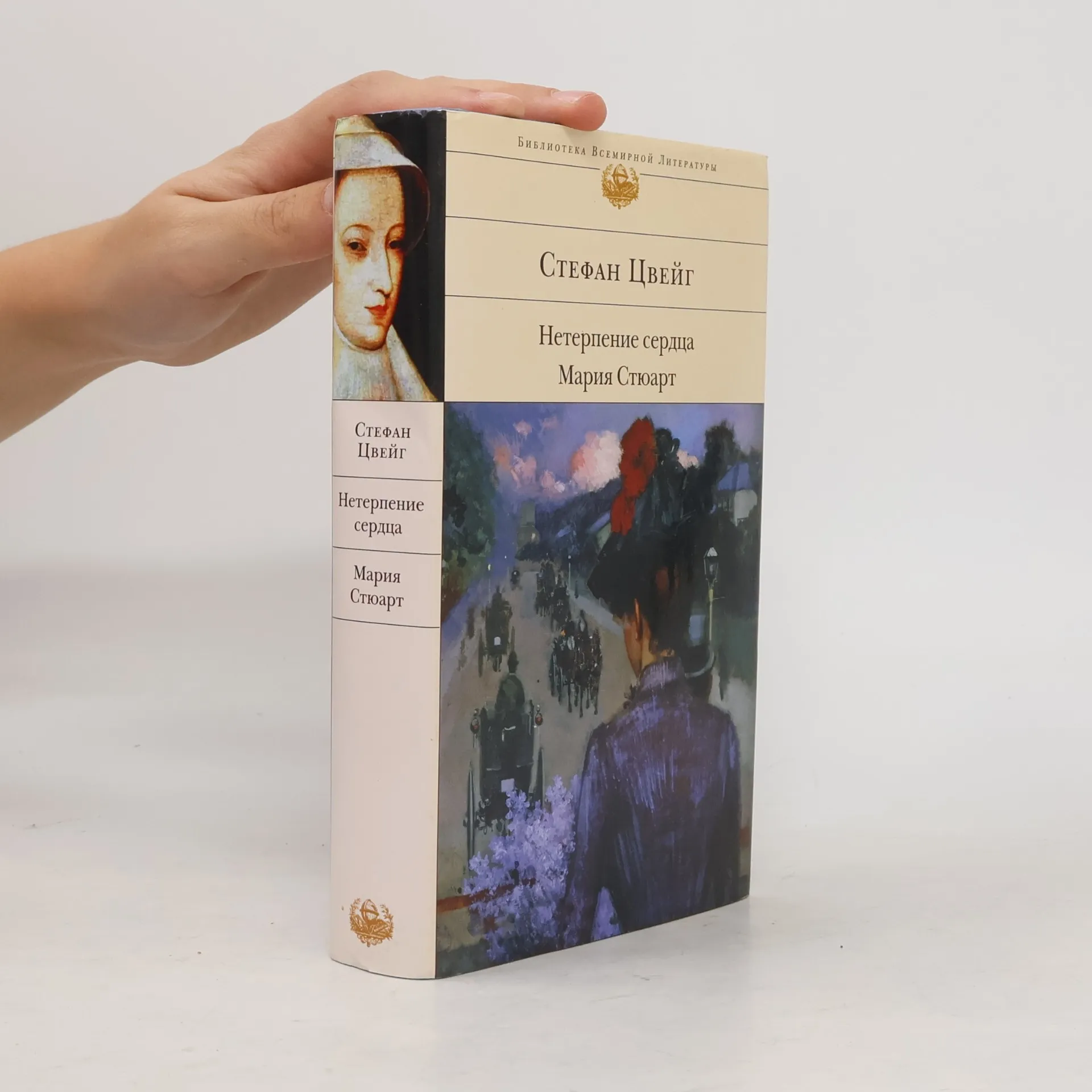
Библиотека всемирной литературы: Нетерпение сердца; Мария Стюарт, Stefan Zweig
- Sprache

- Erscheinungsdatum
- 2008
- Einband
- (Hardcover)
Keiner hat bisher bewertet.
- Titel
- Библиотека всемирной литературы: Нетерпение сердца; Мария Стюарт
- Sprache
- Russisch
- Autor*innen
- Stefan Zweig
- Verlag
- Eksmo
- Erscheinungsdatum
- 2008
- Einband
- Hardcover
- Seitenzahl
- 798
- ISBN10
- 5699294430
- ISBN13
- 9785699294435
- Reihe
- Beschreibung
- The great Austrian writer Stefan Zweig was a master anatomist of the deceitful heart, and Beware of Pity, the only novel he published during his lifetime, uncovers the seed of selfishness within even the finest of feelings. Hofmiller, an Austro-Hungarian cavalry officer stationed at the edge of the empire, is invited to a party at the home of a rich local landowner, a world away from the dreary routine of the barracks. The surroundings are glamorous, wine flows freely, and the exhilarated young Hofmiller asks his host's lovely daughter for a dance, only to discover that sickness has left her painfully crippled. It is a minor blunder that will destroy his life, as pity and guilt gradually implicate him in a well-meaning but tragically wrongheaded plot to restore the unhappy invalid to health. "Stefan Zweig was a dark and unorthodox artist; it's good to have him back."--Salman Rushdie