

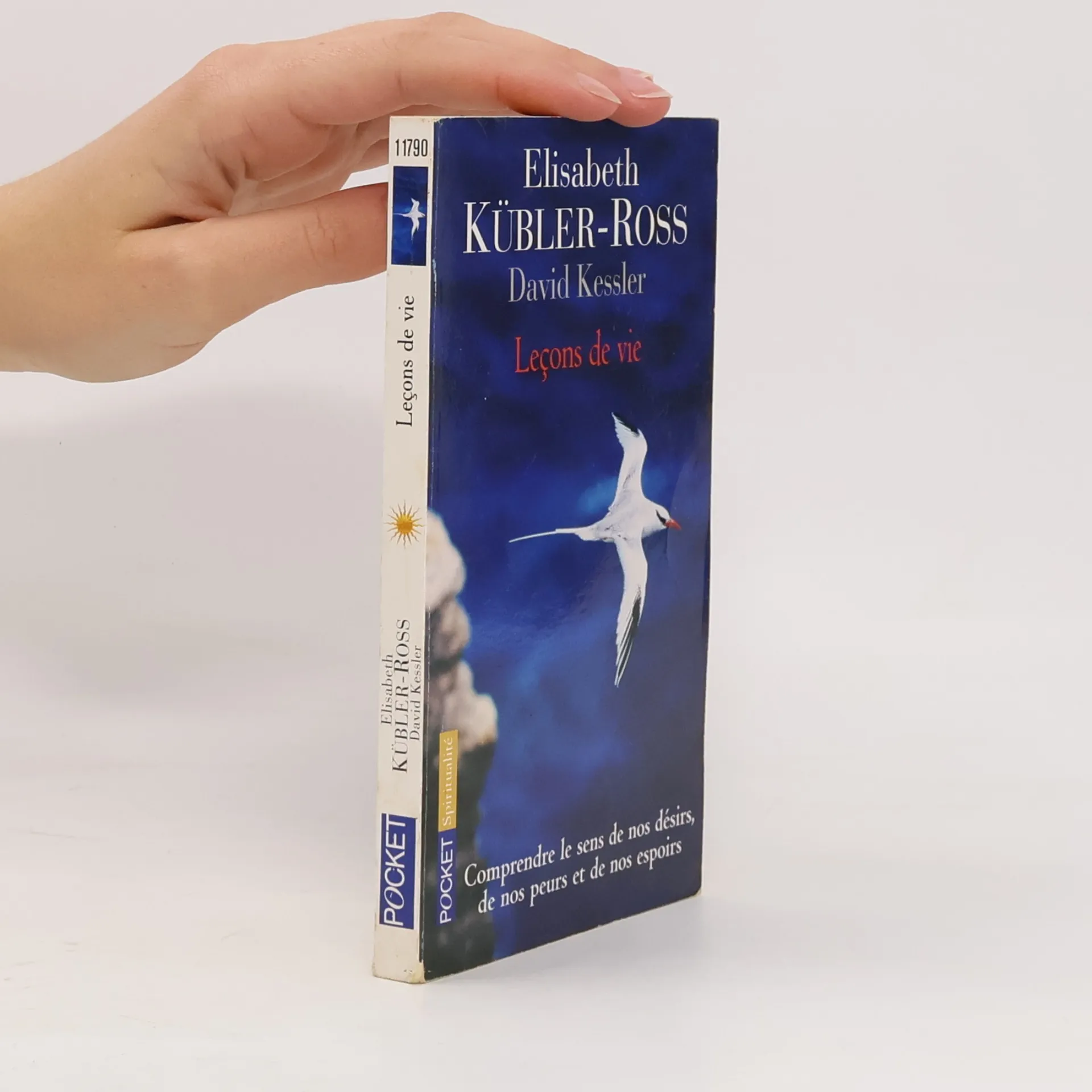



Evol - spiritualité/philosophie: Leçons de vie
Autor*innen
Mehr zum Buch
After suffering a paralyzing stroke in 1995, Elisabeth Kübler-Ross recognized her unfinished business and sought to write a final book focused on life rather than death. Collaborating with David Kessler, an expert in hospice care, they explore valuable lessons about living derived from the experiences of those who are dying. Kessler notes that the dying serve as profound teachers, revealing clarity about life when faced with its fragility. Historically, communities would gather to hear elders share their stories of challenges and insights, a practice the authors aim to revive through this work. The book is rich with personal narratives that illuminate themes such as living authentically, the significance of play, embracing one’s power, nurturing loving relationships, and practicing self-compassion. Its beautifully crafted prose offers readers a chance to gain perspective from the wisdom of hindsight. Ultimately, it prompts reflection on what we will cherish most in life: moments of surrender and calm, healing brokenness, and embracing love. This thoughtful exploration serves as an invitation to appreciate the essence of living fully.
Sprache

Buchkauf
Evol - spiritualité/philosophie: Leçons de vie, Elisabeth Kübler-Ross, David Kessler, Loïc Cohen
- Sprache

- Erscheinungsdatum
- 2002
- Einband
- (Paperback),
- Buchzustand
- Beschädigt
- Preis
- € 4,77
Keiner hat bisher bewertet.
- Titel
- Evol - spiritualité/philosophie: Leçons de vie
- Sprache
- Französisch
- Autor*innen
- Elisabeth Kübler-Ross, David Kessler, Loïc Cohen
- Verlag
- Erscheinungsdatum
- 2002
- Einband
- Paperback
- Seitenzahl
- 264
- ISBN10
- 2266128191
- ISBN13
- 9782266128193
- Reihe
- Schlagwörter
- Spiritualität, Tod, Justiz
- Beschreibung
- After suffering a paralyzing stroke in 1995, Elisabeth Kübler-Ross recognized her unfinished business and sought to write a final book focused on life rather than death. Collaborating with David Kessler, an expert in hospice care, they explore valuable lessons about living derived from the experiences of those who are dying. Kessler notes that the dying serve as profound teachers, revealing clarity about life when faced with its fragility. Historically, communities would gather to hear elders share their stories of challenges and insights, a practice the authors aim to revive through this work. The book is rich with personal narratives that illuminate themes such as living authentically, the significance of play, embracing one’s power, nurturing loving relationships, and practicing self-compassion. Its beautifully crafted prose offers readers a chance to gain perspective from the wisdom of hindsight. Ultimately, it prompts reflection on what we will cherish most in life: moments of surrender and calm, healing brokenness, and embracing love. This thoughtful exploration serves as an invitation to appreciate the essence of living fully.