


Gratis Versand ab € 14,99. Mehr Infos.
Bookbot

Bismarck und die Entwicklung Deutschlands

Diese umfassende Serie taucht tief in das Leben und die Zeiten einer Schlüsselfigur ein, die das moderne Deutschland maßgeblich prägte. Sie untersucht nicht nur die politischen Manöver und militärischen Strategien, sondern auch die tieferen sozialen, wirtschaftlichen und intellektuellen Strömungen des 19. Jahrhunderts. Das Werk bietet eine vielschichtige Betrachtung der Epoche und ihres zentralen Architekten, wobei sein Erbe in einen breiten historischen Kontext gestellt wird. Es ist eine fesselnde Lektüre für Geschichts- und Staatskunstinteressierte.

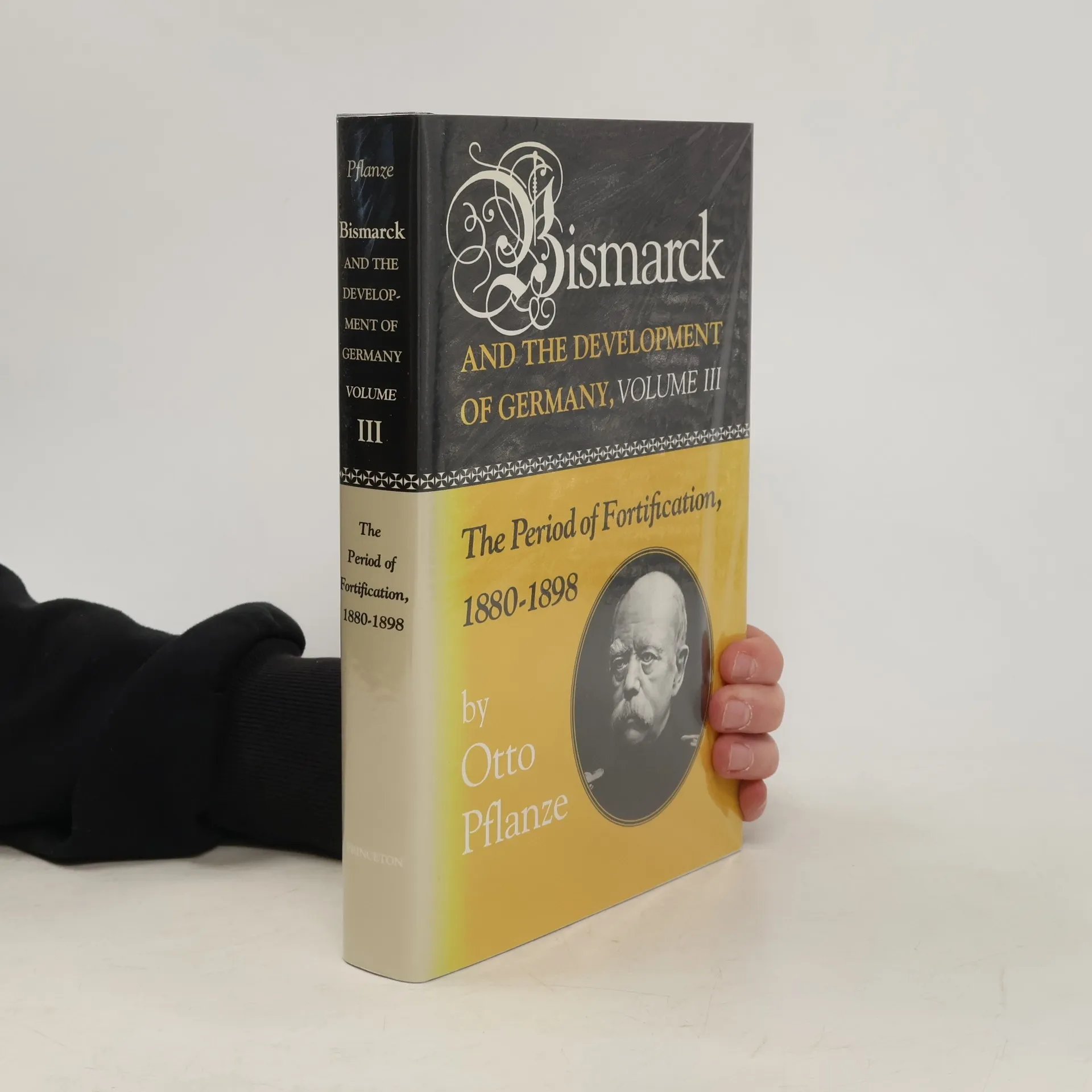
Bismarck and the Development of Germany, Volume III
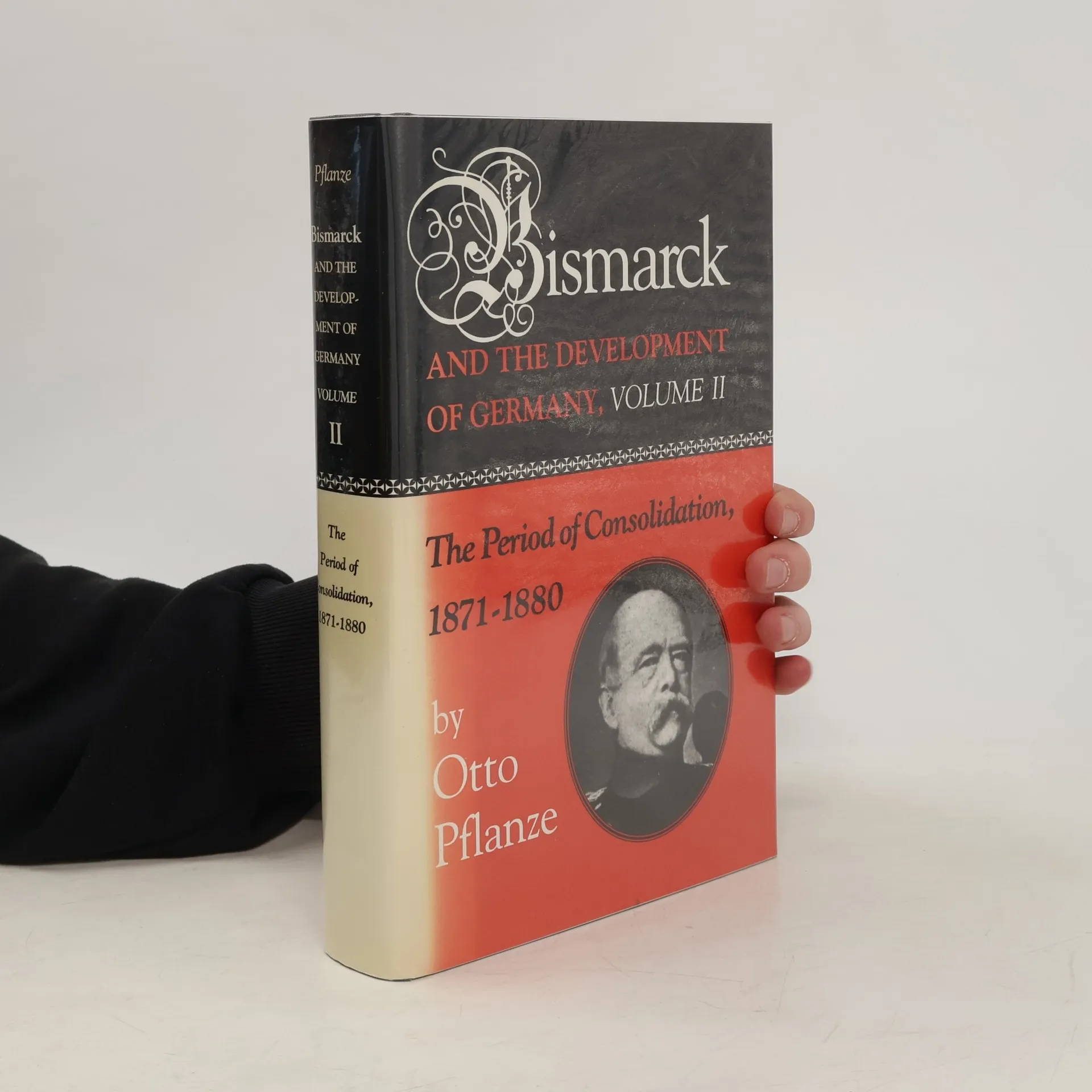
Bismarck and the Development of Germany, Volume II
Bismarck. Der Reichsgründer

Empfohlene Lesereihenfolge

  1. More than "another biography of Bismarck," this is a political history of Germany during the crucial years between 1815 and 1871, assessing Bismarck's role in the events which the author feels paved the way for the catastrophes of the twentieth century. Most contemporary German scholars have exculpated Bismarck from all responsibility for later disasters, while his foreign critics have erred equally in their censures. Professor Pflanze seeks to measure more accurately the impact of the Junker statesman upon German historical development. Professor Pflanze provides a wide-ranging study of the interaction between the will of a political genius and the social, political, intellectual, and institutional forces with which he dealt. He analyzes Bismarck's political aims, the techniques of political strategy he employed, and the impact of both on Germany's political growth. The author views Bismarck as a conservative who employed revolutionary means to gain his ends. By stealing the cause of German nationalism from the liberals he converted it to conservative purposes. Through him the association was first established between German nationalism, Prussian militarism, and Hohenzollern authoritarianism.

    Bismarck. Der Reichsgründer1
    4,8
  2. Bismarck and the Development of Germany, Volume II

    The Period of Consolidation, 1871-1880

    • 574 Seiten
    • 21 Lesestunden

    Focusing on the period of 1871-1880, this volume examines Bismarck's pivotal role in shaping German and European politics as the new German Reich emerged as a dominant power. It explores the questions surrounding Bismarck's ambitions and the potential for further conquests, contrasting these with the reality of a relatively stable international order that followed unification. Pflanze provides an in-depth analysis of how this era, often perceived as one of conflict, actually fostered a prolonged period of peace despite various crises.

    Bismarck and the Development of Germany, Volume II2
  3. Bismarck and the Development of Germany, Volume III

    The Period of Fortification, 1880-1898

    • 488 Seiten
    • 18 Lesestunden

    Focusing on the political landscape of late 19th-century Germany, this volume explores Bismarck's challenges following the economic crash of 1873 and his attempts to forge a national consensus amidst social unrest. It delves into his increasing frustrations, the psychological impacts of his political struggles, and the efforts of his physicians to improve his health. The narrative culminates in Bismarck's contentious relationship with Wilhelm II and reflects on the enduring legacy of Bismarck, which continues to shape Germany's aspirations for reunification.

    Bismarck and the Development of Germany, Volume III3
    4,0