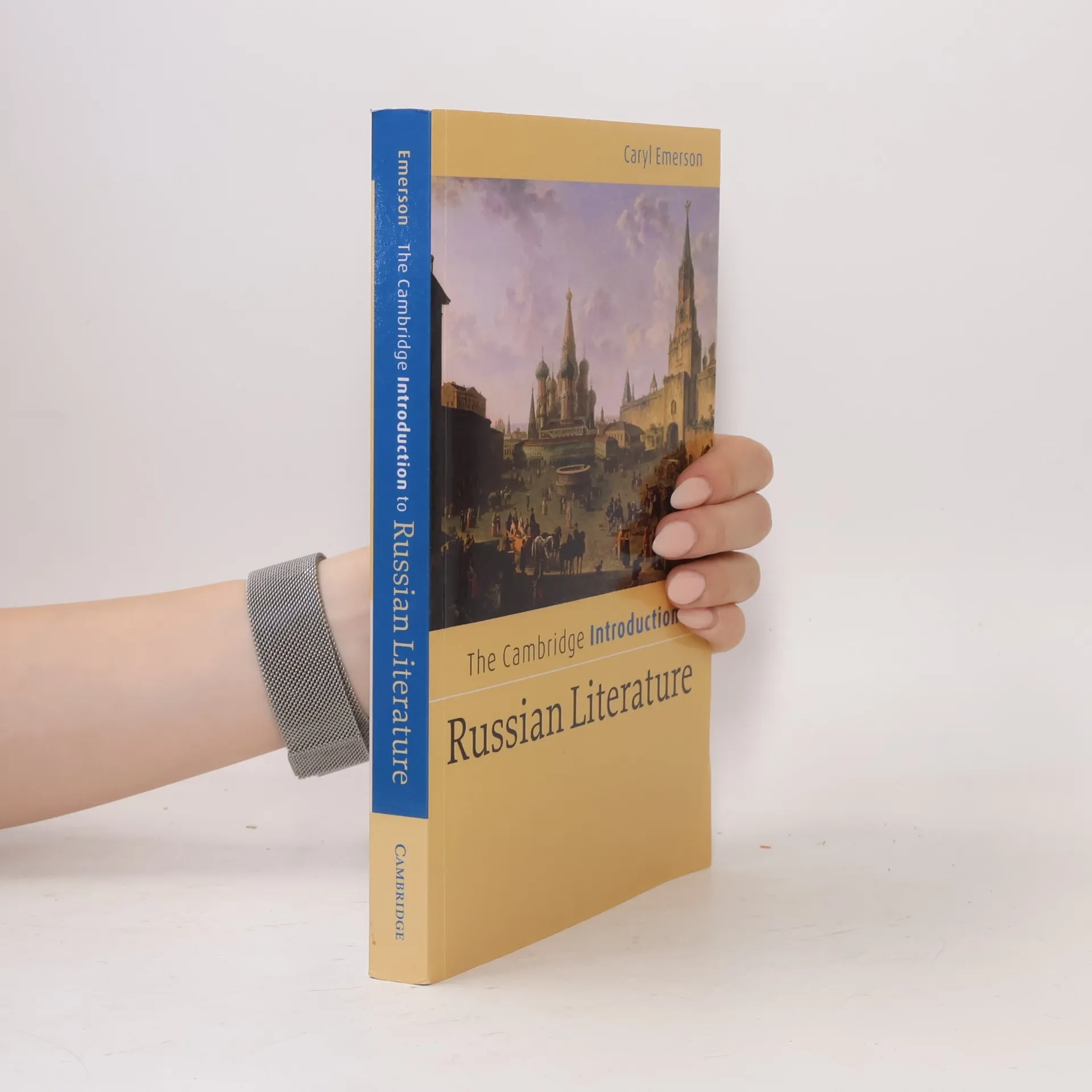
The Cambridge Introduction to Russian Literature
- 352 Seiten
- 13 Lesestunden
An engaging overview of the Russian literary tradition, with a glossary and guide to further reading.
Diese Reihe befasst sich mit den grundlegenden Fragen, die für Literaturstudenten auf ihrem akademischen Weg unerlässlich sind. Jeder Band bietet eine zugängliche und doch umfassende Darstellung der Geschichte und Entwicklung eines literarischen Themas. Führende Wissenschaftler führen die Leser durch zentrale Konzepte und liefern entscheidende Informationen sowie neue Interpretationen. Konzipiert für Kurse und den Unterricht, legen diese Einführungen eine solide Grundlage für ein tieferes Literaturstudium.


An engaging overview of the Russian literary tradition, with a glossary and guide to further reading.
One of the greatest modern writers, Chekhov was an influential figure in both fiction and drama. Beginning with an engaging account of Chekhov's life and cultural context in nineteenth-century Russia, this Introduction includes detailed analyses of his short stories and plays and demonstrates what makes Chekhov so important and unique.
This engaging introduction explores the evolution of theater from 1660 to 1900, highlighting significant developments and influential figures in the performing arts. It presents a vivid portrayal of the cultural and social contexts that shaped the stage during this period, making it an informative resource for both enthusiasts and scholars. The book captures the dynamic nature of theatrical history, showcasing the transformation of performance styles and the emergence of iconic playwrights and productions.
The most up-to-date and detailed introduction to Proust's life and work available today, including a volume-by-volume study of Proust's novel.
All kinds of writing are covered in this useful and inspiring guide for students and aspiring writers.
Lively, accessible and innovative, this introduction to Shakespeare's plays is divided into seven subject-based chapters: Character; Performance; Texts; Language; Structure; Sources and History. It promotes active engagement with the plays and proves that there is space for new and fresh thinking, even on the most-studied and familiar plays.
Postmodern fiction presents a challenge to the reader: instead of enjoying it passively, the reader has to work to understand its meanings, to think about what fiction is, and to question their own responses. Yet this very challenge makes postmodern writing so much fun to read and rewarding to study. Unlike most introductions to postmodernism and fiction, this book places the emphasis on literature rather than theory. It introduces the most prominent British and American novelists associated with postmodernism, from the 'pioneers', Beckett, Borges and Burroughs, to important post-war writers such as Pynchon, Carter, Atwood, Morrison, Gibson, Auster, DeLillo, and Ellis. Designed for students and clearly written, this Introduction explains the preoccupations, styles and techniques that unite postmodern authors. Their work is characterized by a self-reflexive acknowledgement of its status as fiction, and by the various ways in which it challenges readers to question common-sense and commonplace assumptions about literature.
An introductory guide to the life, work and legacy of George Orwell - one of the most influential literary twentieth-century figures.
A comprehensive overview of the arguments in environmental criticism, first published in 2011.
A lucid overview of Plath's life, work, influence and the critical reception of her writings to the present day.
Focusing on the intersection of architecture, individuals, and performances, this Introduction explores the defining characteristics of modern British theatre from 1900 to the present. It delves into how these elements interact and shape the theatrical landscape, offering insights into the evolution of the genre over more than a century.
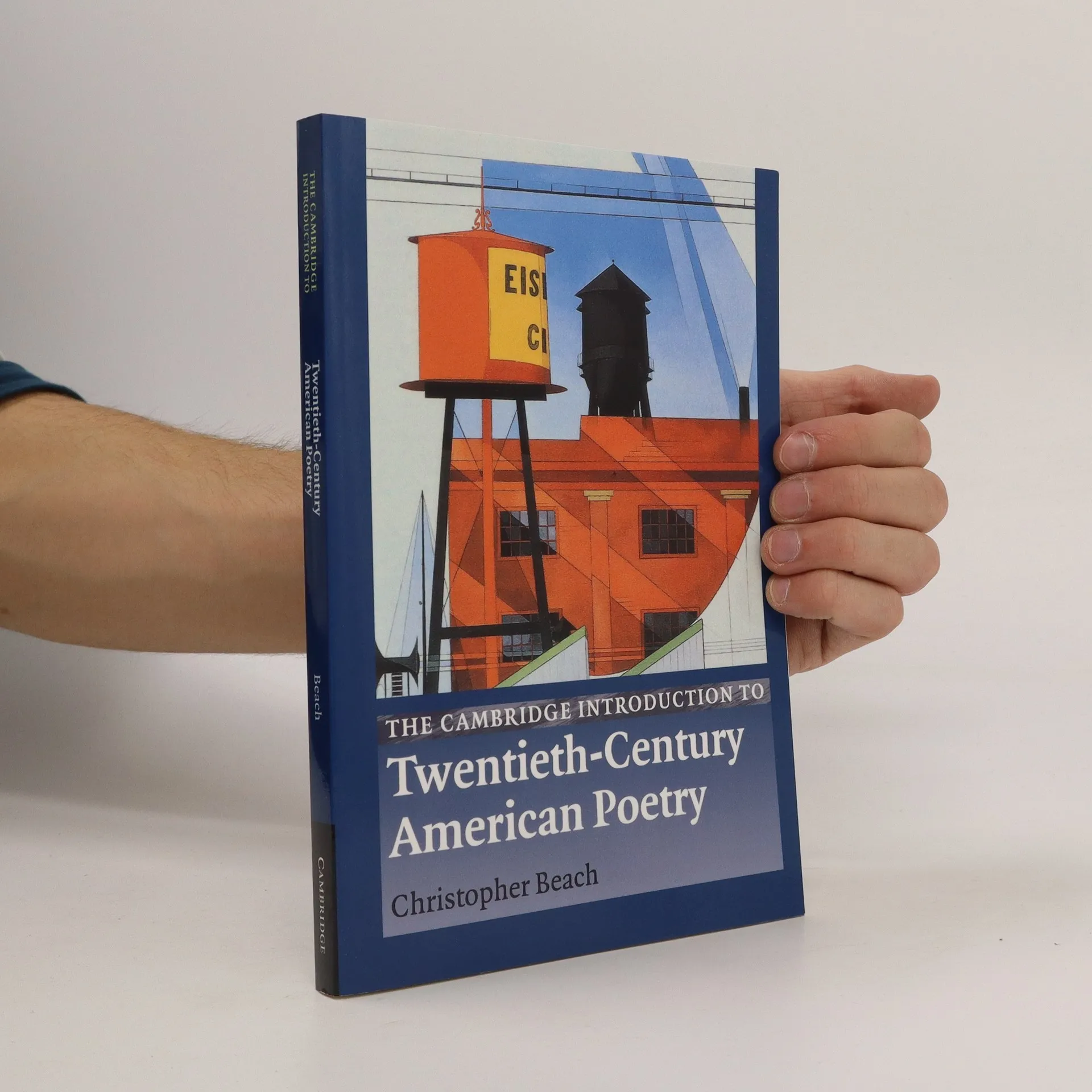
The Cambridge Introduction to Twentieth-Century American Poetry is designed to give readers a brief but thorough introduction to the various movements, schools, and groups of American poets in the twentieth century. It will help readers to understand and analyze modern and contemporary poems. The first part of the book deals with the transition from the nineteenth-century lyric to the modernist poem, focussing on the work of major modernists such as Robert Frost, T. S. Eliot, Ezra Pound, Wallace Stevens, Marianne Moore, and W. C. Williams. In the second half of the book, the focus is on groups such as the poets of the Harlem Renaissance, the New Critics, the Confessionals, and the Beats. In each chapter, discussions of the most important poems are placed in the larger context of literary, cultural, and social history.
French philosopher and historian Michel Foucault is essential reading for students in departments of literature, history, sociology and cultural studies. This introductory book, written for students, offers in-depth critical and contextual perspectives on his work and is an ideal introduction to a famously complex, controversial and important thinker.
Few thinkers of the twentieth century have so profoundly and radically transformed our understanding of writing and literature as Jacques Derrida (1930-2004). This book provides an accessible introduction to Derrida's writings on literature which presupposes no prior knowledge of his work.
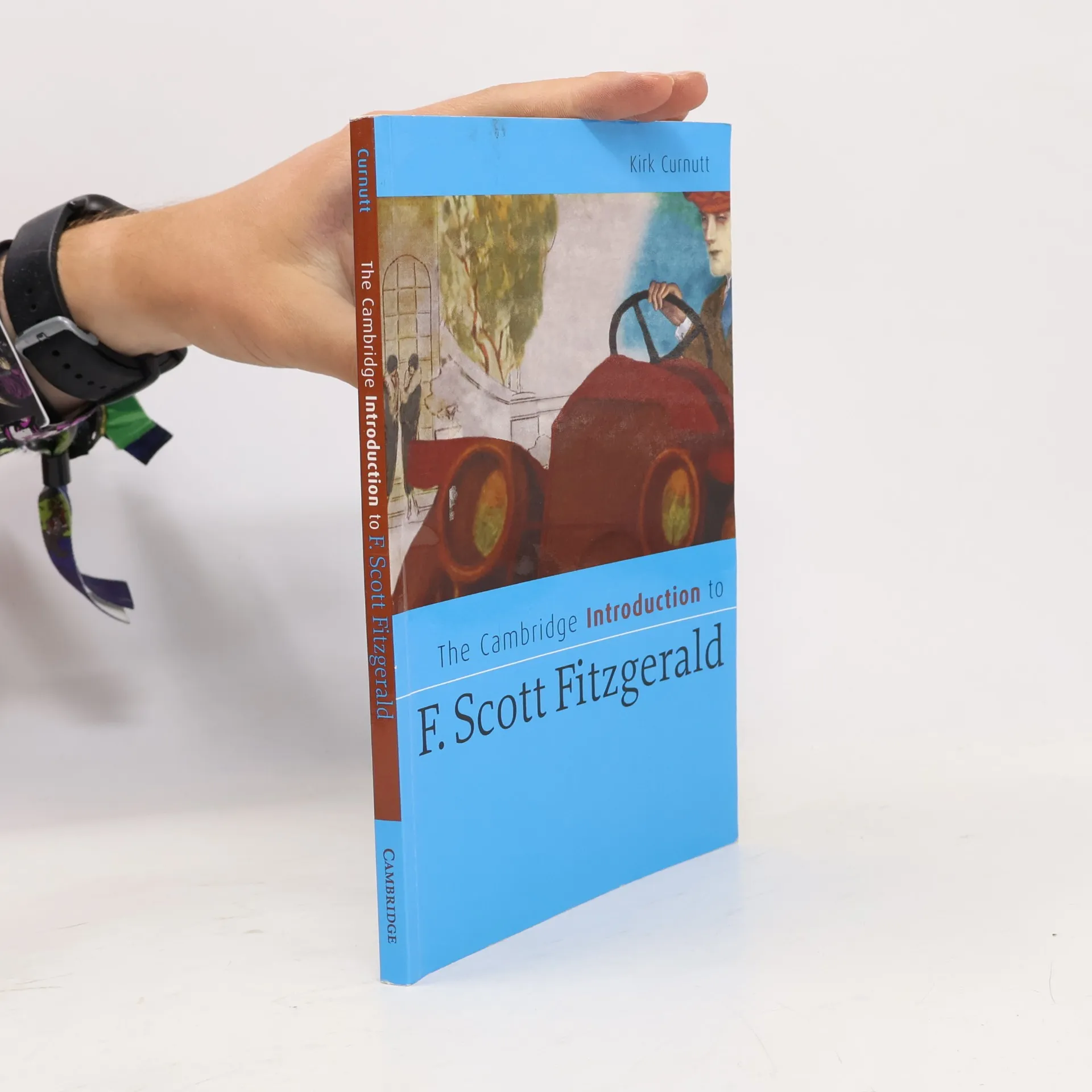
An accessible student guide to Fitzgerald's life, work, context and critical reception. číst celé
This introduction explains in a readable, lively style how modernism emerged, how it is defined, and how it developed in different forms and genres. Illustrated with works of art and featuring suggestions for further study, this is the ideal introduction to understanding and enjoying modernist literature and art.
A clear, jargon-free and comprehensible survey of a diverse and voluminous canonical British author.
This detailed and approachable account of Marlowe's life and career discusses his plays and poetry, stage history and influence.
Exploring the life and works of Thomas Mann, this introduction delves into his literary contributions alongside insights into his personal experiences. It highlights the interplay between his writings and the influences that shaped him, offering readers a comprehensive understanding of his significance in literature.
Focusing on the evolution of early English theatre, this book explores the period from the late medieval era to 1642. It delves into the historical context, key performances, and influential figures that shaped the theatrical landscape of the time, making it a valuable resource for understanding the origins and development of English drama.
Beginning its life as the sensational entertainment of the eighteenth century, the novel has become the major literary genre of modern times. Drawing on hundreds of examples of famous novels from all over the world, Marina MacKay explores the essential aspects of the novel and its history: where novels came from and why we read them; how we think about their styles and techniques, their people, plots, places, and politics. Between the main chapters are longer readings of individual works, from Don Quixote to Midnight's Children. A glossary of key terms and a guide to further reading are included, making this an ideal accompaniment to introductory courses on the novel.
A guide to reading modernist poetry in English: its pleasures, frustrations, powers and problems.
This popular textbook has been completely revised and updated, and includes two entirely new chapters.
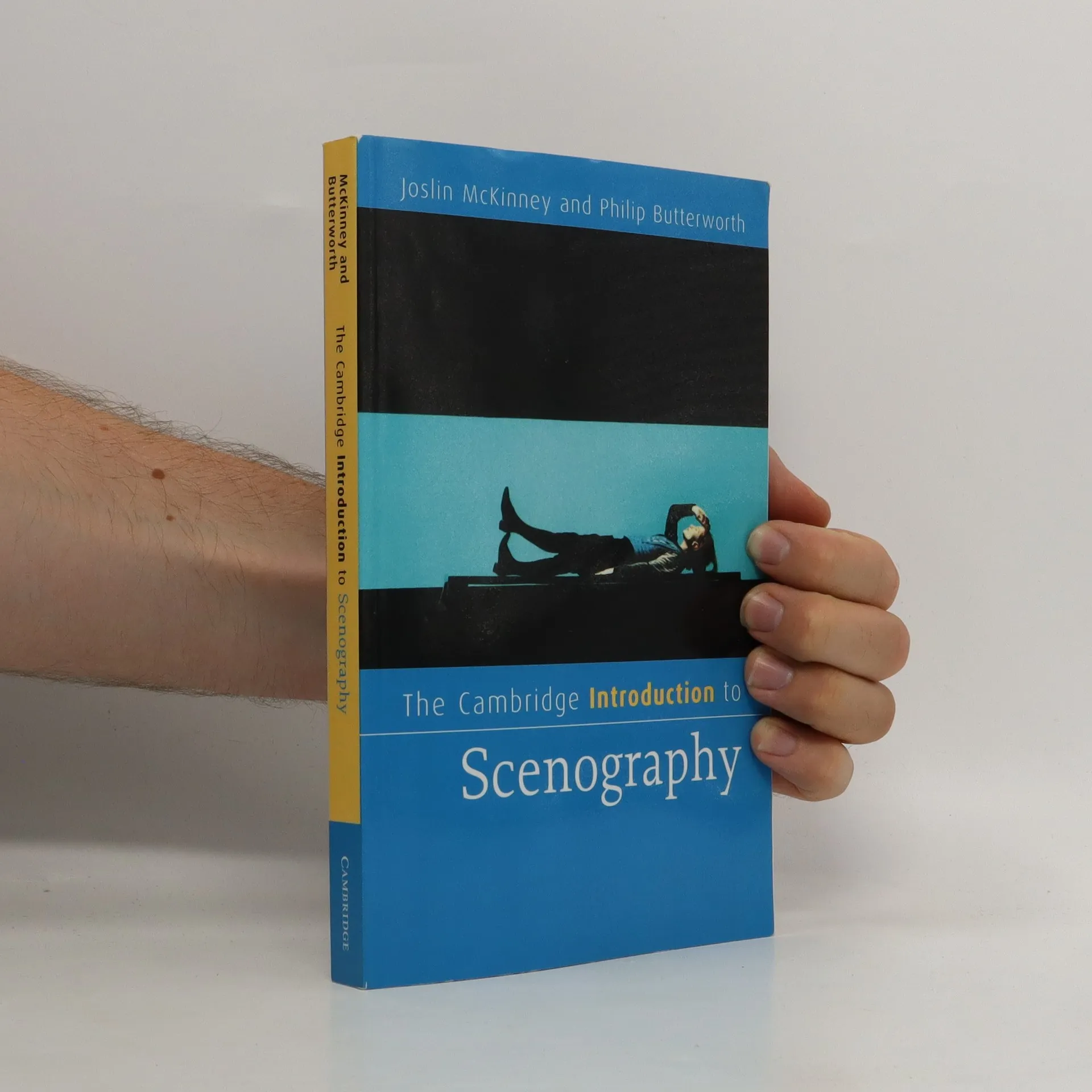
Scenography - the manipulation and orchestration of the performance environment - is an increasingly popular and key area in performance studies. This book introduces the reader to the purpose, identity and scope of scenography and its theories and concepts. Settings and structures, light, projected images, sound, costumes and props are considered in relation to performing bodies, text, space and the role of the audience. Concentrating on scenographic developments in the twentieth century, the Introduction examines how these continue to evolve in the twenty-first century. Scenographic principles are clearly explained through practical examples and their theoretical context. Although acknowledging the many different ways in which design shapes the creation of scenography, the book is not exclusively concerned with the role of the theatre designer. In order to map out the wider territory and potential of scenography, the theories of pioneering scenographers are discussed alongside the work of directors, writers and visual artists.
An engaging overview of one of the most dynamically entertaining and intellectually challenging British playwrights of the past fifty years.
This book offers an insightful exploration of a prominent figure in Romantic literature, highlighting their influential writings and philosophical ideas. It delves into the themes and historical context that shaped their work, providing students with a comprehensive understanding of their contributions to literature and thought. Through engaging analysis, readers will appreciate the depth and impact of this writer's legacy in the Romantic era.
This introduction presents the major themes, forms and styles of Russian poetry.
This wide-ranging introduction to the short story tradition in the United States traces the genre from its beginnings in the early nineteenth century with Irving, Hawthorne and Poe, via Fitzgerald, Hemingway and Faulkner to Raymond Carver and Flannery O'Connor.
This volume introduces the key elements and approaches in the study of theatre and performance, covering drama, music theatre and dance.
This is a clear and informative introduction to Woolf's life, works, and cultural and critical contexts, covering the major works in detail, including To the Lighthouse, Mrs Dalloway, The Waves and the key short stories. All students of Woolf will find this a useful and illuminating overview of the field.
The book offers a thorough analysis of Twain's works, placing them within the historical and cultural landscape of his era. It explores the influences and themes present in his writing, providing readers with a deeper understanding of his contributions to literature and society. Through this contextual lens, the introduction highlights the significance of Twain's perspectives and the impact of his experiences on his storytelling.
This book explores the distinct literature of French-speaking countries, highlighting its diversity and postcolonial engagement. It discusses the concept of francophonie, provides historical context for various regions, and examines key and emerging authors, showcasing the dynamic relationship between these literatures and that of France.
An engaging guide to reading, understanding and enjoying Romantic verse, designed for students approaching the period for the first time.
A handy, clear and comprehensive guide to the work of one of the most important critics and public intellectuals of the last 40 years. McCarthy covers Said's life, his relationship to major intellectual and political trends of his time, his major works and their reception.
Focusing on the life and contributions of the author of Their Eyes Were Watching God, this overview delves into her literary journey, exploring the contexts that shaped her work and the critical reception it received. It highlights her influence on literature and culture, providing insights into her themes and the impact of her writing on future generations.
The book provides a comprehensive exploration of a prominent German writer, delving into his life and literary contributions while contextualizing them within the intellectual, historical, and cultural landscapes of his time. It also examines how his works were received, offering insights into their impact and significance. This overview serves as a valuable resource for understanding the writer's influence and legacy in literature.
An introductory overview of the thought of Emmanuel Levinas, one of the most significant philosophers of the late twentieth century. Focusing on Levinas' central principle that human existence is ethically grounded in our face-to- face relationships, Morgan explores the religious, cultural and political implications of this insight for modern Western culture.
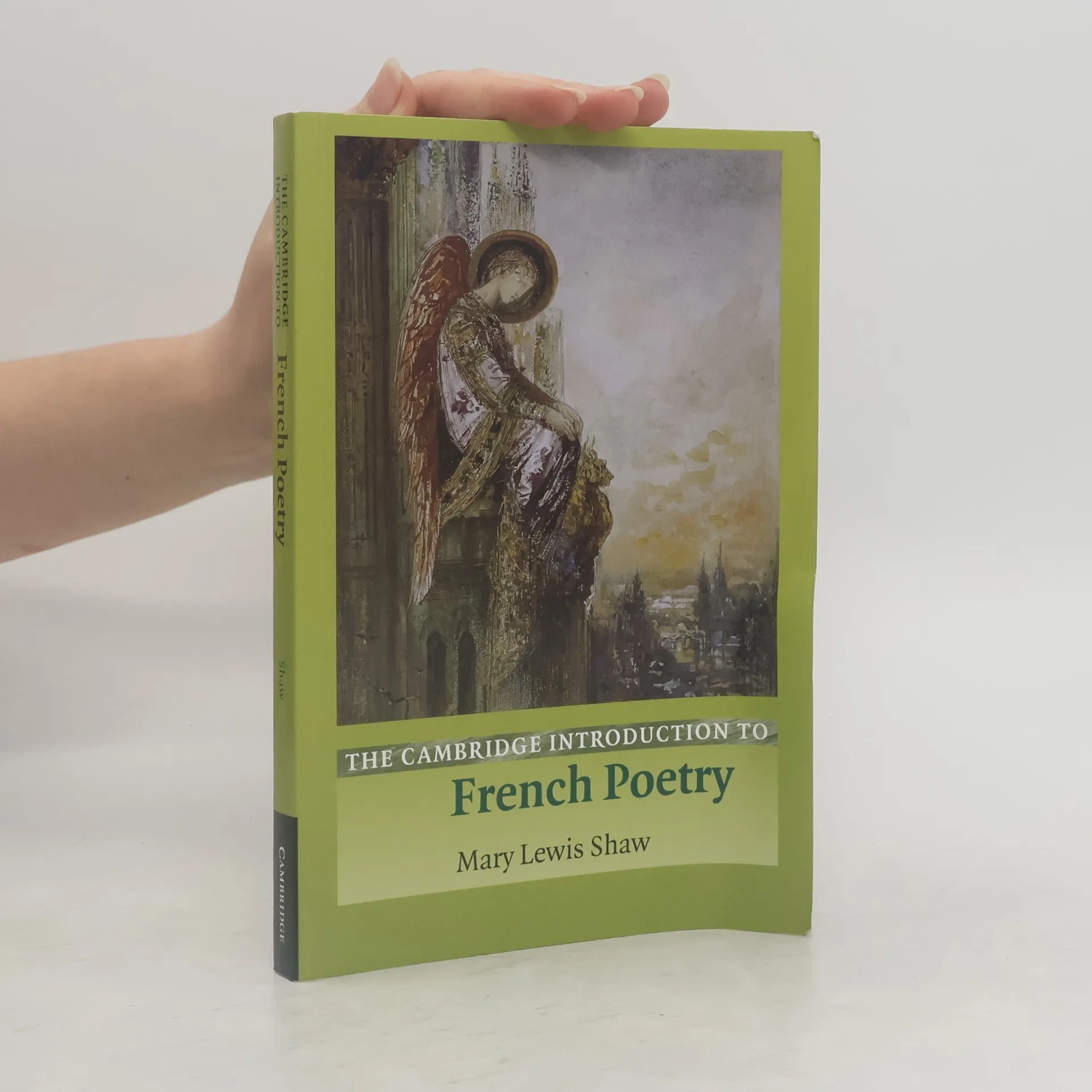
Mary Shaw covers all aspects of French poetry from the Middle Ages to the present day in this text. Chapters focus on verse, genres, poetry, politics and philosophy among other topics. Designed specifically for use in courses, the volume contains a useful glossary of poetic terms, and is invaluable to students as well as teachers.
This introduction not only provides an essential overview of the history and development of poetry in Ireland, but also offers new approaches to aspects of the field. Readers and students of Irish poetry will learn much from Quinn's sharp and critically acute account.
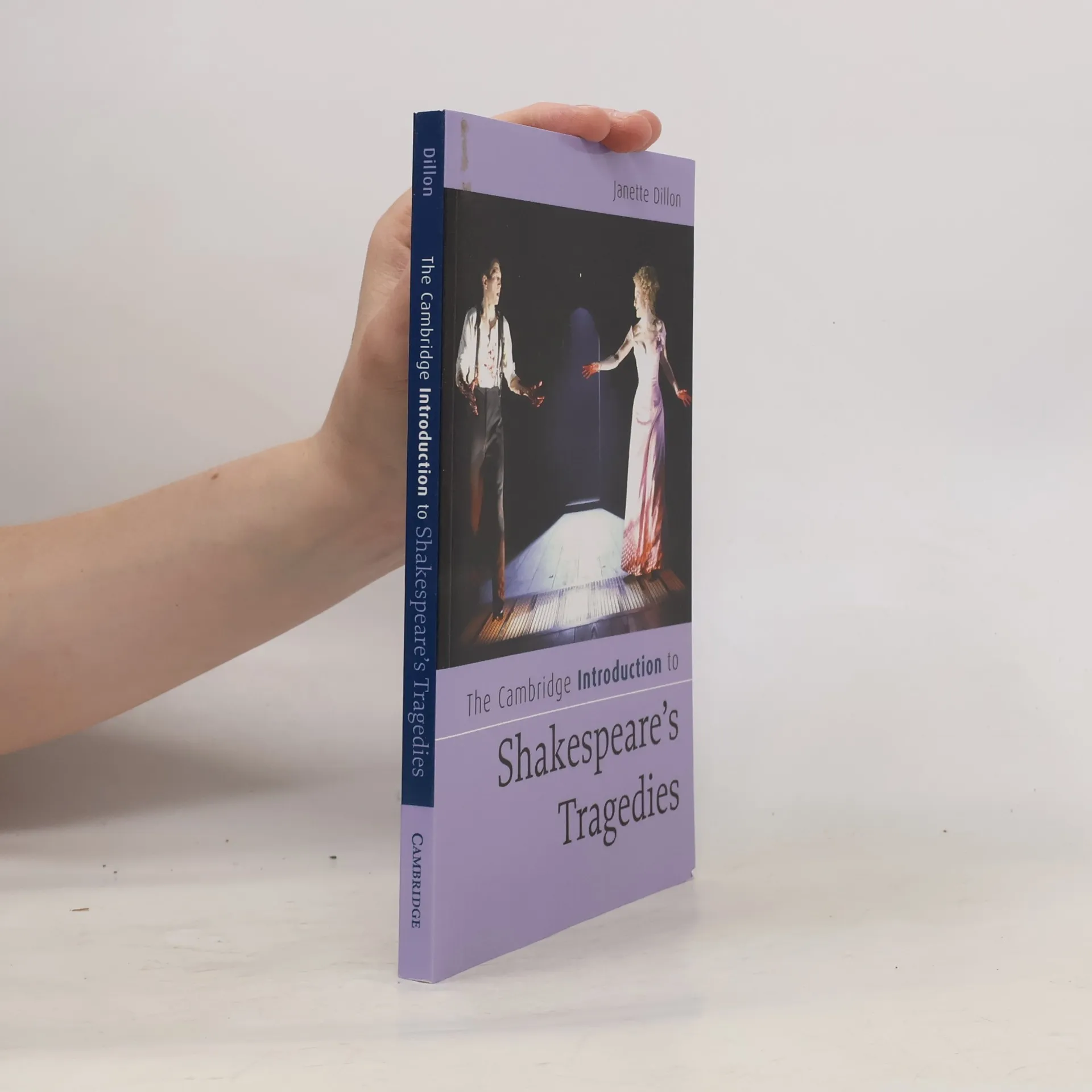
An accessible 2007 introduction to Shakespeare's tragedies, including full chapters on Macbeth, Hamlet and King Lear.
Exploring the evolution of American literature from 1492 to 1820, this work examines the diverse voices and cultural influences that shaped early American writing. It delves into the historical context, highlighting key authors and their contributions, as well as the themes of identity, colonization, and the quest for freedom. The book provides insights into how literature reflected and influenced societal changes during this formative period, making it a crucial resource for understanding the foundations of American literary tradition.
An invaluable guide through the growing field of postcolonial literature studies.
Exploring the life and works of Herman Melville, this introduction delves into the historical and cultural contexts surrounding his writing. Key themes such as modernity, Melville's writing process, and his correspondence are examined alongside notable works like Moby Dick and Billy Budd. The text also highlights the evolution of Melville scholarship, making it an essential resource for students new to his literature. Kevin J. Hayes presents a thorough yet engaging overview, emphasizing the significance of Melville in the American literary landscape.
This book offers an engaging introduction to one of America's most beloved poets, making it an informative resource for those beginning their exploration of his work. It provides insights into his themes, style, and significance, helping readers appreciate the depth of his poetry.
Introducing Anglo-Saxon literature in an approachable way, this is an indispensable guide for students to a key literary topic.
Focusing on the enduring relevance of Shakespeare's history plays, this study explores their themes of time as both a destroyer and preserver. It analyzes the tradition of these plays in stage and film, alongside a critical examination of their characteristics. The discussion includes the early Henry VI trilogy, Richard III, King John, Richard II, the Henry IV plays featuring Falstaff, Henry V with contrasting film interpretations by Olivier and Branagh, and Henry VIII. This comprehensive introduction highlights the complexity and appeal of Shakespeare's historical narratives.
A clearly written account of the development of the novel over the course of the long eighteenth century.