

In der Antike – einer Epoche, in der die meisten Menschen ihren Geburtsort nicht verließen – war der Horizont eng und fremde Regionen furchteinflößend. Es gab nur wenige, sehr einfache technische Hilfsmittel zur Welterkundung. So erstaunt es immer wieder, wie Menschen unter diesen Umständen herausfinden konnten, dass die Erde rund ist. Wie konnten sie ihre Größe schätzen? Wie konnten Händler und Siedler nach neuen Orten in unbekannten Weltgegenden suchen? Wie konnte Alexander der Große sein Heer in völlig unbekannte Welten führen, über Tausende von Kilometern nach Persien und Indien? Daniela Dueck geht diesen und ähnlichen Fragen zur antiken Geographie nach. Sie gibt sie einen umfassenden Überblick über die geographischen Kenntnisse der Antike und zeigt die Entwicklung des geographischen Denkens vor dem Hintergrund einer sich stetig verbessernden Technik der topographischen und ethnographischen Erkundungs- und Darstellungsmöglichkeit.
Schlüsselthemen der Alten Geschichte Reihe
Diese Reihe befasst sich mit grundlegenden Themen der antiken Geschichte und bietet lesbare und fundierte Studien zu Kernkonzepten. Jeder Band konzentriert sich auf ein bestimmtes Thema der griechischen, römischen oder griechisch-römischen Geschichte. Ziel ist es nicht nur, den aktuellen Forschungsstand darzustellen, sondern auch die Bedeutung dieser Themen für unsere heutige Kultur und Gesellschaft hervorzuheben. Die Sammlung soll neue Entwicklungen fördern und zu innovativen Lehrmethoden und Forschungsergebnissen auf dem Gebiet der antiken Geschichte anregen.

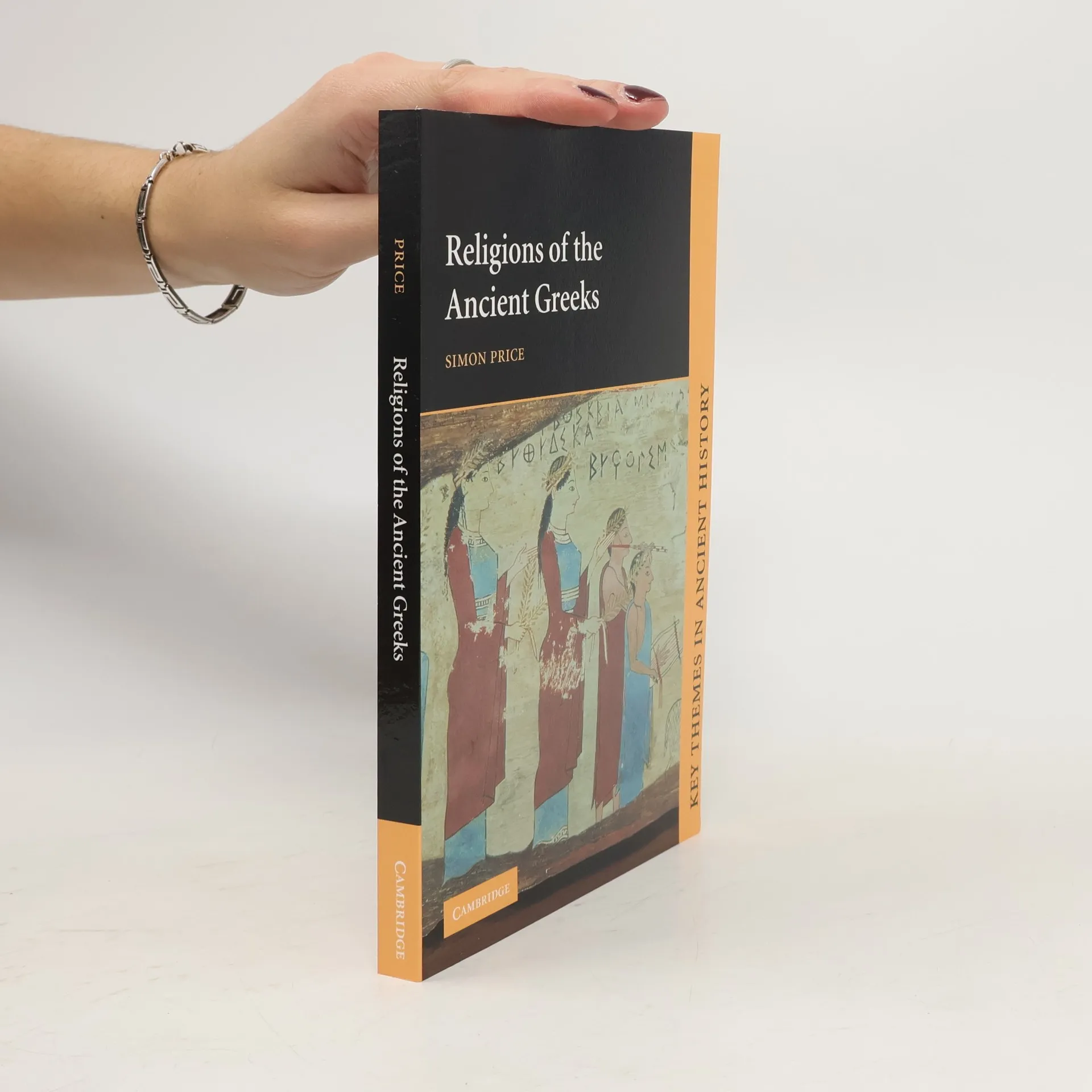
This 1999 book is about the religious life of the Greeks from the eighth century BC to the fifth century AD, looked at in the context of a variety of different cities and periods. Simon Price does not describe some abstract and self-contained system of religion or myths but examines local practices and ideas in the light of general Greek ideas, relating them for example, to gender roles and to cultural and political life (including Attic tragedy and the trial of Socrates). He also lays emphasis on the reactions to Greek religions of ancient thinkers - Greek, Roman, Jewish and Christian. The evidence drawn on is of all kinds: literary texts, which are translated throughout; inscriptions, including an appendix of newly translated Greek inscriptions; and archaeology, which is highlighted in the numerous illustrations.
This book explains the rules of Roman law in the light of the society and economy in which it operated. The main topics discussed are: the family and inheritance; property and the use of land; commercial transactions and the management of businesses; litigation and the assertion of legal rights.
Studying Gender in Classical Antiquity
- 188 Seiten
- 7 Lesestunden
Up-to-date, theoretically informed historical survey of the practices and performance of gender in ancient Greece and Rome.
Politics in the Roman Republic
- 214 Seiten
- 8 Lesestunden
A very readable introduction exploring much-contested issues and debates, and providing an original synthesis of this important topic.
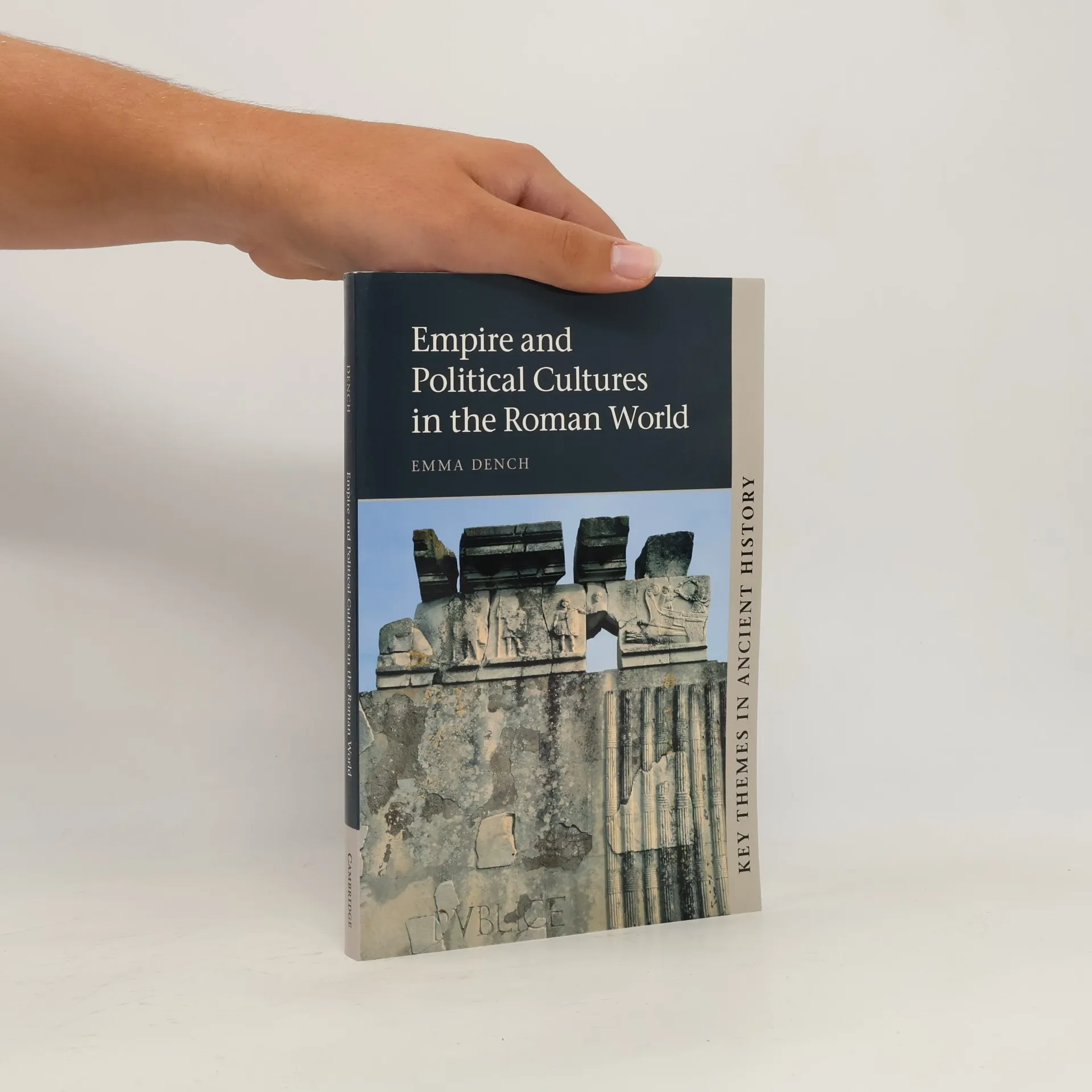
Empire and Political Cultures in the Roman World
- 222 Seiten
- 8 Lesestunden
Uses a broad range of evidence to explore how the Roman Empire worked and was experienced by its subjects.
The Ancient City
- 236 Seiten
- 9 Lesestunden
This book provides a survey of modern debates on Greek and Roman cities, and a sketch of the cities' chief characteristics.
Ancient Greek Political Thought in Practice
- 194 Seiten
- 7 Lesestunden
Exploring the evolution of political thought and practice in ancient Greece, this book delves into its development from prehistoric times through to the Roman Empire. It examines how philosophical ideas influenced governance and societal structures, offering insights into the interplay between theory and real-world application in shaping political landscapes throughout history.
Trade in Classical Antiquity
- 134 Seiten
- 5 Lesestunden
The book delves into the complex role of trade in classical antiquity, examining its dual nature as both a vital component of Mediterranean economies and a source of tension within social hierarchies. It highlights how trade fueled the growth of Athenian and Roman power while being viewed with suspicion by elites who feared its impact on social order. Additionally, the text connects ancient trade to broader themes of politics, morality, and societal structure, drawing parallels to modern debates on trade's role in poverty alleviation versus exploitation.
Public Order in Ancient Rome
- 174 Seiten
- 7 Lesestunden
Focusing on the law and order mechanisms in ancient Rome, this study challenges the notion that the lack of a professional police force led to the Republic's collapse. Wilfried Nippel explores how self-regulation served as a stabilizing force throughout both Republican and Imperial periods. The analysis offers a comparative perspective, appealing to legal historians of other pre-modern societies, as well as ancient historians, anthropologists, sociologists, and political scientists interested in the dynamics of governance and social order.
Law and Crime in the Roman World
- 160 Seiten
- 6 Lesestunden
The exploration of crime in ancient Rome reveals the complex interplay between legal definitions and societal attitudes. This book examines various offenses such as theft, treason, and violence, highlighting how court practices adapted to social changes despite a conservative legal tradition. It emphasizes the roles of judges and litigants in shaping the severity of justice during Late Antiquity. Additionally, it discusses the influence of rhetorical education and the indifference of both common people and elites towards legal nuances in shaping perceptions of crime.