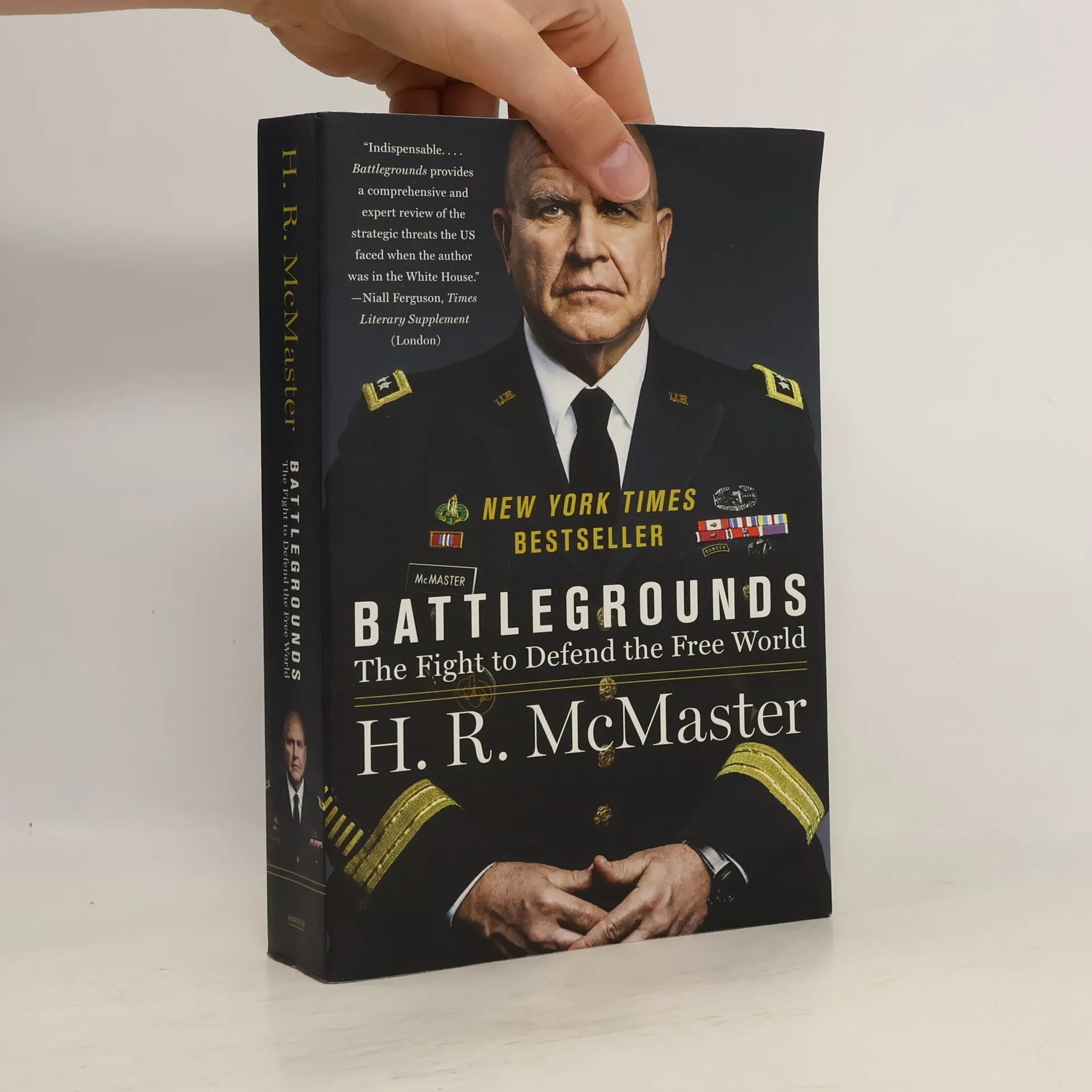



Battlegrounds
- 576 Seiten
- 21 Lesestunden
Since the end of the Cold War, American foreign policy has been marked by misconceptions, inconsistencies, and poor implementation, leading to a decline in power and influence for the U.S. and the free world. This has allowed threats like nuclear proliferation and jihadist terrorism to grow. A key theme is "Strategic Narcissism," a mindset that causes leaders to craft policies based on wishful thinking rather than a realistic understanding of challenges. The text explores competition with rivals such as Russia and China, as well as hostile states like Iran and North Korea, and addresses complex battlegrounds in South Asia and the Middle East. It also highlights new arenas of competition, including space and cyberspace, along with emerging technologies. The author discusses efforts to reassess and shift policies during his tenure as National Security Advisor and outlines a pathway to enhance strategic competence against authoritarian powers and transnational terrorist organizations. He advocates for "Strategic Empathy," encouraging a perspective that considers the viewpoints of adversaries. Drawing from thirty-four years of U.S. Army service and his experience in the Trump administration, the author provides insights for navigating complex global challenges.