An outstanding collection of some of the best pieces that Christopher Hitchens wrote for the London Review of Books.
Christopher Hitchens Reihenfolge der Bücher (Chronologisch)
13. April 1949 – 15. Dezember 2011
Christopher Hitchens war ein Polemiker und Intellektueller, dessen Schriften sich durch scharfsinnige Analysen und einen kompromisslosen Stil auszeichneten. Während er sich anfangs der radikalen Linken zuordnete, entwickelten sich seine Ansichten im Laufe der Zeit, was zu bemerkenswerten Verschiebungen seiner politischen Haltung führte. Er setzte sich für aufklärerische Werte wie Säkularismus, Humanismus und Vernunft ein und kritisierte gleichzeitig scharf religiöse Dogmen und politische Persönlichkeiten, die er als schädlich erachtete. Sein literarisches Werk wird bis heute für seine intellektuelle Strenge und seine furchtlose Auseinandersetzung mit etablierten Wahrheiten gefeiert.






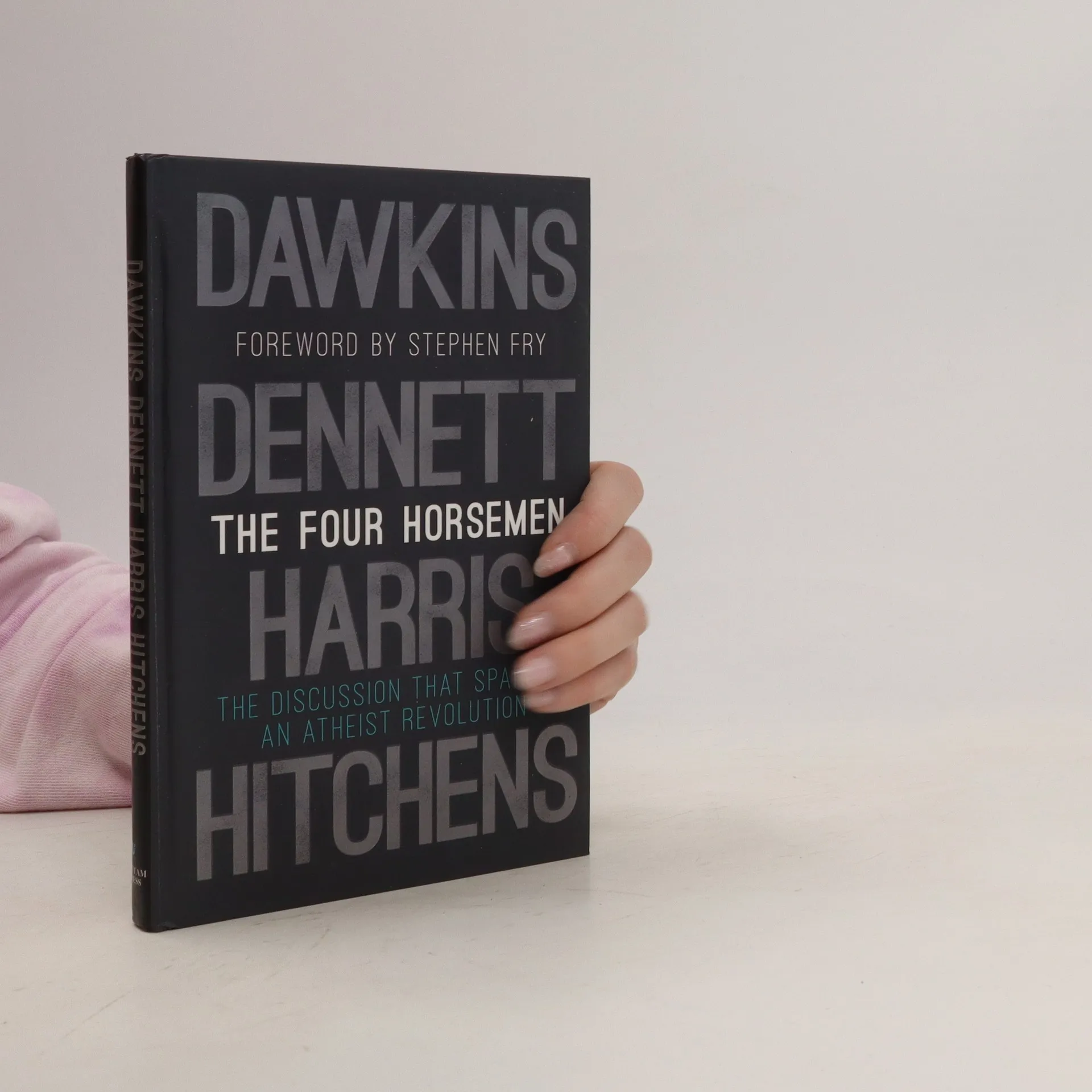
The four horsemen : the discussion that sparked an atheist revolution
- 160 Seiten
- 6 Lesestunden
Known as the "four horsemen" of the New Atheism, four thinkers of the twenty-first century met only once. Their examination of ideas was wide-ranging. Everything that was said as they agreed and disagreed with one another, interrogated ideas and exchanged insights about religion and atheism, science and sense speaks to our present age. The dialogue was recorded, and is transcribed and presented in this book
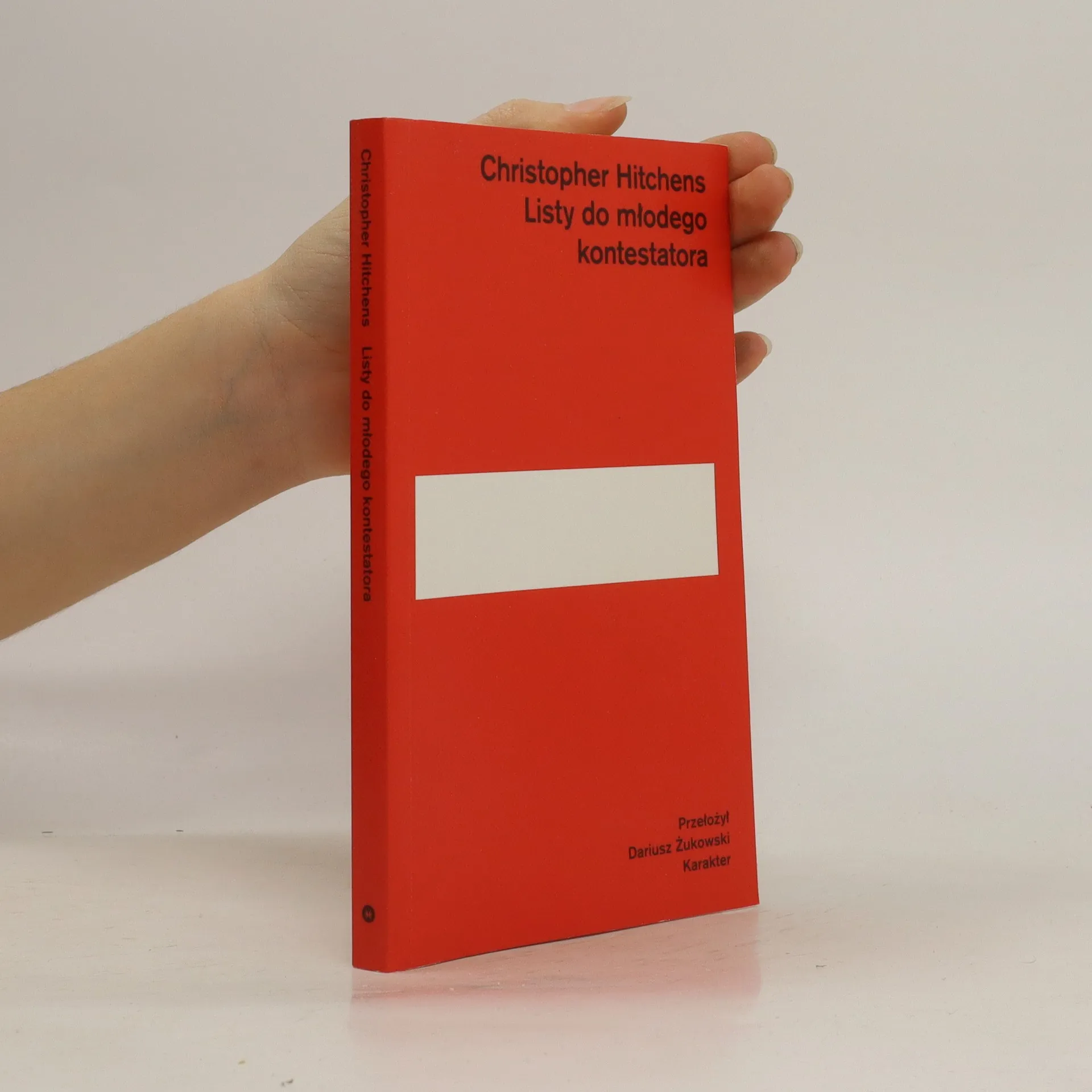
Listy do mlodego kontestatora
- 176 Seiten
- 7 Lesestunden
"Słynny esej kontrowersyjnego intelektualisty. Odwołując się do przykładów z własnego życia oraz postaw takich ważnych dla niego osób, jak Emile Zola, Rosa Parks, George Orwell czy Vaclav Havel, autor analizuje różne formy sprzeciwu i kontestacji. Opowiada o tym, jak być krytycznym, nie ulegać manipulacji mediów, nie poddawać się politycznej propagandzie i zachowywać twórczy dystans wobec rzeczywistości. Na co dzień możesz stanąć wobec różnych odmian przemocy albo hipokryzji, bałamutnego powoływania się na wolę ogółu albo małostkowych nadużyć władzy. Jeśli należysz do jakiejś organizacji politycznej, ktoś może cię poprosić o mówienie kłamstw albo półprawd służących jakiemuś krótkoterminowemu celowi. Każdy wypracowuje sobie własne sposoby radzenia sobie z takimi sytuacjami. Staraj się zachowywać, „jak gdyby” nie trzeba było ich tolerować i jakby nie było w nich nic oczywistego – pisze Hitchens do młodego adepta sztuki sprzeciwu."
And Yet...
- 352 Seiten
- 13 Lesestunden
"This collection of essays brings together some of the finest pieces Hitchens published over the last two decades for the first time in one book, addressing with characteristic wit and erudition the subjects he is best known for, including: the case against God, faith and religious observance; the case for intervention in Iraq; indictments of towering political figures like Bill and Hillary Clinton, Tony Blair, and Henry Kissinger; and celebrations of the writers and thinkers whose work meant most to him"--
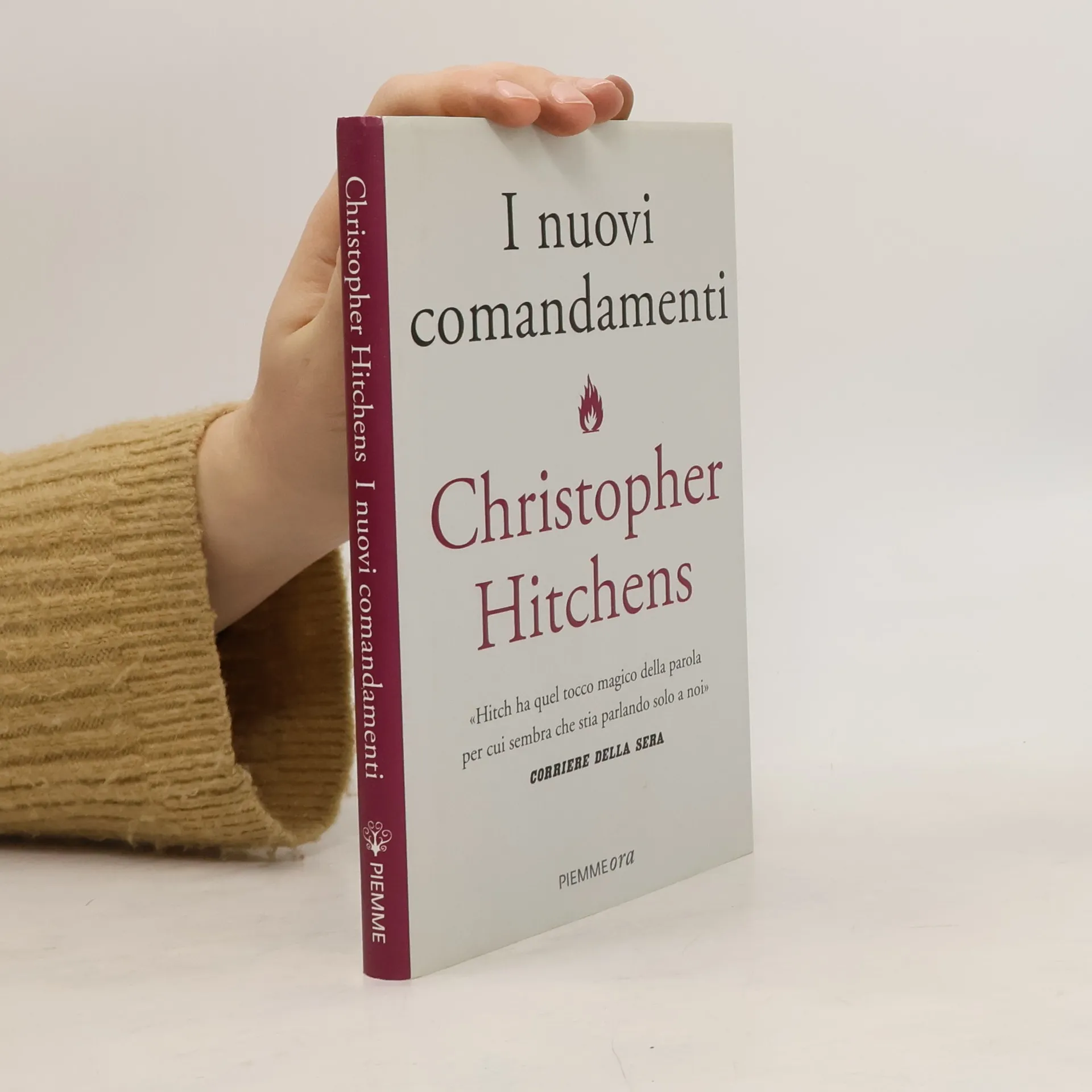
I nuovi comandamenti
- 122 Seiten
- 5 Lesestunden
I Dieci comandamenti non reggono più. Sono confusi, ambigui, tutt'altro che "scritti nella pietra". Di fatto, sono una sorta di work in progress che costringe a un sacco di stucchevoli precisazioni. Per esempio, dire "Lo sa solo Dio" è nominare il suo nome invano? E sul non uccidere, ci sarebbe quel passaggio dell'Esodo che invita i figli d'Israele a sterminare i nemici... Tralasciando le considerazioni che si possono fare sul non desiderare la donna d'altri, o la roba d'altri. No, non reggono più, è di tutta evidenza. Erano destinati a un gruppo di tribù nomadi dei tempi andati, quindi andrebbero emendati e rivisti, in questi tempi di crimini ambientali, ladroni dell'alta finanza, guerre pseudo-sante... Per non dire di chi urla in pubblico al cellulare. Ci occorre un nuovo codice morale, insomma, ma ragionato, non in pillole. Per fortuna ci pensa Hitchens, al suo meglio, con il consueto inconfondibile humour, la sua acuta intelligenza, le sue provocazioni intellettuali mai banali o pretestuose.
Chronik des eigenen TodesNachdem Christopher Hitchens die Diagnose seiner tödlichen Krankheit erhalten hatte, schrieb er, die von Elisabeth Kübler-Ross etablierte Theorie der verschiedenen Stufen des Sterbens träfe auf ihn nicht zu. Anfangs hätte er zwar seinen Zustand geleugnet, dann Zorn und Depression aber übersprungen: »Ich habe den Sensenmann herausgefordert, es mir so richtig zu zeigen – und muss nun vor etwas kapitulieren, das so vorhersehbar und banal ist, dass es selbst mich langweilt.«Zeit seines Lebens war Christopher Hitchens ein scharfzüngiger Redner und erbarmungsloser Diskutant in politischen und weltanschaulichen Debatten. Wenn er zur Hochform auflief, waren ihm auch die gewandtesten Gegner nicht mehr gewachsen. Der gebürtige Brite lehrte seine Wahlheimat USA in den drei Jahrzehnten, in denen er dort lebte, das Fürchten, indem er deren Kriegsverbrechen und Bigotterie an den Pranger stellte wie niemand sonst. Während der Lesereise zu seiner Autobiographie Hitch 22 hatte Christopher Hitchens einen Zusammenbruch, der mit unerträglichen Schmerzen in der Brust einherging. Die Ärzte diagnostizierten Speiseröhrenkrebs. Diese Diagnose war, wie er später schrieb, seine »Deportation vom Land der Gesunden über die klar gezogene Grenze, die das Gelände der Krankheit davon trennt«. Was als ein Schreiben über die Krankheit beginnt, wird zu Hitchens’ letztem Buch, ein Text über das Leiden und Sterben, über den eigenen Tod.
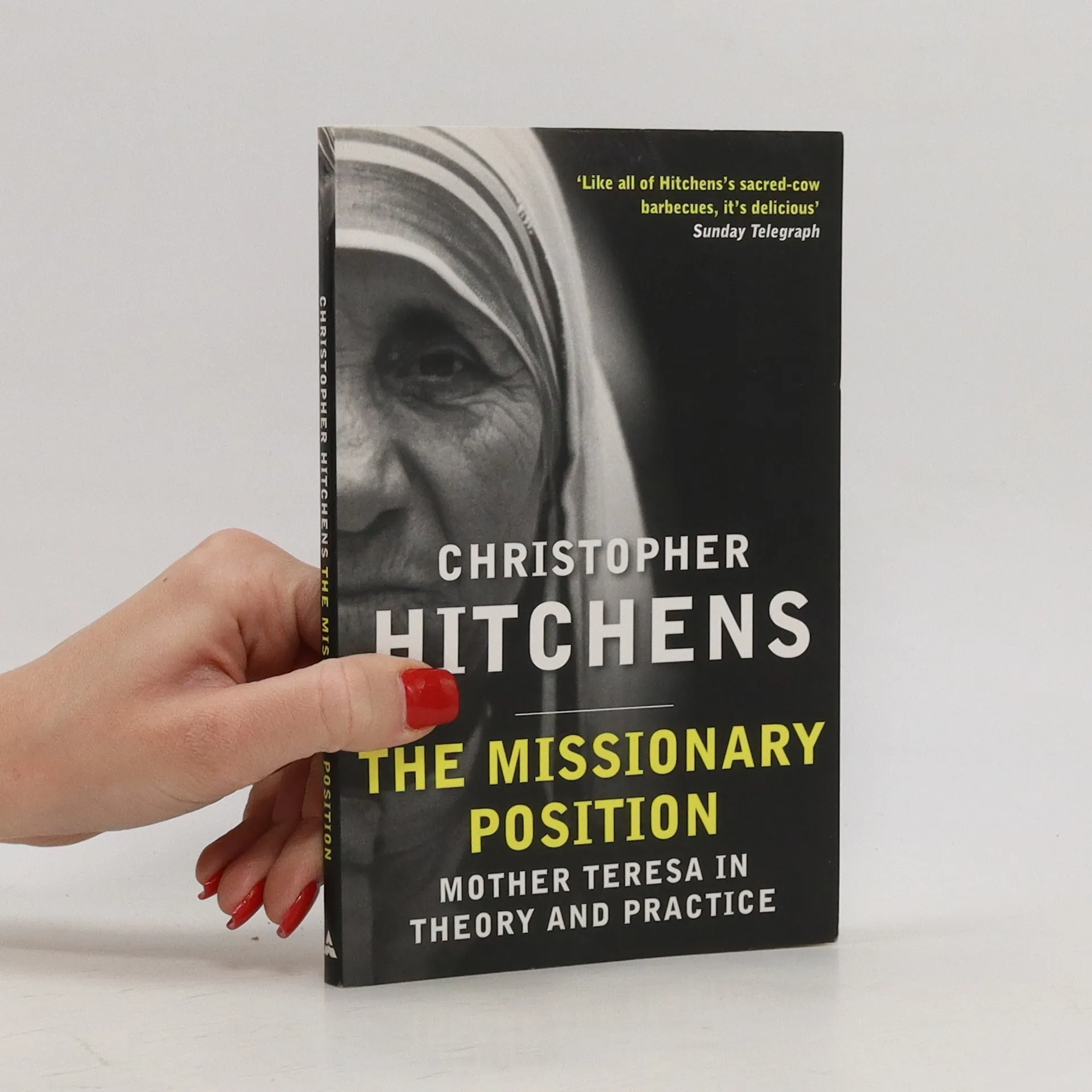
Recipient of the Nobel Peace Prize, feted by politicians, the Church and the world's media, Mother Teresa of Calcutta appears to be on the fast track to sainthood. But what makes Mother Teresa so divine?
"All first-rate criticism first defines what we are confronting," wrote jazz critic Whitney Balliett. By this measure, the essays of Christopher Hitchens rank among the best. For nearly four decades, Hitchens has articulated the core principles of reason, tolerance, and skepticism that underpin our civilization—principles that must be defended anew by each generation. Recognized as one of the greatest conversationalists, alongside figures like Sir Patrick Leigh-Fermor and Sir Tom Stoppard, Hitchens invites readers into a democratic dialogue, engaging and reasoning with them. His formidable knowledge, akin to an encyclopedic treasure, feels like a conversation where he follows the logic of his thoughts, unafraid to expose fraudulence, denounce injustice, and critique hypocrisy. Readers have come to admire his eloquence, wit, and readiness to confront adversaries. In this collection, Hitchens offers fresh insights on figures like Charles Dickens, Karl Marx, and George Orwell, enriched by his experiences from traveling and reporting in places like Iran and China. His directness, elegance, and humor applied to a wide range of subjects set a high standard for essayists. This volume presents an intellectual self-portrait of a writer dedicated to the pursuit of reason and justice, showcasing his profound love for the English language.
Hitchens vs Blair
- 96 Seiten
- 4 Lesestunden
On November 26, 2010, intellectual juggernaut and staunch atheist Christopher Hitchens went head-to-head with former British Prime Minister Tony Blair, one of the Western worlds most openly devout political leaders, on the highly charged topic of religion.
Diaries - 2: The Sixties
Diaries Volume Two, 1960-1969
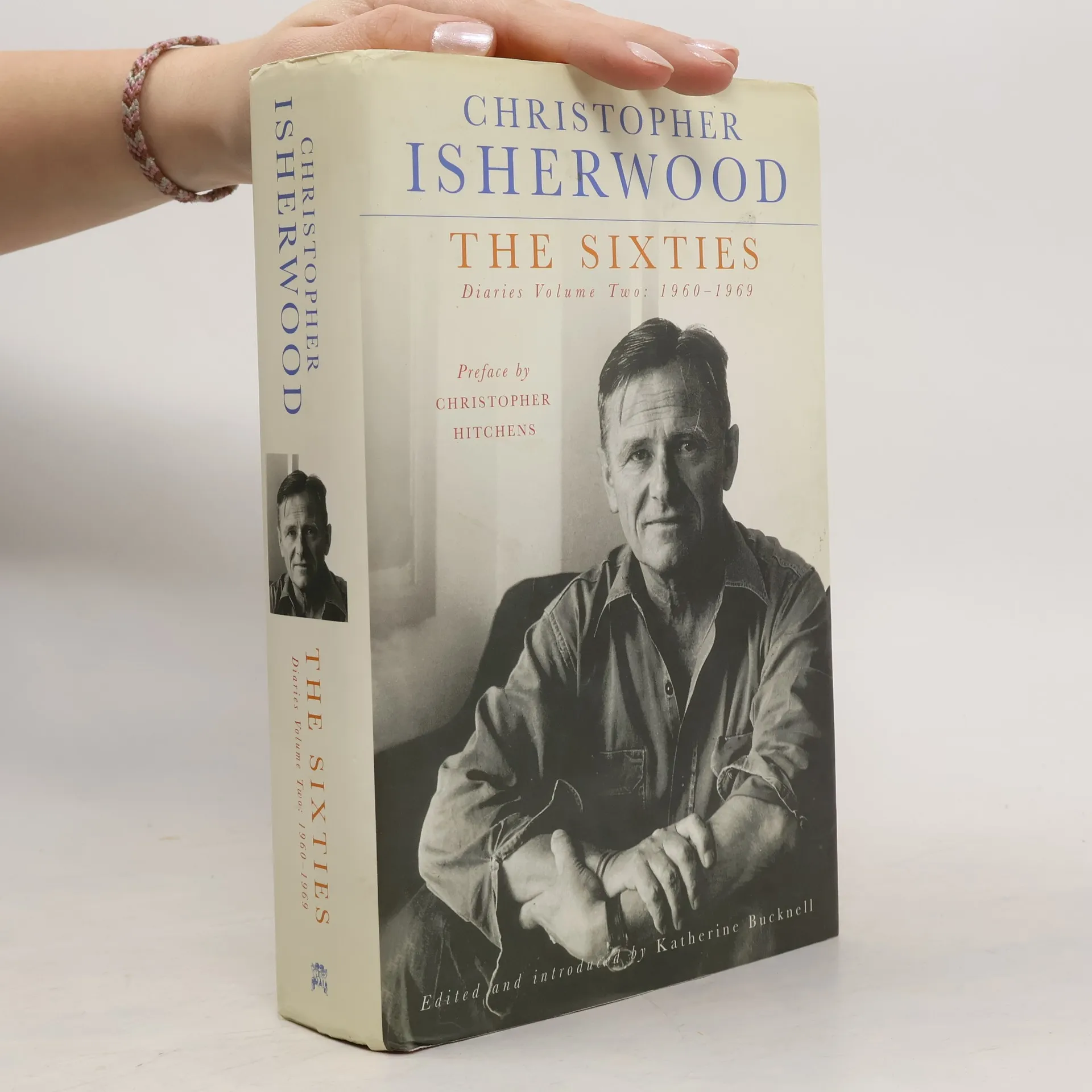
This second volume of Christopher Isherwood's remarkable diaries begins on his fifty-sixth birthday, capturing the transition from the fifties to a decade of social and sexual revolution. Isherwood takes readers through the bohemian landscape of Southern California, the liberated atmosphere of London, the vibrant cosmopolitanism of New York, and the rugged Australian outback. He chronicles his spiritual quest guided by his Hindu guru and shares the emotional complexities of his relationship with American painter Don Bachardy, who is thirty years his junior and navigating his own artistic path. The diaries are filled with sharp gossip and psychological insights about cultural icons of the era, including Francis Bacon, Richard Burton, and Mick Jagger. However, they are most revealing about Isherwood himself—his literary works, film writing, college teaching, and romantic entanglements. He seamlessly connects diverse topics, from Beckett to Brando and the opening of "Cabaret" to a detailed analysis of Gide. The backdrop includes significant political and historical events: the Cold War anxieties, Gagarin's spaceflight, the Vietnam War, and the Summer of Love. Isherwood, known for his prophetic portrayals of a morally bankrupt Europe before World War II, offers an unparalleled chronicle of the decade that profoundly influences contemporary life.
The Hitch: das bewegte Leben eines der einflussreichsten und streitbarsten Denker Ikonen von ihrem Sockel zu stürzen war ein Anliegen, das Christopher Hitchens mit der Nonchalance eines Salonlöwen und der Unerbittlichkeit eines Rottweilers verfolgte – wie seine Biografien über Mutter Teresa, Henry Kissinger und Bill Clinton beweisen. Mit „The Hitch“ hinterfragte der Bestsellerautor, Journalist, Bonvivant und Provokateur seinen eigenen, fast schon ikonenhaften Status als „wahrscheinlich klügster Kopf seiner Generation“ (DIE WELT). In seiner Autobiografie tritt „The Hitch” selbst ungeschminkt vor den Spiegel. Wie ein britischer Trotzkist, in der ersten Reihe der Vietnamkriegsgegner, nach dem 11. September die amerikanische Staatsbürgerschaft annimmt und bis heute zu den prominentesten und umstrittensten Befürwortern des Irakkriegs zählt. Wie der zum christlichen Glauben erzogene Sohn einer freigeistigen Mutter, die bis zu ihrem Selbstmord ihre jüdische Herkunft geheim hielt, seine atheistischen Ansichten zum Weltbestseller macht. Wie ein auf Kuba kaffeepflückender junger Linksintellektueller gegen das Establishment anstürmt und sich beim Cocktail mit Margaret Thatcher wiederfindet. „The Hitch” ist die Roadmap für ein Leben, das nichts, wirklich nichts ausgelassen hat.
Thomas Jefferson
- 188 Seiten
- 7 Lesestunden
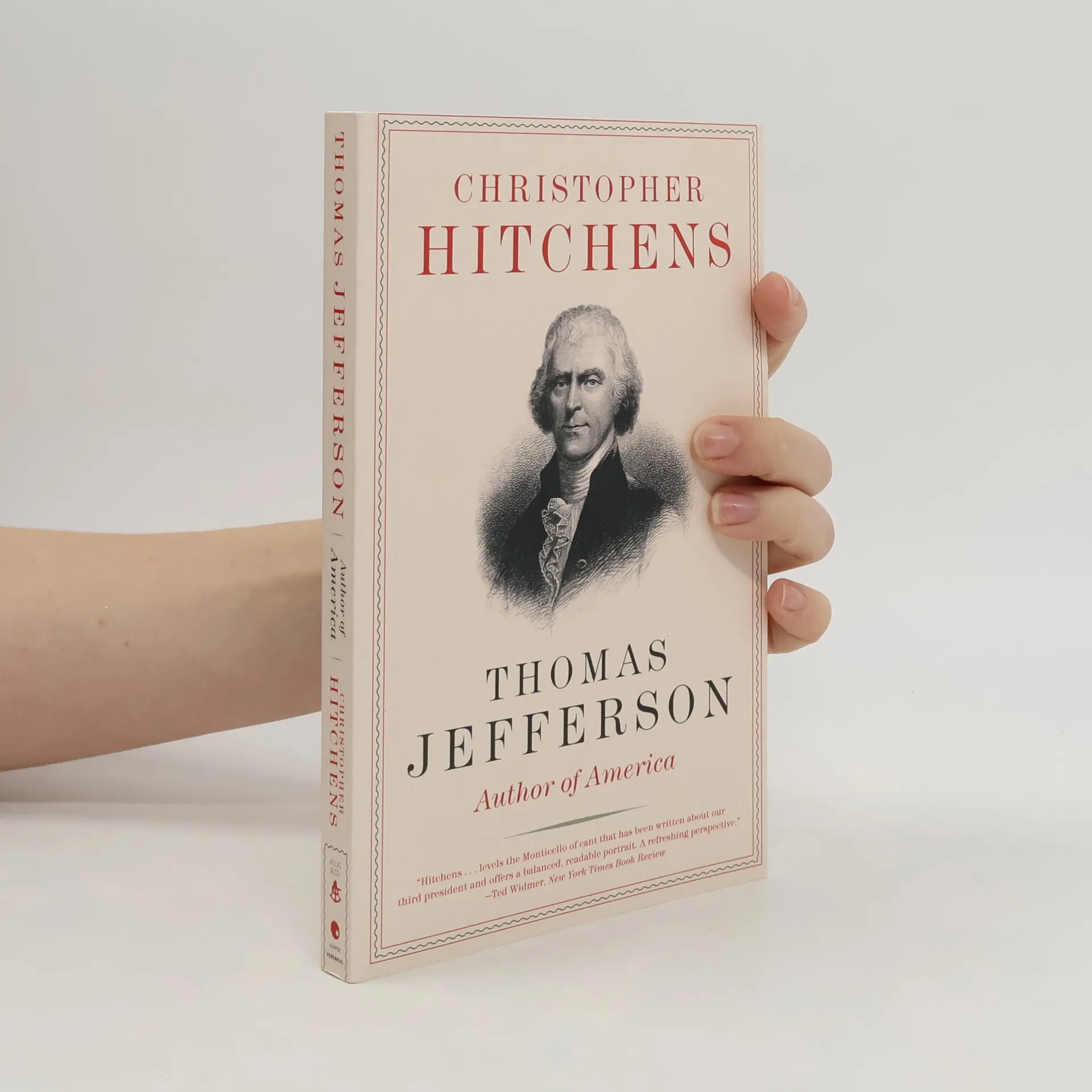
In this unique biography of Thomas Jefferson, leading journalist and social critic Christopher Hitchens offers a startlingly new and provocative interpretation of our Founding Father—a man conflicted by power who wrote the Declaration of Independence and acted as ambassador to France yet yearned for a quieter career in the Virginia legislature. A masterly writer, Jefferson was an awkward public speaker. A professed proponent of emancipation, he elided the issue of slavery from the Declaration of Independence and continued to own human property. A reluctant candidate, he left an indelible presidential legacy. With intelligence, insight, eloquence, and wit, Hitchens gives us an artful portrait of a complex, formative figure and his turbulent era.
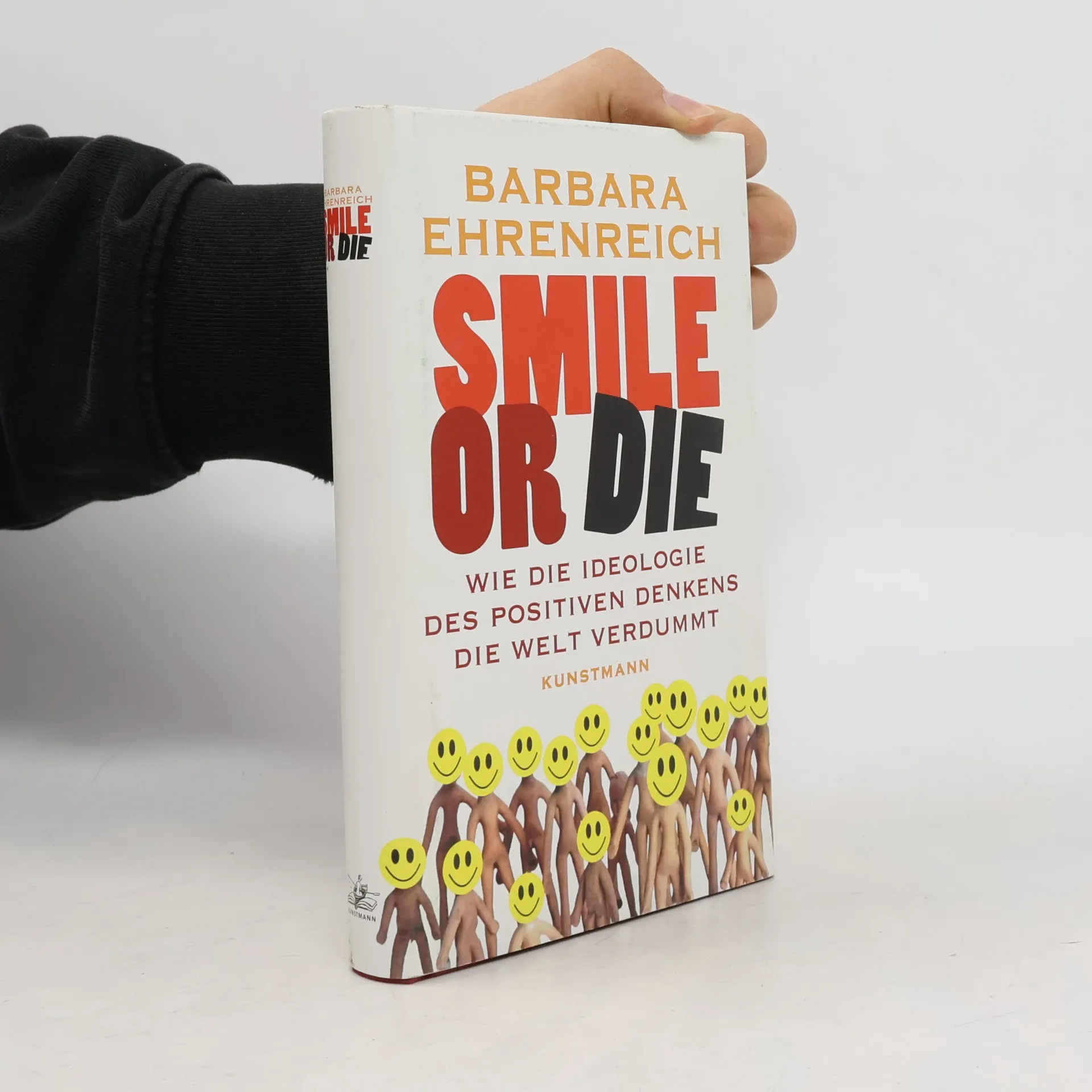
»Sei positiv! Optimisten leben länger! Der Erfolg ist in dir!« Diese Botschaften dominieren seit Jahrzehnten die Ratgeberliteratur und die Motivationstrainer. Glück, Gesundheit, Reichtum und beruflicher Erfolg sind demnach für jeden erreichbar, vorausgesetzt, man hat eine durchweg positive Grundhaltung. Wer Sorgen hat oder die Ursachen seiner Probleme in der Realität sucht, ist selbst schuld. Arbeitslosen wird gesagt, dass nur der Ton ihrer Bewerbung über deren Erfolg entscheidet, während Krebskranken eine »negative Haltung« als potenzielle Bedrohung für ihre Heilung angedichtet wird. Ehrenreich untersucht kritisch diese blühende Bewusstseinsindustrie, die mit »Positive Thinking« Milliarden verdient. Trotz fehlender wissenschaftlicher Beweise hat die »positive Psychologie« auch die Universitäten erobert. Besonders in der Wirtschaft wird die Realität oft ausgeblendet; diese Weigerung, negative Entwicklungen zu erkennen, hat laut Ehrenreich zum jüngsten Crash beigetragen. Ihre Analyse ist eine scharfsinnige und humorvolle Kritik an einem kulturellen Glaubenssystem, das dringend einen Rückkehr zu Realismus und gesundem Menschenverstand benötigt.
Vanity fair portraits
- 383 Seiten
- 14 Lesestunden
Von Edward Steichen und Cecil Beaton bis Annie Leibovitz und Mario Testino – Vanity Fair Portraits feiert 95 Jahre Photogeschichte, mit Klassikern der Portraitkunst, die von Vanity Fair in Auftrag gegeben und veröffentlicht wurden. Diese Portraits wurden zu Ikonen der bekanntesten Figuren aus Film, Musik, Sport, Wirtschaft und Politik. Vanity Fair Portraits ist eine Kulturgeschichte des 20. Jahrhunderts und ihrer führenden Persönlichkeiten. Leitfaden sind die Seiten des Magazins, das die Moderne mit eingeleitet hat und zu einer festen Größe des Lebens im 20. Jahrhunderts geworden ist. Dieser Band versammelt über 300 Photographien aus beiden Epochen des Erscheinens von Vanity Fair und bietet ein Feuerwerk an Prominenz, Talent und Glamour. In der ersten Ära – 1913 bis 1936 – dominieren Figuren aus dem Zeitalter des Jazz und Stars wie Pablo Picasso, Amelia Earhart, Cary Grant und Katharine Hepburn. Die zweite Ära – von der Neugründung 1983 bis heute – bringt Hollywood-Stars, Schriftsteller, Sportler, Stilikonen und große Namen aus Wirtschaft und Politik, mit Portraits von Robert de Niro, Arthur Miller, Madonna, Margaret Thatcher, Rupert Murdoch und vielen anderen. Vanity Fair Portraits bündelt wie ein Brennglas die Energie des Magazins, das mit dem Versprechen antrat, 'eine Dinner- Party auf fünfzig Meter in Brand zu setzen' und zeigt, warum es zur wichtigsten Plattform für photographische Ikonographie geworden ist.
The Best American Magazine Writing 2007
- 502 Seiten
- 18 Lesestunden
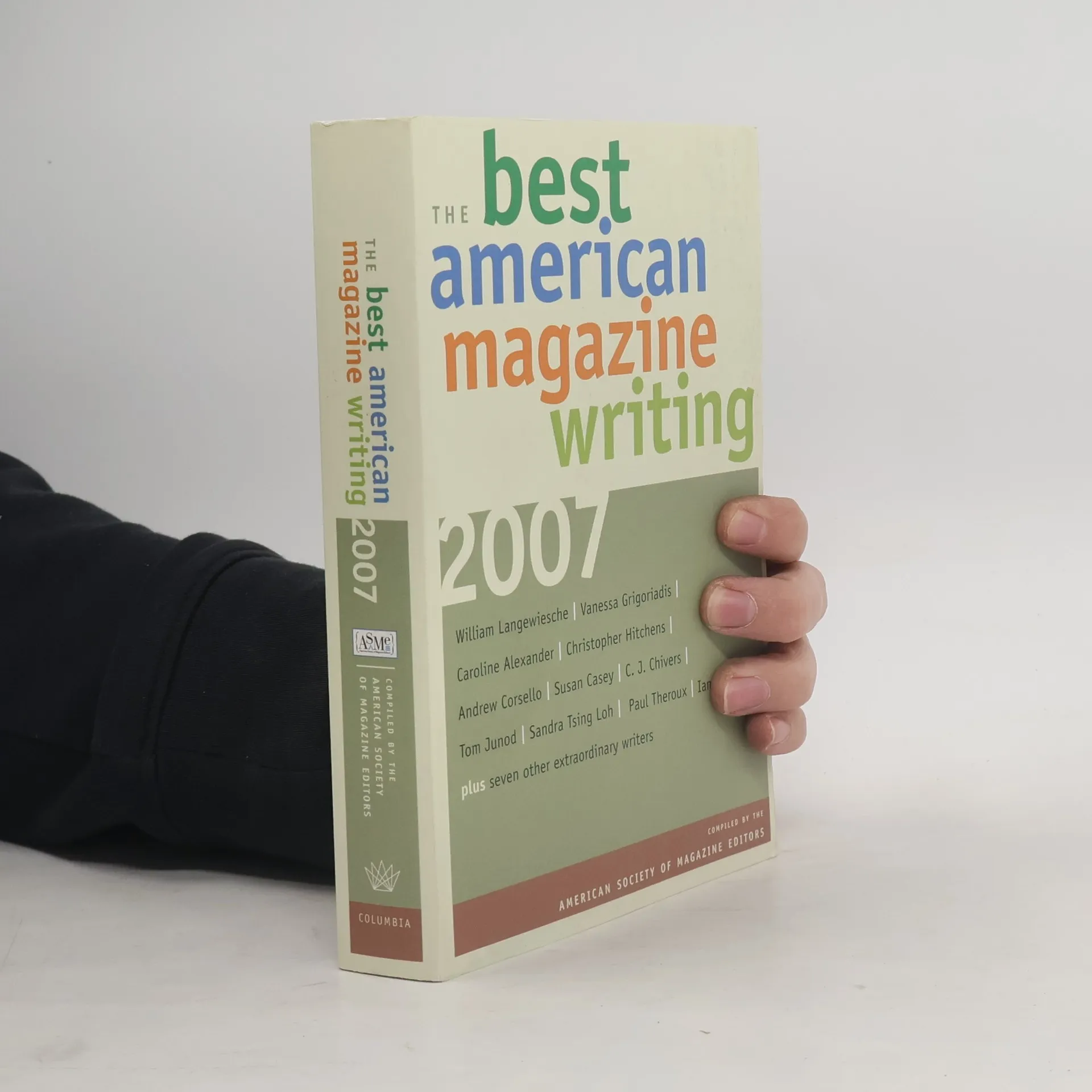
This year's selection includes William Langewiesche's probing investigation in Vanity Fair of the slaughter of twenty-four Iraqis in Haditha; C. J. Chivers's chilling account in Esquire of the 2004 hostage crisis in Beslan, which killed 331 people, 186 of them children; Susan Casey's revelation in Best Life of a virtually unknown, Texas-sized garbage dump resting at the bottom of the Pacific ocean; and Andrew Corsello's harrowing portrait in GQ of Robert Mugabe's mad rule and two men-a white farmer and a fiery black priest-who strive for forgiveness instead of hate. The collection also includes Vanessa Grigoriadis's hilarious portrait of fashion icon Karl Lagerfeld in New York Magazine; Christopher Hitchens's profile of survivors of Agent Orange in Vanity Fair; Sandra Tsing Loh's coverage of the stay-at-home-mommy debate in the Atlantic Monthly; Paul Theroux's thoughts on the dangers of anthropomorphism and our misconceptions about birds in the Smithsonian; Janet Reitman's unraveling of the mysteries of Scientology in Rolling Stone; and the work of nine other exceptional writers.
Christopher Hitchens über Thomas Paine, Die Rechte des Menschen
- 144 Seiten
- 6 Lesestunden
»Die Vernunft ist das gewaltigste Rüstzeug gegen alle Arten von Irrtümern.« Thomas Paine, revolutionärer Demokrat, wurde mit seiner 1791/92 erschienenen Streitschrift für die Menschenrechte und einen republikanisch verfassten Staat zum wichtigsten Mittler zwischen der Aufklärung des 18. und den Freiheitsbestrebungen des 19. Jahrhunderts. Seine liberalen und sozialen Ideen wirken auch heute noch sehr modern.
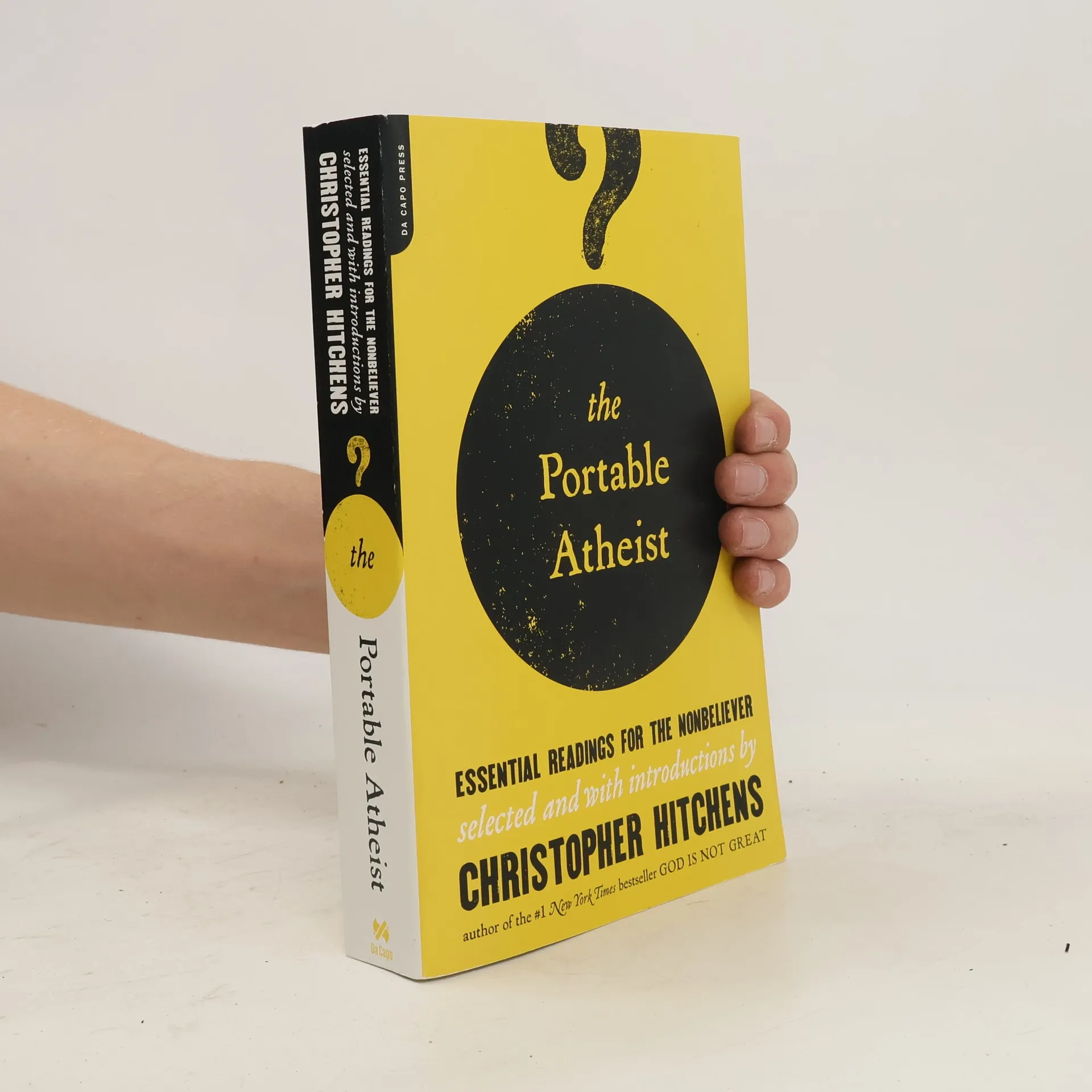
Presents excerpts on the subject of religion from the writings of such notable non-believers as John Stuart Mill, Karl Marx, Charles Darwin, Mark Twain, H. L. Mencken, Albert Einstein, Richard Dawkins, and Salman Rushdie.
Der Herr ist kein Hirte
- 349 Seiten
- 13 Lesestunden
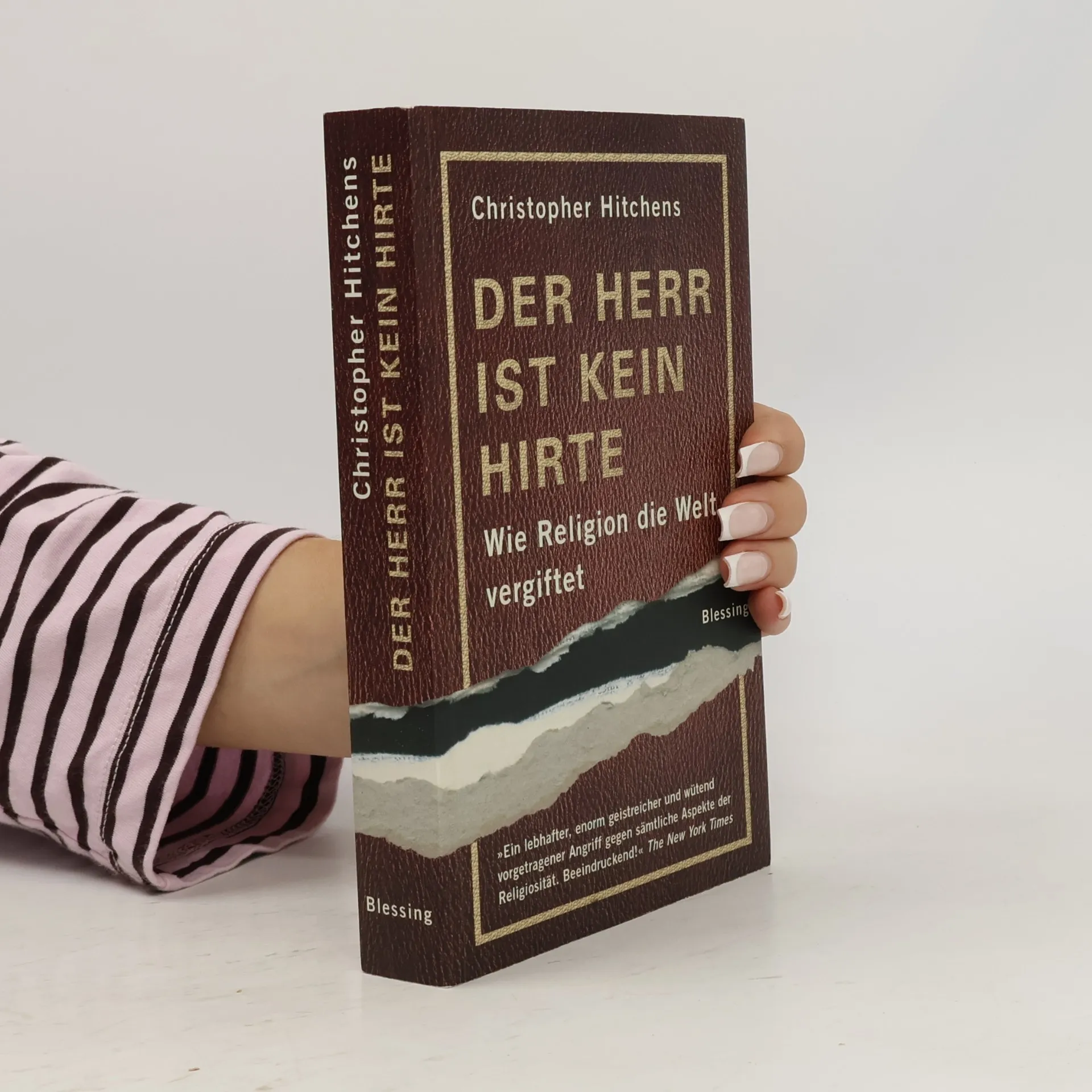
Die Antwort auf Henryk M. Broder, Bernhard Bueb, Peter Hahne u. a. Welche Rolle darf Religion heutzutage spielen? Keine – wenn es nach Christopher Hitchens geht. Schon gar keine Sonderrolle, dazu ist unsere Welt zu klein geworden. In seiner Streitschrift legt er eloquent und provokant dar, dass die Rückkehr zum Glauben – ob als archaische Staatsdoktrin oder vermeintlich modernes Sinnstiftungsangebot für den Privatgebrauch – in eine gefährliche Sackgasse führt. Eine gute Welt, so empfand es Bertrand Russell 1927 in seinem grundlegenden Vortrag 'Warum ich kein Christ bin', brauche keine Fesselung der freien Intelligenz durch Worte, die vor langer Zeit von unwissenden Männern gesprochen wurden. Sie brauche einen furchtlosen Ausblick auf die Zukunft. Achtzig Jahre später hat sich Christopher Hitchens in der Welt umgesehen. Sein Bericht: Nach wie vor lehren die Religionen auf allen Erdteilen das Fürchten, stehen als Quell von Intoleranz, Sexismus, Siechtum, Gewalt und körperlichem wie seelischem Missbrauch einem menschenwürdigen Zusammenleben im Wege. Und selten stand die Zukunft so in ihrem Bann wie jetzt. Mit seinem polemischen Rundumschlag beleuchtet Hitchens Entstehung, Verbreitung und Wirkung diverser Glaubensgemeinschaften – von Cargo-Kult bis Christenheit – und macht deutlich, wie stark und unheilvoll ihr Einfluss auf Politik und Gesellschaft gerade heute ist. Der bissigste Beitrag des Jahres zum Sachbuch-Thema Religion.
Farm der Tiere
Die Graphic Novel
"Es ist einer der bekanntesten Romane des 20. Jahrhunderts, eine große Metapher für jedes totalitäre Regime. Die Inspiration für dieses Werk entstand aus einem konkreten Erlebnis: „Eines Tages, während ich einen schmalen Pfad entlangging, sah ich ein etwa zehnjähriges Kind, das ein riesiges Zugpferd an den Zügeln hielt, und jedes Mal, wenn das Pferd sich umdrehen wollte, schlug das Kind es. In diesem Moment dachte ich, dass, wenn bestimmte Tiere sich ihrer Stärke bewusst wären, wir keine Macht mehr über sie hätten, und ich dachte auch, dass die Menschen die Tiere auf eine sehr ähnliche Weise ausbeuten, wie die Reichen das Proletariat ausbeuten.“ So entsteht "Farm der Tiere", die Geschichte von Tieren, die die bestehende Ordnung umstürzen, um ein Regime zu etablieren, das auf Gleichheit und gleichen Rechten und Pflichten basiert. Doch ihre egalitäre Utopie gerät schnell aus den Fugen, und bald übernimmt eine Gruppe – die Schweine, angeführt von Napoleon und Schneeball – die Kontrolle und setzt sich mit einer Gewalt durch, die bald in Brutalität umschlägt. Eine Geschichte, die die Ereignisse der Sowjetunion durch die Linse eines Märchens transfiguriert und den Leser mit einer Unmittelbarkeit anspricht, die den wertvollsten Kern in jedem von uns berührt: den, der nicht zögert, sich gegen Unrecht und Ungerechtigkeit zu erheben."
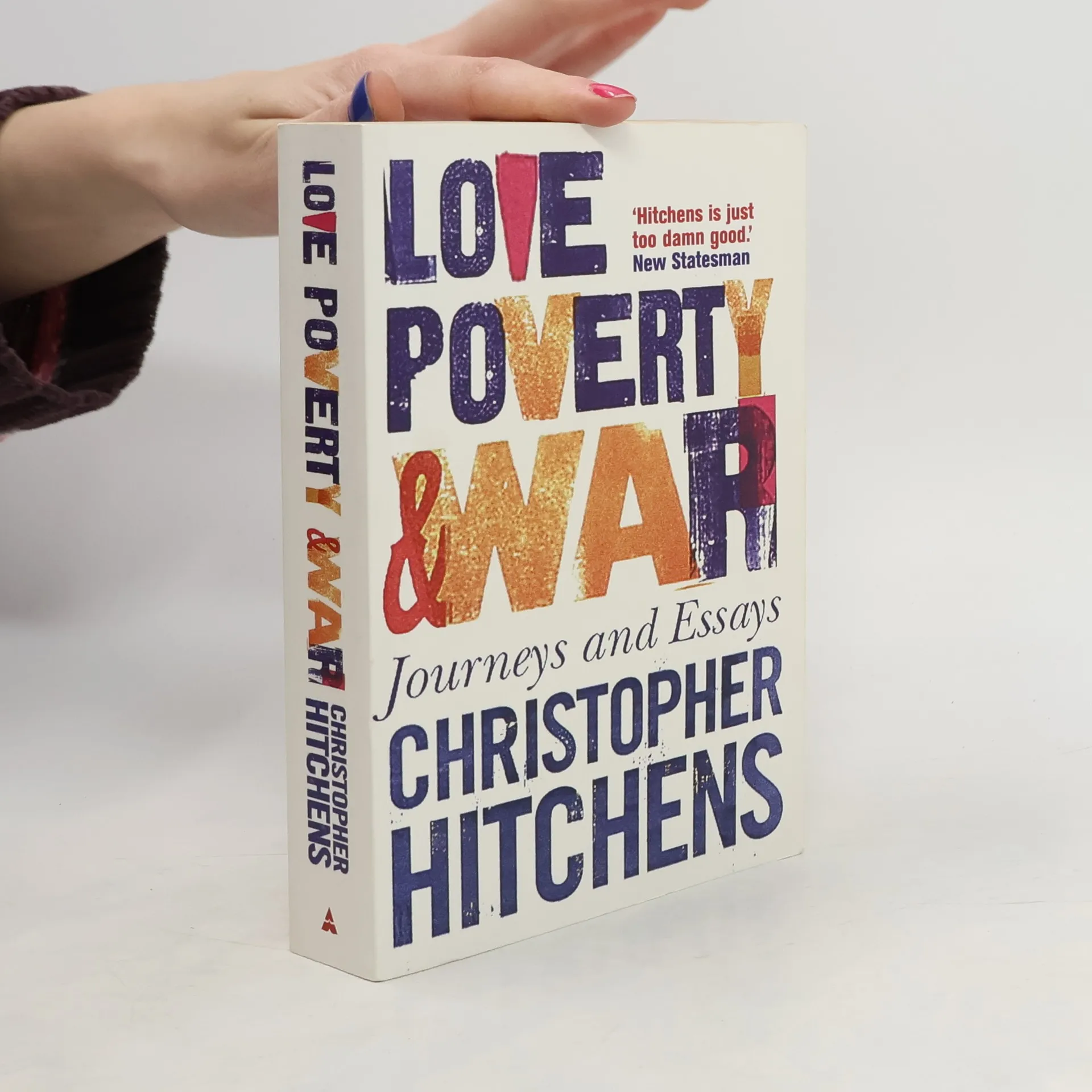
Features three sections: 'Love', 'Poverty', and 'War'. 'Love' celebrates the work of Joyce, Proust and Borges. 'Poverty' includes a series of assessments of Michael Moore and the cult of the Kennedys. This book's final section, 'War', contains reportage from North Korea, Pakistan and Iraq.
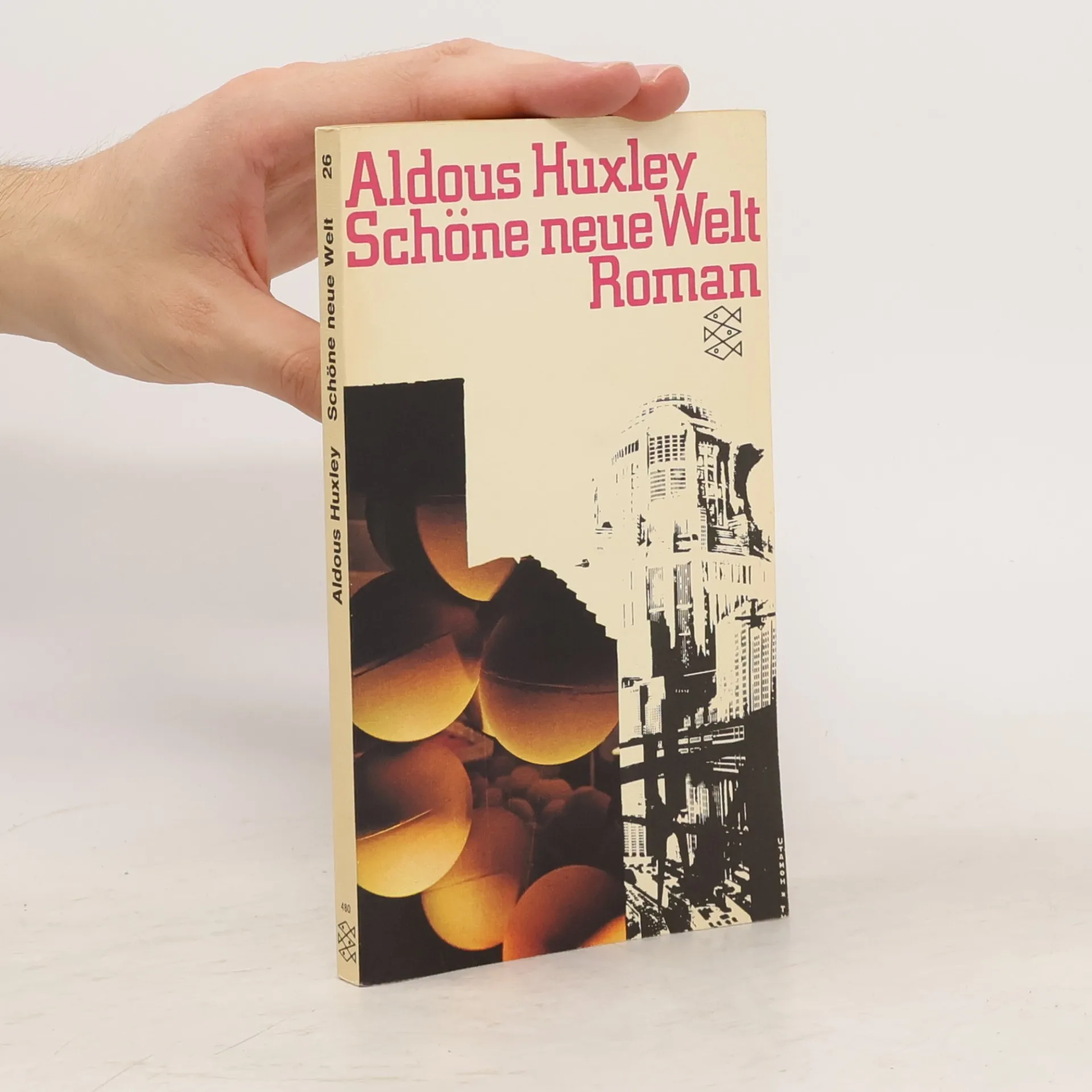
Die schöne neue Welt, die Huxley hier beschreibt, ist die Welt einer konsequent verwirklichten Wohlstandsgesellschaft 'im Jahre 632 nach Ford', einer Wohlstandsgesellschaft, in der alle Menschen am Luxus teilhaben, in der Unruhe, Elend und Krankheit überwunden, in der aber auch Freiheit, Religion, Kunst und Humanität auf der Strecke geblieben sind. Eine totale Herrschaft garantiert ein genormtes Glück. In dieser vollkommen 'formierten' Gesellschaft erscheint jede Art von Individualismus als 'asozial', wird als 'Wilder' betrachtet, wer - wie einer der rebellischen Außenseiter dieses Romans - für sich fordert: 'Ich brauche keine Bequemlichkeit. Ich will Gott, ich will Poesie, ich will wirkliche Gefahren und Freiheit und Tugend. Ich will Sünde!'
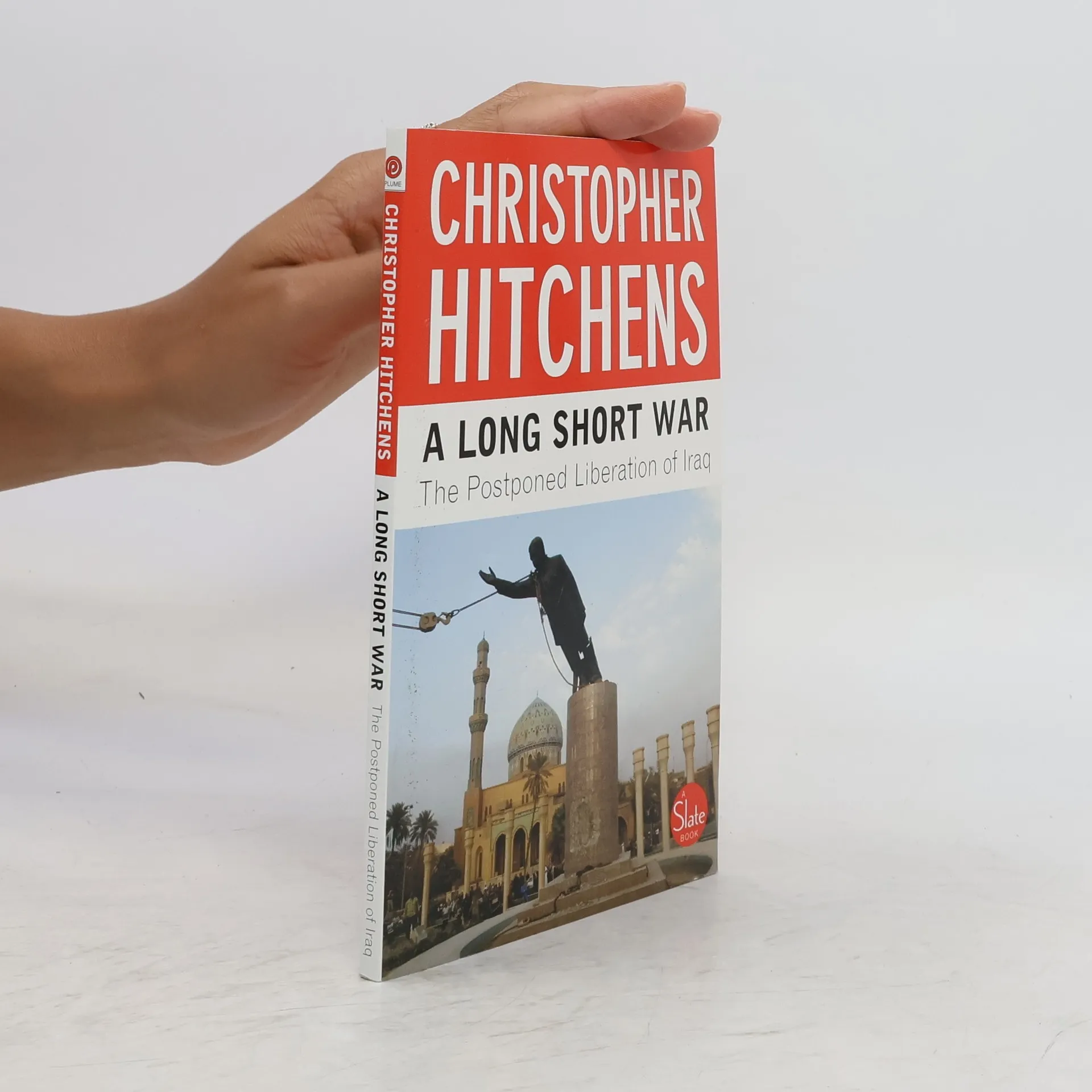
Presents an eyewitness account of the 2003 war in Iraq while arguing that the war actually began in 1990 when Saddam Hussein invaded Kuwait, and discusses how the conflict has divided public opinion.
This title presents an assessment of George Orwell's writing, and why it retains its central importance in a modern world. The author argues and defends Orwell's politics and gives an introduction to his work.
Widerwort
- 200 Seiten
- 7 Lesestunden
In dem Buch, das er geboren wurde zu schreiben, inspiriert der Provokateur und Bestsellerautor Christopher Hitchens zukünftige Generationen von Radikalen, Querdenkern, Rebellinnen und Rebellen sowie Dissidenten. Wer könnte besser mit jenen sprechen, die sich in einer konträren Position befinden, als Hitchens, der eine Karriere damit gemacht hat, auf tiefgründige und unterhaltsame Weise zu widersprechen. Dieses Buch erkundet die gesamte Bandbreite der „konträren Positionen“ – vom edlen Dissidenten bis hin zum unnötigen Störenfried. In einer Zeit übermäßig höflicher Debatten, die sich bemühen, einen glücklichen Konsens innerhalb eines zunehmend zentristischen politischen Dialogs zu erreichen, positioniert sich Hitchens bewusst im Gegensatz dazu. Er beklagt den Verlust der Fähigkeiten des dialektischen Denkens, die in der zeitgenössischen Gesellschaft offensichtlich sind. Er erkennt die Bedeutung von Meinungsverschiedenheiten für persönliche Integrität, informierte Diskussionen, echten Fortschritt und sogar für die Demokratie selbst. Epigrammatisch, spritzig, witzig und zeitlos, ist dieses Buch alles, was man von einem mentorhaften Querdenker erwarten würde.
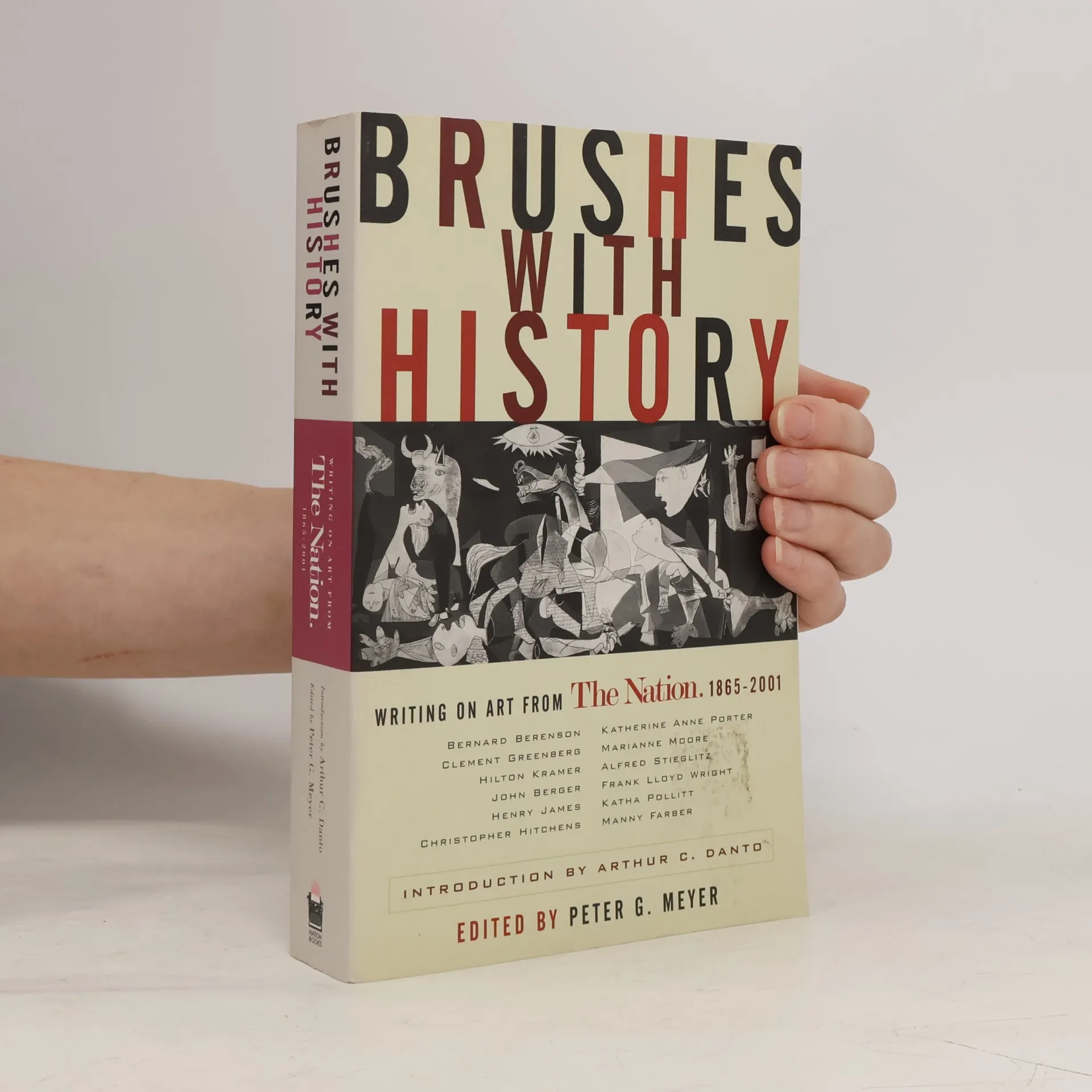
The Nation magazine, since its founding in 1865, began what has become, for better or worse, art criticism as a cultural institution in the United States. This eclectic collection features contributors like Christopher Hitchens on “degenerate art,” Heywood Broun on the Artists Congress of 1936, Katherine Anne Porter on children’s art, Marianne Moore on the death of Nation art critic Paul Rosenfeld, and Langston Hughes on “Negro Art.” The volume also includes contributions from many well-known Stuart Davis, Marsden Harley, Alfred Stieglitz, John Marin, Kenyon Cox, Guy Pene Du Bois, Louis Lozowick, and Frank Lloyd Wright. Celebrated writers on art such as Bernard Berenson, Clement Greenberg, Lawrence Alloway, Hilton Kramer, Max Kozloff, John Berger, and Arthur Danto give readers first-hand accounts of the debuts of artists ranging from John Singer Sargent to Jackson Pollock and Willem deKooning as well as the famous lawsuit between John Ruskin and James McNeill Whistler (reported by a youthful Henry James), the destruction of Diego Rivera’s Rockefeller Center murals and Richard Nixon’s views on art. More recently writers like E.L. Doctorow and Katha Pollitt have weighed in on the recent culture wars over arts funding and free expression.
Eine Lichtgestalt der Diplomatie, einen Superstar der Außenpolitik, ja einen "Weltenlenker" (DIE ZEIT) hat man Henry Kissinger genannt. Kaum ein Außenpolitiker des 20. Jahrhunderts ist mit so überschwenglichen Ruhmesworten gefeiert worden wie Henry Kissinger. Wer bislang Henry Kissinger Vorwürfe zu machen hatte, er habe sich im Zuge seiner heldenhaften Missionen Fehler zu Schulden kommen lassen, hat das zumeist nur hinter vorgehaltener Hand geäußert. Zum ersten Mal hat der englische Journalist Christopher Hitchens anhand bislang verschlossener Quellen den Beweis geführt, dass Kissinger sogar Strafverfolgung verdiene "wegen Kriegsverbrechen, Verbrechen gegen die Menschlichkeit und wegen Verschwörung zu Mord, Entführung und Folter."
Unser Mann in Havanna
- 315 Seiten
- 12 Lesestunden
Mr. James Wormold, ein harmloser, biederer, englischer Kaufmann in mittleren Jahren, der in Kuba - kurz vor der Machtergreifung Castros - eine Staubsauger-Vertretung leitet, wird vom britischen Geheimdienst angeworben, das "karibische Agentennetz" aufzubauen. Er läßt sich darauf ein, unter anderem, um den extravaganten Lebensstil seiner Tochter Seraphina, genannt Milly, zu finanzieren. Weil er jedoch keine Ahnung hat, wie ein Spionagering funktioniert und keine verwertbaren Informationen besitzt, erfindet er diese, schickt fingierte Berichte nach London: Über die Zuckerindustrie, über Unruhen in der Marine, gepfefferte Details aus dem Privatleben hoher Regierungsbeamter. Unverschämt und fröhlich zugleich kassiert er so viele Spesen wie nur möglich, auch jene von erfundenen Agenten. Sein Meisterstück jedoch ist eine Planskizze militärischer Anlagen im Dschungel, die nichts anderes darstellt als einen enorm vergrößerten Staubsauger. Als seine phantastischen Erfindungen schließlich aufgedeckt werden, gerät unglücklicherweise Mr. Wormolds Phantasiewelt sehr bald mit der Wirklichkeit in Konflikt. Um einer internationalen Blamage zu entgehen, stellt der britische Geheimdienst ihn letztlich zur Fortbildung seiner Mitglieder ein.
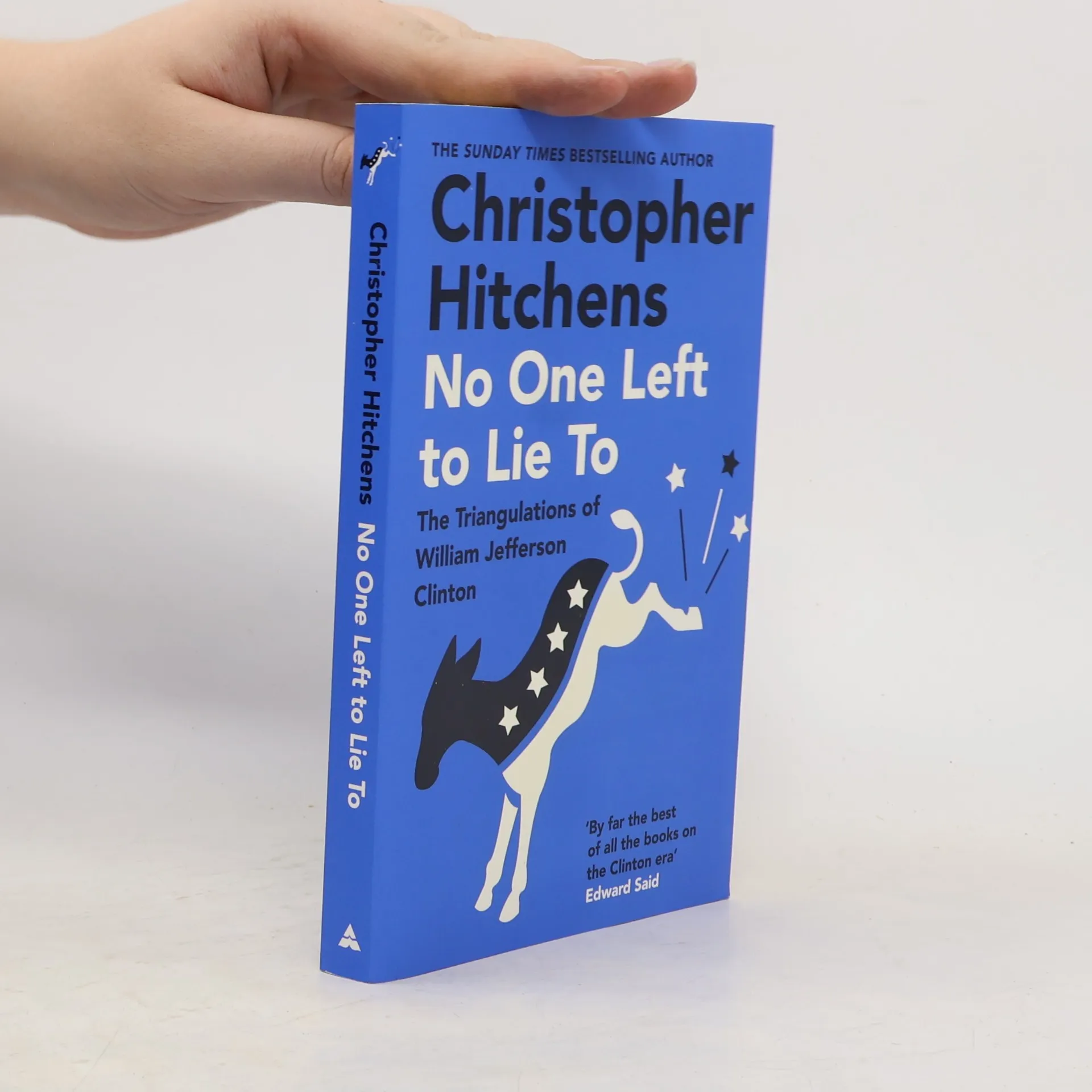
No One Left to Lie To
- 240 Seiten
- 9 Lesestunden
Ten years since the death of the world-renowned and controversial intellectual, this stylish edition is one of twelve commemorating Christopher Hitchens' most wry and provocative works.
For the Sake of Argument
- 480 Seiten
- 17 Lesestunden
Ten years since the death of the world-renowned and controversial intellectual, this stylish edition is one of twelve commemorating Christopher Hitchens' most wry and provocative works.
Blood, Class and Empire
- 432 Seiten
- 16 Lesestunden
Ten years since the death of the world-renowned and controversial intellectual, this stylish edition is one of twelve commemorating Christopher Hitchens' most wry and provocative works.
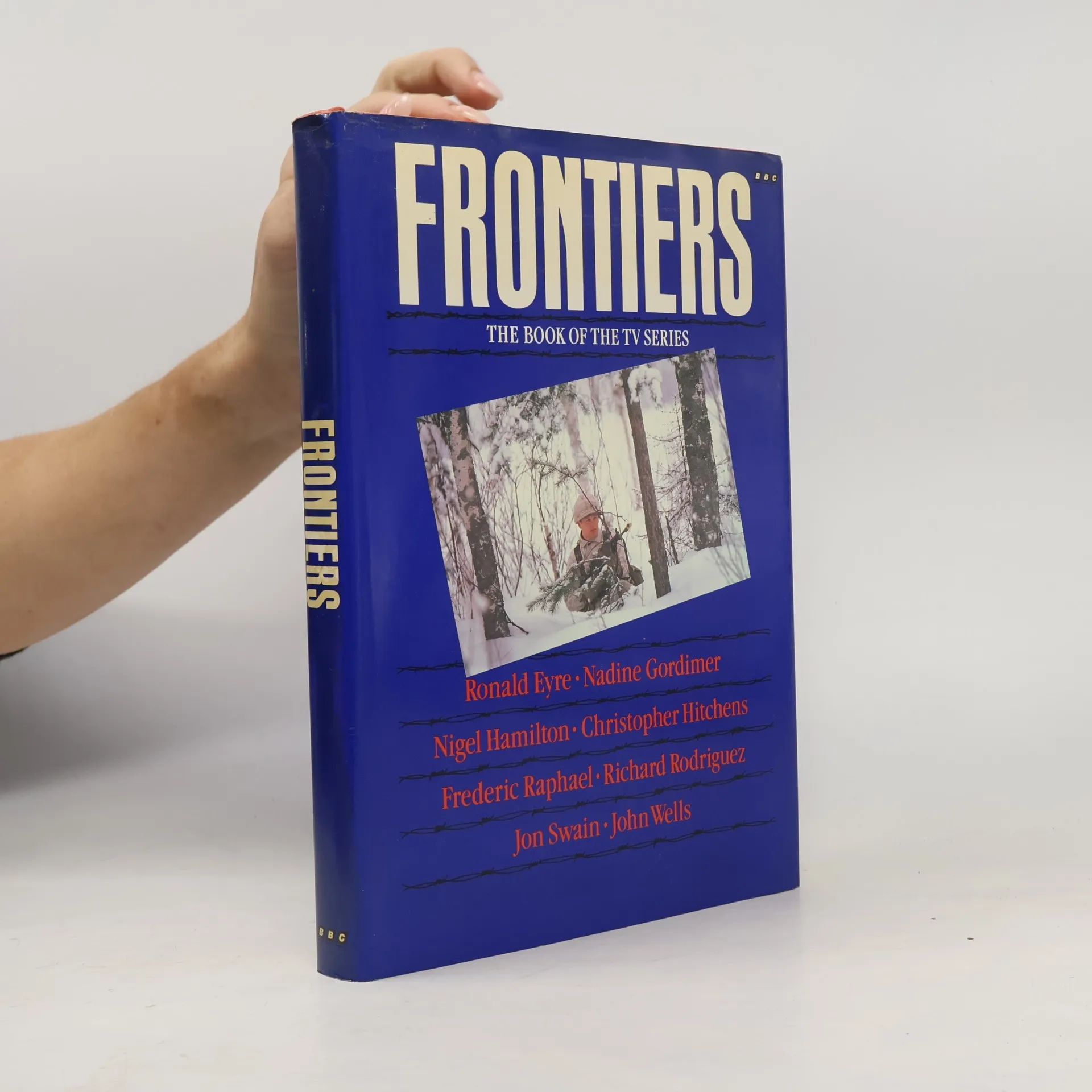
A variety of contributors write about the great dividing lines that cut off one people from another and mark the barriers between culture, language, religion and race. Some frontiers follow natural features such as rivers or mountain ranges, whilst others are the results of recent wars or old imperial bargains, but they are all man-made. Novelist and playwright Frederic Raphael explores the Pyrenees, the frontier between France and Spain. John Wells, the writer and actor, goes to the Iron Curtain to meet both East and West Germans. Award-winning South African author Nadine Gordimer visits the war-torn border area between Mozambique and South Africa. Richard Rodriguez, associate editor at Pacific News Service in San Francisco, investigates the meeting of First and Third World on the US/Mexican border. Ronald Eyre, who wrote and presented the BBC TV series "Seven Ages", meets those living on both sides of the border in Ireland, and finds cause for hope as well as despair. Nigel Hamilton, biographer of Montgomery, visits the hitherto relatively unknown boundary between Russia and Finland. The "Sunday Times" South-East Asia correspondent Jon Swain travels to the Thai/Combodian border where thousands of Cambodian refugees have been stranded for over ten years. Finally Christopher Hitchens, Washington columnist for "Nation" magazine and "Harpers", talks to Greek and Turkish Cypriots living on either side of Cyprus.