

Light in the Dark is the culmination of Gloria E. Anzaldua's mature thought and the most comprehensive presentation of her philosophy. Focusing on aesthetics, ontology, epistemology, and ethics, it contains several developments in her many important theoretical contributions.
Gloria Anzaldúa Bücher
Gloria E. Anzaldúa war eine Gelehrte der Chicana-Kulturtheorie, der feministischen Theorie und der Queer-Theorie. Ihr bekanntestes Werk basiert lose auf ihrem Leben an der mexikanisch-texanischen Grenze und verwebt ihre lebenslangen Gefühle sozialer und kultureller Ausgrenzung in ihre Arbeit. Ihr Schreiben erforscht die Komplexität von Identität und Zugehörigkeit, insbesondere für diejenigen, die zwischen Kulturen leben. Anzaldúas einzigartiger Ansatz untersuchte neue Formen des Bewusstseins und Schreibens, die Grenzen überschreiten.


Born in the Rio Grande Valley of South Texas, independent scholar and creative writer Gloria E Anzaldua was an internationally acclaimed cultural theorist. Providing a sample of the poetry, prose, fiction, and experimental autobiographical writing that Anzaldua produced, this book demonstrates the breadth and philosophical depth of her work.
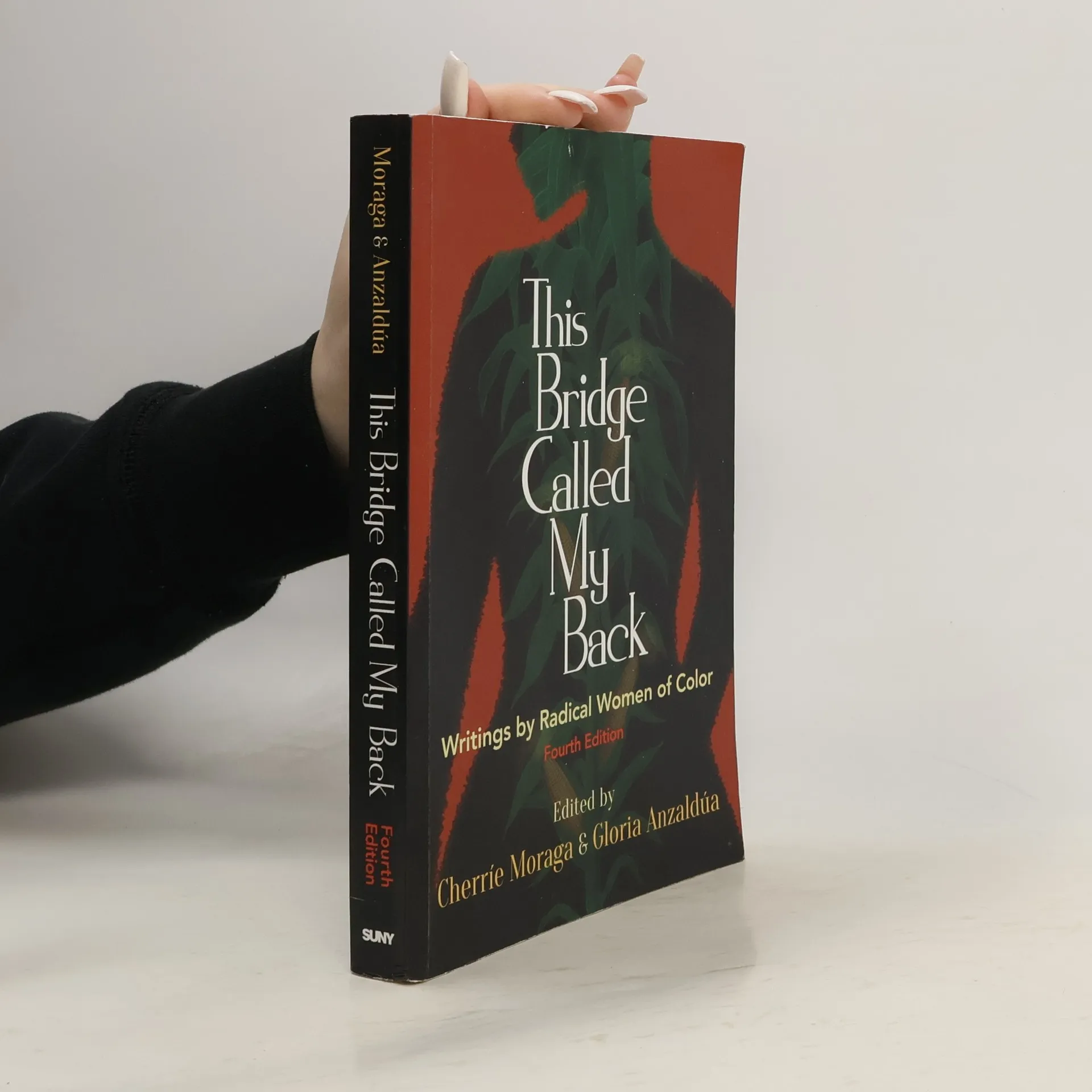
This Bridge Called My Back
Writings by Radical Women of Color - Fourth Edition
- 334 Seiten
- 12 Lesestunden
Originally released in 1981, This Bridge Called My Back is a testimony to women of color feminism as it emerged in the last quarter of the twentieth century. Through personal essays, criticism, interviews, testimonials, poetry, and visual art, the collection explores, as coeditor Cherríe Moraga writes, “the complex confluence of identities—race, class, gender, and sexuality—systemic to women of color oppression and liberation.” Reissued here, nearly thirty-five years after its inception, the fourth edition contains an extensive new introduction by Moraga, along with a previously unpublished statement by Gloria Anzaldúa. The new edition also includes visual artists whose work was produced during the same period as Bridge , including Betye Saar, Ana Mendieta, and Yolanda López, as well as current contributor biographies. Bridge continues to reflect an evolving definition of feminism, one that can effectively adapt to, and help inform an understanding of the changing economic and social conditions of women of color in the United States and throughout the world.
A bold collection of creative pieces and theoretical essays by women of color. New thought and new dialogue: a book that will teach in the most multiple sense of that word: a book that will be of lasting value to many diverse communities of women as well as to students from those communities. The authors explore a full spectrum of present concerns in over seventy pieces that vary from writing by new talents to published pieces by Audre Lorde, Joy Harjo, Norma Alarcón and Trinh T. Minh-ha. "At one level or another, all the work in the collection seeks to find ways to understand and articulate our multiple identities and senses of place….Making Face/Making Soul is an exciting collection of dynamic, important writings that all women of color and white feminists will learn from, enjoy, and return to again and again and again."—Sojourner "...the pieces are stunning in what they risk and reveal..."—The San Francisco Chronicle
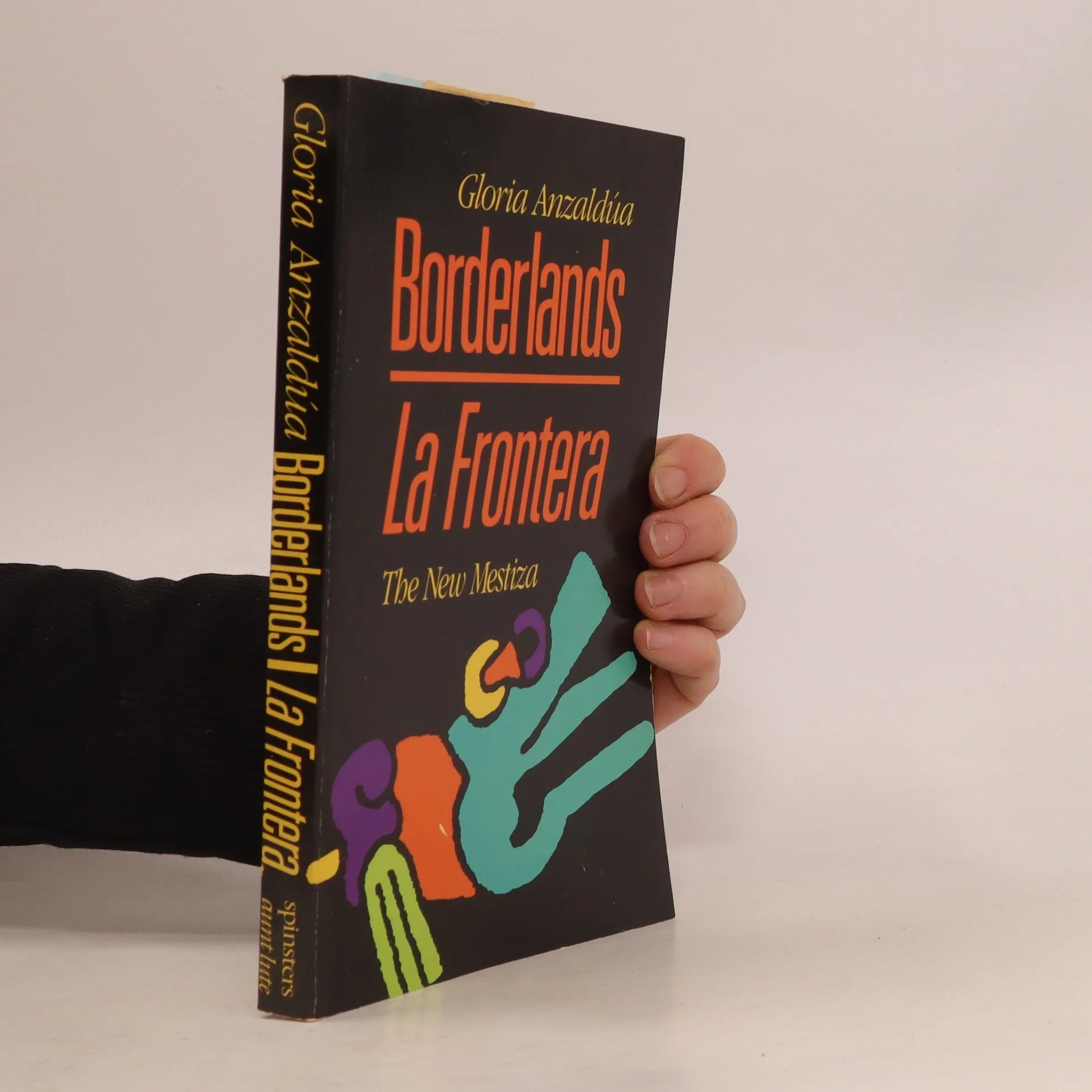
"Rooted in Gloria Anzaldúa's experience as a Chicana, a lesbian, an activist, and a writer, the essays and poems in this volume profoundly challenged, and continue to challenge, how we think about identity. Borderlands/La Frontera remaps our understanding of what a “border” is, presenting it not as a simple divide between here and there, us and them, but as a psychic, social, and cultural terrain that we inhabit, and that inhabits all of us."--BOOK JACKET.
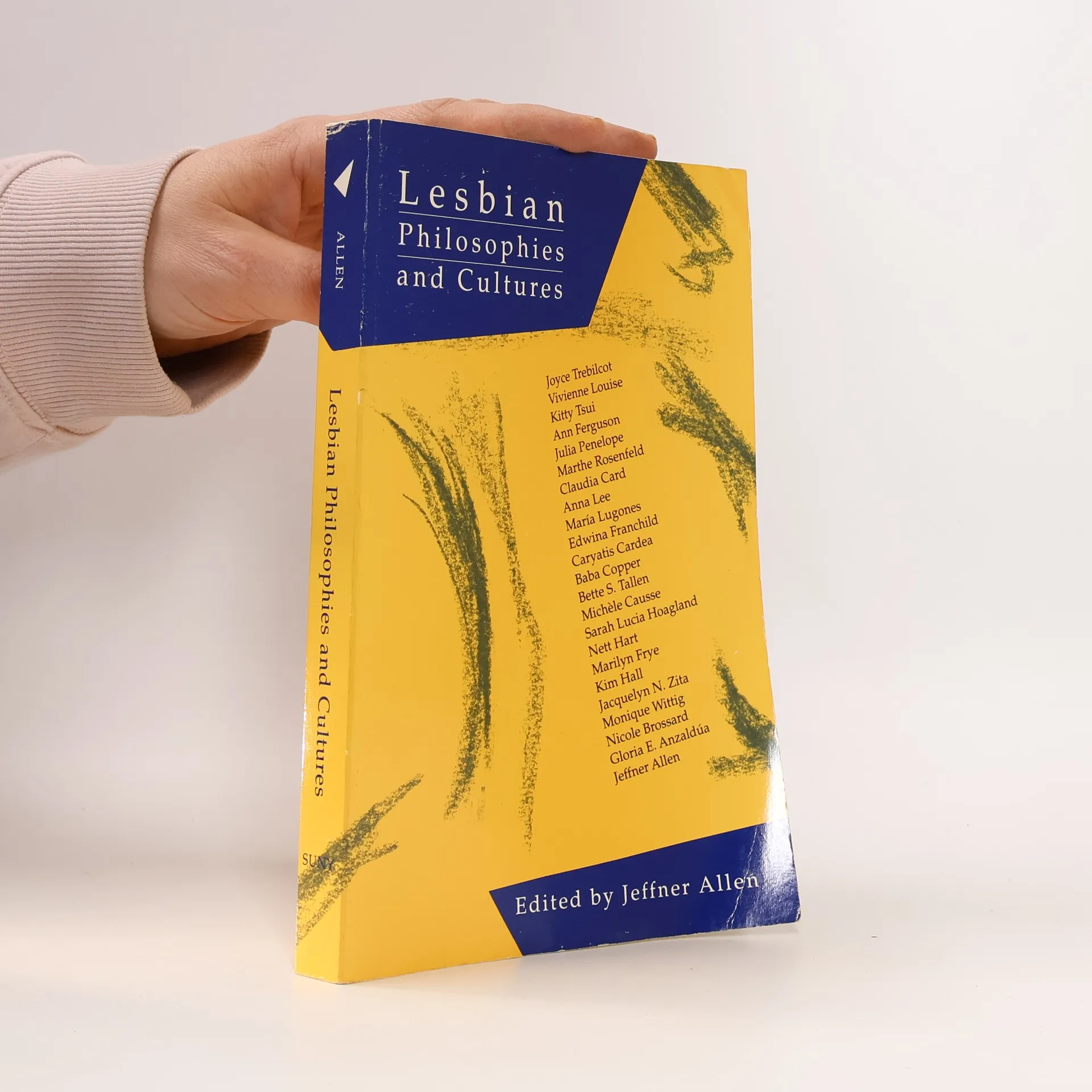
Lesbian Philosophies and Cultures
- 410 Seiten
- 15 Lesestunden
The lesbians who have contributed to this book are theorists and activists who write as members of diverse lesbian cultures. Each lesbian has her ways of knowing, her voices, approaches, methodologies, languages. Each lesbian reflects, directly and indirectly, her relations to her own and to other ethnicities, races, social classes, physical abilities, ages, and nationalities. Each lesbian has distinctive perspectives on lesbian existence, friendships and sexualities, separatism and coalition building, theories of knowledge and ethics, language and writing. Lesbian Philosophies and Cultures is a hybrid site for discussion of, work on, and delight in this sometimes uneasy, sometimes painful, sometimes surprising and wonderful, lesbian pluralism. For this collection, some of the contributors have chosen to write in essay style, and some have chosen to write in fiction, autobiography, poetic prose and experimental forms. The contributors, all of whom live currently in the u.s.a. or quebec, are: Joyce Trebilcot, Vivienne Louise, Kitty Tsui, Ann Ferguson, Julia Penelope, Marthe Rosenfeld, Claudia Card, Anna Lee, Maria Lugones, Edwina Franchild, Caryatis Cardea, Baba Copper, Bette S. Tallen, Michele Causse, Sarah Lucia Hoagland, Nett Hart, Marilyn Frye, Kim Hall, Jacquelyn N. Zita, Monique Wittig, Nicole Brossard, Gloria E. Anzaldua, Jeffner Allen.