


Mehr zum Buch
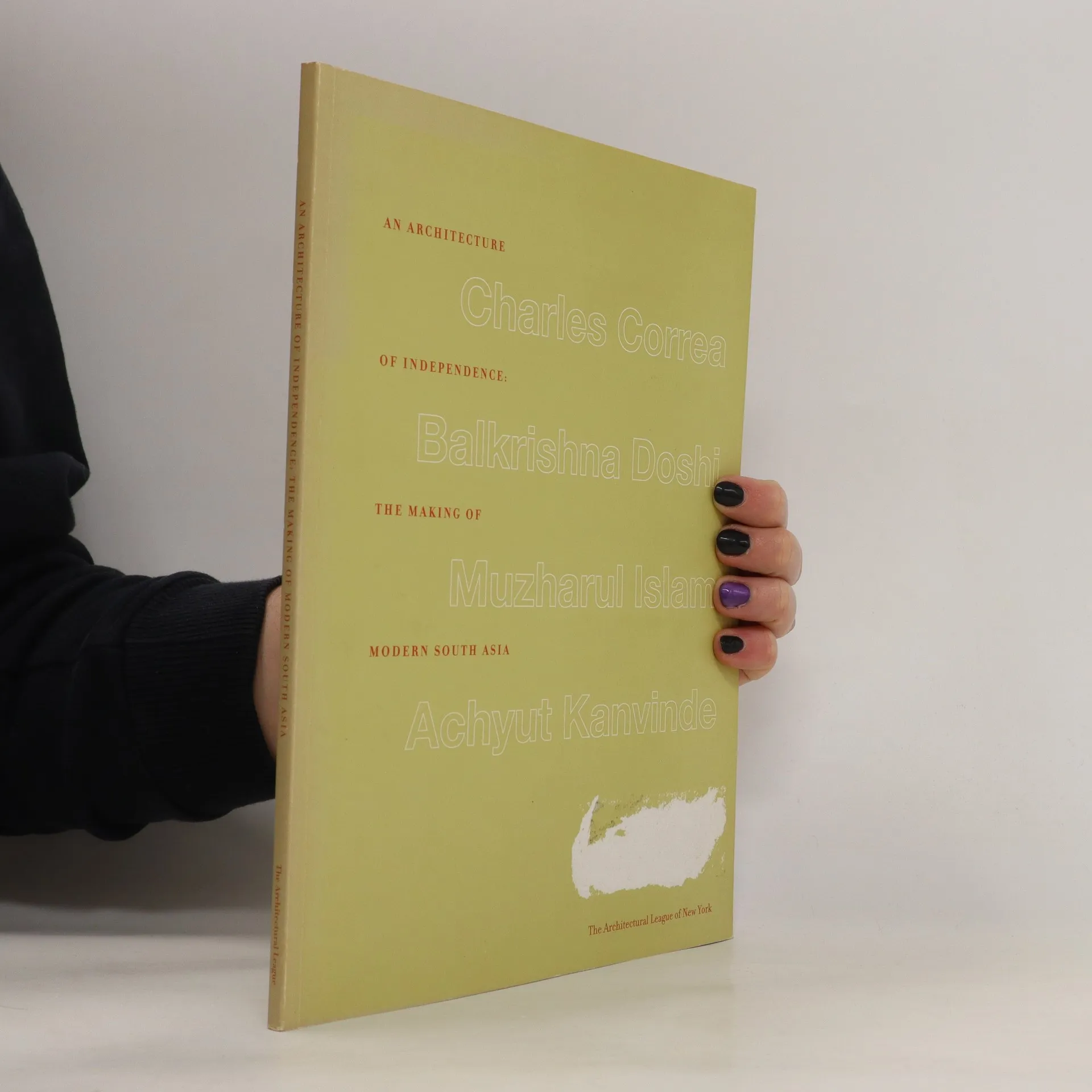
An Architecture of The Making of Modern South Asia presents the work of four pioneering modern architects from the Indian subcontinent—Charles Correa, Balkrishna Doshi, and Achyut Kanvinde of India, and Muzharul Islam of Bangladesh. An introduction by Kenneth Frampton and essays by the editors situate the work of these architects within the intellectual and aesthetic traditions of the subcontinent.?Also included are statements by the architects and documentation of 27 projects, chosen to give a sense of the strategies they have developed for undertakings as diverse as private houses, settlements, major institutional buildings, and even a gallery devoted to the work of one artist. Each of the four has also played a major role in creating the contemporary architectural culture of South Asia, through teaching and influence on important government and cultural policies. Each represents a model of the architect as engaged artist, intellectual, and citizen.
Buchkauf
An Architecture of Independence The Making of Modern South Asia, Kazi K. Ashraf, James Belluardo
- Sprache

- Erscheinungsdatum
- 1998
- Einband
- (Paperback)
Hier könnte deine Bewertung stehen.
- Titel
- An Architecture of Independence The Making of Modern South Asia
- Sprache
- Englisch
- Autor*innen
- Kazi K. Ashraf, James Belluardo
- Erscheinungsdatum
- 1998
- Einband
- Paperback
- Seitenzahl
- 80
- ISBN10
- 0966385608
- ISBN13
- 9780966385601
- Reihe
- Schlagwörter
- Architektur
- Bewertung
- 4,5 von 5 Sternen
- Beschreibung
- An Architecture of The Making of Modern South Asia presents the work of four pioneering modern architects from the Indian subcontinent—Charles Correa, Balkrishna Doshi, and Achyut Kanvinde of India, and Muzharul Islam of Bangladesh. An introduction by Kenneth Frampton and essays by the editors situate the work of these architects within the intellectual and aesthetic traditions of the subcontinent.?Also included are statements by the architects and documentation of 27 projects, chosen to give a sense of the strategies they have developed for undertakings as diverse as private houses, settlements, major institutional buildings, and even a gallery devoted to the work of one artist. Each of the four has also played a major role in creating the contemporary architectural culture of South Asia, through teaching and influence on important government and cultural policies. Each represents a model of the architect as engaged artist, intellectual, and citizen.