

Mehr zum Buch
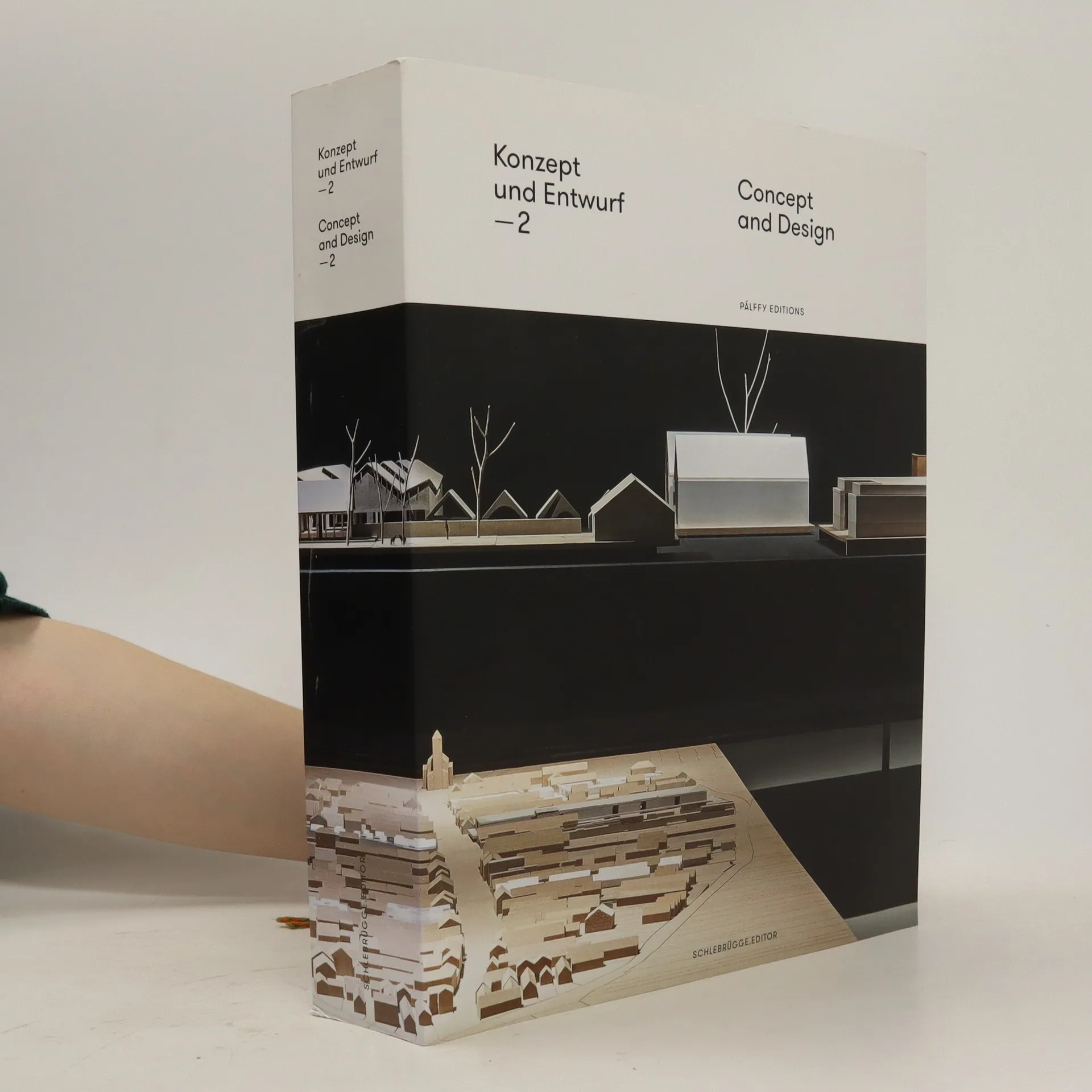
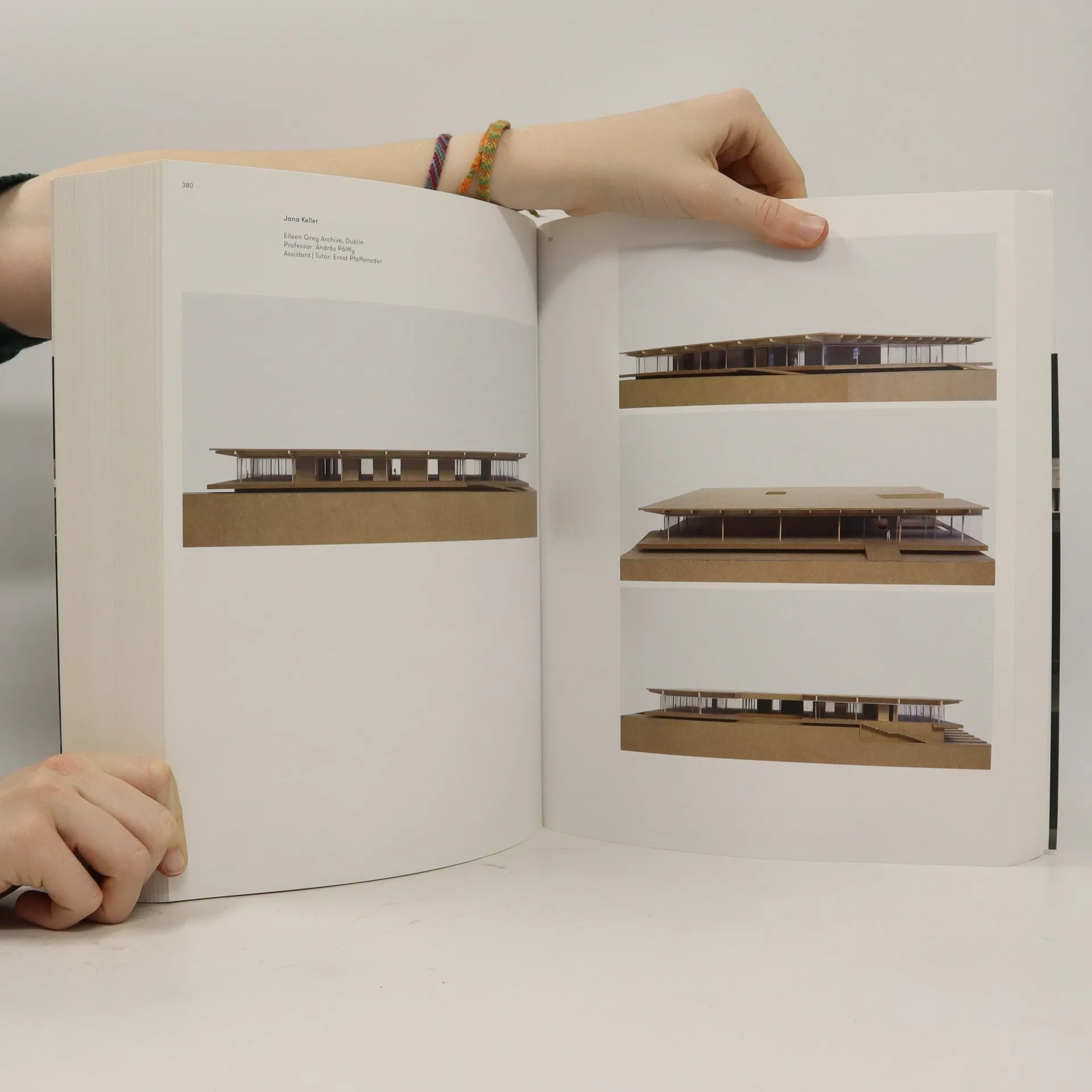
Published as part of the series PÁLFFY EDITIONS by SCHLEBRÜGGE. EDITOR. This is the second comprehensive publication by the Department of Design and Theory of Design, headed by András Pálffy, at the Institute of Architecture and Design at the Vienna University of Technology. It presents the results of student projects dedicated to a variety of subject matter. This time arranged according to seven geographic locations, ranging from Sardinia (Cala Domestica), Naples (Vico Giganti) and Friuli (Verzegnis) to Berlin (Reichpietschufer) and Glasgow (Center for Literature), the students' architectural designs subjected the buildings to a conceptual evolution and addressed potential areas of friction. This publication is lavishly illustrated with the students' sketches and model photographs as well as with historical images and diagrams.
Buchkauf
Konzept und Entwurf 2. Concept and Design 2, András Pálffy
- Sprache


- Erscheinungsdatum
- 2017
- Einband
- (Paperback)
Keiner hat bisher bewertet.
- Titel
- Konzept und Entwurf 2. Concept and Design 2
- Sprache
- Englisch, Deutsch
- Autor*innen
- András Pálffy
- Verlag
- Schlebrügge
- Erscheinungsdatum
- 2017
- Einband
- Paperback
- Seitenzahl
- 632
- ISBN10
- 3903172081
- ISBN13
- 9783903172081
- Reihe
- Schlagwörter
- Architektur
- Beschreibung
- Published as part of the series PÁLFFY EDITIONS by SCHLEBRÜGGE. EDITOR. This is the second comprehensive publication by the Department of Design and Theory of Design, headed by András Pálffy, at the Institute of Architecture and Design at the Vienna University of Technology. It presents the results of student projects dedicated to a variety of subject matter. This time arranged according to seven geographic locations, ranging from Sardinia (Cala Domestica), Naples (Vico Giganti) and Friuli (Verzegnis) to Berlin (Reichpietschufer) and Glasgow (Center for Literature), the students' architectural designs subjected the buildings to a conceptual evolution and addressed potential areas of friction. This publication is lavishly illustrated with the students' sketches and model photographs as well as with historical images and diagrams.