





Mehr zum Buch
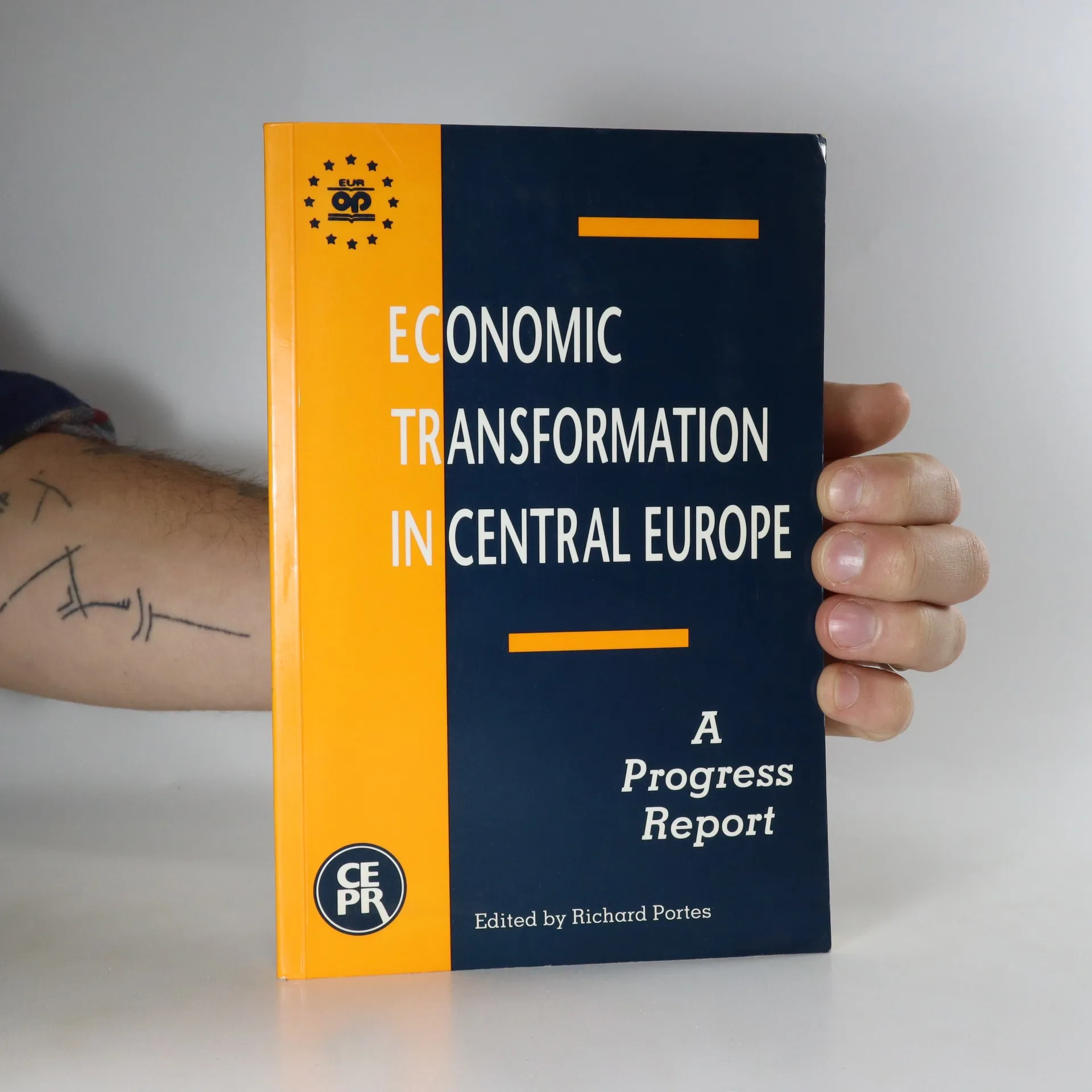
In this volume, the output of a joint project of the Commission of the European Communities and the Centre for Economic Policy Research, leading economists from the former CSFR, Hungary and Poland assess these countries' progress in economic transformation since the revolutions of 1989 and the prospects for their continued growth and integration into the world economy. They also evaluate the economic, social and political implications of the alternative policy proposals currently under discussion in these countries. In an overview chapter, two economists from the Community sum up the analysis of the individual countries, draw lessons from their experience, and set out specific policy guidelines. This book provides an up-to-date assessment of Central Europe's difficult but ultimately positive and rewarding process of economic transformation, in which the European Community has so great a stake. This should command the attention of both policy-makers and analysts.
Buchkauf
Economic transformation in Central Europe, Richard Portes
- Sprache

- Erscheinungsdatum
- 1994
- Einband
- (Paperback)
Keiner hat bisher bewertet.
- Titel
- Economic transformation in Central Europe
- Sprache
- Englisch
- Autor*innen
- Richard Portes
- Erscheinungsdatum
- 1994
- Einband
- Paperback
- Seitenzahl
- 294
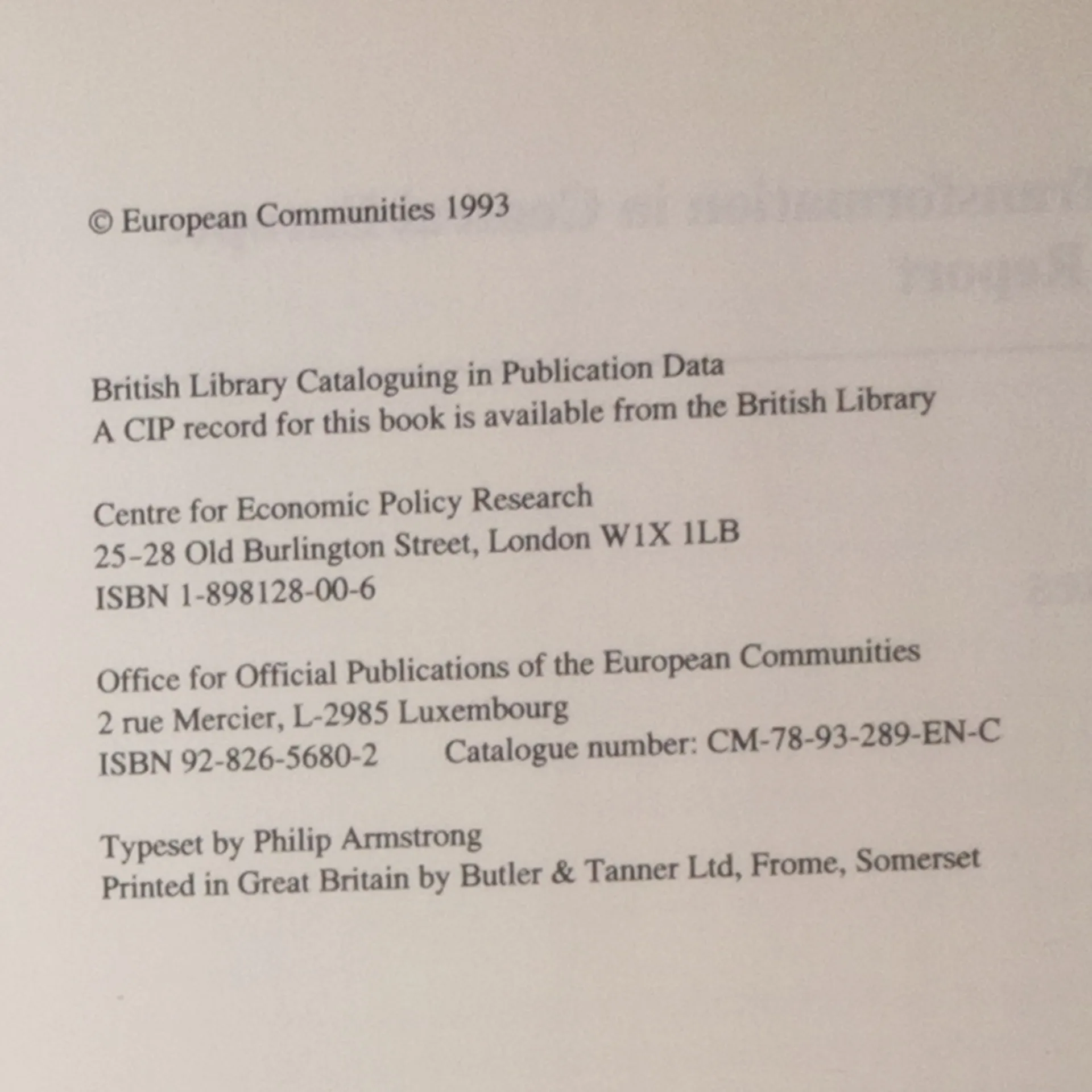
- ISBN10
- 1898128006
- ISBN13
- 9781898128007
- Reihe
- Kategorien
- Schlagwörter
- Handel
- Beschreibung
- In this volume, the output of a joint project of the Commission of the European Communities and the Centre for Economic Policy Research, leading economists from the former CSFR, Hungary and Poland assess these countries' progress in economic transformation since the revolutions of 1989 and the prospects for their continued growth and integration into the world economy. They also evaluate the economic, social and political implications of the alternative policy proposals currently under discussion in these countries. In an overview chapter, two economists from the Community sum up the analysis of the individual countries, draw lessons from their experience, and set out specific policy guidelines. This book provides an up-to-date assessment of Central Europe's difficult but ultimately positive and rewarding process of economic transformation, in which the European Community has so great a stake. This should command the attention of both policy-makers and analysts.