


Mehr zum Buch
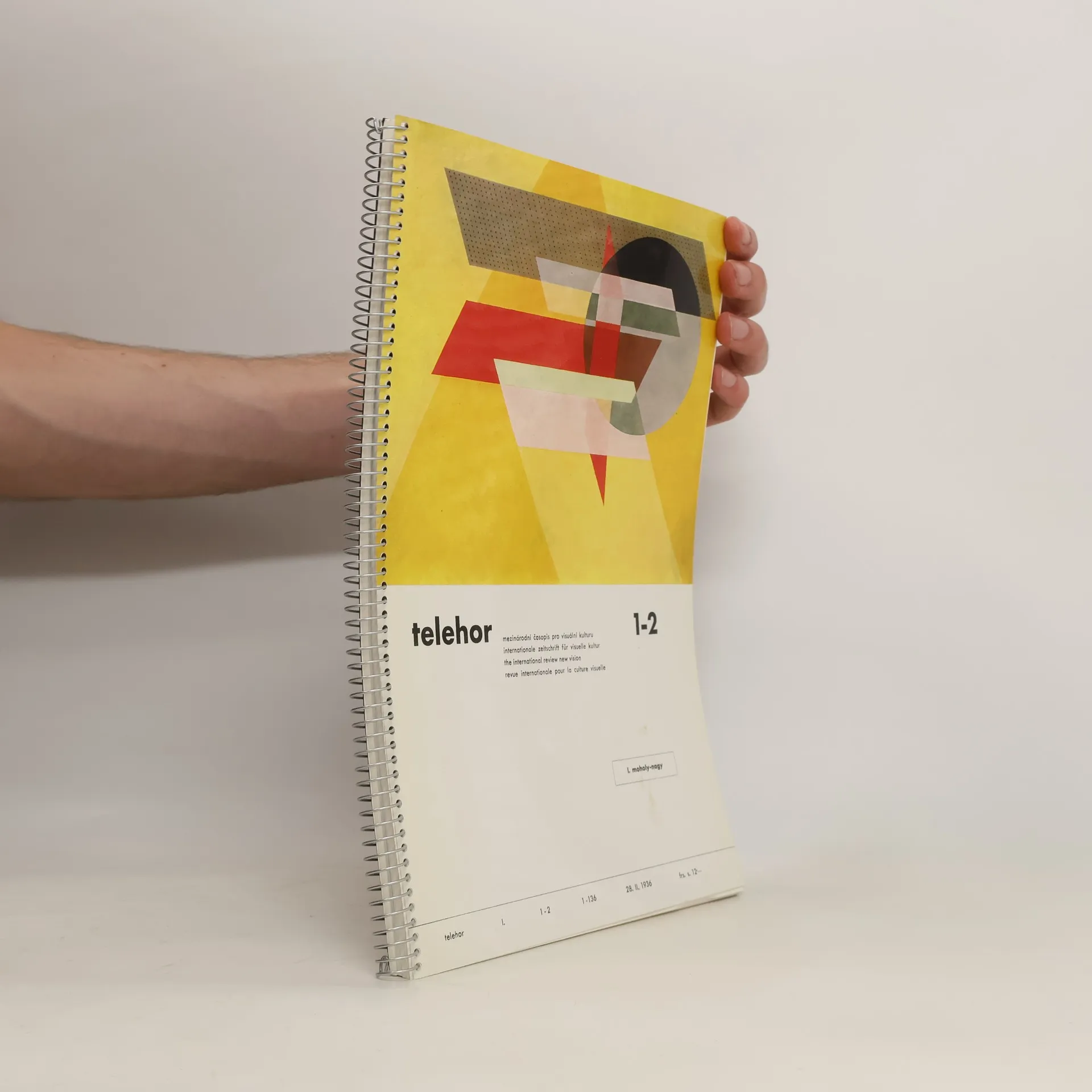
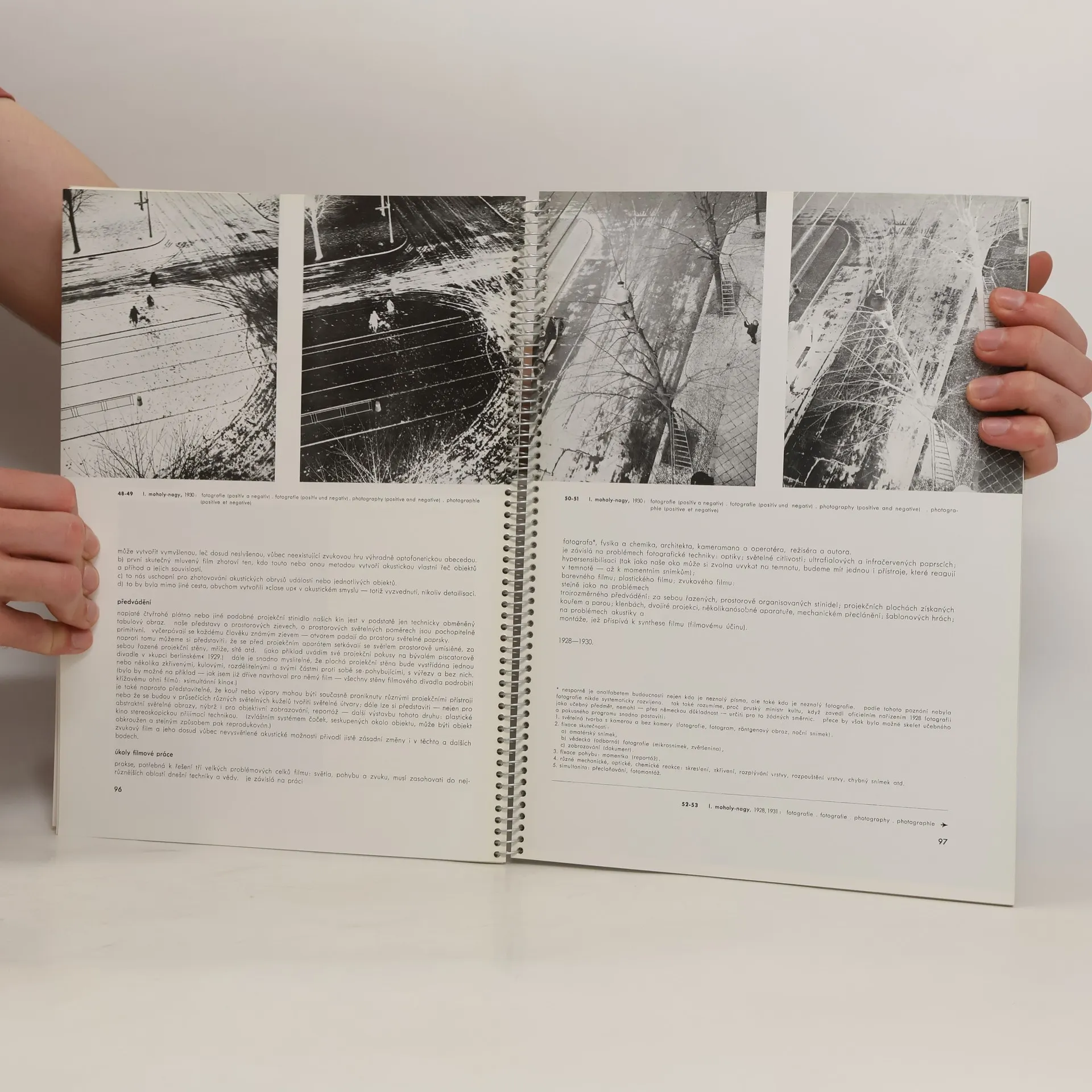
In 1936 the first and only issue of the magazine telehor (Greek for television) was released in four languages, as a special edition on and by Lászlo Moholy-Nagy. To celebrate its 75-year anniversary a facsimile reprint of the magazine will be produced, accompanied by a commentary volume. The reprint makes the magazine accessible again in terms of its artistic and theoretical-historical dimensions. Particular attention has been paid to the production process. Thus the volume appears spiral-bound, an ultramodern technique in the mid-1930s. The commentary contains an editorial statement that places telehor in the context of the art and media of the 1920s and 1930s and unlocks the position of the artistic avant-garde at the intersection of two epochs.
Buchkauf
Telehor 1-2. Internationale Zeitschrift für visuelle Kultur, László Moholy-Nagy
- Sprache




- Erscheinungsdatum
- 2013
- Einband
- (Paperback)
Keiner hat bisher bewertet.
- Titel
- Telehor 1-2. Internationale Zeitschrift für visuelle Kultur
- Sprache
- Tschechisch, Englisch, Deutsch, Französisch
- Autor*innen
- László Moholy-Nagy
- Verlag
- Lars Müller Publishers
- Erscheinungsdatum
- 2013
- Einband
- Paperback
- Seitenzahl
- 138
- ISBN10
- 3037782536
- ISBN13
- 9783037782538
- Reihe
- Kategorien
- Schlagwörter
- Beschreibung
- In 1936 the first and only issue of the magazine telehor (Greek for television) was released in four languages, as a special edition on and by Lászlo Moholy-Nagy. To celebrate its 75-year anniversary a facsimile reprint of the magazine will be produced, accompanied by a commentary volume. The reprint makes the magazine accessible again in terms of its artistic and theoretical-historical dimensions. Particular attention has been paid to the production process. Thus the volume appears spiral-bound, an ultramodern technique in the mid-1930s. The commentary contains an editorial statement that places telehor in the context of the art and media of the 1920s and 1930s and unlocks the position of the artistic avant-garde at the intersection of two epochs.