


Mehr zum Buch
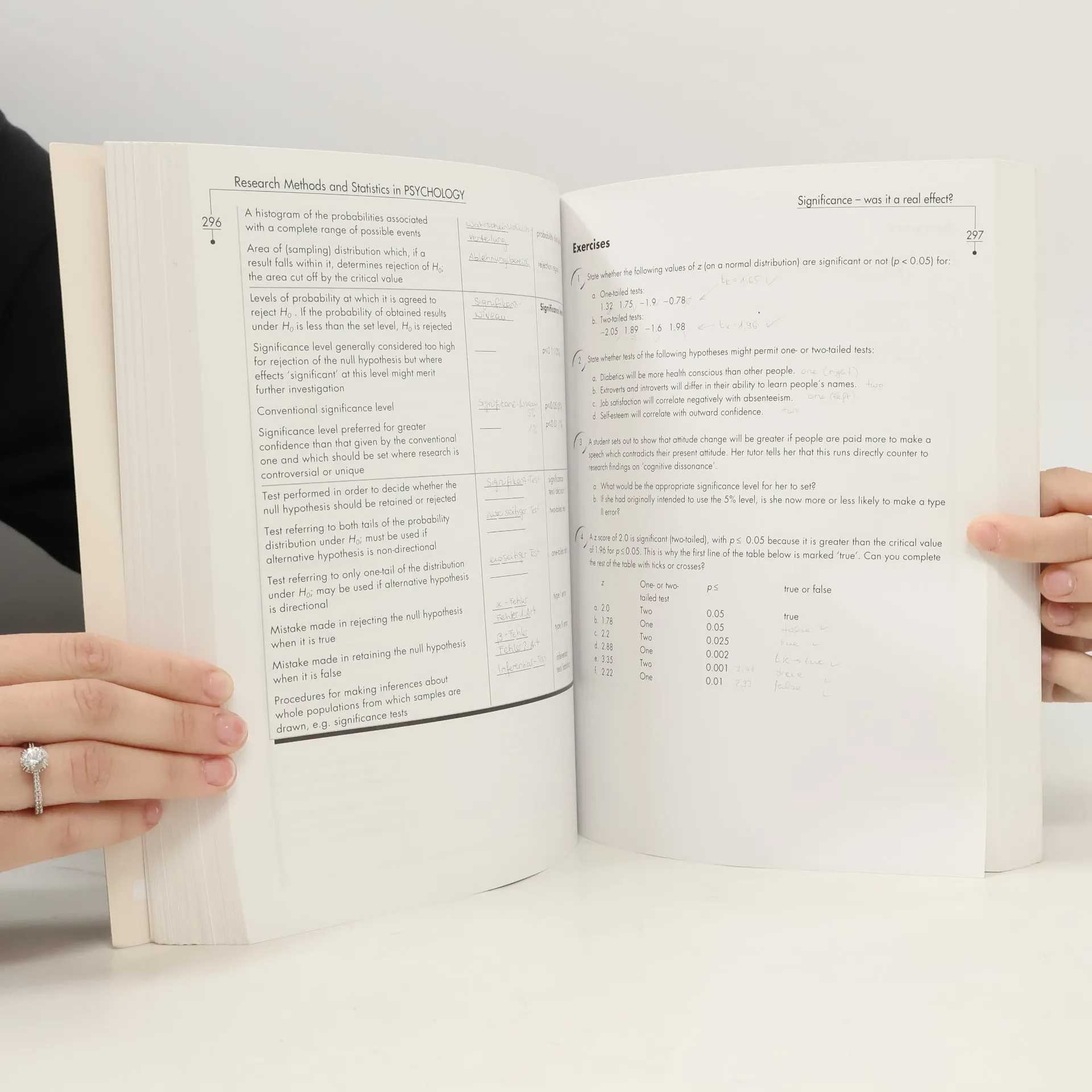
The new edition of this market-leading textbook has been updated and revised to embrace current developments in this area of psychology. Changes to this edition Updated material, for example in the areas of quasi-experiments and qualitative research; improved design and greater use ofdiagrams, making the text easier to follow; structured questions that match the developments in A Level and provide superb opportunities for revision; inclusion of answers to in-text questions, so students can check their progress as they go along; clearer calculation tables -- ideal for those whoare not so good with mathematical concepts; a comparison between a 'good' and 'excellent' report, so students can understand what examiners are looking for; and finally, two synopses of qualitative reports.Above all, this book makes the potentially difficult area of psychology more understandable to its audience.




Buchkauf
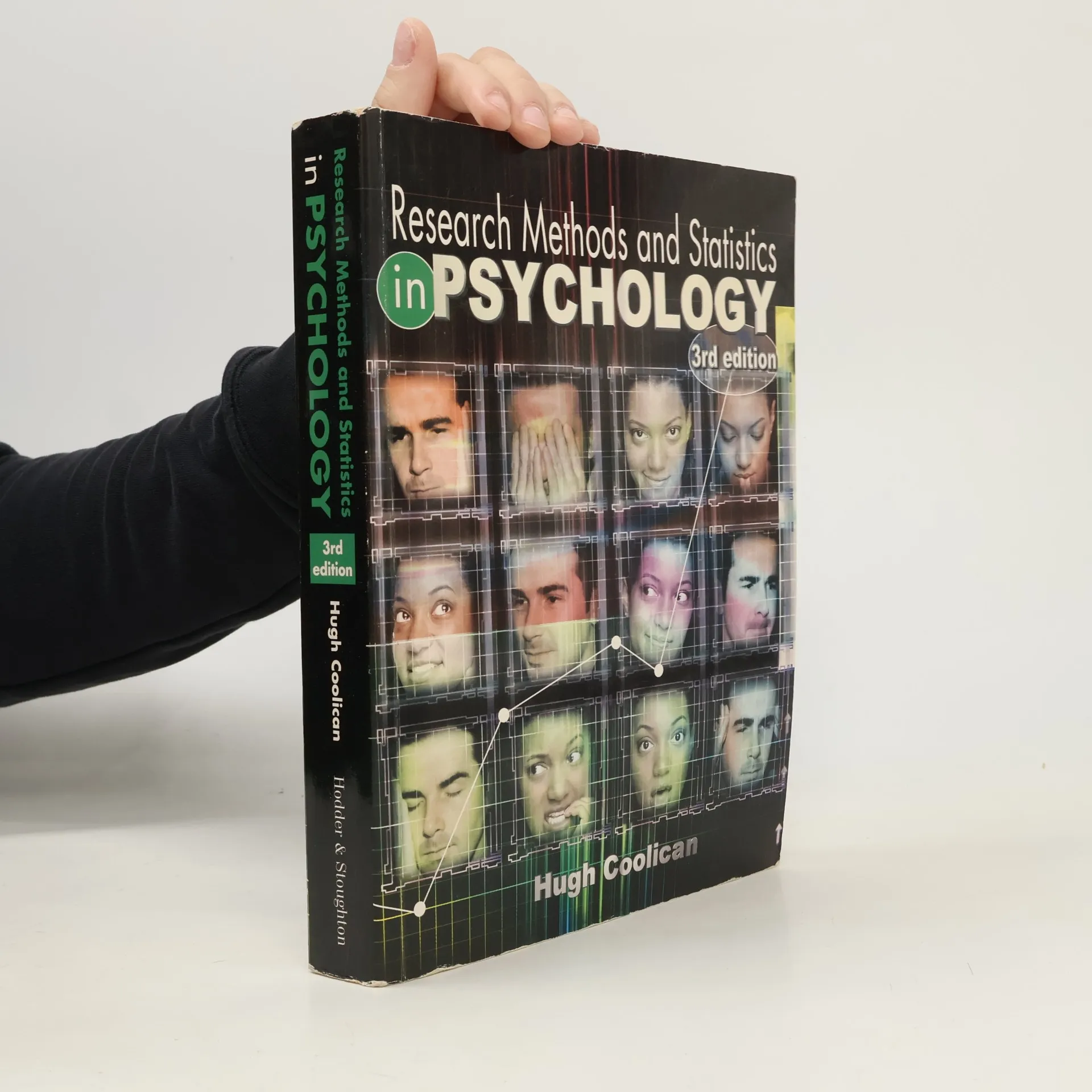
Research Methods and Statistics in Psychology, Hugh Coolican
- Sprache

- Erscheinungsdatum
- 2000
- Einband
- (Paperback),
- Buchzustand
- Gebraucht - Gut
- Preis
- € 6,99
Hier könnte deine Bewertung stehen.
- Titel
- Research Methods and Statistics in Psychology
- Untertitel
- 3rd edition
- Sprache
- Englisch
- Autor*innen
- Hugh Coolican
- Erscheinungsdatum
- 2000
- Einband
- Paperback
- Seitenzahl
- 591
- ISBN10
- 0340747609
- ISBN13
- 9780340747605
- Reihe
- Schlagwörter
- Wissenschaft, Bildung, Forschung
- Bewertung
- 3,5 von 5 Sternen
- Beschreibung
- The new edition of this market-leading textbook has been updated and revised to embrace current developments in this area of psychology. Changes to this edition Updated material, for example in the areas of quasi-experiments and qualitative research; improved design and greater use ofdiagrams, making the text easier to follow; structured questions that match the developments in A Level and provide superb opportunities for revision; inclusion of answers to in-text questions, so students can check their progress as they go along; clearer calculation tables -- ideal for those whoare not so good with mathematical concepts; a comparison between a 'good' and 'excellent' report, so students can understand what examiners are looking for; and finally, two synopses of qualitative reports.Above all, this book makes the potentially difficult area of psychology more understandable to its audience.