

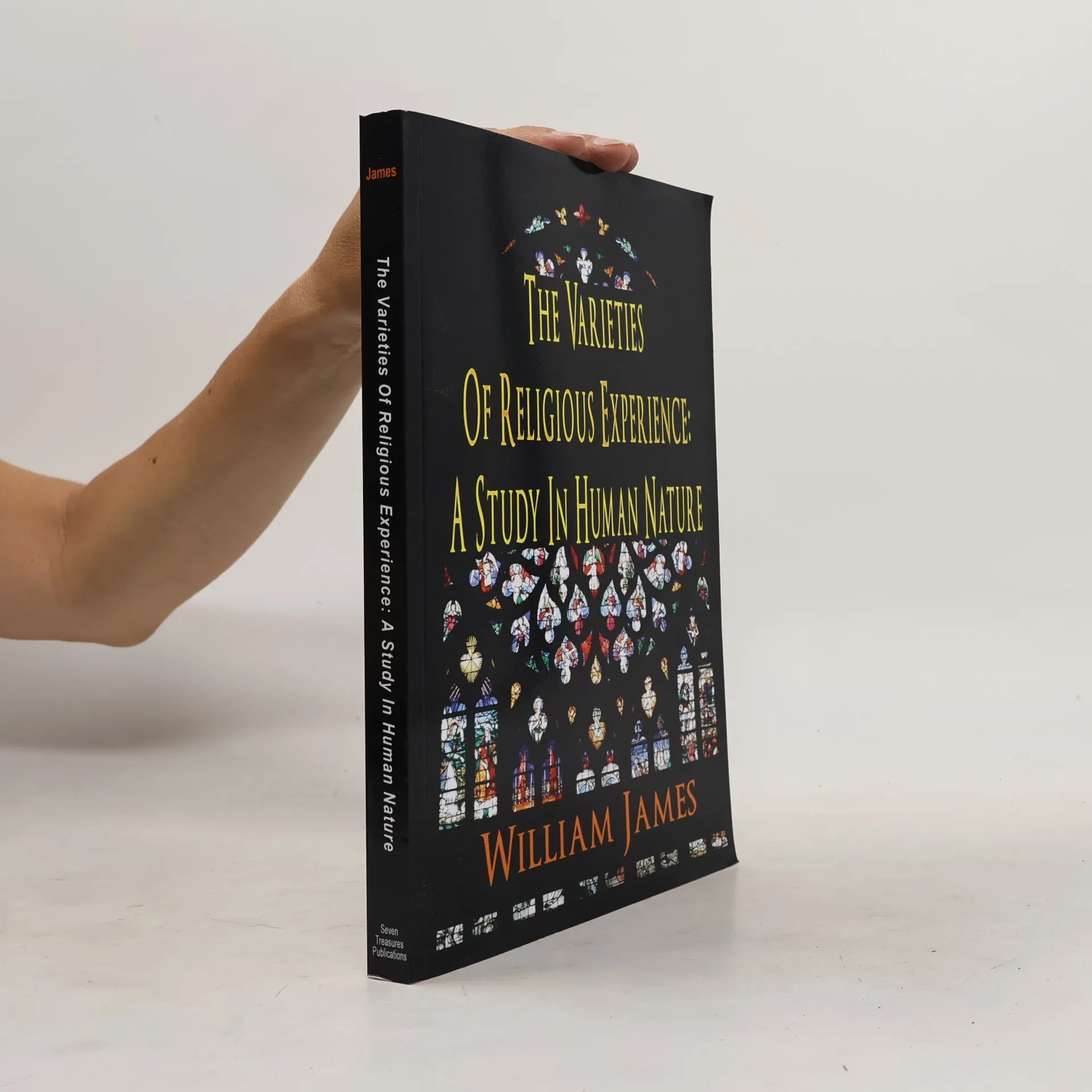


The Varieties of Religious Experience
A Study in Human Nature
Autor*innen
Buchbewertung
Mehr zum Buch
The author, a psychologist rather than a theologian or scholar of religion, finds the religious tendencies of humans to be as intriguing as any aspect of their mental makeup. In 1901, during a series of lectures at the University of Edinburgh on "natural religion," he defined religion as the feelings, acts, and experiences of individuals in solitude, particularly in relation to the divine. This perspective shifts the focus from institutional definitions to personal experiences, leading to a significant exploration of spirituality. The resulting work is regarded as one of the most important texts in psychology and a profound contemplation of spirituality, praised by critics as one of the finest nonfiction works of the 20th century. Through his analytical approach, the author examines religious experiences from diverse sources, proposing a pluralistic framework where the divine encompasses multiple qualities. This perspective promotes an intellectual call for religious tolerance and respect, a message that remains relevant and vital across the decades.

Buchkauf
The Varieties of Religious Experience, William James
- Sprache

- Erscheinungsdatum
- 2009
- Einband
- (Paperback)
Hier könnte deine Bewertung stehen.
- Titel
- The Varieties of Religious Experience
- Untertitel
- A Study in Human Nature
- Sprache
- Englisch
- Autor*innen
- William James
- Erscheinungsdatum
- 2009
- Einband
- Paperback
- Seitenzahl
- 284
- ISBN10
- 1439297274
- ISBN13
- 9781439297278
- Reihe
- Kategorien
- Schlagwörter
- Psychologische Thematik, Religiöse Themen, Philosophisches Thema, Spiritualität, Theologie
- Bewertung
- 4,65 von 5 Sternen
- Beschreibung
- The author, a psychologist rather than a theologian or scholar of religion, finds the religious tendencies of humans to be as intriguing as any aspect of their mental makeup. In 1901, during a series of lectures at the University of Edinburgh on "natural religion," he defined religion as the feelings, acts, and experiences of individuals in solitude, particularly in relation to the divine. This perspective shifts the focus from institutional definitions to personal experiences, leading to a significant exploration of spirituality. The resulting work is regarded as one of the most important texts in psychology and a profound contemplation of spirituality, praised by critics as one of the finest nonfiction works of the 20th century. Through his analytical approach, the author examines religious experiences from diverse sources, proposing a pluralistic framework where the divine encompasses multiple qualities. This perspective promotes an intellectual call for religious tolerance and respect, a message that remains relevant and vital across the decades.