

Parameter
Mehr zum Buch
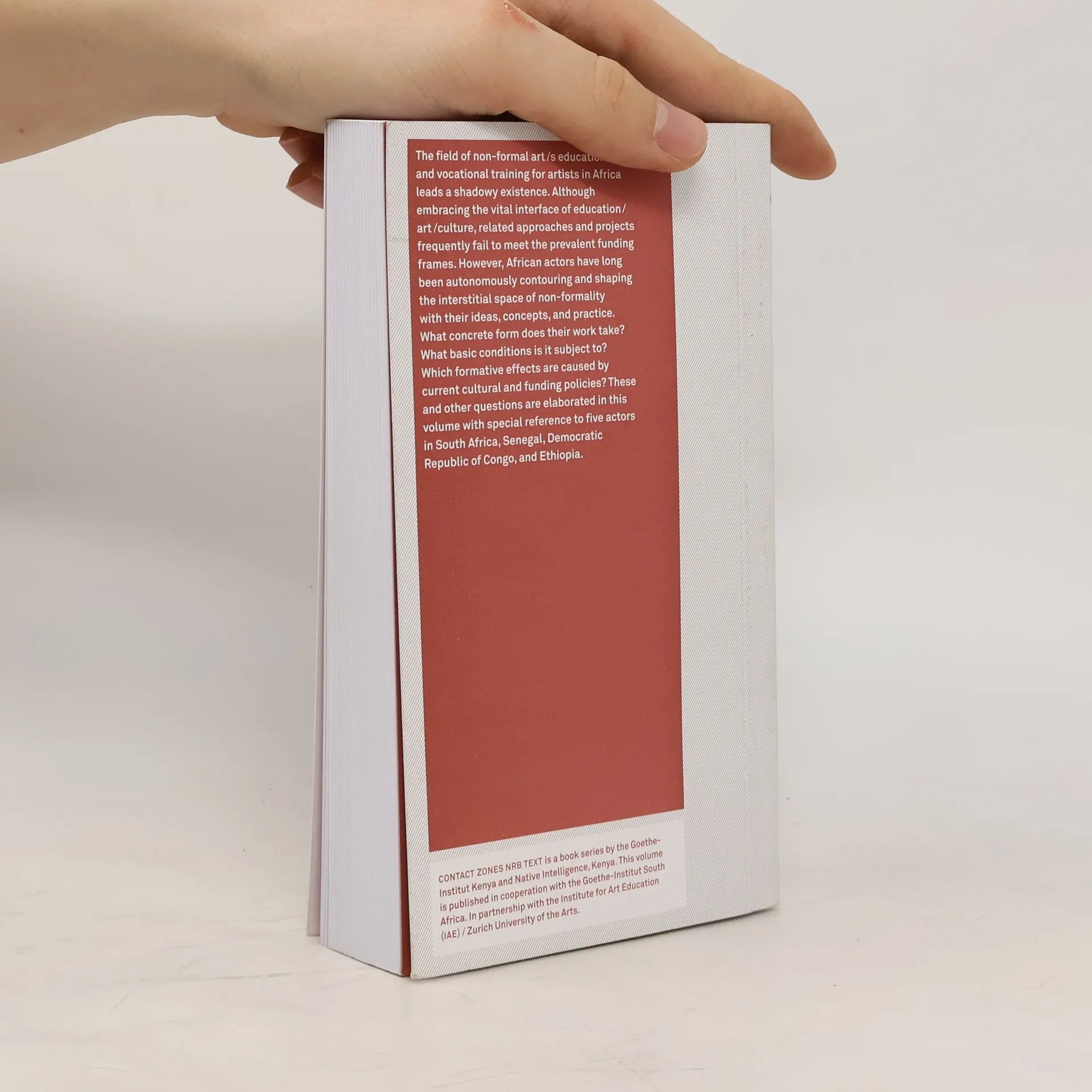
The field of non-formal education and professionalization of artists in Africa remains in the shadows. Although it is situated at the significant intersection of education, art, and culture, corresponding approaches and projects often fall outside conventional funding frameworks. Nevertheless, African actors have long been in the process of independently contouring and shaping this interstitial field through their ideas, concepts, and practices. What does their work look like in concrete terms? What conditions does it operate under? What effects do current cultural and funding policies have? These questions are explored through the examples of five actors in South Africa, Senegal, the Democratic Republic of Congo, and Ethiopia.
Buchkauf
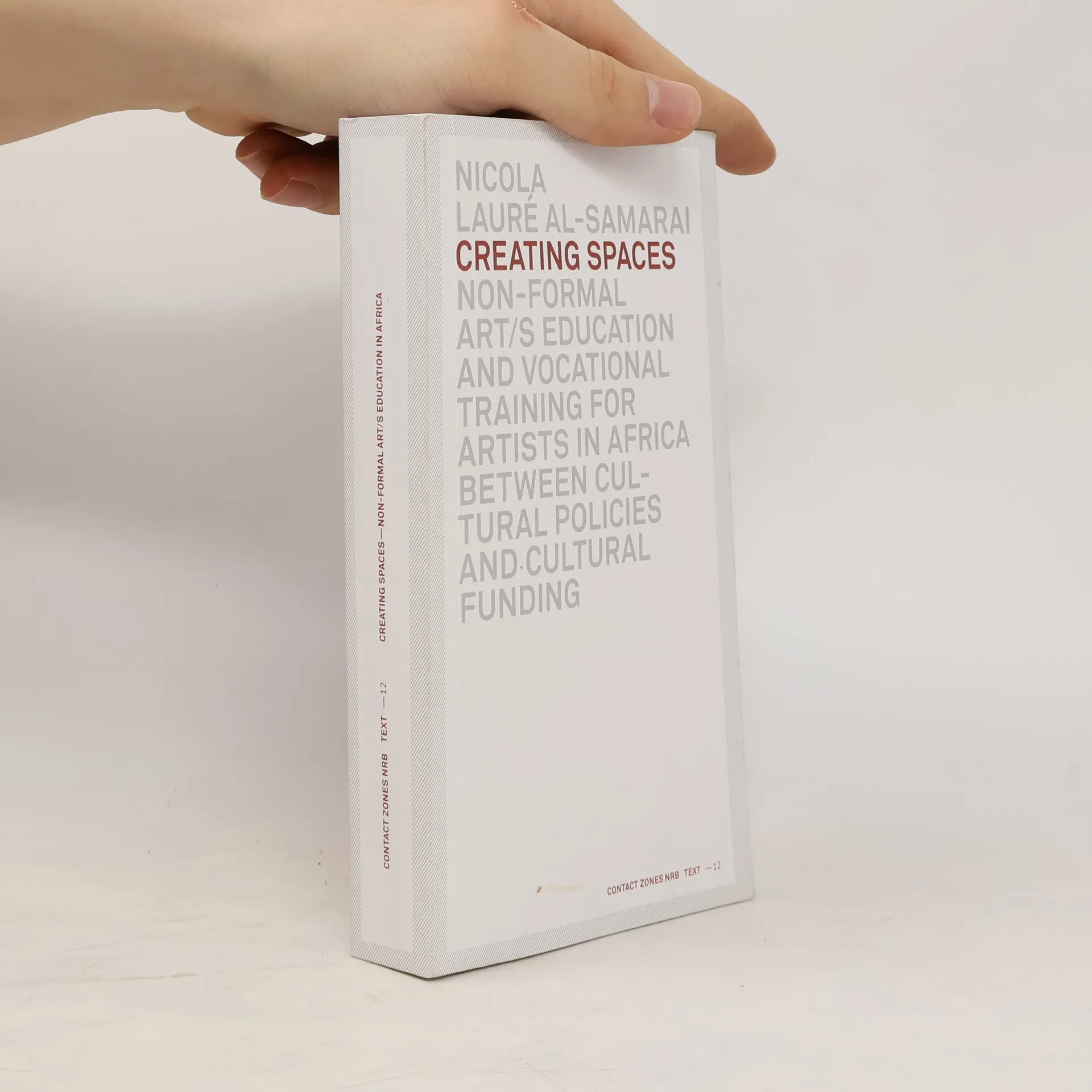
Creating Spaces: Non-Formal Art/s Education and Vocational Training for Artists in Africa Between Cultural Policies and Cultural Funding, Nicola Lauré al-Samarai
- Sprache

- Erscheinungsdatum
- 2014
- Einband
- (Paperback)
Keiner hat bisher bewertet.
- Titel
- Creating Spaces: Non-Formal Art/s Education and Vocational Training for Artists in Africa Between Cultural Policies and Cultural Funding
- Sprache
- Englisch
- Autor*innen
- Nicola Lauré al-Samarai
- Erscheinungsdatum
- 2014
- Einband
- Paperback
- ISBN10
- 9966071008
- ISBN13
- 9789966071002
- Reihe
- Kategorien
- Schlagwörter
- Weltliteratur
- Beschreibung
- The field of non-formal education and professionalization of artists in Africa remains in the shadows. Although it is situated at the significant intersection of education, art, and culture, corresponding approaches and projects often fall outside conventional funding frameworks. Nevertheless, African actors have long been in the process of independently contouring and shaping this interstitial field through their ideas, concepts, and practices. What does their work look like in concrete terms? What conditions does it operate under? What effects do current cultural and funding policies have? These questions are explored through the examples of five actors in South Africa, Senegal, the Democratic Republic of Congo, and Ethiopia.