

In Zeiten von Pandemie und Klimawandel, da die Weltbevölkerung von volatilen Nationalregierungen und transnationalen Konzernen nur auf sehr unzuverlässige Weise repräsentiert und geschützt wird, müsste Institutionen eigentlich eine bedeutende Rolle zukommen. Zu allem Überfluss aber scheint alles Institutionelle an seinen eigenen, schon lange diagnostizierten Unzulänglichkeiten zu laborieren und eher Teil des Problems zu sein, als zur Lösung der vielfältigen Menschheitsherausforderungen beitragen zu können.In seinem neuesten Buch geht Roberto Esposito dem bedrohlich schwindenden Vertrauen in das Wesen von Institutionen auf den Grund und plädiert für eine radikale Revision der Auffassung, wonach scheinbar starre Institutionen und soziale Bewegungen in notwendigem Widerstreit zueinander stünden. Vielmehr gilt es, das Verhältnis von Leben und Politik gänzlich neu zu denken und mit einem affirmativen Blick auf die Kraft des Instituierens die daraus neu erwachsenden Handlungsmöglichkeiten zu erschließen.
Roberto Esposito Bücher
Roberto Esposito ist ein herausragender italienischer Philosoph, dessen Werk sich mit theoretischer Philosophie und politischer Theorie befasst. Seine umfangreichen akademischen Beiträge umfassen Schlüsselpositionen in führenden italienischen und internationalen Institutionen und prägen die Diskurse in seinen Fachgebieten. Esposito beschäftigt sich mit komplexen Fragen des politischen Denkens und trägt durch seine redaktionellen und verlegerischen Tätigkeiten zur Entwicklung dieser Disziplinen bei. Sein Einfluss zeigt sich in seinen Bemühungen, politische und rechtliche Lexika zu definieren und zu verstehen, sowie in seiner Rolle als philosophischer Berater für bedeutende Verlage.


Mai come in questo momento, connotato da una minaccia sempre più pressante e diffusa, la richiesta di immunizzazione sembra caratterizzare tutti gli aspetti della nostra esistenza. Quanto più si sente esposta al rischio di infiltrazione e di contagio da parte di elementi estranei, tanto più la vita dell'individuo e della società si chiude all'interno dei propri confini protettivi. Tuttavia, questa opzione immunitaria ha un prezzo assai alto: come il corpo individuale, anche quello collettivo può essere 'vaccinato' dal male che lo insidia soltanto attraverso la sua immissione preventiva e controllata. Ciò vuol dire che, per sfuggire alla presa della morte, la vita è costretta a incorporarne il principio. A sacrificare la 'forma' del vivente alla sua semplice sopravvivenza biologica. Ormai questo meccanismo dialettico tra conservazione e negazione della vita sembra pervenuto a un punto limite: al di là del quale si apre la drammatica alternativa tra un esito autodistruttivo e una possibilità ancora inedita che ha al centro un nuovo pensiero della comunità. In questo libro che intreccia il lessico giuridico e politico con quello teologico, antropologico e biologico, Roberto Esposito indica un modo nuovo di fare filosofia come pratica radicalmente mondana.
Instituting Thought
- 264 Seiten
- 10 Lesestunden
This new book by the Italian philosopher Roberto Esposito addresses the profound crisis of contemporary politics and examines some of the philosophical approaches that have been used to try to understand and go beyond this crisis. Two approaches have been particularly influential – one indebted to the thought of Martin Heidegger, the other indebted to Gilles Deleuze. While opposed in their political thrust and orientation, both approaches remain trapped within the political ontology that has framed our conceptual language for some time. In order to move beyond this political ontology, Esposito turns to a third approach that he characterizes as ‘instituting thought’. Indebted to the work of the French political philosopher Claude Lefort, this third approach recognizes that the road to reconstructing a productive relation between ontology and politics, one that is both realistic and innovative, lies in instituting praxis. Building on this insight, Esposito conceptualizes social being as neither univocal nor plurivocal but as cross-cut by the dual semantics of political conflict. This new book by one of the most original European philosophers writing today will be of great interest to students and scholars in philosophy, social and political theory and the humanities generally.
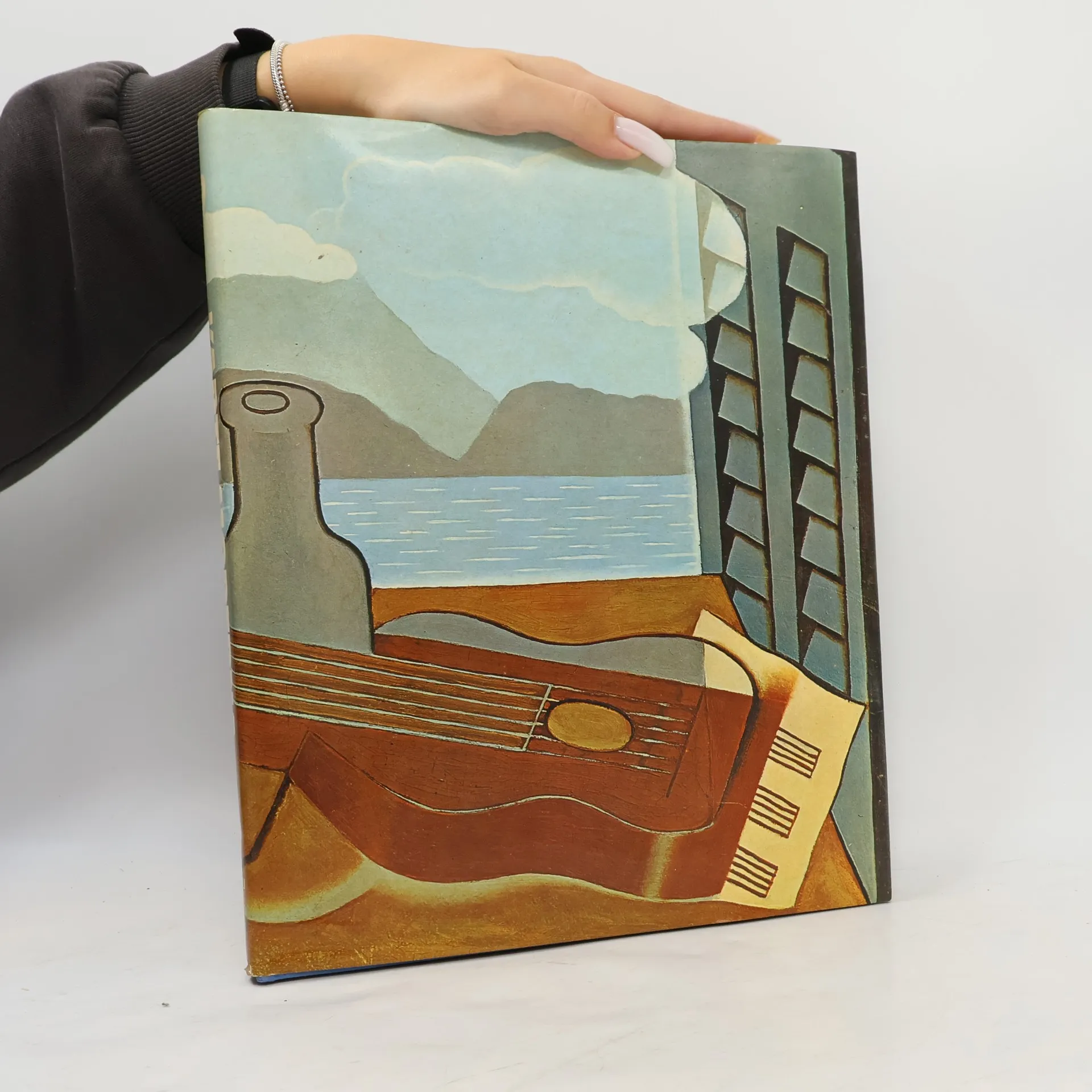
L'Arte Moderna IX.
Tra le due guerre – Il rapporto di cultura e realtà
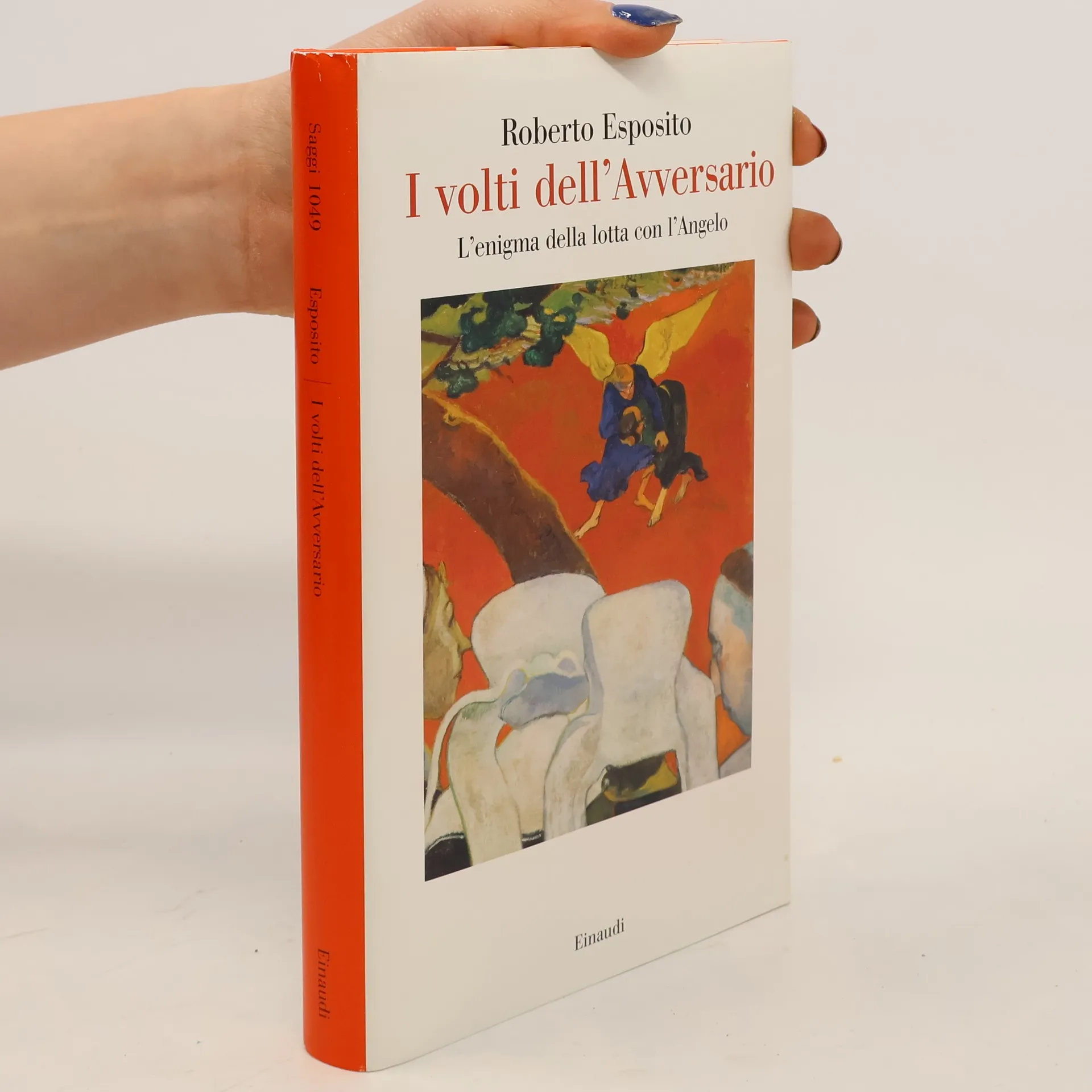
Saggi - 1049: I volti dell'Avversario. L'enigma della lotta con l'Angelo
- 224 Seiten
- 8 Lesestunden