

Marion von Osten Bücher
Marion von Osten ist eine Künstlerin und Theoretikerin, die kulturelle Produktion in postkolonialen Gesellschaften erforscht. Ihre Arbeit befasst sich mit dem Selbst und der Steuerung von Mobilität, wobei sie eine breite Palette von Medien von Ausstellungen und Installationen bis hin zu Video und Text nutzt. Von Osten verbindet kuratorische, künstlerische und theoretische Ansätze, um die Moderne und ihre Auswirkungen kritisch zu untersuchen. Ihre Forschung und künstlerische Praxis zeichnen sich durch ein tiefes Interesse daran aus, wie soziale und politische Strukturen durch kulturelle Ausdrucksformen geformt werden.
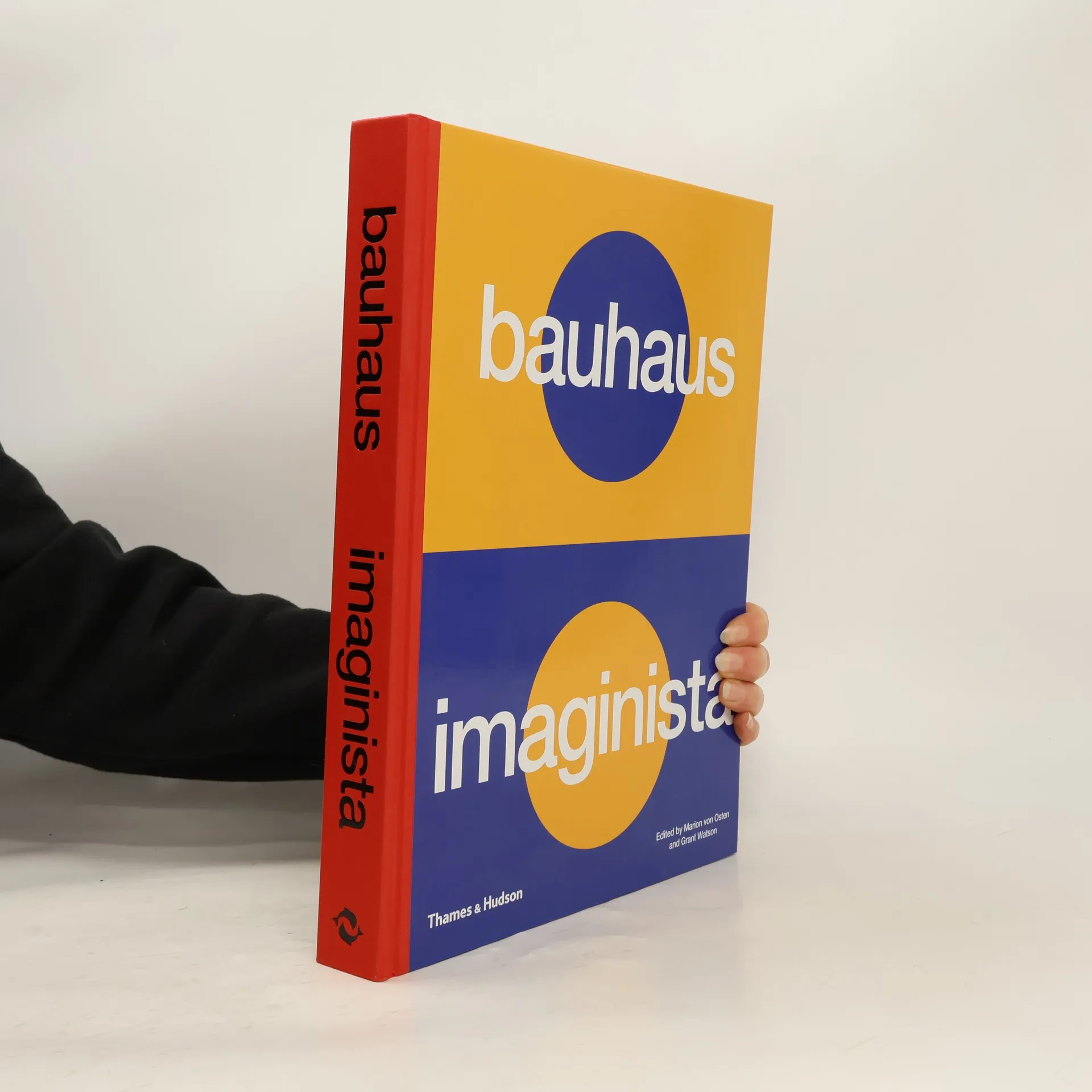
Bauhaus Imaginista
- 312 Seiten
- 11 Lesestunden
Featuring the latest research commissioned on the occasion of the Bauhaus centenary, this book explores the global influence of the renowned Bauhaus school of arts and its famed artists. Bauhaus Imaginista marks the centennial anniversary of this fascinating and popular school of art, which championed the idea of artists working together as a community. The Bauhaus reconnected art with everyday life and was active in the fields of architecture, performance, design, and visual art. Founded by Walter Gropius, its faculty included such luminaries as Paul Klee, Wassily Kandinsky, La´szlo´ Moholy-Nagy, and Josef Albers. Placing emphasis on the international dissemination and reception of the Bauhaus, this book expresses the Bauhaus’ influence, philosophy, and history beyond Germany. Rethinking the school from an international perspective, it sets its entanglements against a century of geopolitical change, as many of its artists fled World War II Germany. Bauhaus Imaginista takes readers on a global visual tour of Bauhaus influence from art and design museums to campus galleries and art institutes in India, Japan, China, Russia, Brazil, Berlin, and the United States. 200 illustrations