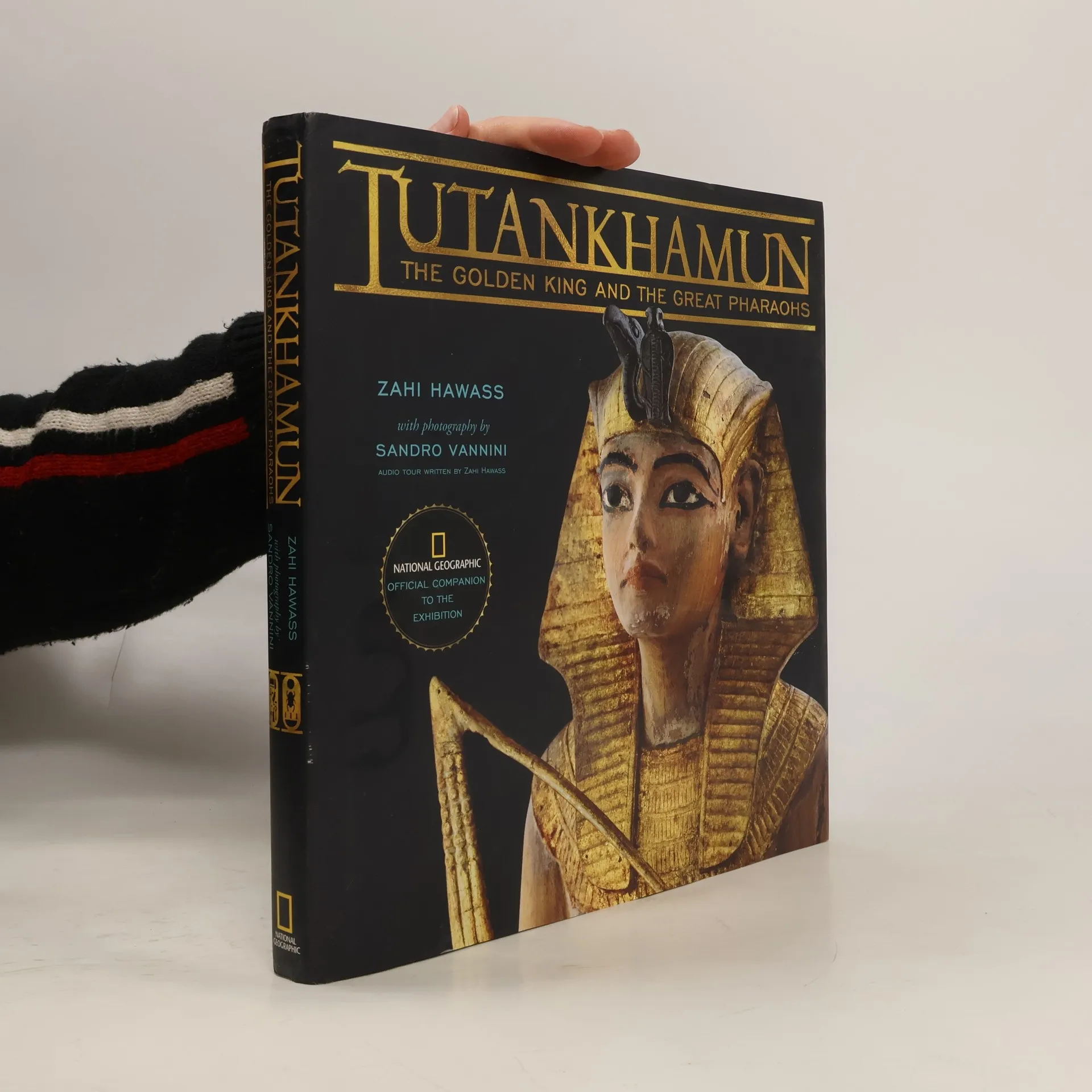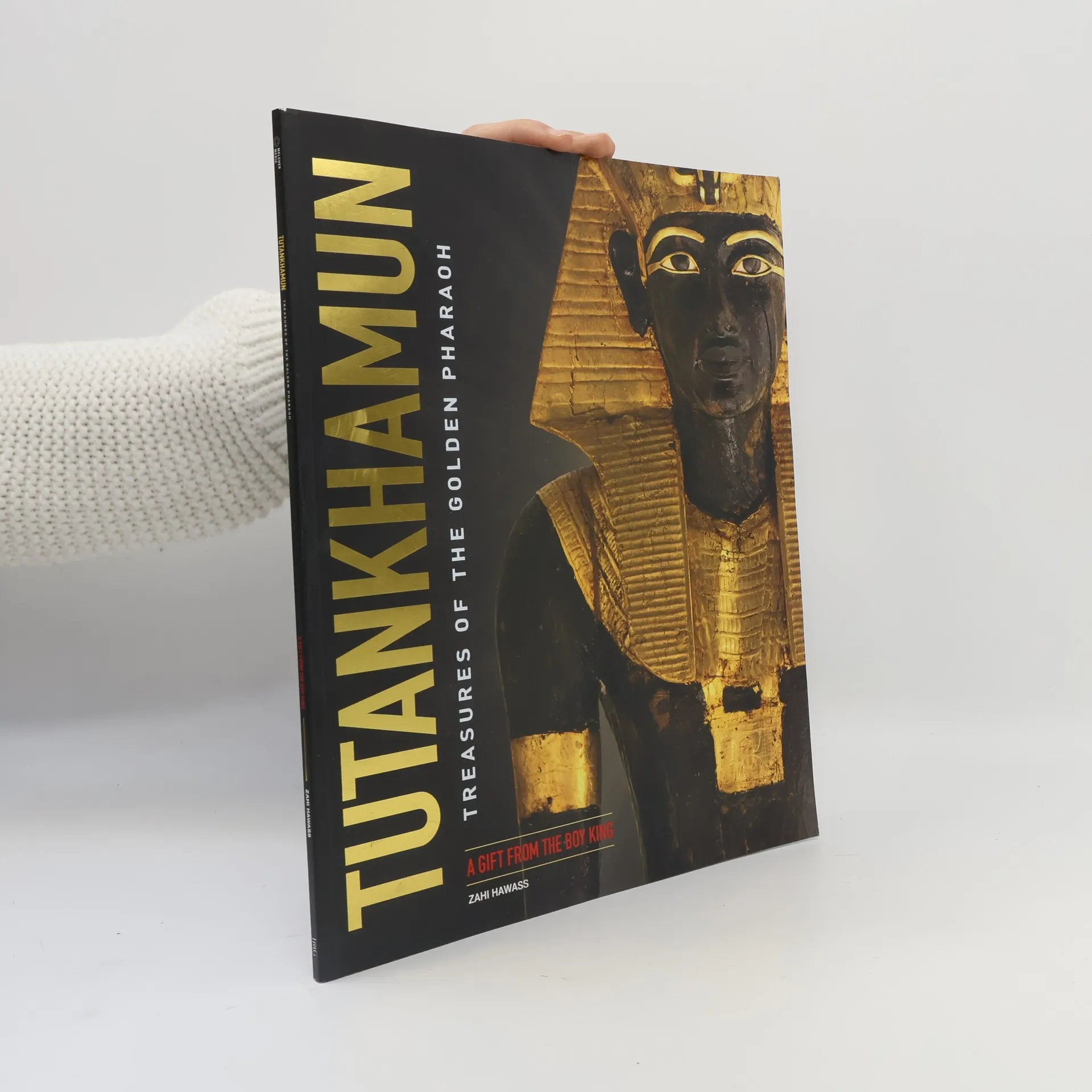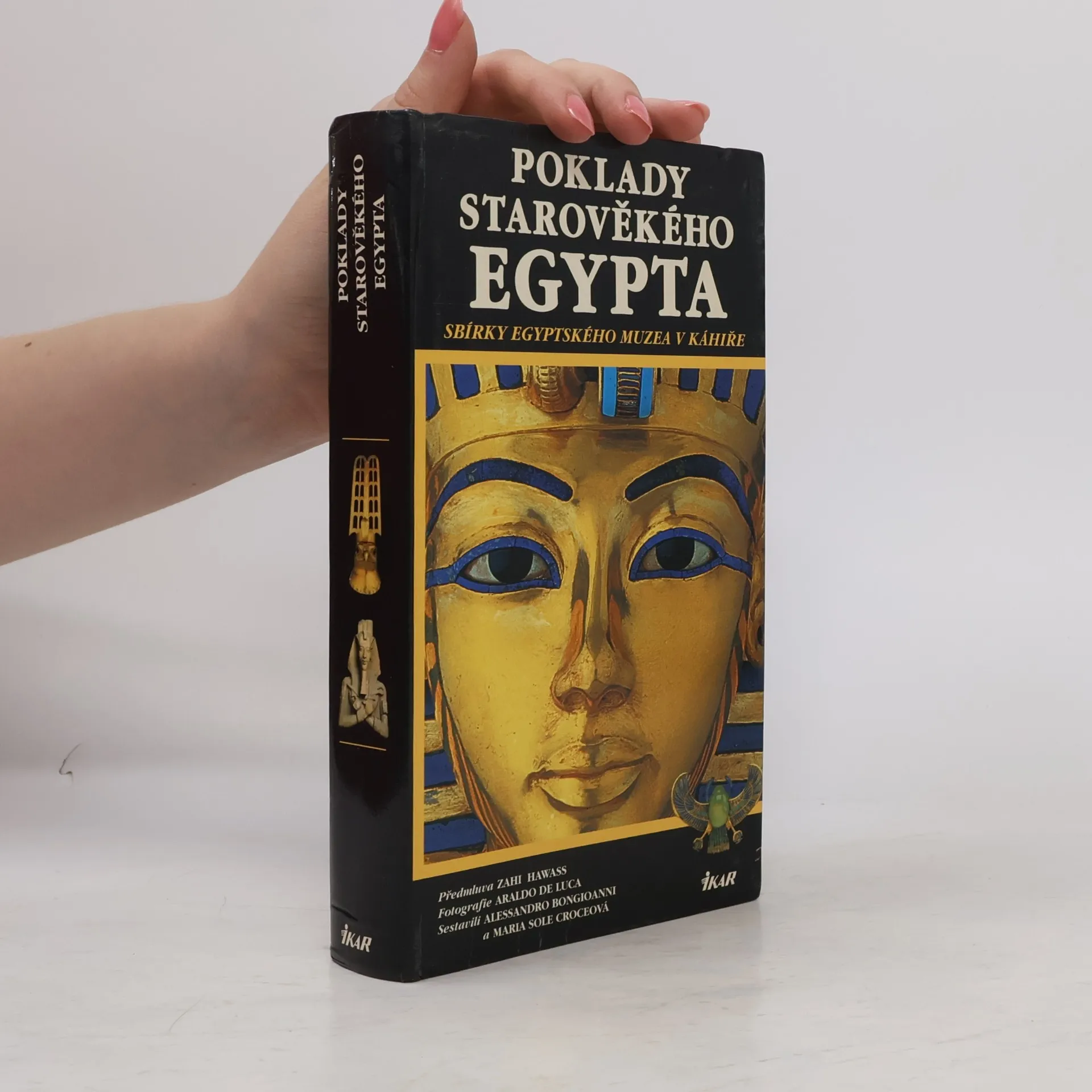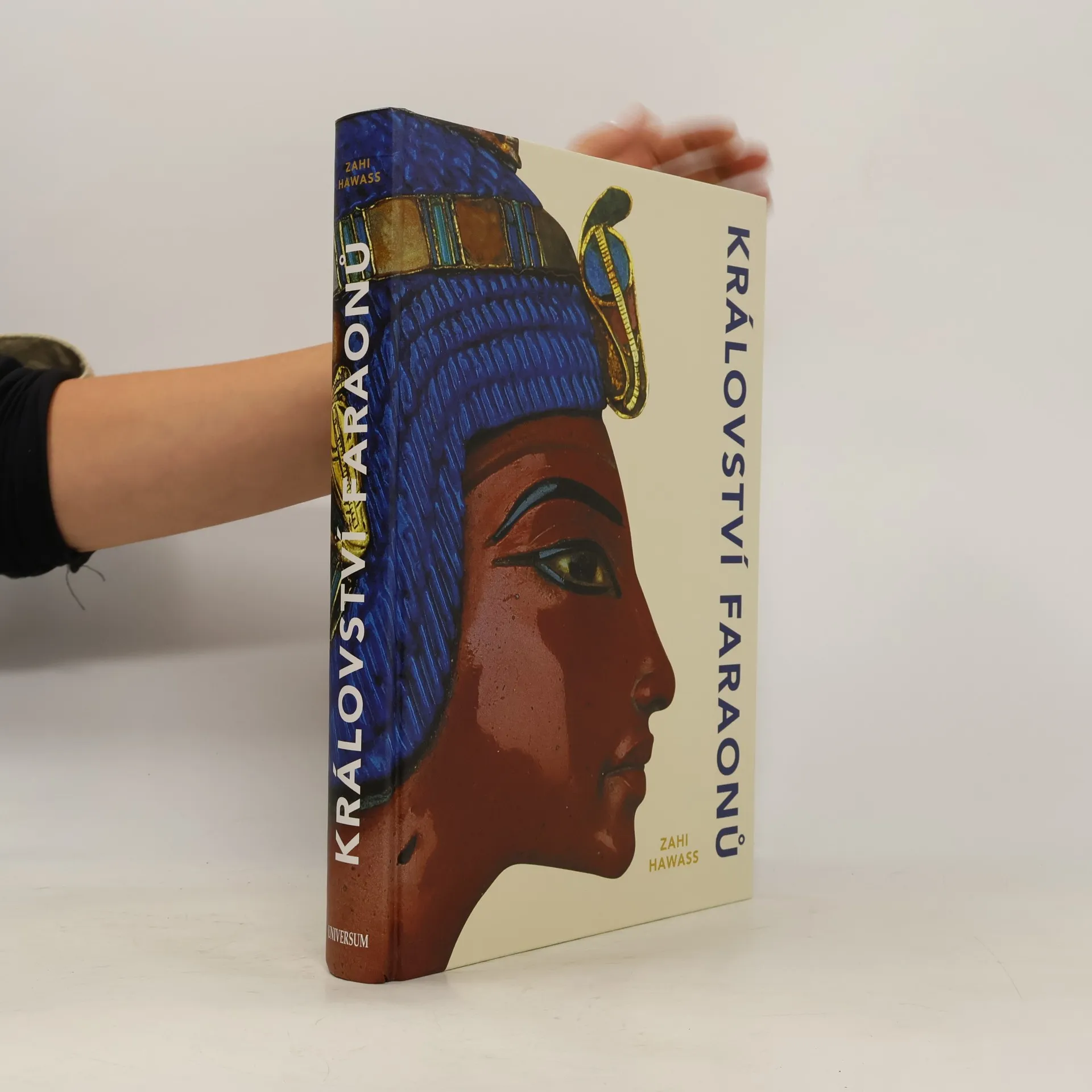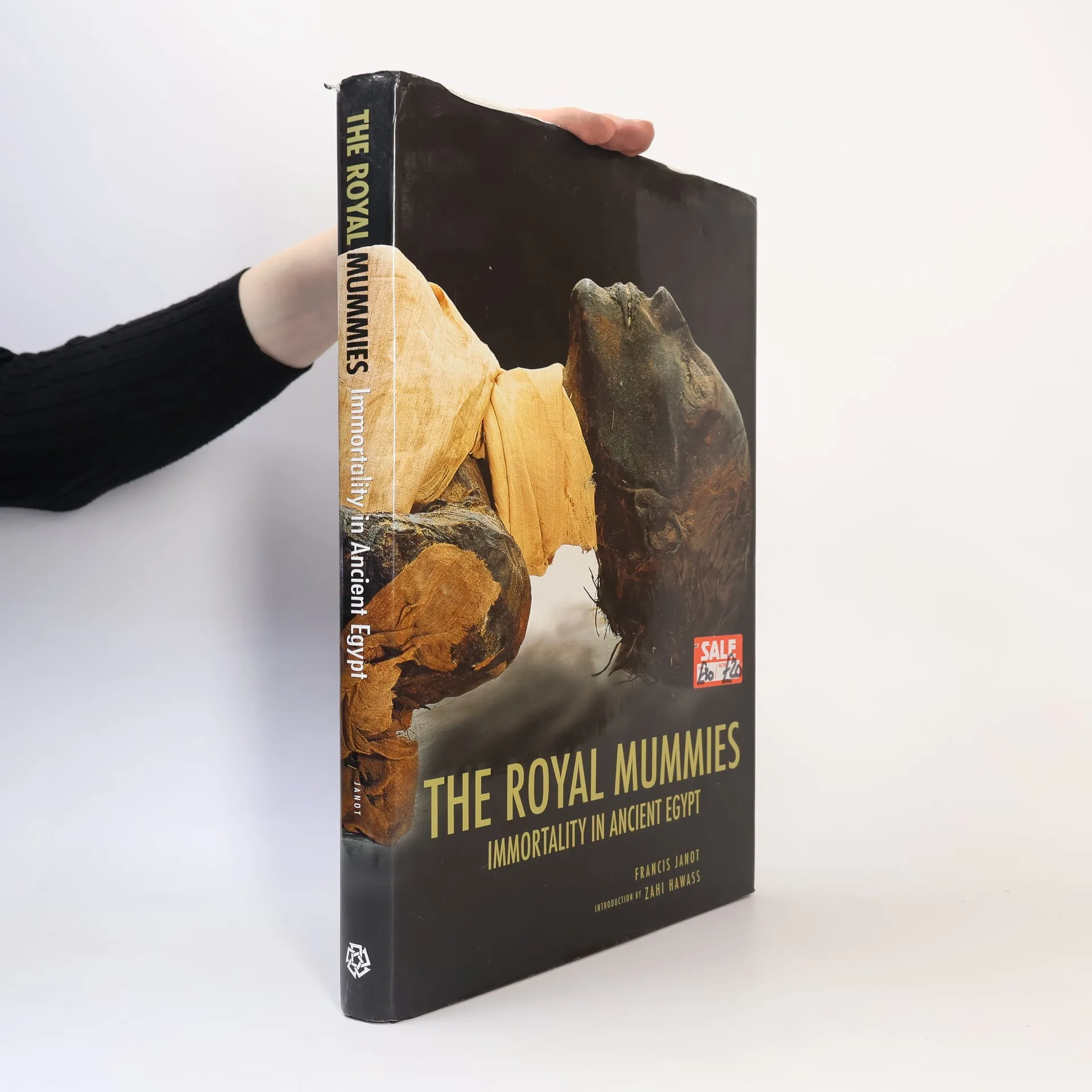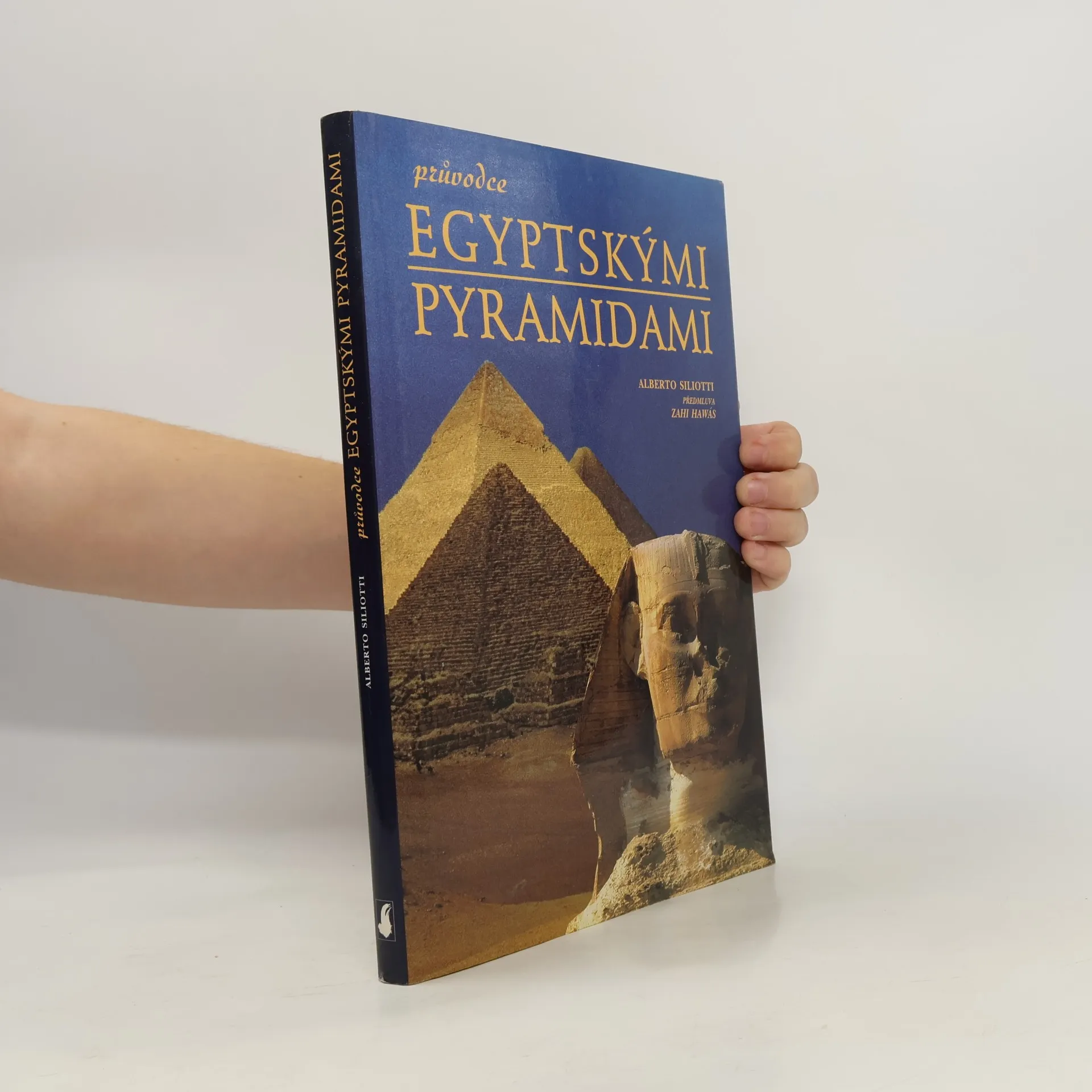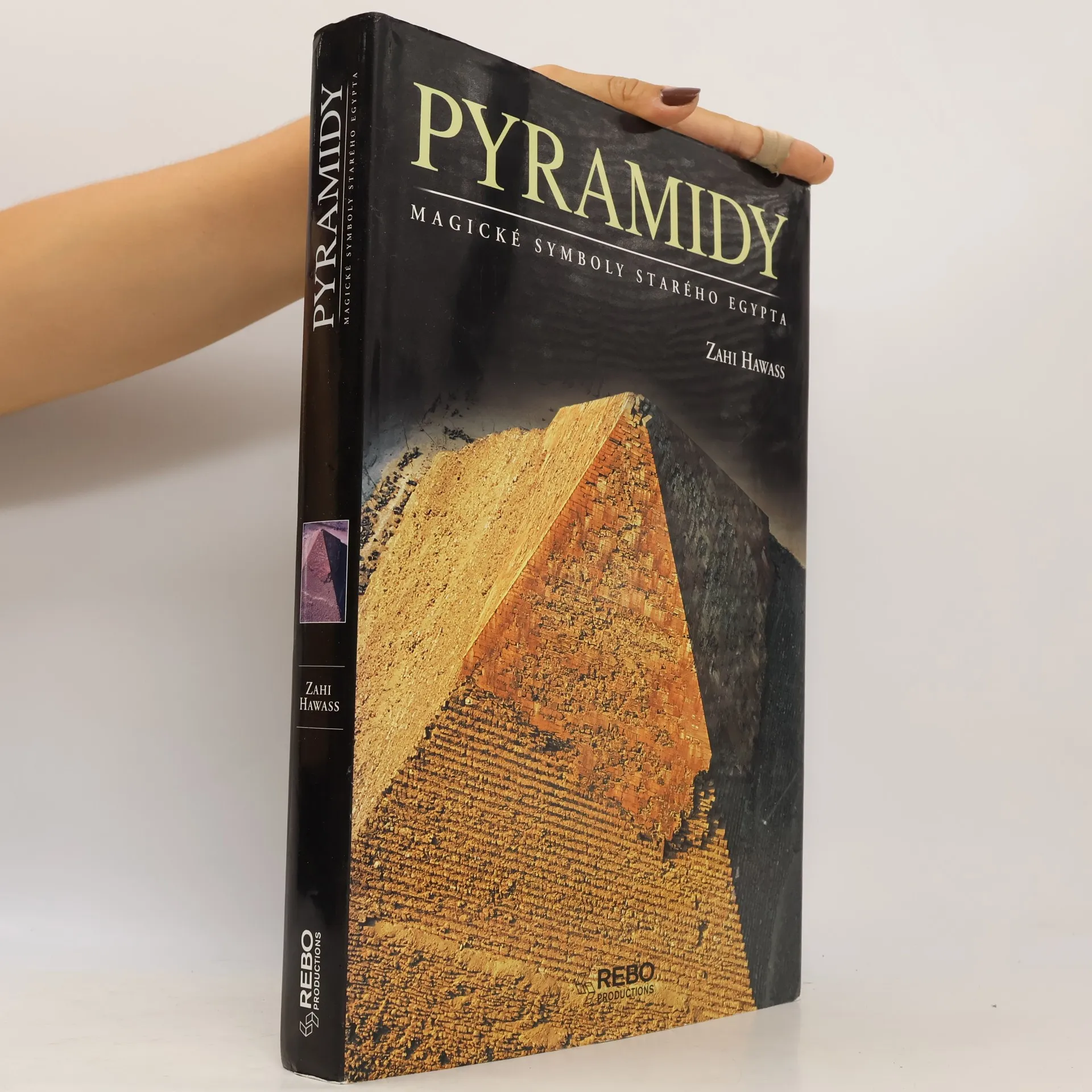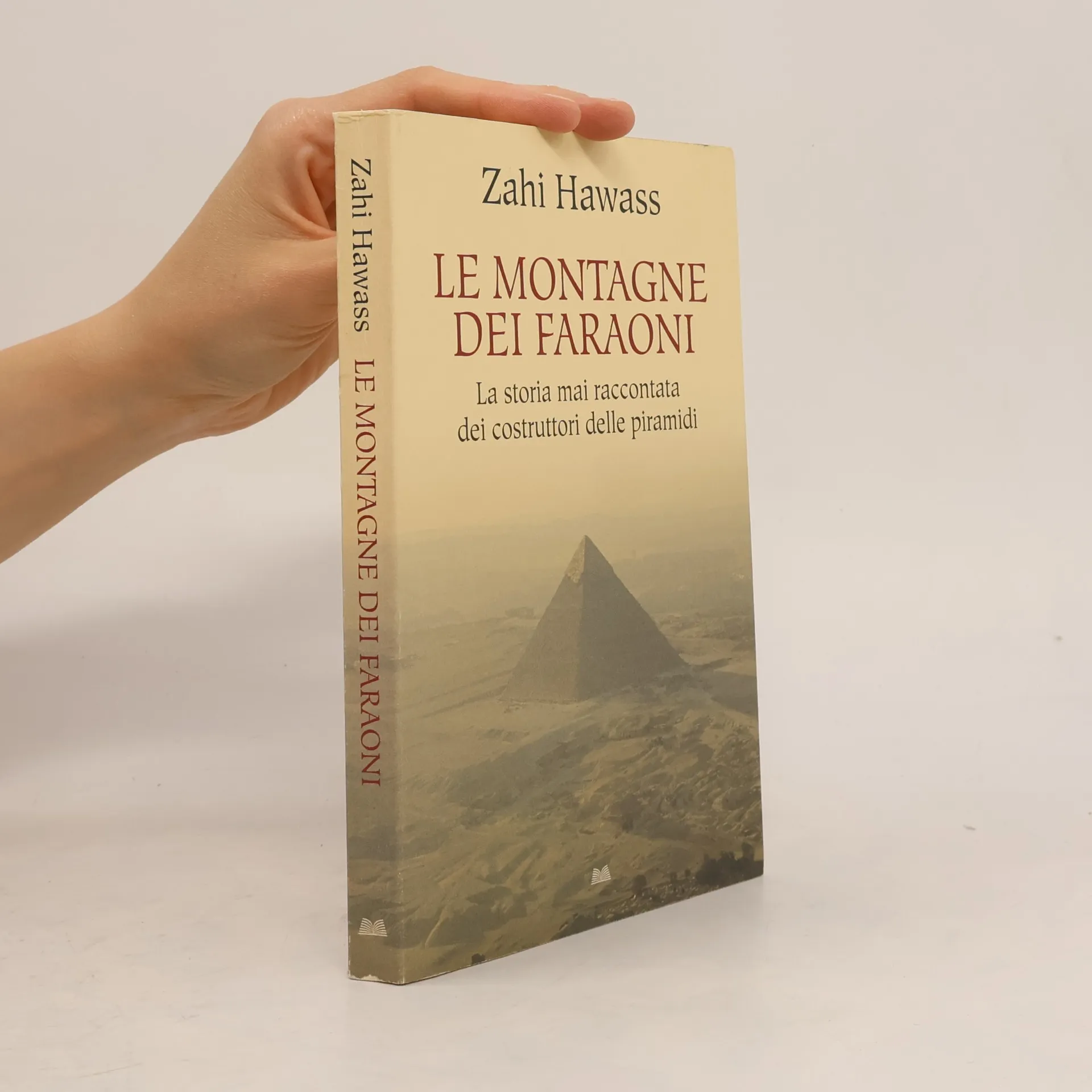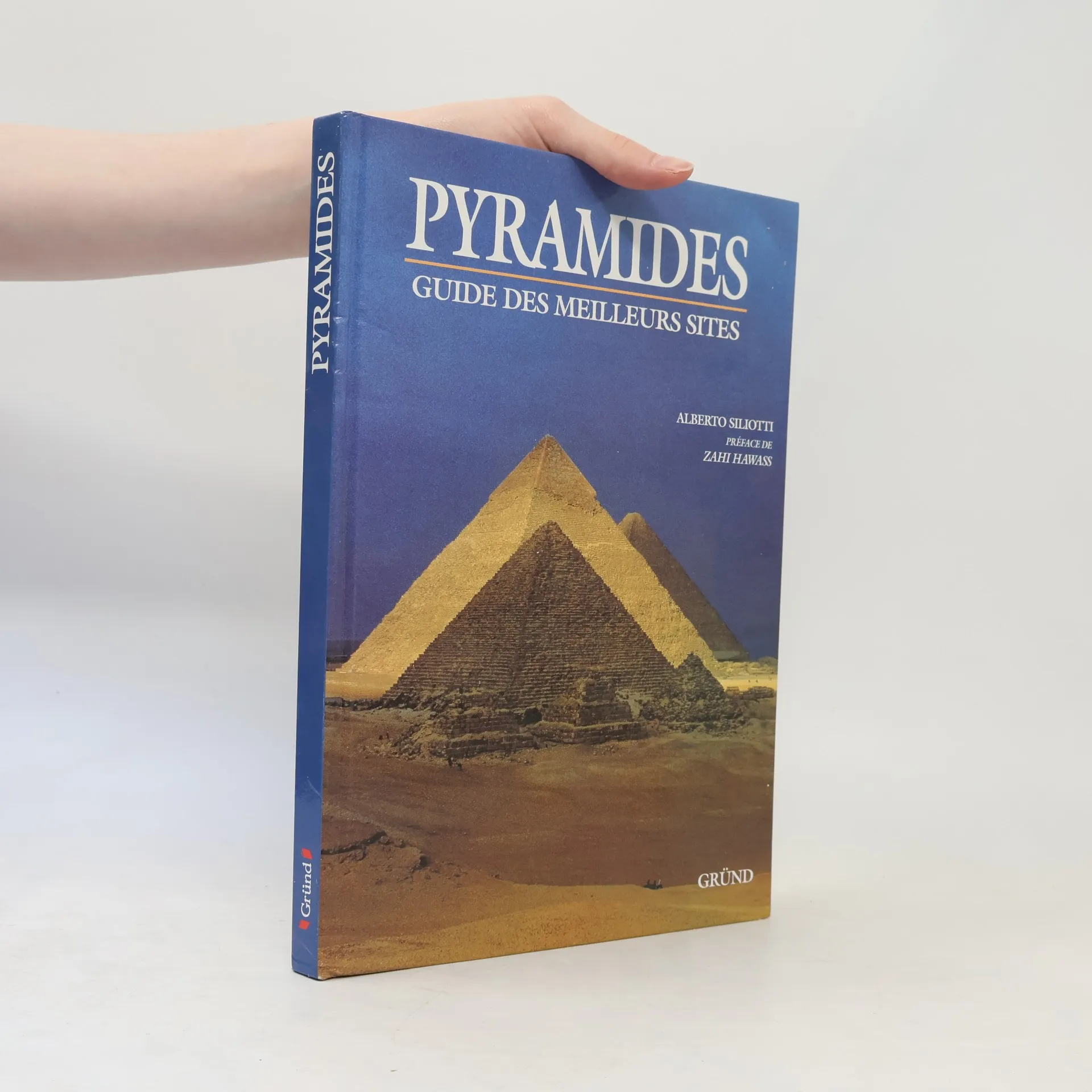
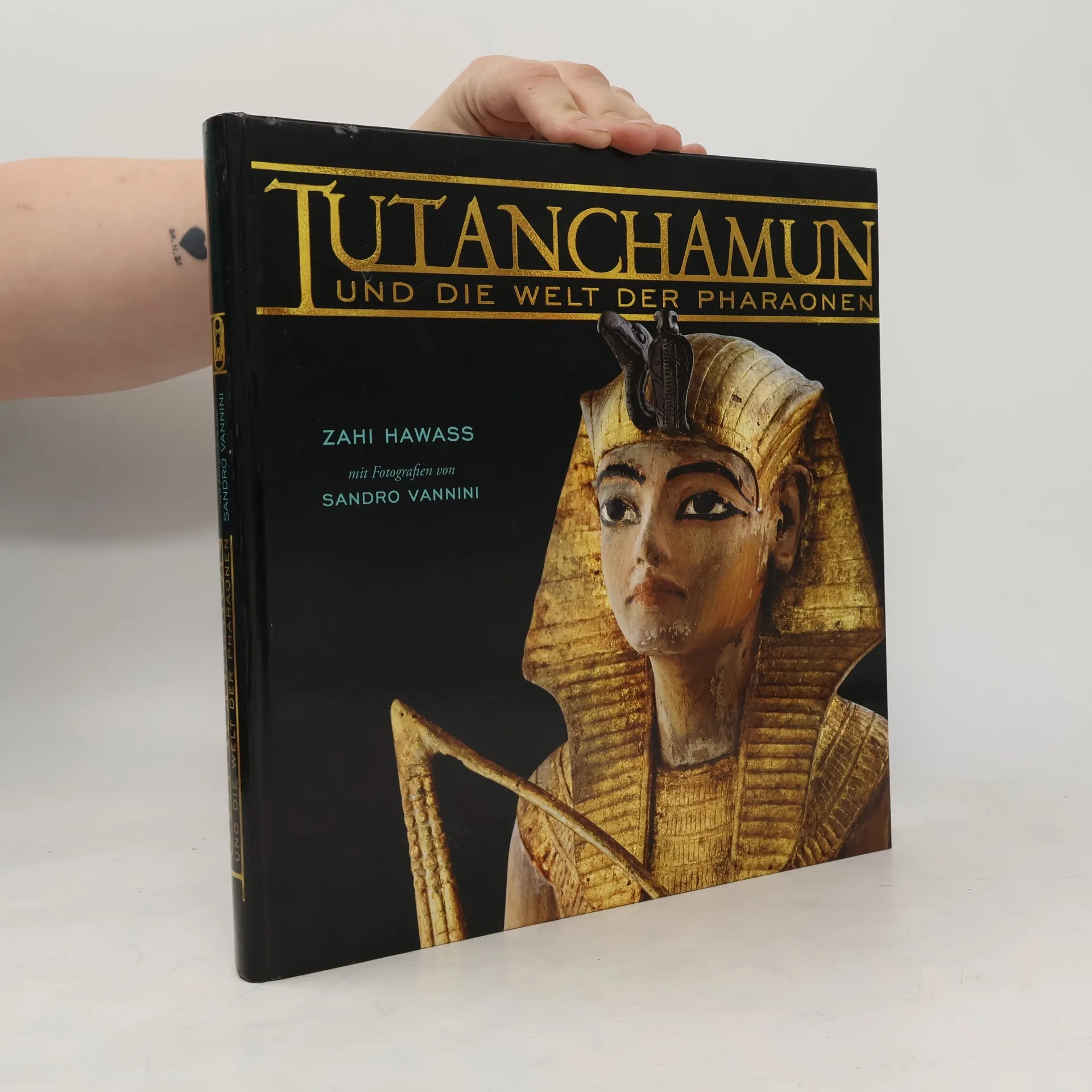
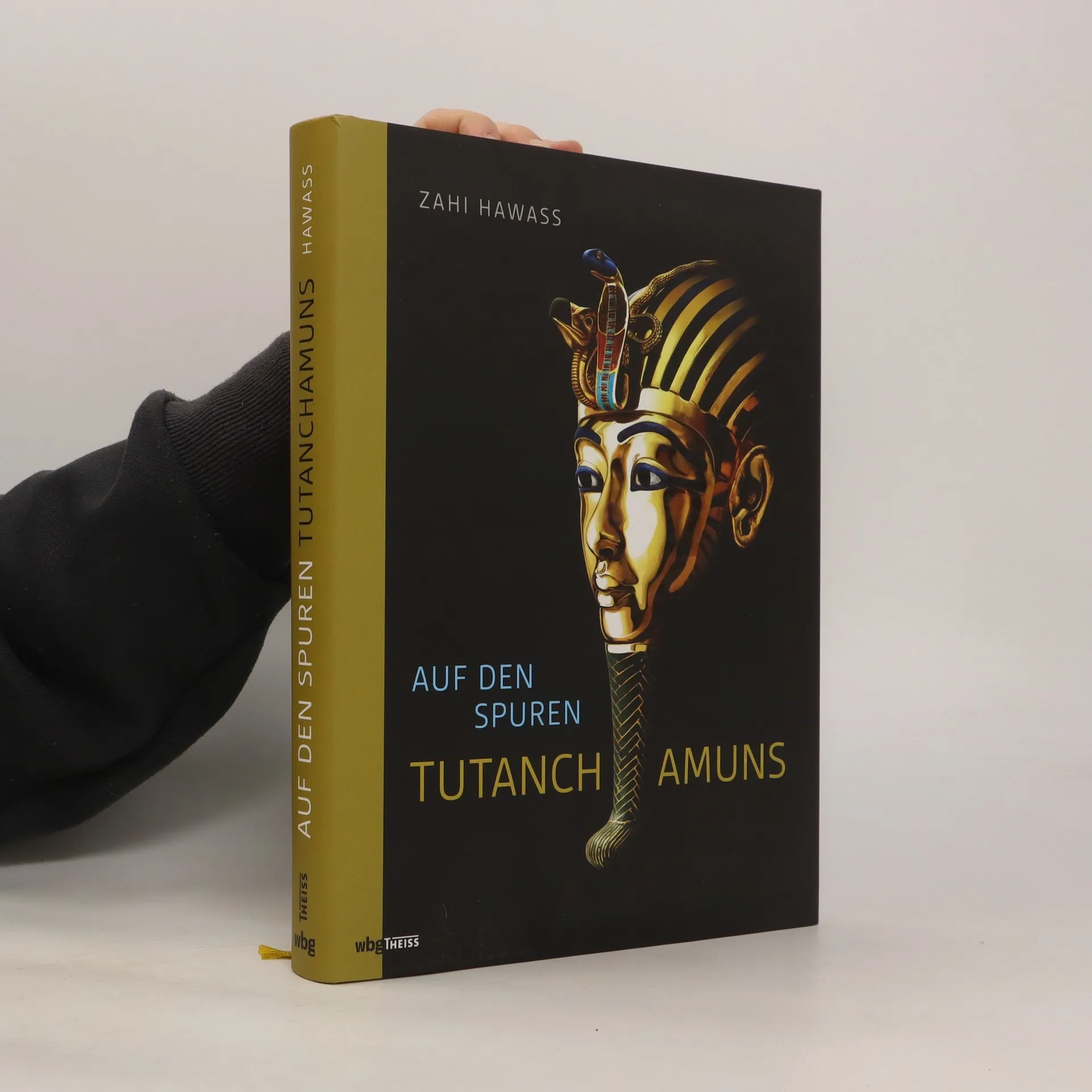
Ägypten, 1922: Howard Carter entdeckt das unberührte Grab von König Tutanchamun. Fast hundert Jahre nach diesem bedeutenden archäologischen Fund bleibt die Faszination ungebrochen. Die kostbaren Grabbeigaben und die prächtige Ausstattung der Kammern ziehen Menschen bis heute in ihren Bann, wie die Ausstellung im Reiss Engelhorn Museum Mannheim zeigt. Ein detaillierter Bildband bietet einen umfassenden Blick auf die Originale und ihre Erforschung: über 450 Bilder und informative Beschreibungen des Grabs und seiner Gegenstände, Einblicke in die Mumie Tutanchamuns durch Röntgenbilder, CT-Scans und DNA-Tests, sowie einen Überblick über Funde, Grabungen und Forschungsmethoden. Zudem werden geschichtliche Hintergründe zur 18. Pharaonen-Dynastie und zum Alltagsleben im alten Ägypten behandelt. Die Bedeutung von Begräbnisritualen und Pyramiden als Architektur für das Jenseits wird ebenfalls beleuchtet. Zahi Hawass, einer der wenigen, die in unmittelbarem Kontakt mit den Grabschätzen standen, gewährt mit fast 500 Abbildungen detaillierte Einblicke in die letzte Ruhestätte eines Pharaos. Er schildert die altägyptischen Vorstellungen vom Jenseits, berichtet von Tutanchamuns Familie und erklärt die Mumifizierungstechnik sowie neueste Forschungsmethoden in der Archäologie. Die kongeniale Übersetzung von Wilfried Seipel macht diesen Bildband zu einem klugen und informativen Standardwerk.
Hawass Zahi Bücher


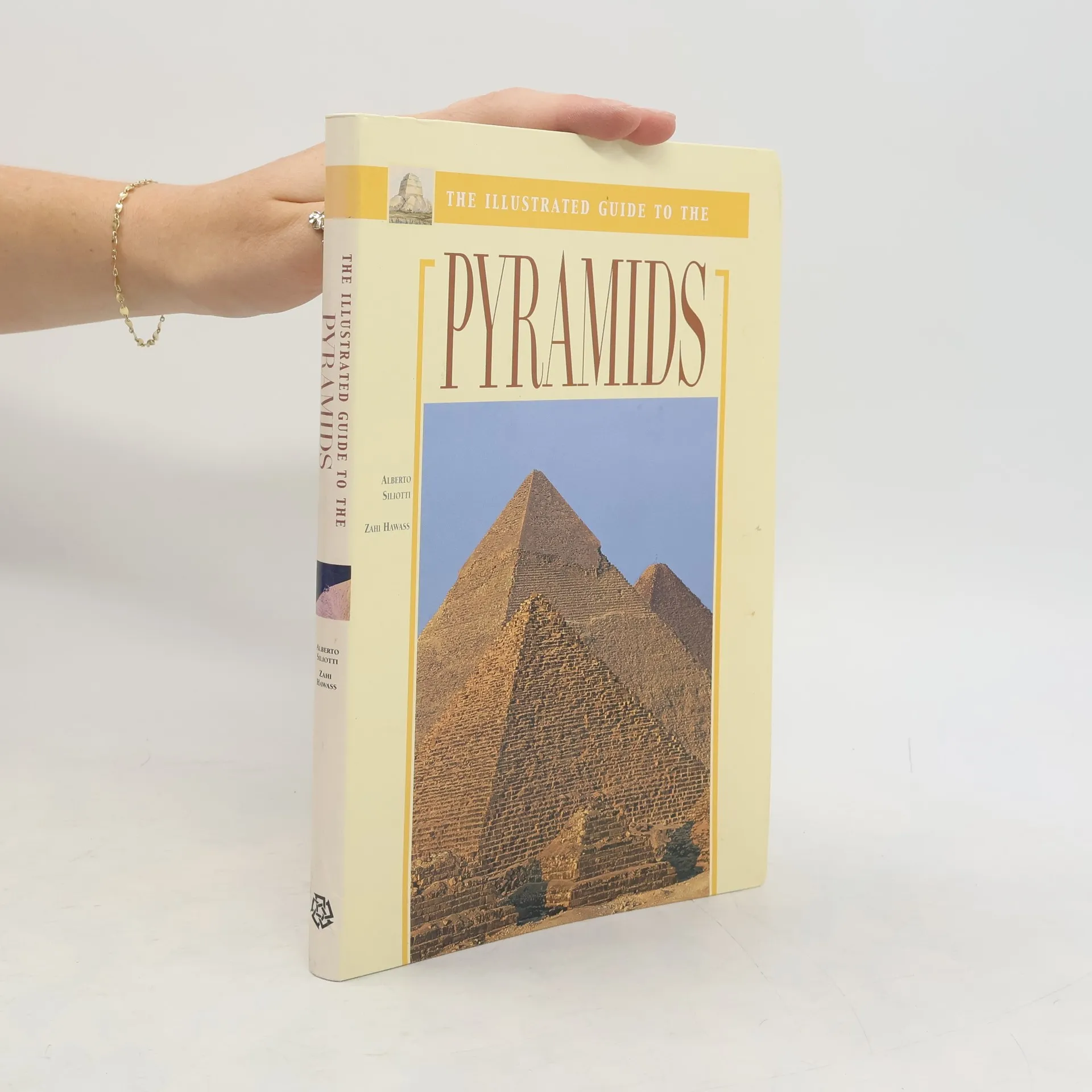
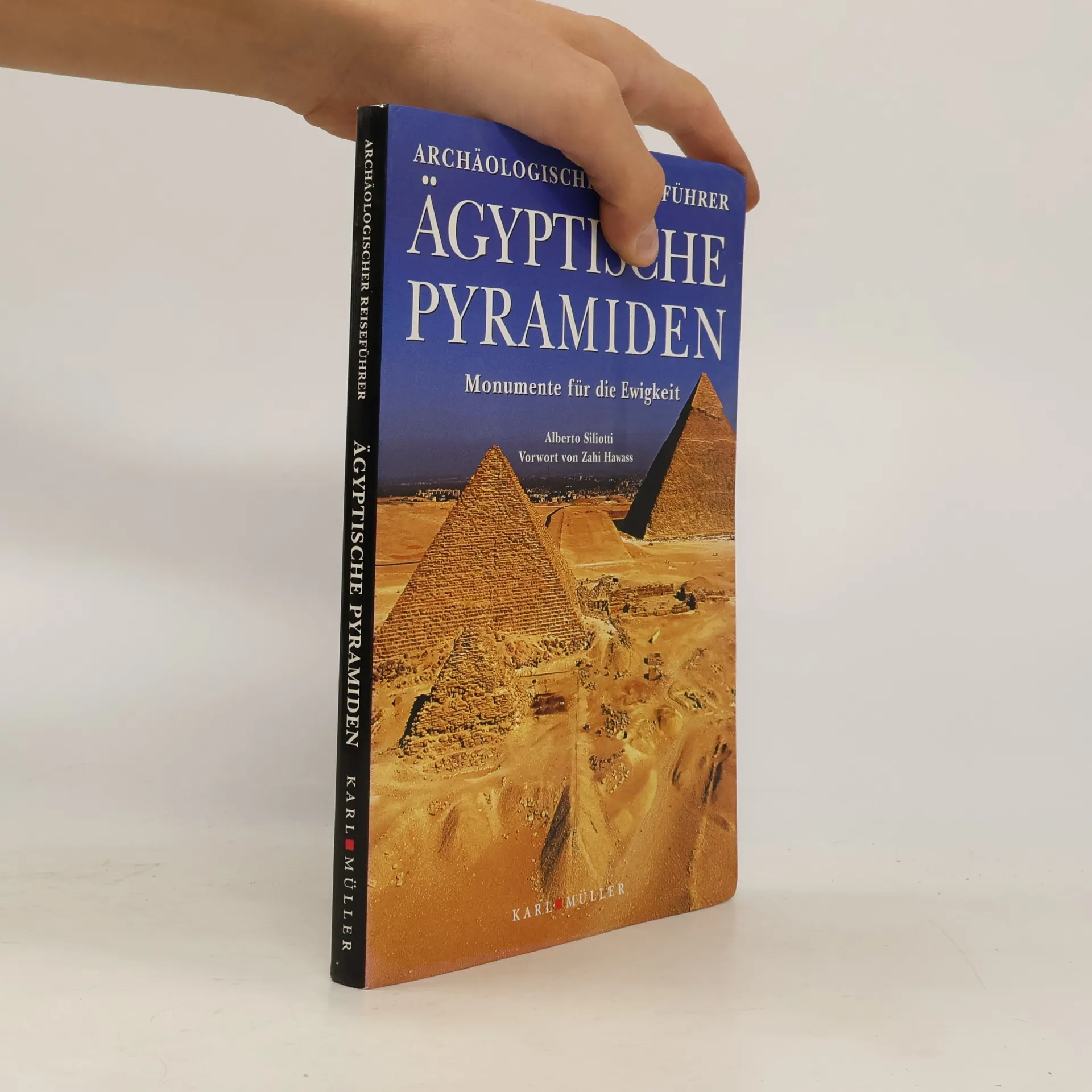
Noch nach Jahrtausenden versetzen die Hinterlassenschaften unserer Vorfahren den modernen Menschen in ehrfürchtiges Staunen. Seien es die Pyramiden Ägyptens, die Monumentalbauten der alten Griechen und Römer oder die versunkene Stadt Pompeji - jeder Band dieser Reihe gibt einen leicht verständlichen Eindruck von der Schaffenskraft längst vergangener Hochkulturen. Ausführliche Reiseberichte, informative Zeittafeln, umfassende Karten, dreidimensionale, farbige Rekonstruktionen und eine Vielzahl von aktuellen und historischen Fotografien vermitteln einen kompetenten Einblick in das großartige Erbe bedeutender Zivilisationen
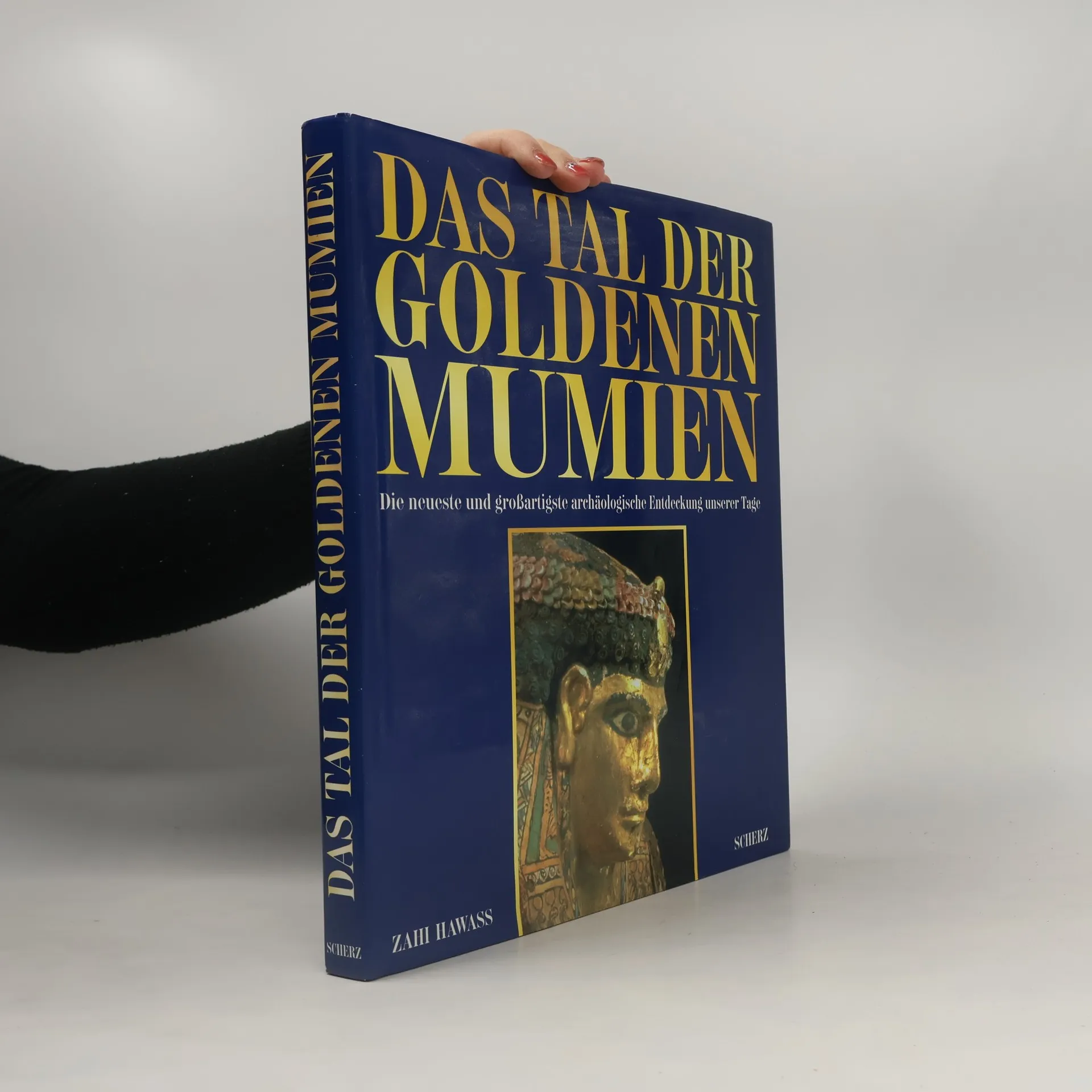
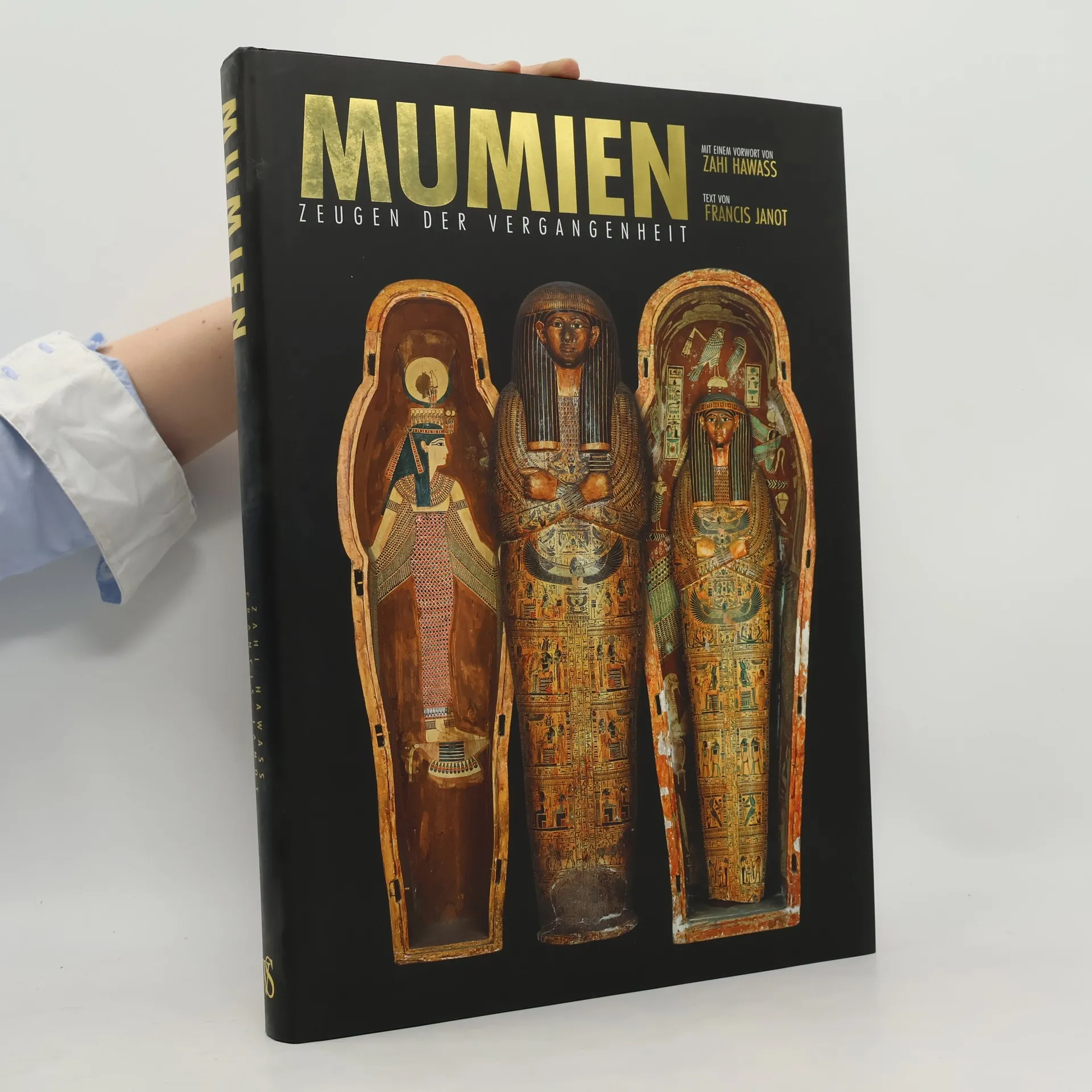
Das Tal der goldenen Mumien
- 223 Seiten
- 8 Lesestunden
Tutankhamun has mesmerized the world ever since Howard Carter's dramatic discovery of his treasure-filled tomb in the Valley of the Kings in 1922, a fascination fanned anew by the current world tour of the spectacular artifacts buried with him, a priceless trove that casts a spell on everyone who sees them. In this richly illustrated book, Egypt's leading archaeologist chronicles the Boy King and the royal dynasty that bred him. And what a dynasty! Tut's grandfather, the Sun King Amenhotep III, married queen Tiye before they reached their teens, then ruled for 40 years. Their heretical son, Akhenaten, abandoned Egypt's pantheon to worship a single god; his wife Nefertiti is still remembered as one of history's legendary beauties. Tutankhamun ascended the throne as a child and died before the age of twenty, but the splendor of his brief reign and the sensational unearthing of his tomb have made him the most famous of all the pharaohs. Zahi Hawass brings these fabled figures and their tumultuous, astonishing age to life, with an authoritative text highlighted by scores of stunning photographs, including archival images from the first great era of Egyptian archaeology, when Carter and other Westerners reawakened the world to the golden glory of the ancient civilization explored in this dazzling book.
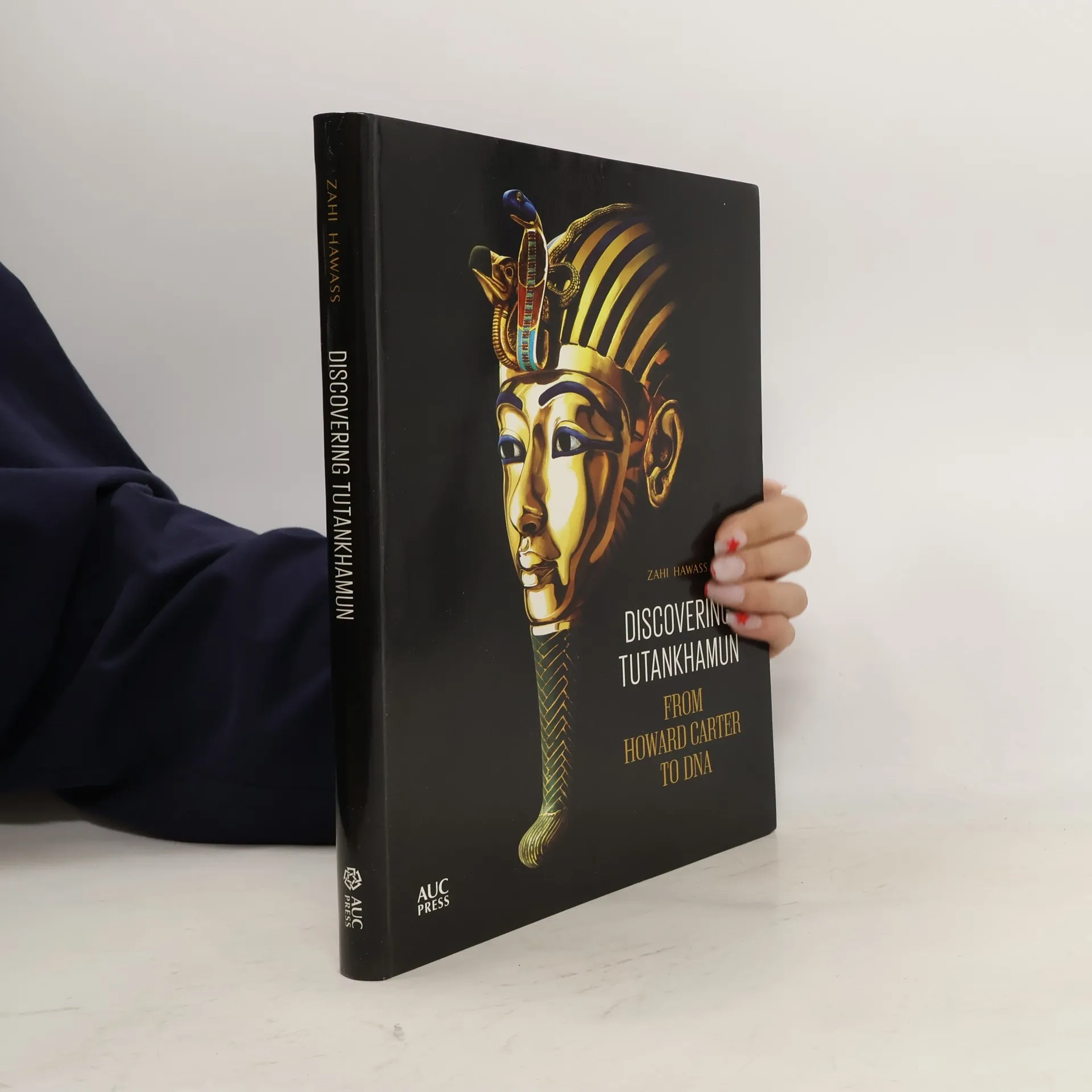
Discovering Tutankhamun
- 264 Seiten
- 10 Lesestunden
The most up-to-date account of the boy king's life, from the discovery of the tomb in 1922 by Howard Carter to the latest CT-scanning, X-raying, and DNA studies. By the world-renowned Egyptologist and National Geographic Explorer- in-Residence, Zahi Hawass, who lead the first DNA analysis of royal mummies in 2010.
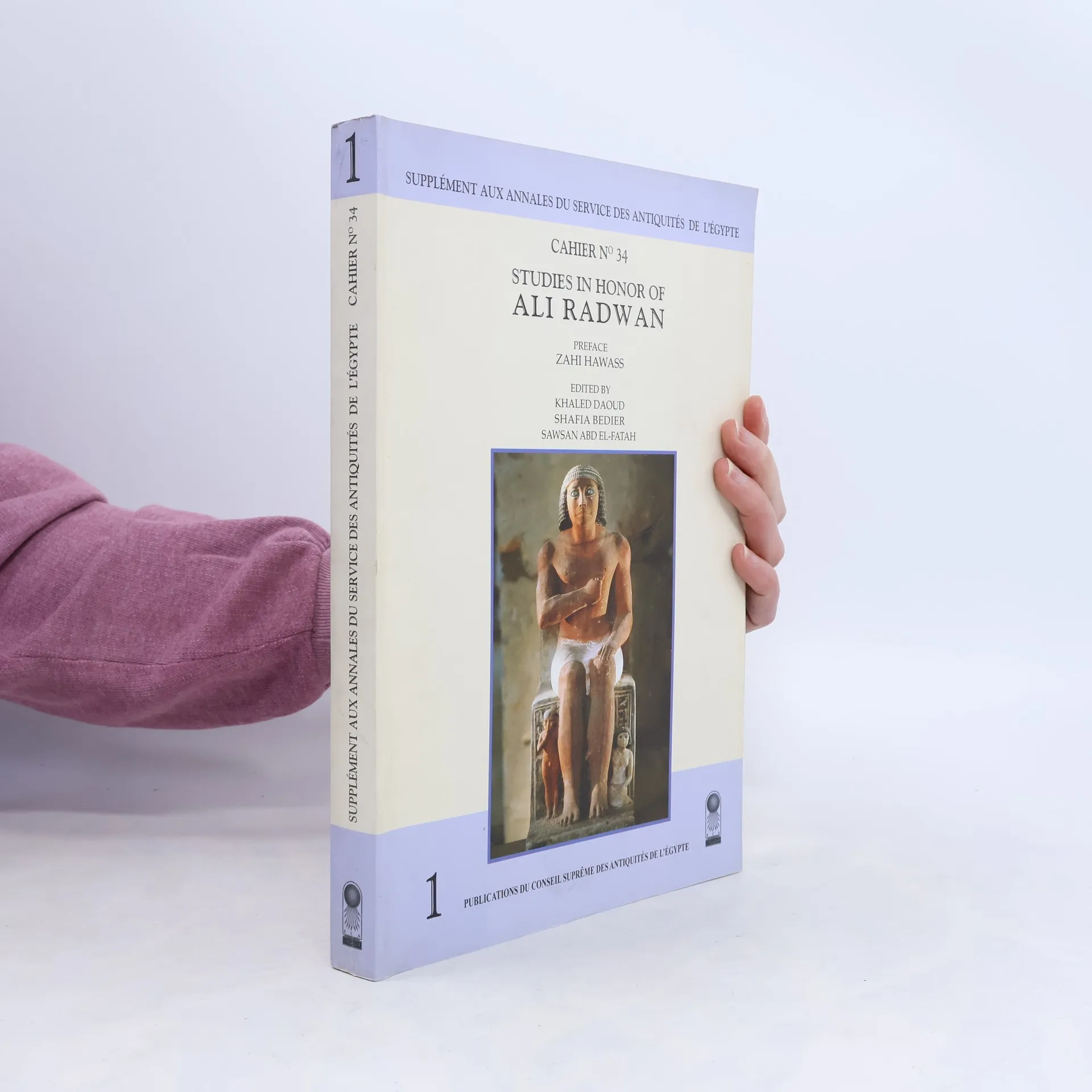
This book explores the role of the artists who created the magnificent tomb paintings of Egypt's Old Kingdom. Challenging the idea that the artists of ancient Egypt were anonymous craftsmen who labored in obscurity to create masterpieces of funerary art, the authors of this volume haveproduced a thorough study, well illustrated with detailed photographs and line drawings, that gives definition to these skilled and valued members of society. This monograph provides an accessible reference on Egyptian art as it appears in wall scenes, and addresses the intriguing question of theartists' identity and individual style.
This book is the latest edition of a long-selling success about Ancient Egyptian and archaeology – offering fresh insights like never before!
Set in ancient Egypt's fourth dynasty, the narrative unfolds a dramatic tale of a royal family perceived as gods, amidst a backdrop of opulent palaces and temples. The book reveals the complex lives of these pharaohs, marked by intrigue, including murder and incest, leading to the rise of one of the rare queens to rule Egypt. It also explores the construction of the iconic pyramids of Giza, highlighting the skilled craftsmanship and architectural brilliance of the era. Illustrated with photographs and drawings, it captures a pivotal moment in civilization's history.