

Diane Coyle ist eine führende Stimme im Verständnis der Komplexität der modernen Wirtschaftswissenschaften, wobei sie sich auf die entscheidende Rolle von Daten und Informationen bei politischen Entscheidungen konzentriert. Ihre Arbeit untersucht die tiefgreifenden Auswirkungen von Globalisierung und technologischen Veränderungen auf unsere Volkswirtschaften. Sie befasst sich mit der Geschichte und den Auswirkungen wichtiger Wirtschaftsindikatoren und bietet kritische Einblicke, wie wir den wirtschaftlichen Fortschritt messen. Ihre Forschung liefert wesentliche Perspektiven für die Bewältigung der Herausforderungen der Wirtschaft des 21. Jahrhunderts.
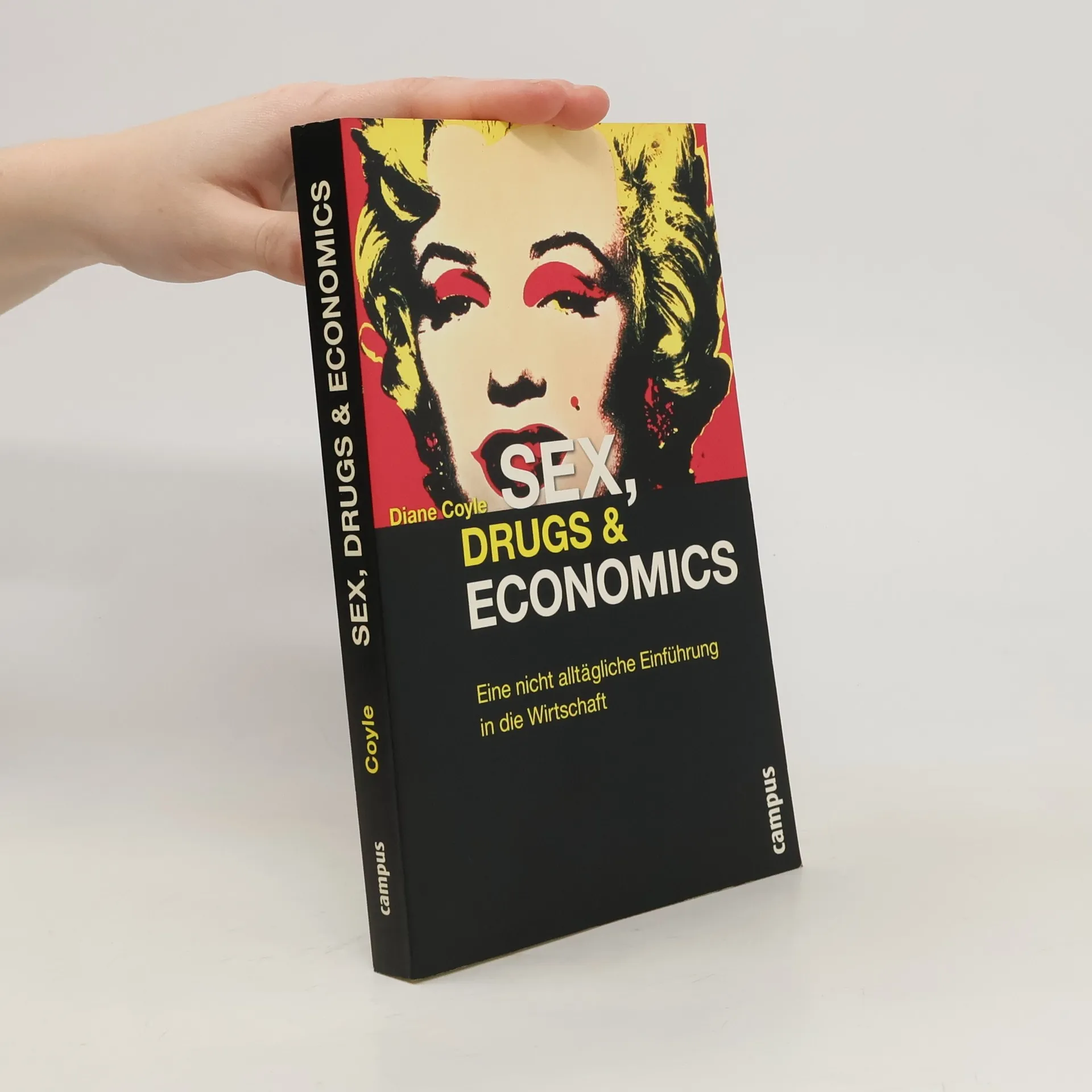
Was haben Angebot und Nachfrage oder der Aufbau eines Monopols mit Sex zu tun? Welche Auswirkungen haben Eingriffe der Regierung auf den Preis meiner Tasse Kaffee zum Frühstück? Warum laufen im Radio immer die gleichen Lieder? Sex, Drugs & Economics ermöglicht einen absolut unverkrampften Eintritt in die Welt der Wirtschaft, die sich vielen „Neulingen“ sonst als trocken und ernst präsentiert. Das gelingt Diane Coyle, indem sie dem Leser die Augen für den unmittelbarsten Zugang zu scheinbar komplizierten Wirtschaftsthemen öffnet: das eigene Leben. Unterhaltsam und ganz ohne komplexe Theorien oder unüberwindbare Zahlen- und Faktenberge wird so verständlich, wie Wirtschaft heute funktioniert. Das ideale Buch zum Verschenken und Selber-Schenken. „Noch nie wurde besser beschrieben, wie man das Leben mit den Augen eines Ökonomen wahrnimmt...“ meint niemand Geringerer als Paul Krugman.
Focusing on the interplay between markets, government, and society, this textbook explores how decisions regarding the use and allocation of economic resources are made. It critiques traditional public policy approaches that prioritize macroeconomic policies and fiscal strategies, emphasizing instead the significance of governmental institutions in fostering growth and societal progress. Through this lens, the book offers insights into the complex dynamics that shape economic decision-making within various social contexts.
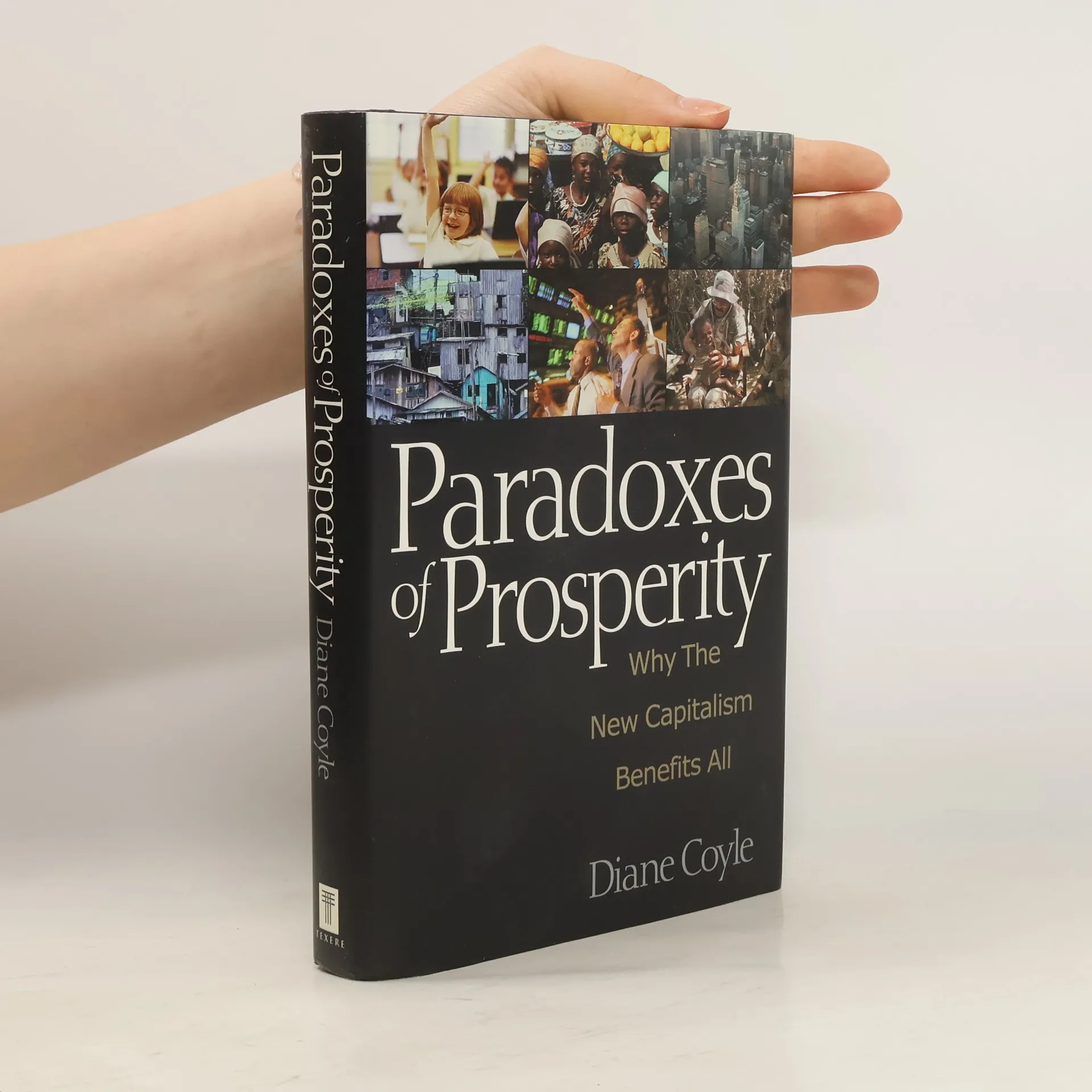
This work examines both the need for worldwide change and the folly of those who link that capitalism and globalization is anything but increasing property in both urban neighbourhoods and in developing countries
Creating a sustainable economy - having enough to be happy without cheating the future - won't be easy. But 'The Economics of Enough' starts a profoundly important conversation about how we can begin, and the first steps we need to take
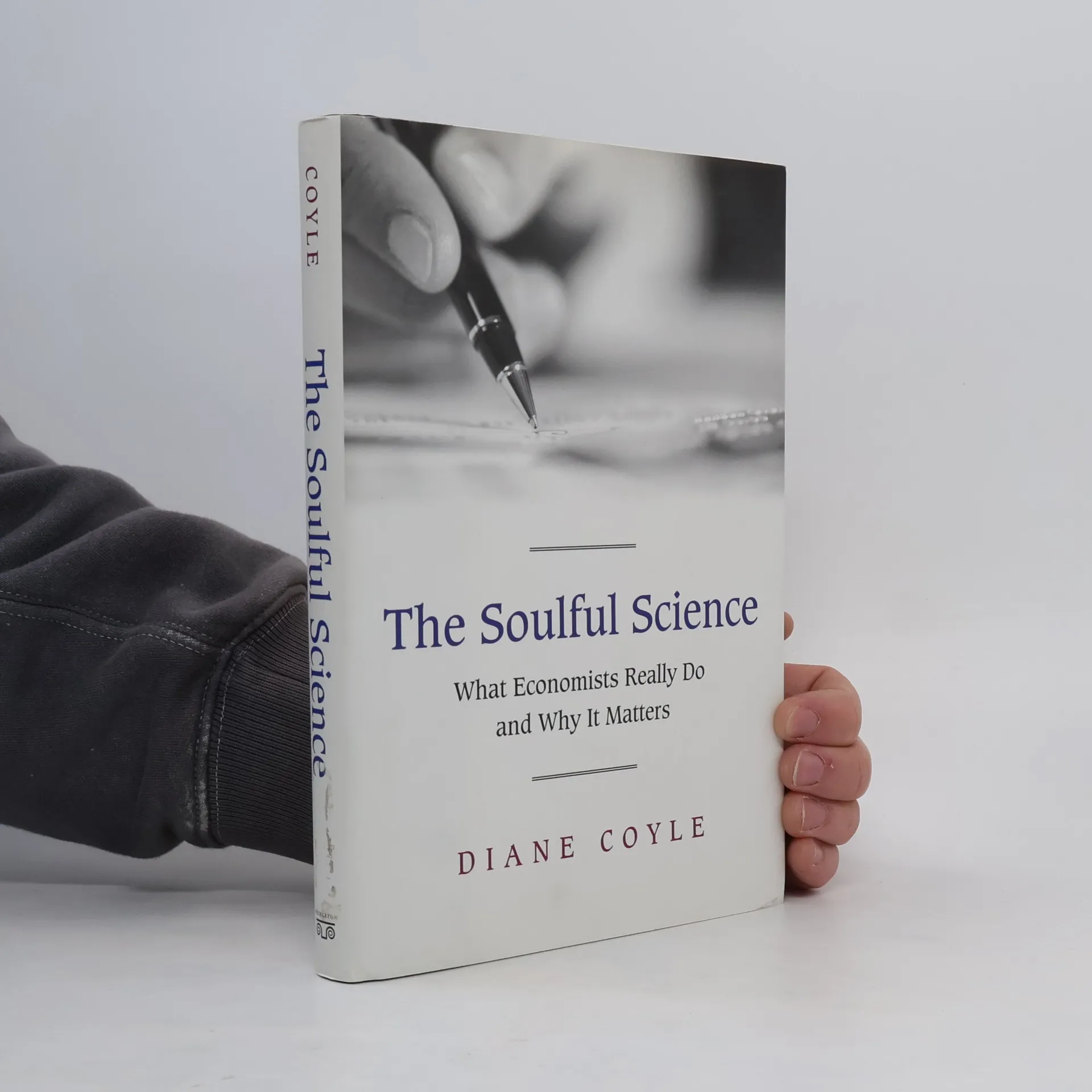
"To many, Thomas Carlyle's put-down of economics as "the dismal science" is as fitting now as it was 150 years ago, but Diane Coyle argues that economics today is more soulful than dismal, a more practical and human science than ever before. In contrast to Freakonomics, which applied economics to unlikely or even eccentric subjects such as baby names and drug gangs, The Soulful Science describes the remarkable creative renaissance in how economics is addressing the most fundamental questions - and how it is starting to help solve problems such as poverty and global warming. A lively and entertaining tour of the most exciting new economic thinking about big-picture problems, The Soulful Science uncovers the hidden humanization of economics over the past two decades "--
"How economics needs to change to keep pace with the twenty-first century and the digital economyDigital technology, big data, big tech, machine learning, and AI are revolutionizing both the tools of economics and the phenomena it seeks to measure, understand, and shape. In Cogs and Monsters, Diane Coyle explores the enormous problems-but also opportunities-facing economics today if it is to respond effectively to these dizzying changes and to help policymakers solve the world's crises, from pandemic recovery and inequality to slow growth and the climate emergency.Mainstream economics, Coyle says, still assumes people are "cogs"-self-interested, calculating, independent agents interacting in defined contexts. But the digital economy is much more characterized by "monsters"-untethered, snowballing, and socially influenced unknowns. What is worse, by treating people as cogs, economics is creating its own monsters, leaving itself without the tools to understand the new problems it faces. In response, Coyle asks whether economic individualism is still valid in the digital economy, whether we need to measure growth and progress in new ways, and whether economics can ever be objective, since it influences what it analyzes. Just as important, the discipline needs to correct its striking lack of diversity and inclusion if it is to be able to offer new solutions to new problems.Filled with original insights, Cogs and Monsters offers a roadmap for how economics can adapt to the rewiring of society, including by digital technologies, and realize its potential to play a hugely positive role in the twenty-first century"-- Provided by publisher
Why did the size of the U.S. economy increase by 3 percent on one day in mid-2013 - or Ghana's balloon by 60 percent overnight in 2010? Why did the U.K. financial industry show its fastest expansion ever at the end of 2008 - just as the world's financial system went into meltdown? This title deals with these questions
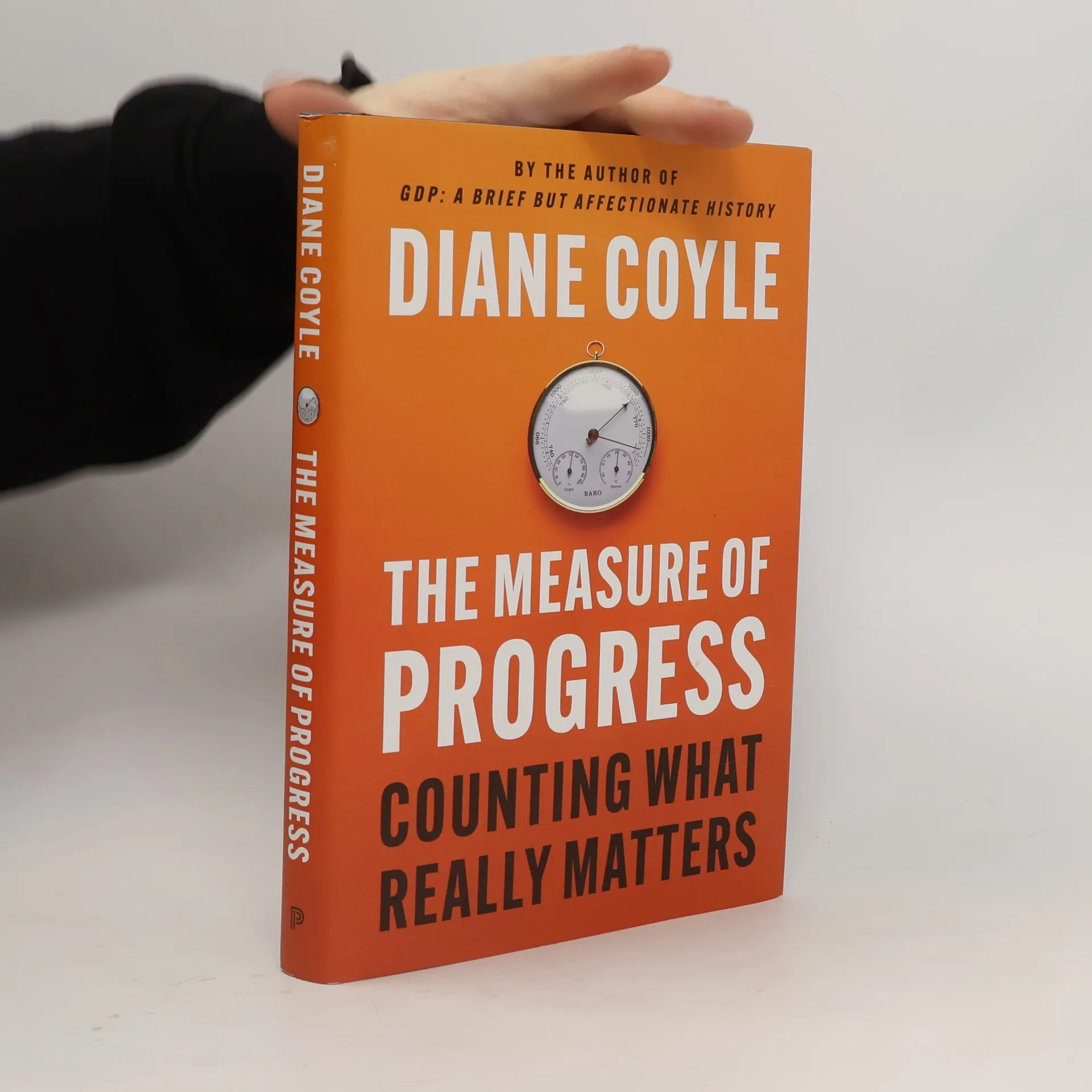
Outdated economic metrics from the 1940s fail to address today's digital economy, distorting policymakers' understanding and responses. Diane Coyle highlights the importance of accurate economic statistics in shaping effective policies that impact people's lives. She argues that current challenges, including stagnant living standards despite technological innovation, necessitate a new framework for data collection and analysis. Coyle suggests that revising our approach to economic measurement is essential for fostering equitable growth and navigating contemporary political and economic landscapes.
Technology and the loss of manufacturing jobs have many worried about future mass unemployment. It is in this context that basic income, a government cash grant given unconditionally to all, has gained support from a surprising range of advocates, from Silicon Valley to labor. Our contributors explore basic income's merits, not only as a salve for financial precarity, but as a path toward racial justice and equality. Others, more skeptical, see danger in a basic income designed without attention to workers' power and the quality of work. Together they offer a nuanced debate about what it will take to tackle inequality and what kind of future we should aim to create.
Produkt krajowy brutto jest najlepszym przykładem tego, jak statystka może
wpływać na rzeczywistość. To obecnie jeden z najważniejszych wskaźników, jakim
dysponują ekonomiści i politycy. PKB wykorzystywane jest do szacowania wzrostu
gospodarczego, określania tego, jak bardzo się bogacimy oraz do uzasadniania
bieżących decyzji politycznych. Pytanie tylko czy PKB faktycznie dostarcza nam
wszystkich tych informacji? W drugim wydaniu swojej bestsellerowej książki
Diane Coyle, jedna z czołowych brytyjskich ekonomistek, wyjaśnia, czym tak
naprawdę jest PKB. Kolejne pomysły i koncepcje określania wartości narodowych
gospodarek układają się w fascynującą historię nowoczesnej ekonomii sięgającą
XVIII wieku. W opowieści Coyle ścierają się ze sobą idee oraz ideologie, a
kolejne wynalazki międzynarodowej rachunkowości opisują dynamicznie
zmieniający się świat kryzysów, wojen i przemian gospodarczych. Coyle rozkłada
PKB na czynniki pierwsze, przygląda się jego przemianom i obecnemu
funkcjonowaniu. Jako uczestniczka dyskusji na temat stanu ekonomii po ostatnim
kryzysie finansowym, rozważając argumenty za i przeciw, stawia pytanie, czy
PKB to wskaźnik, na którym możemy polegać, a jeśli tak – to w jakich
obszarach. Okazuje się bowiem, że mimo wszystkich jego wad, możemy nie mieć
innego wyjścia… Rekomendacje: W tej bardzo ciekawej książce, napisanej jasnym
i przystępnym językiem, ekonomistka Diane Coyle wyjaśnia, czym jest PKB –
wskaźnik wykorzystywany powszechnie do oceny gospodarki kraju, jej wielkości i
międzynarodowej pozycji, a także do kształtowania polityki gospodarczej, a w
rezultacie do wpływania na los wielkich grup społecznych. Autorka śledzi
historię stosowania tej sztucznej, złożonej, ale niezwykle ważnej miary
statystycznej. Pokazuje, jak zmieniła się przez dziesięciolecia oraz jakie są
jej mocne i słabe strony; zwraca uwagę na niedoskonałość miernika w
obrazowaniu rozkładu kosztów i korzyści związanych z działalnością
gospodarczą. Wyjaśnia, dlaczego nawet niewielkie zmiany w PKB mogą wpływać na
najważniejsze decyzje polityczne zarówno w kraju, jak i za granicą, a nieraz
decydować o tym, czy kraj może dalej zaciągać pożyczki na rynku
międzynarodowym oraz uchronić się przed katastrofą gospodarczą i społeczną.
Autorka wskazuje na czynniki, które decydowały dotychczas o tym, co wlicza się
do PKB i jakie polityczne cele mogą być przy tym realizowane. Książkę powinien
przeczytać każdy, kto chce lepiej zrozumieć pojawiające się często w
przestrzeni publicznej informacje o PKB, a także decyzje polityczne i
gospodarcze, które są podejmowane na ich podstawie. Lektura książki daje nowe
spojrzenie na wiele kwestii ważnych nie tylko dla ekonomistów, ale przede
wszystkim dla szerokich rzesz społeczeństwa. prof. Leokadia Oręziak, kierownik
Katedry Finansów Międzynarodowych Szkoły Głównej Handlowej Istotne jest, aby
dokładnie rozumieć, czym się różni PKB oraz jakie ma funkcje do spełnienia w
porównaniu z innymi miarami przemian społeczno-gospodarczych, w tym dobrobytu
i jakości życia (…). Książka ta służy właśnie lepszemu zrozumieniu tych
złożonych kategorii i współzależności między nimi. Dlatego też z pełnym
przekonaniem rekomenduję jej lekturę. prof. Elżbieta Mączyńska, prezes
Polskiego Towarzystwa Ekonomicznego