Anselm Franke Reihenfolge der Bücher (Chronologisch)
Anselm Franke ist ein Kurator und Autor, dessen Werk sich mit künstlerischen und filmischen Projekten auseinandersetzt. Seine kuratorische Praxis konzentriert sich auf die Erforschung komplexer Themen und deren Präsentation in verschiedenen kulturellen Institutionen. Frankes Ansatz bei Ausstellungen verbindet oft unterschiedliche Disziplinen und Medien, wodurch vielschichtige und zum Nachdenken anregende Erlebnisse für das Publikum geschaffen werden. Seine Arbeit legt Wert auf kritische Auseinandersetzung und Neuinterpretation zeitgenössischer kultureller Phänomene.

Nervous Systems
- 388 Seiten
- 14 Lesestunden
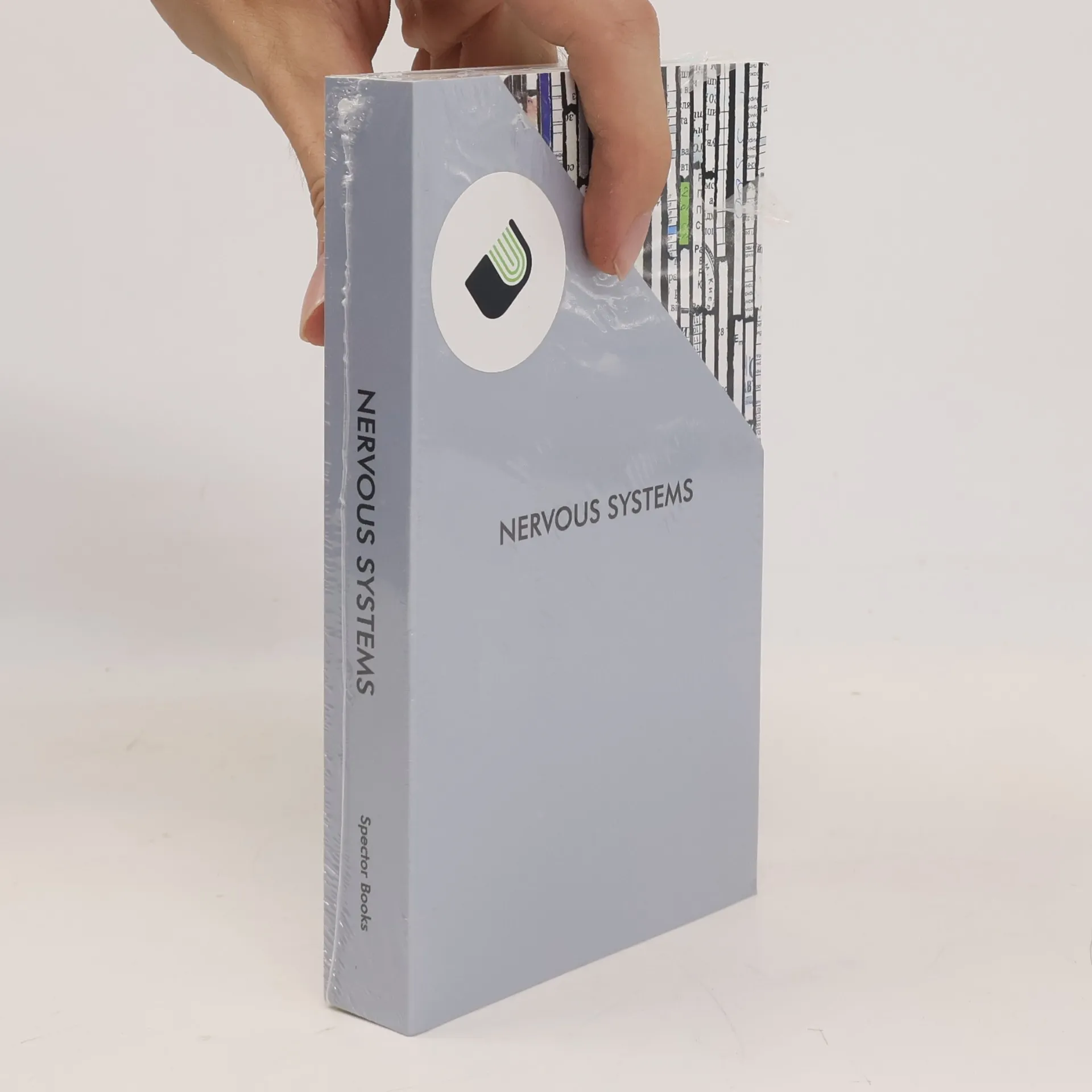
Jenseits immer neuer Enthüllungen über die Massenüberwachung der Geheimdienste bestimmt „Big Data“ die öffentliche Diskussion über das zunehmend gläserne Konsum-Individuum. Dem Versprechen von Teilhabe stehen neue Formen der Kontrolle und Modellierung von sozialem Verhalten in bisher ungekanntem Maße gegenüber. Unzählige Sensoren digitaler und technologischer Infrastrukturen verbinden Staat, Wirtschaft, Individuum und Technologie zu immer komplexer werdenden „nervösen Systemen“. Diese Nervosität offenbart sich insbesondere dort, wo die Verhältnisse von Macht und Teilhabe ins Blickfeld geraten, also entlang der „sozialen Frage“. Die Publikation versammelt eine Auswahl zeitgenössischer Kunst, ergänzt um essayistische Beiträge von Expertinnen, Theoretikern und Forscherinnen, die u. a. historische Dokumente präsentieren. Nervous Systems erschien zur Ausstellung im HKW Berlin (Februar bis April 2016).
Published in conjunction with an exhibition that has traveled to the Museum of Modern Art in Warsaw from Berlin’s Haus der Kulturen der Welt, this volume takes as its starting point the realignment of global ties after 1945—Europe’s “year zero”—and focuses on the worldwide phenomenon of decolonization.Investigating magazines, journals, and newspapers, the diverse essays in After Year Zero shine a spotlight on collaboration, not confrontation, in the many publications launched at various times and in different places within the African continent or the African diaspora. As the volume contributors show, the format of these periodicals provided a means for temporary intervention against hegemonic voices and made possible the necessary task of creating a new language to talk about art, life, and politics. In addition to text-based essays, After Year Zero also includes visual essays designed like collages of documents, quotes, and images.With its unique international and interdisciplinary approach, After Year Zero is an innovative study of postwar narrative possibilities and a powerful reflection on the processes by which the “universal” can be generated.
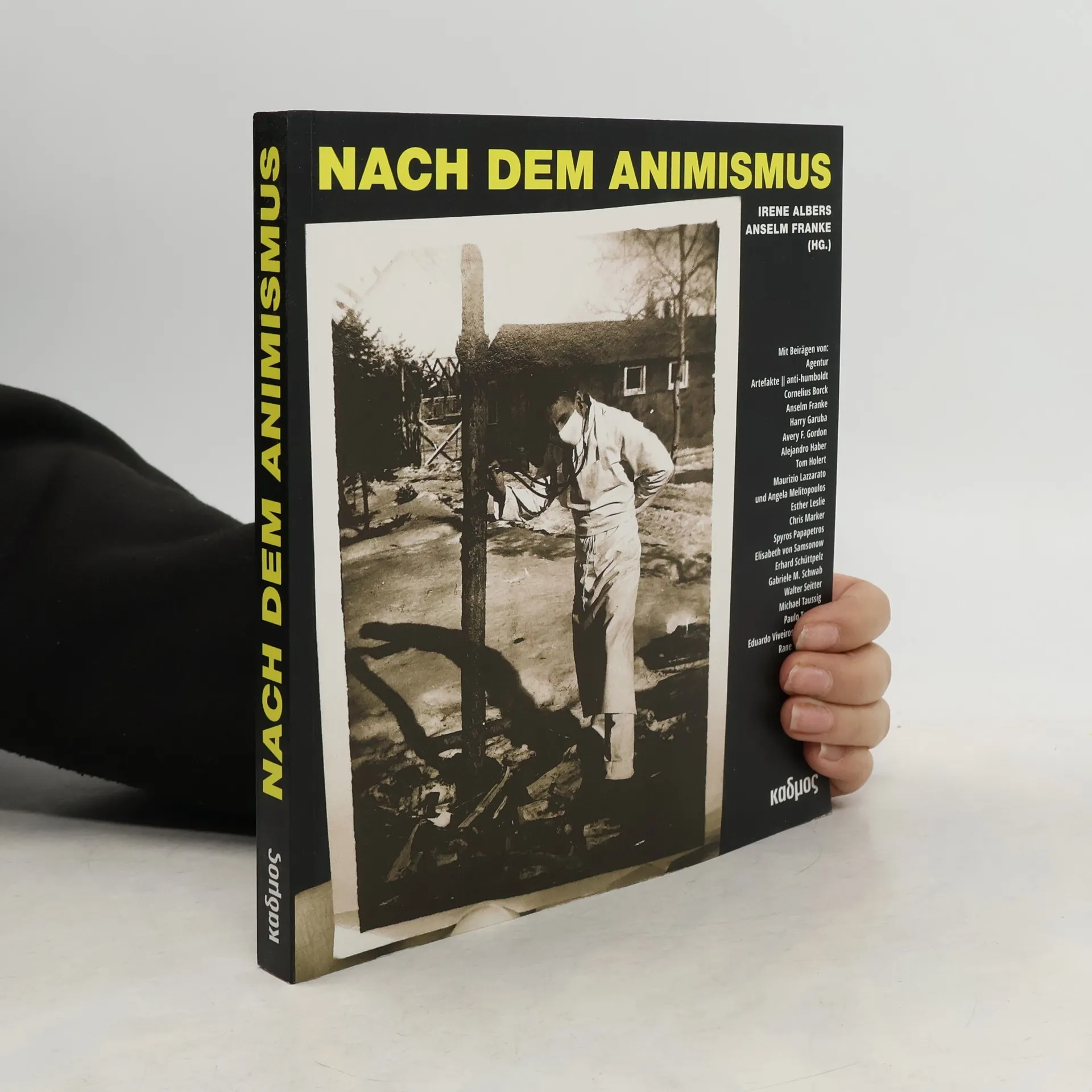
Nach dem Animismus
- 256 Seiten
- 9 Lesestunden
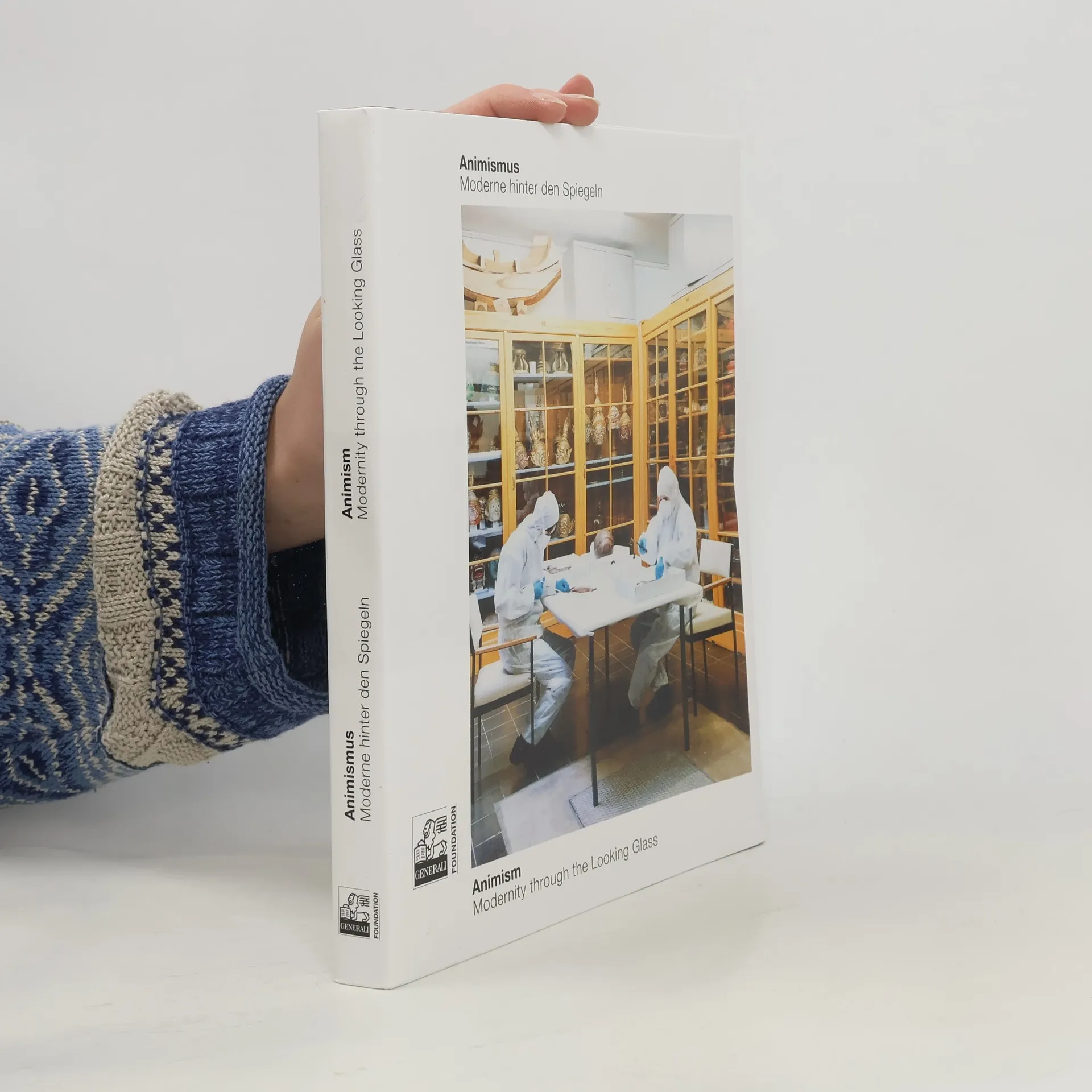
'Animismus' bezeichnet Praktiken und Ontologien, die die Natur und Objekte nicht objektiv, sondern subjektiv wahrnehmen und behandeln. Edward B. Tylor, der den Begriff prägte, sah Animisten als unfähig an, zwischen belebter und unbelebter Materie zu unterscheiden, was zu kolonialistischen Überlegenheitsvorstellungen führte. Der Begriff bezieht sich nicht auf eine Wiederbelebung, sondern auf eine notwendige Revision, die durch ethnologische Beiträge verdeutlicht wird, darunter ein Text des brasilianischen Ethnologen Eduardo Viveiros de Castro, der eine Welt mit vielfältigen subjektiven Positionen entwirft. Animismus wird als relationale Epistemologie oder Ontologie verstanden, die die Differenz von Natur und Kultur provoziert und nicht-menschlichen Akteuren Handlungsmacht verleiht. Paulo Tavares diskutiert, wie die Natur zum Rechtssubjekt werden kann, während das 'animistische Imaginäre' innerhalb der westlichen Moderne thematisiert wird. Bruno Latour hinterfragt, wie die Moderne Materie für tot erklärt und gleichzeitig den Animismus zum Schweigen bringt. Die Beiträge des Bandes nutzen das Animismus-Konzept als analytisches Werkzeug, um ethnographische Perspektiven auf Wissenschaft, Wirtschaft, Kunst und Philosophie zu reflektieren. Der Band versammelt wissenschaftliche und künstlerische Beiträge aus der Konferenz und Ausstellung 'Animismus' im Haus der Kulturen der Welt.
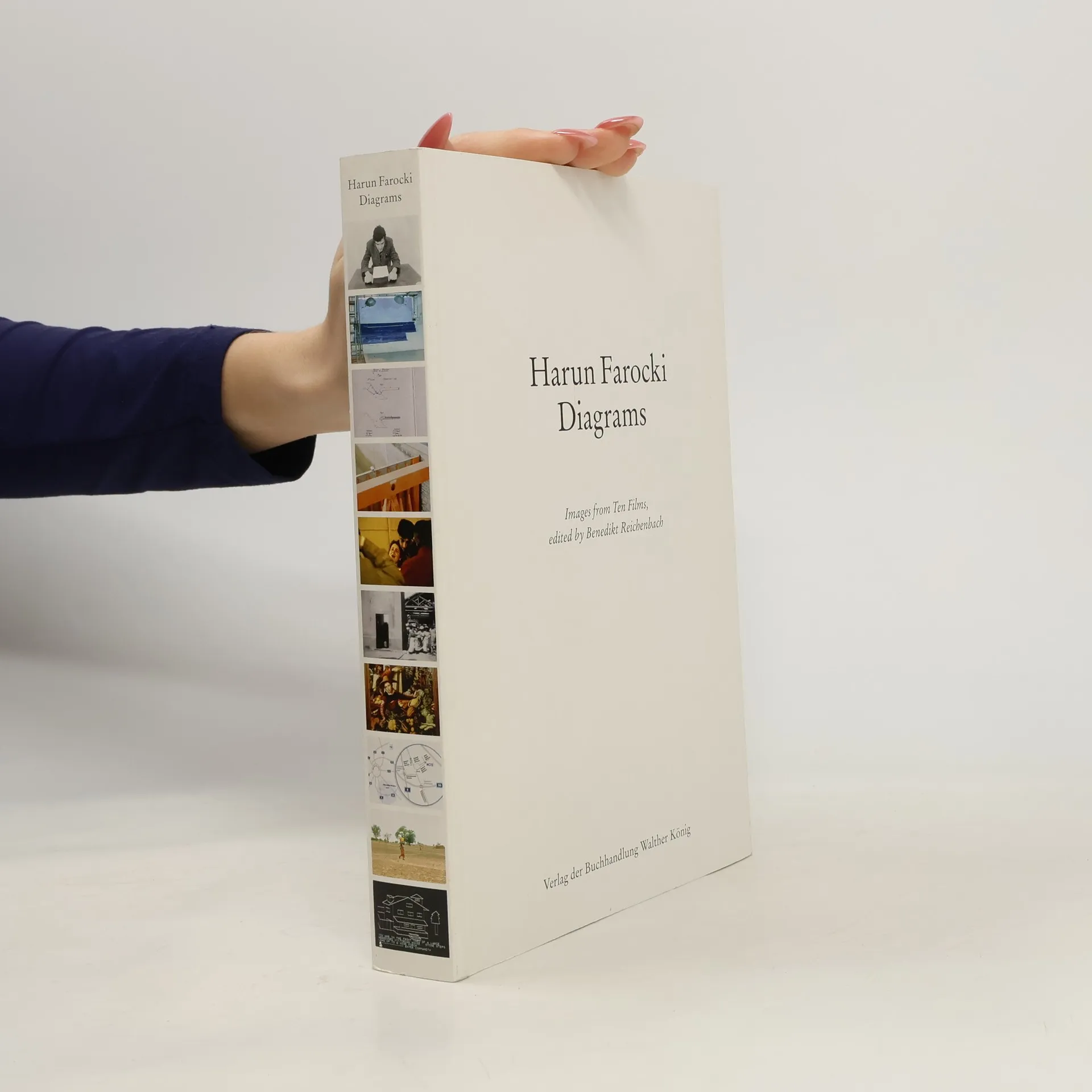
This publication attempts to map the visual approach of one of Germany's foremost documentary filmmakers, Harun Farocki (born 1944). Unlike other, more theoretical publications on his work, Diagrams looks at still images to trace specific movements and patterns in ten Farocki films.
This volume takes its cue from the ethnological concept of animism, a term for religions that view objects as having souls of their own. Animism emerged as an anthropological category in the nineteenth century, often occurring as a folk belief underlying more established religions, particularly in Africa and Southeast Asia. The term has proved also influential in psychoanalysis, where it denotes mental states in which no division is made between inner and outer realities. This volume brings together artworks, documents and artifacts to create an essayistic appraisal of works by such artists and filmmakers as Didier Demorcy, Walt Disney, Jimmie Durham, Eric Duvivier, Henri Michaux, Thomas Alva Edison, Candida Hofer, Luis Jacob, Ken Jacobs, Yayoi Kusama, Len Lye, Chris Marker, Alain Resnais, Daria Martin, Ana Mendieta, Hans Richter and others.
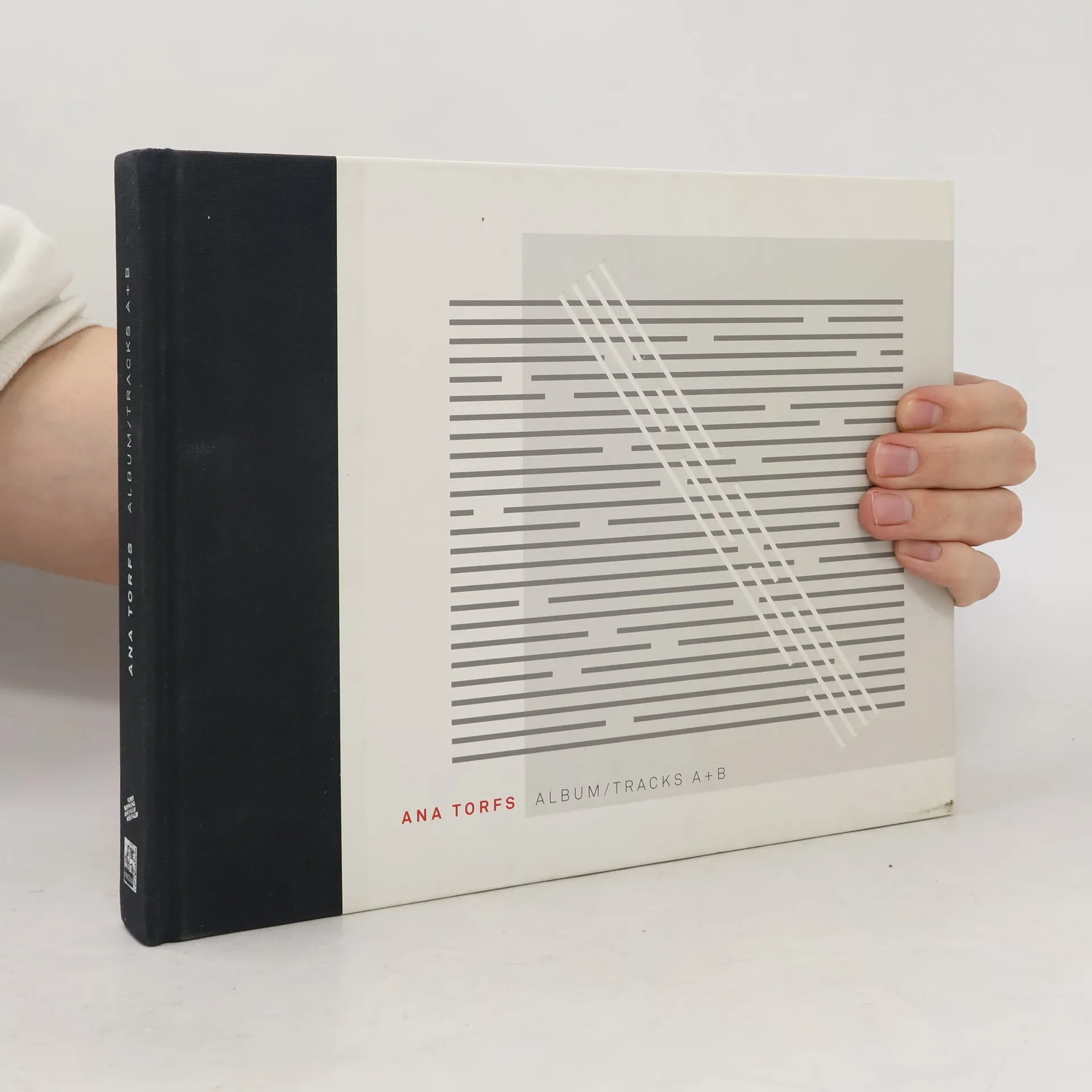
Album/Tracks A+B is a comprehensive catalogue on the Belgian artist Ana Torfs, published on the occasion of her solo exhibitions in K21, Düsseldorf and Generali Foundation, Vienna. Its title refers to the idea of a photo album that starts out empty and slowly comes to tell a story as it is filled with pictures. Ana Torfs' oeuvre pays homage to characters and events in history, literature and film, pursuing the traces they have left behind-their "tracks"-in order to breathe new life into them. Her subjects include Ludwig van Beethoven's conversation books (for Zyklus von Kleinigkeiten [ Cycle of Trifles ], 1998), a play by Maurice Maeterlinck (for The Intruder , 2004) and the court records surrounding the murders of Rosa Luxemburg and Karl Liebknecht (for Anatomy , 2006). Torfs' media range from film, video, slide installation and photographic series to xerography and silkscreen. This monograph, designed by Jurgen Persijn, comprehensively documents Torfs' œuvre between 1993 and 2010, with brief remarks on each individual work from critics Mieke Bal, Michael Glasmeier, Sabine Folie, Anselm Franke, Doris Krystof, Steven Jacobs, Gabriele Mackert, Friedrich Meschede and Catherine Robberechts. An introductory essay by Kassandra Nakas and an extensive correspondence between Gabriele Mackert and the artist complete this wide spectrum of perspectives on Torfs' work.
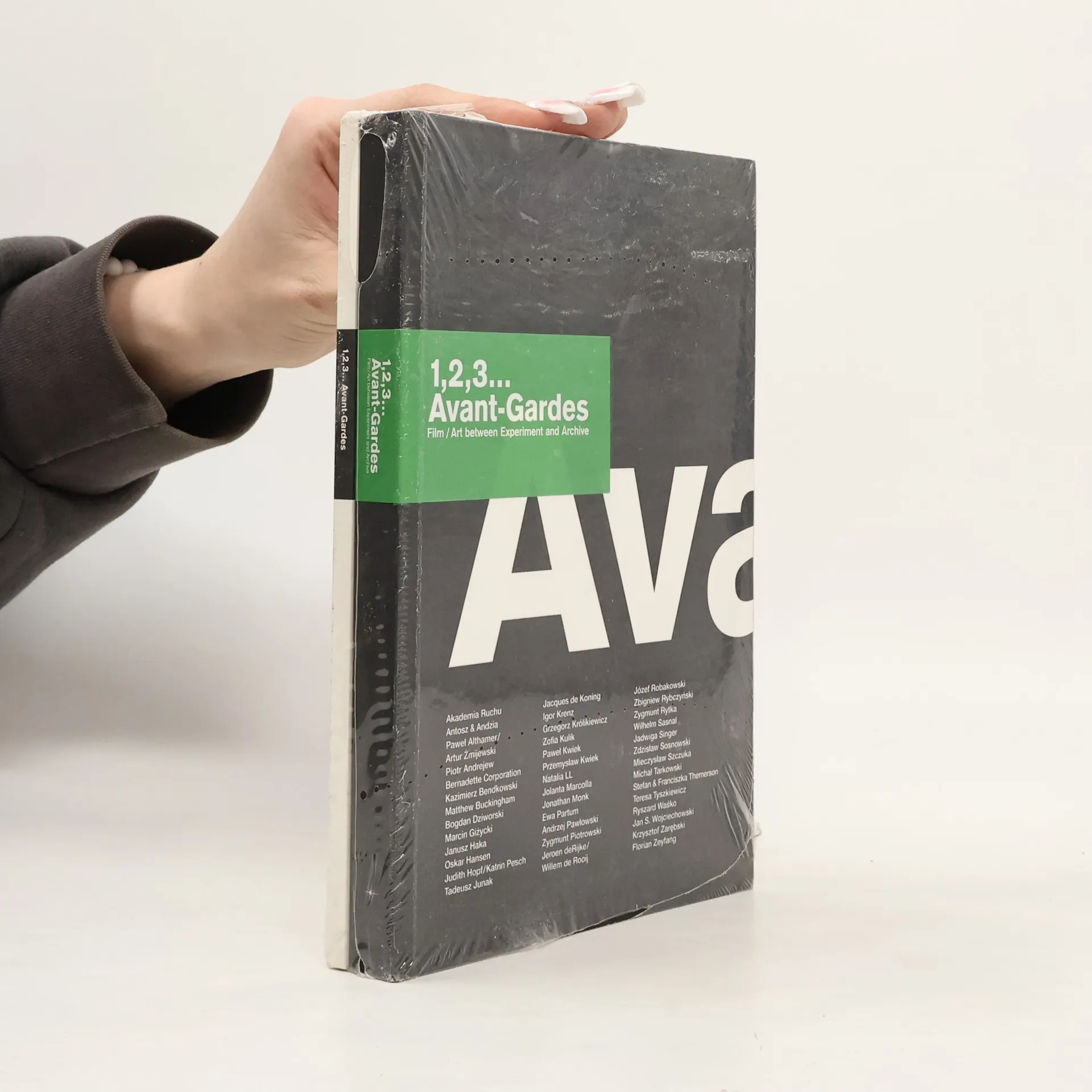
This publication functions as a testament to the variety of innovation in the rediscovered chapter of Polish experimental filmmaking and art during the cold-war years. 1,2,3...Avant-Gardes represents an exhibition and research project dedicated to the history of experimental film and art, and to the interaction between these two fields. The juxtaposition between the work of renowned Polish avant-garde filmmakers and international contemporary artists is categorized into five themes: Analytical Strategies, Political Film, Sound and Image, Imagination, Games and Participation, and Consumption. The text contextualizes the films convincingly into these concepts which are reinforced with artists projects/pages. Contemporary contributors include The Bernadette Corporation, Matthew Buckingham, Judith Hopf and Katrin Pesch, Igor Krenz, Jonathan Monk, Jeroen de Rijke and Willem de Rooij, and Wilhelm Sasnal. Finally, the outstanding history of Polish avant-garde film is presented in an archive containing descriptions of more than thirty films produced between 1920 and 1970.