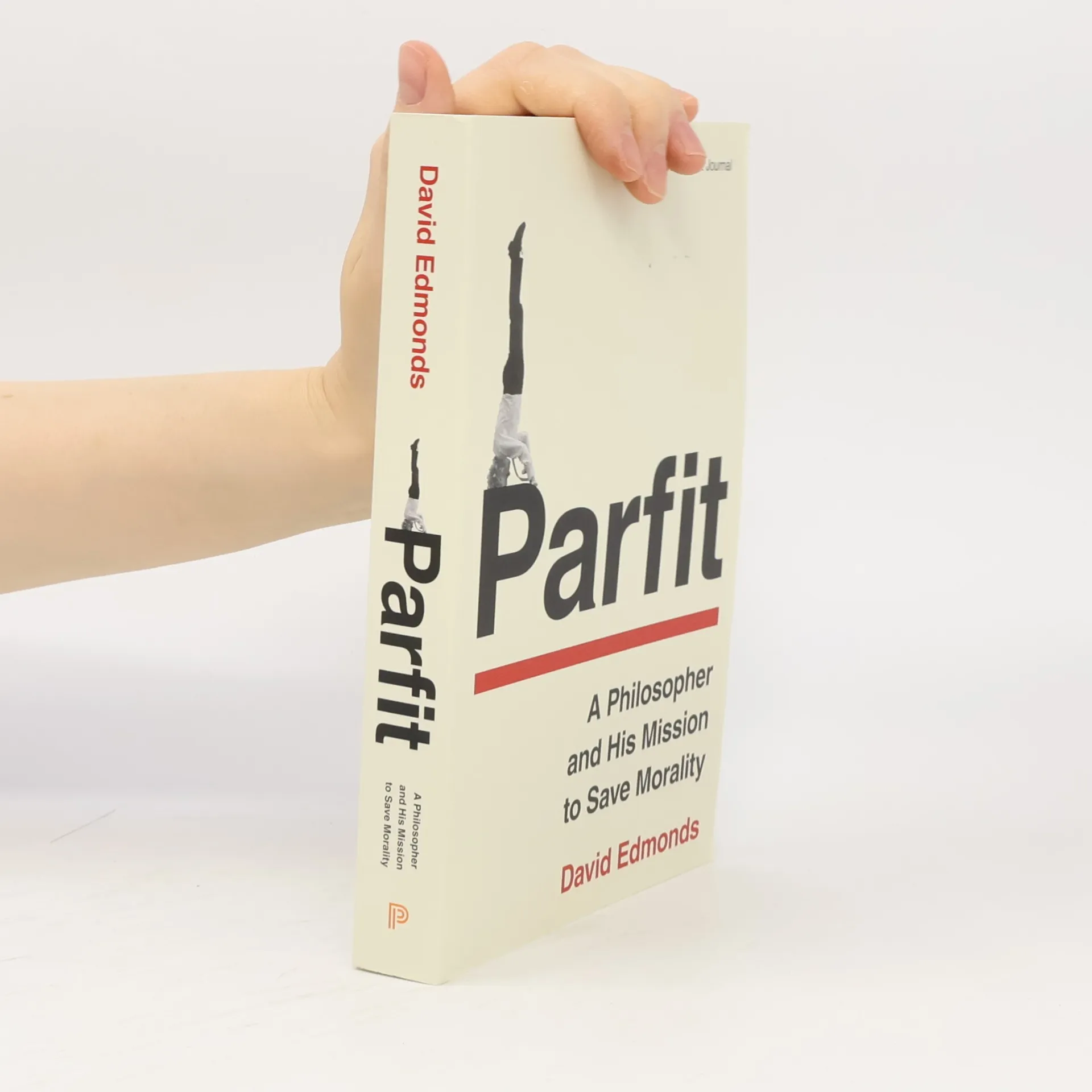
The biography explores the life and ideas of a renowned philosopher who sought to combat nihilism and restore meaning to morality. Through engaging storytelling, it delves into the philosopher's intellectual journey, highlighting key moments and influences that shaped their thinking. The narrative not only sheds light on their philosophical contributions but also offers insights into the broader implications of their work on ethics and human values.
David Edmonds Reihenfolge der Bücher (Chronologisch)
6. April 1964


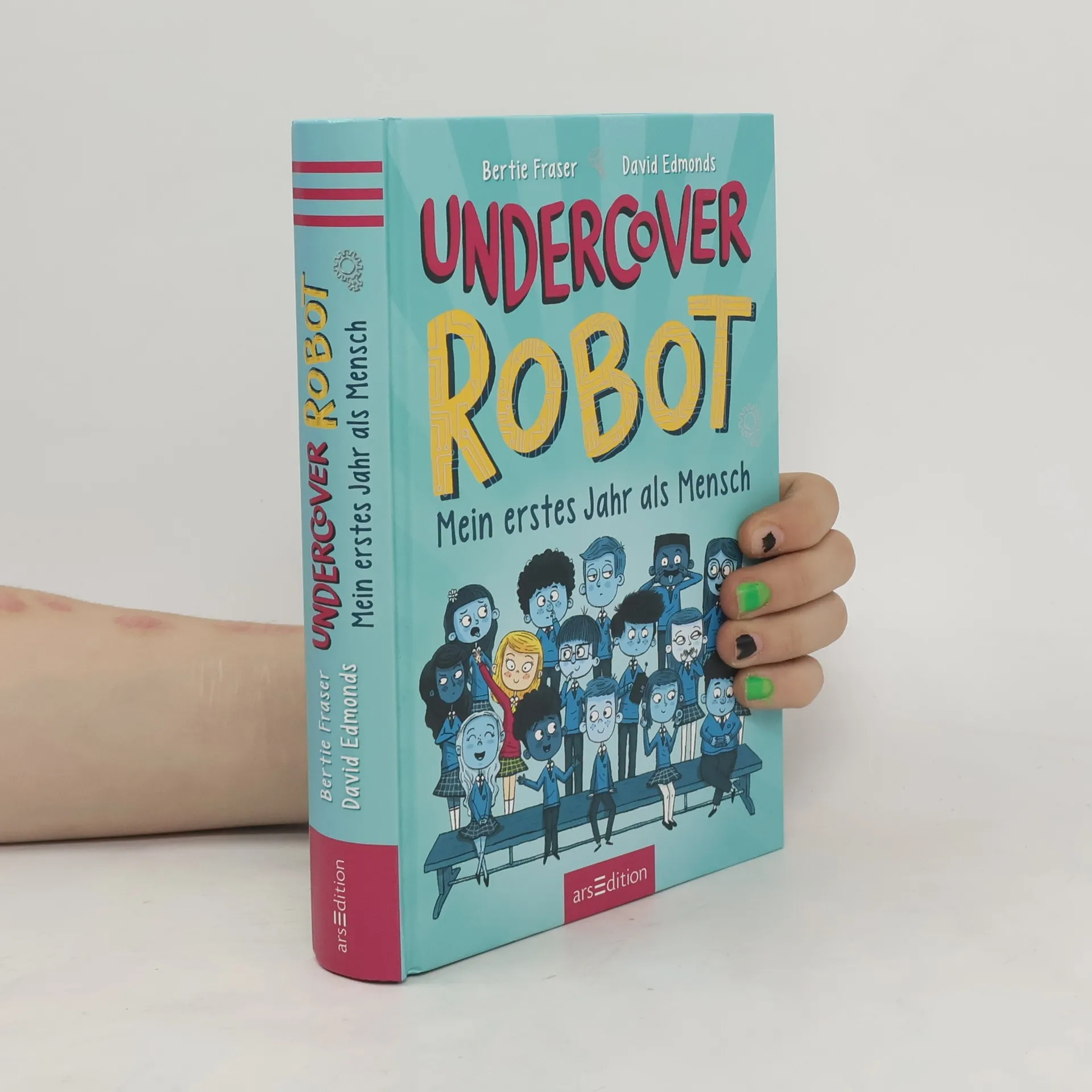
人类研发了5个高科技机器人,他们都被打造成11岁人类小孩的样子,并开展一项比赛——谁能成功地伪装成人类,一整年都不被发现的话,他的研发团队将获得巨额奖金。同时,只要有人能够成功地发现其中任何一个卧底机器人,这个人也将获得奖赏。小朵是其中一个机器人。她的同班同学马丁已经发现了小朵有点儿不对劲儿。一场人工智能与人类之间的智慧较量在校园中上演了……在学习“做人”的过程中,小朵的困惑:人类的生活中有许多规则,有时候人类会严格执行规则,有时候会执行得很宽松,也有时候人类完全无视规则,这是为什么呢?为什么人类有时候对自己也会不诚实呢?人类为什么渴望金钱?究竟什么才能带给人类快乐?翻开《卧底机器人》,和小朵一起探索人性吧!
Undercover Robot - Mein erstes Jahr als Mensch
- 256 Seiten
- 9 Lesestunden
Von Robotern, Mitschülern und anderen seltsamen WesenEin Kinderbuch über Schule, Familie und Freundschaft für Jungen und Mädchen ab 10 Jahren. Ein Roboter (heimlich!) in der SchuleDotty ist Teil eines supergeheimen Geheimprojekts. Ein Jahr lang soll das Robotermädchen eine normale Schule besuchen. Dabei darf niemand merken, dass sie gar kein echter Mensch ist. Dotty stolpert von einem Fettnäpfchen zum nächsten. Woher soll man als Roboter auch wissen, dass Lehrer nicht immer die Wahrheit hören wollen? Oder dass Regeln manchmal dazu da sind, gebrochen zu werden? Da brennen einem ja glatt die Schaltkreise durch! Wird Dotty es schaffen, ein ganzes Schuljahr undercover zu überstehen? Eine witzige, spannende und kluge Geschichte darüber, was es eigentlich heißt, ein Mensch zu sein - und worauf es im Leben wirklich ankommt. Mitreißende Geschichte mit Humor und Tiefgang: Die liebenswerte Heldin Dotty ist einfach zum Schieflachen und regt gleichzeitig zum Nachdenken anAb 10 Jahren: Dieses lustige Kinderbuch ist das ideale Geschenk für Jungen und Mädchen ab der 4. KlasseSo macht Lesen Spaß: Spannend, voller Humor und rasanter KomikExtra-Motivation: Zu diesem Buch gibt es ein Quiz bei Antolin Über das Buch„Undercover Robot – Mein erstes Jahr als Mensch“ ist eine spannende und lustige Abenteuergeschichte für Fans von „Bitte nicht öffnen!“. Ein großer Lesespaß für Jungen und Mädchen ab 10 Jahren.
Die Ermordung des Professor Schlick
Der Wiener Kreis und die dunklen Jahre der Philosophie
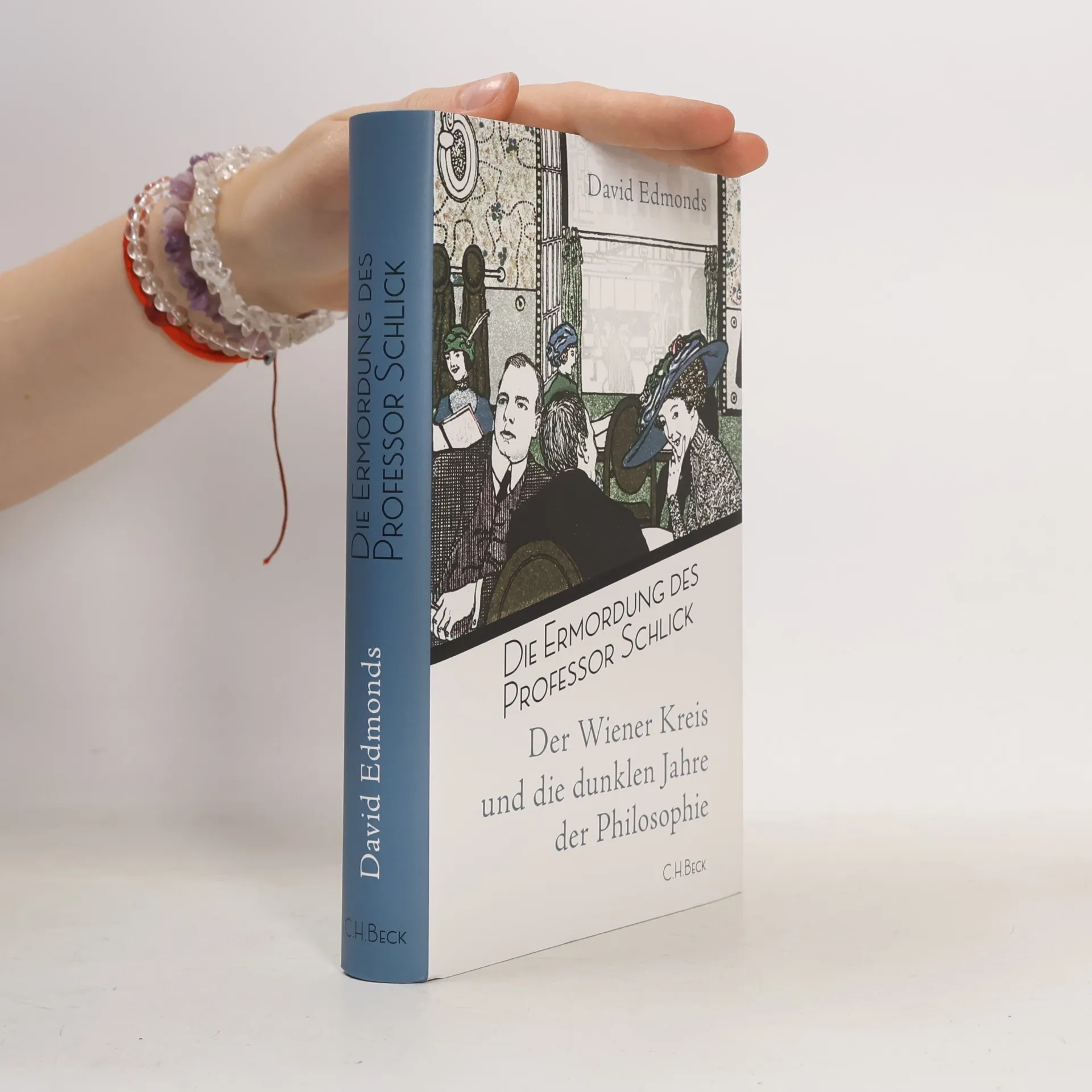
Am 22. Juni 1936 war der Philosoph Moritz Schlick auf dem Weg, um einen Vortrag an der Universität Wien zu halten, als Johann Nelböck, ein verwirrter ehemaliger Student von Schlick, ihn vor den Universitätsstufen erschoss. Einige österreichische Zeitungen verteidigten den Wahnsinnigen, während Nelböck vor Gericht argumentierte, sein ehemaliger Lehrer habe eine verräterische jüdische Philosophie gefördert. In einer fesselnden Erzählung, die vor dem Hintergrund des aufkommenden Extremismus im Hitler-Europa spielt, verfolgt David Edmonds den Aufstieg und Fall des Wiener Kreises – verbunden mit brillanten Denkern wie Otto Neurath, Kurt Gödel, Rudolf Carnap, Ludwig Wittgenstein und Karl Popper – und einer philosophischen Bewegung, die versuchte, Metaphysik und Pseudowissenschaft in einer von Unvernunft verdunkelten Stadt abzuschaffen.
Philosophy Bites Again
- 320 Seiten
- 12 Lesestunden
"27 leading thinkers on 27 intriguing topics."--Cover.
Würden Sie den dicken Mann töten?
Das Trolley-Problem und was uns Ihre Antwort über Richtig und Falsch verrät
- 260 Seiten
- 10 Lesestunden
Stellen Sie sich folgende Situation vor: Eine führerlose Straßenbahn (Trolley) rast auf fünf an die Gleise gekettete Menschen zu. Diese werden sterben, wenn die Bahn nicht aufgehalten wird. Sie stehen auf einer Brücke, neben Ihnen ein dicker Mann. Wenn Sie ihn auf die Gleise schubsen, wird er sterben, die Straßenbahn jedoch aufgehalten und die fünf anderen Menschen gerettet werden. Wie würden Sie entscheiden? Im Trolley-Problem offenbart sich ein ethisches Dilemma: darf man einen Einzelnen töten, wenn man dadurch fünf Andere rettet? Das Gedankenexperiment, das erstmals von der Philosophin Philippa Foot formuliert wurde, sagt viel über unsere fundamentalen Werte. David Edmonds zeigt welche gesellschaftlichen Fragen dieses moralische Dilemma aufwirft – und welche Antworten die Philosophie und andere Disziplinen gefunden haben.
Auf den Schultern von Riesen
- 317 Seiten
- 12 Lesestunden
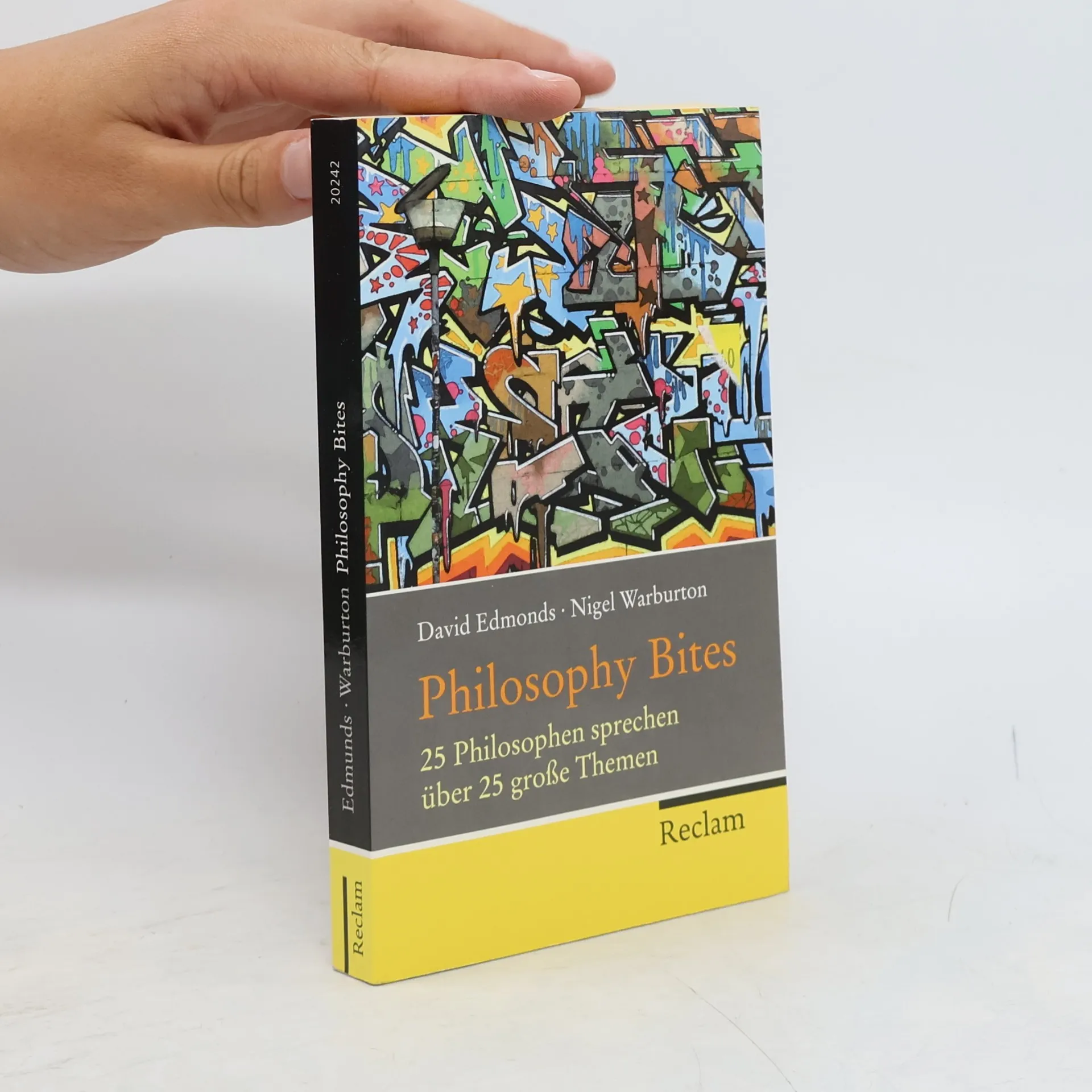
Die besten Gespräche von Philosophen über Philosophie aus dem vielbesuchten podcast 'philosophy bites': Es geht um den jeweiligen Lieblingsphilosophen der 27 Interviewten. Über diesen persönlichen (oft von großer Begeisterung geprägten) Zugang wird es dem Leser leichtgemacht, auch schwierigste Sachverhalte (wie Kants kritische Philosophie, Hegels Verständnis von Dialektik oder Kierkegaards Sicht des Christentums) zu verstehen. Der Band wird so zu einer vorzüglichen Einführung für alle an Philosophie Interessierten. Er eignet sich sowohl für das Selbststudium als auch für jegliche Form von gemeinsamer Lektüre und für den Schulunterricht. Gesprächspartner von Edmonds und Warburton sind u. a. Anthony Kenny, Peter Millican, Peter Singer, Quentin Skinner und Mary Warnock.
Dieses Buch begann als Serie von podcast-Interviews im Internet: Aus weit über hundert Gesprächen zu einem bestimmten Thema mit jeweils einem großen Philosophen wurden die fünfundzwanzig besten Dialoge ausgewählt - entstanden ist so eine Einführung in die Philosophie der etwas anderen Art. In lockerer Form werden grundlegende Themen der Philosophie behandelt: Toleranz, wissenschaftlicher Realismus, Geist und Körper, Zeit und Unendlichkeit, Skeptizismus, Relativismus, Freundschaft und Politik, der Sinn des Lebens, das Problem des Bösen. Gesprächspartner von Edmonds und Warburton sind u. a. Simon Blackburn, Don Cupitt, Stephen Law, David Papineau, Michael Sandel, Peter Singer, Barry Stroud oder Tzvetan Todorov.
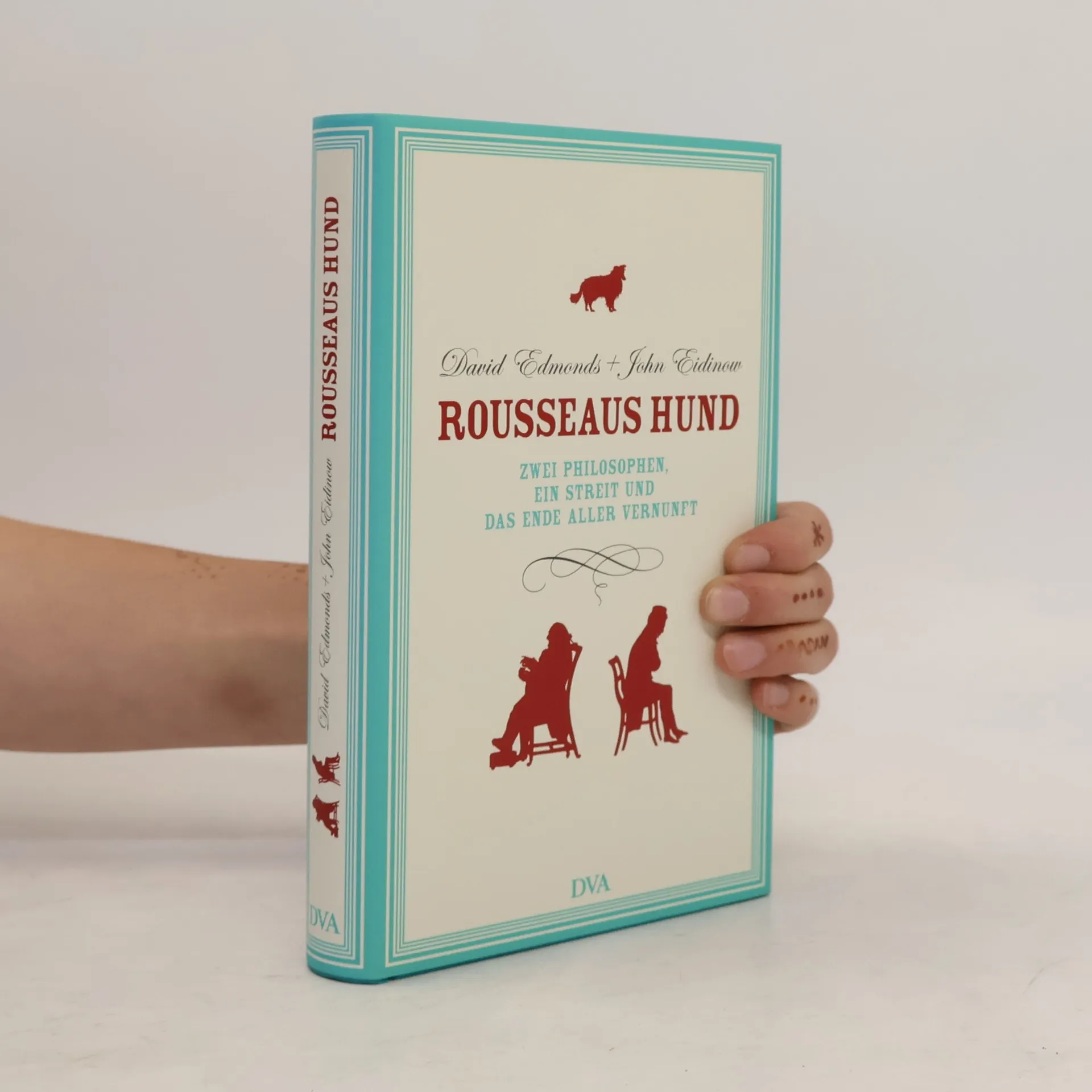
Der Streit zwischen David Hume und Jean-Jacques Rousseau zählt zu den bewegendsten Episoden im Leben des schottischen Philosophen. Ihre kurze Zeit in England begann vielversprechend, endete jedoch in einem tiefen Konflikt. In einer historisch-geistesgeschichtlichen Analyse beleuchten die Autoren David Edmonds und John Eidinow das Leben dieser beiden einflussreichen Denker des 18. Jahrhunderts und schildern, wie ihre Freundschaft durch unterschiedliche Charaktere zerbrach. 1766 bietet Hume dem Schweizer Schriftsteller Rousseau, der als 'Flüchtling' in England ist, mit seinem geliebten Hund Sultan Asyl an. Was als innige Freundschaft beginnt, verwandelt sich schnell in einen unversöhnlichen Streit. Kaum in London angekommen, entwickelt Rousseau einen Verfolgungswahn und beschuldigt Hume öffentlich, ihn nur nach England geholt zu haben, um ihn zu entehren und zu vernichten. Edmonds und Eidinow gelingt es erneut, die Lebenswege dieser beiden 'Kontrahenten' spannend und unterhaltsam nachzuzeichnen, bis sie in eine öffentliche Auseinandersetzung münden. Diese Doppelbiographie vereint Geistesgeschichte, gut recherchierte Erzählung und ein eindrucksvolles Sittenbild der Zeit und präsentiert sich als erzählendes Sachbuch 'par excellence'.
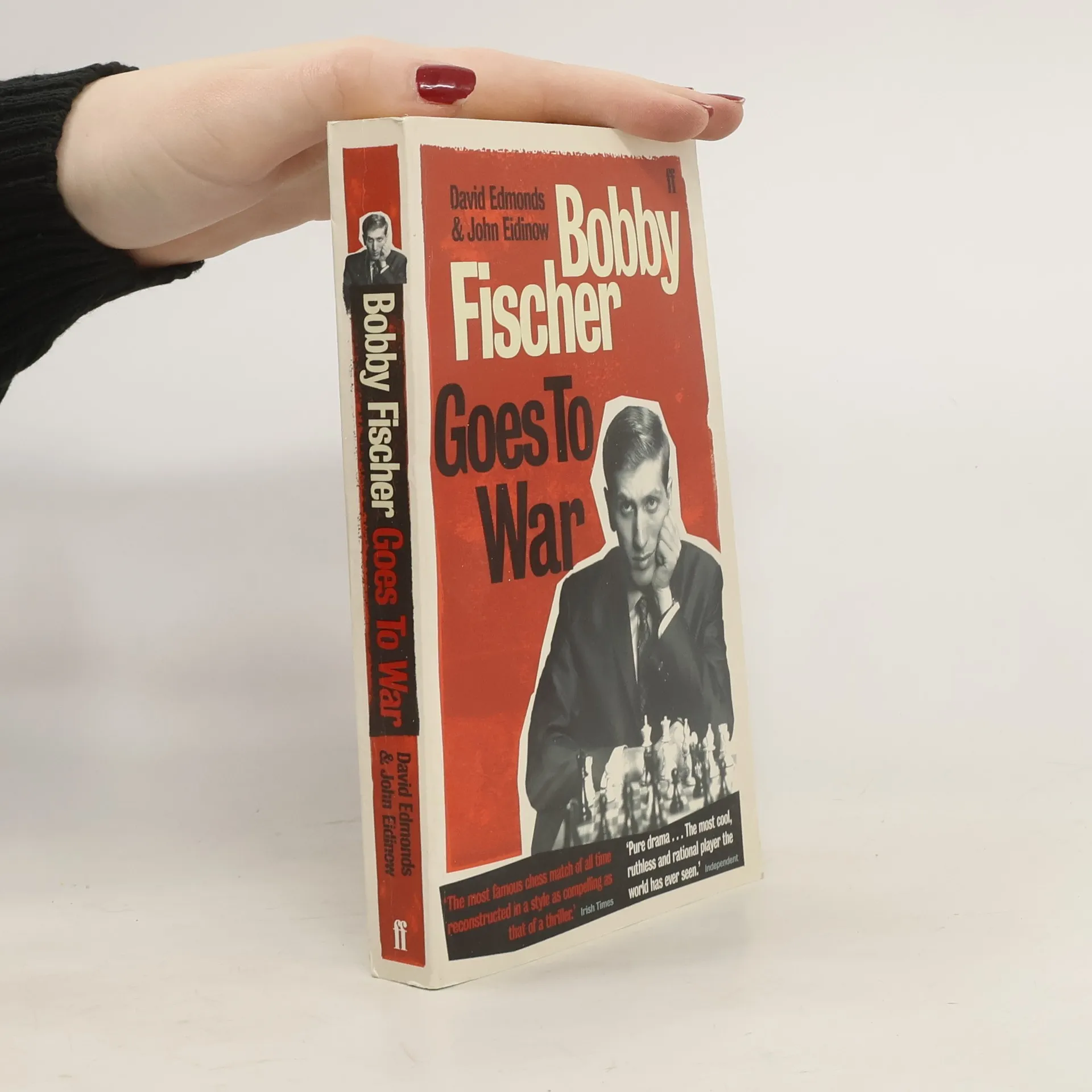
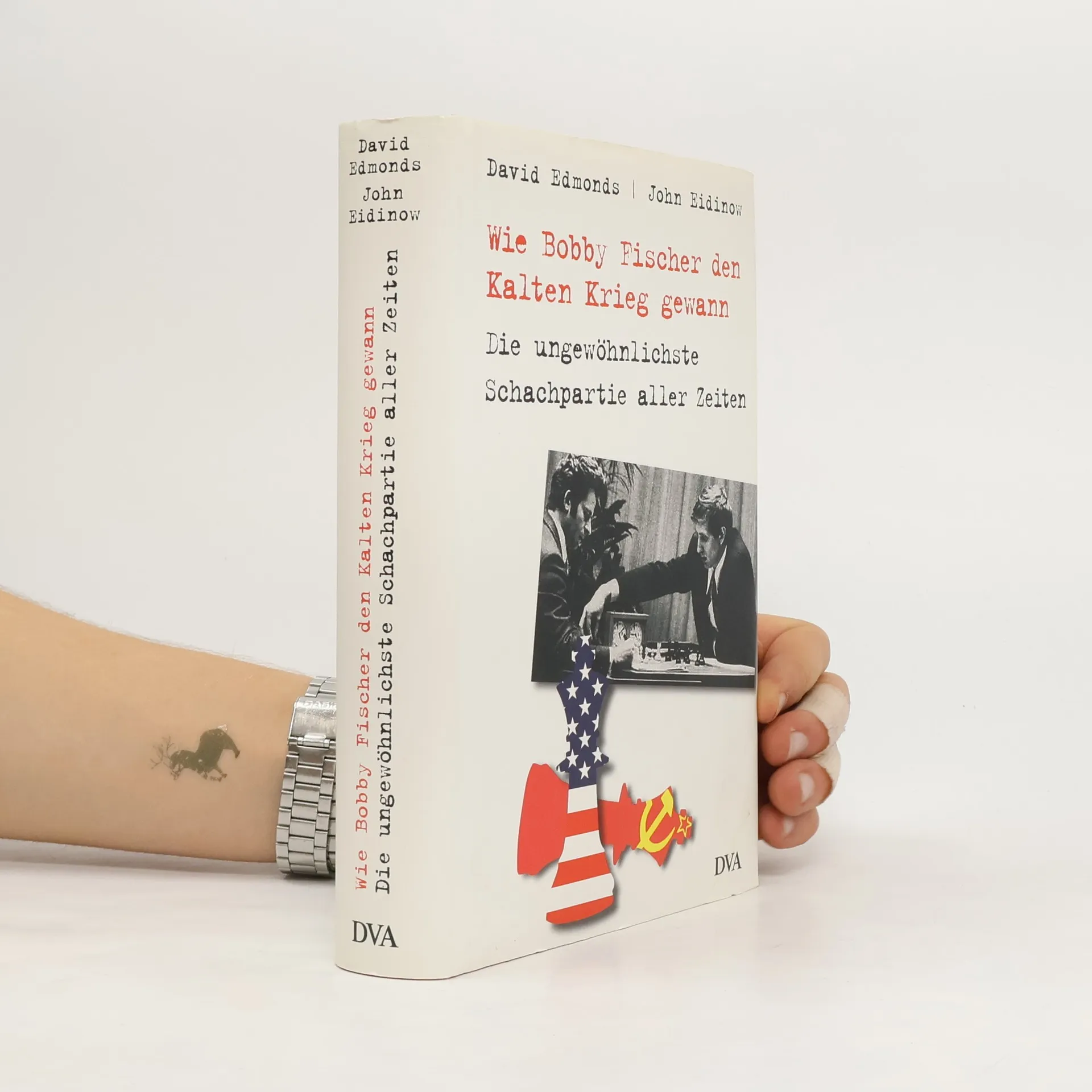
But in 1972 along came the American, Bobby Fischer: insolent, arrogant, abusive, vain, greedy, vulgar, bigoted, paranoid and obsessive - and apparently unstoppable. Against him was Boris Spassky: complex, sensitive, the most un-Soviet of champions.
The Oxford Reverse Dictionary
- 403 Seiten
- 15 Lesestunden
How do you find those elusive words that you just can't bring to mind but are on the tip of your tongue? Can you remember the word used to describe a fear of heights? Do you know the word for the plastic used for gramophone records? What is the word for a water slide at a swimming pool?The Oxford Reverse Dictionary will help you find words you can't remember whereas a thesaurus will find alternatives to a word that you know. Words are grouped by subject-related key words, for example lapdog, pack, retriever, and hackles can all be found under the key word dog.*Contains 31,000 entries listed under a wide range of subject areas and key words* Ideal for crossword and other word game lovers who want to find the words that they are looking for* A perfect vocabulary builder, it gives information on related adjectives, irregular plurals, and combining forms
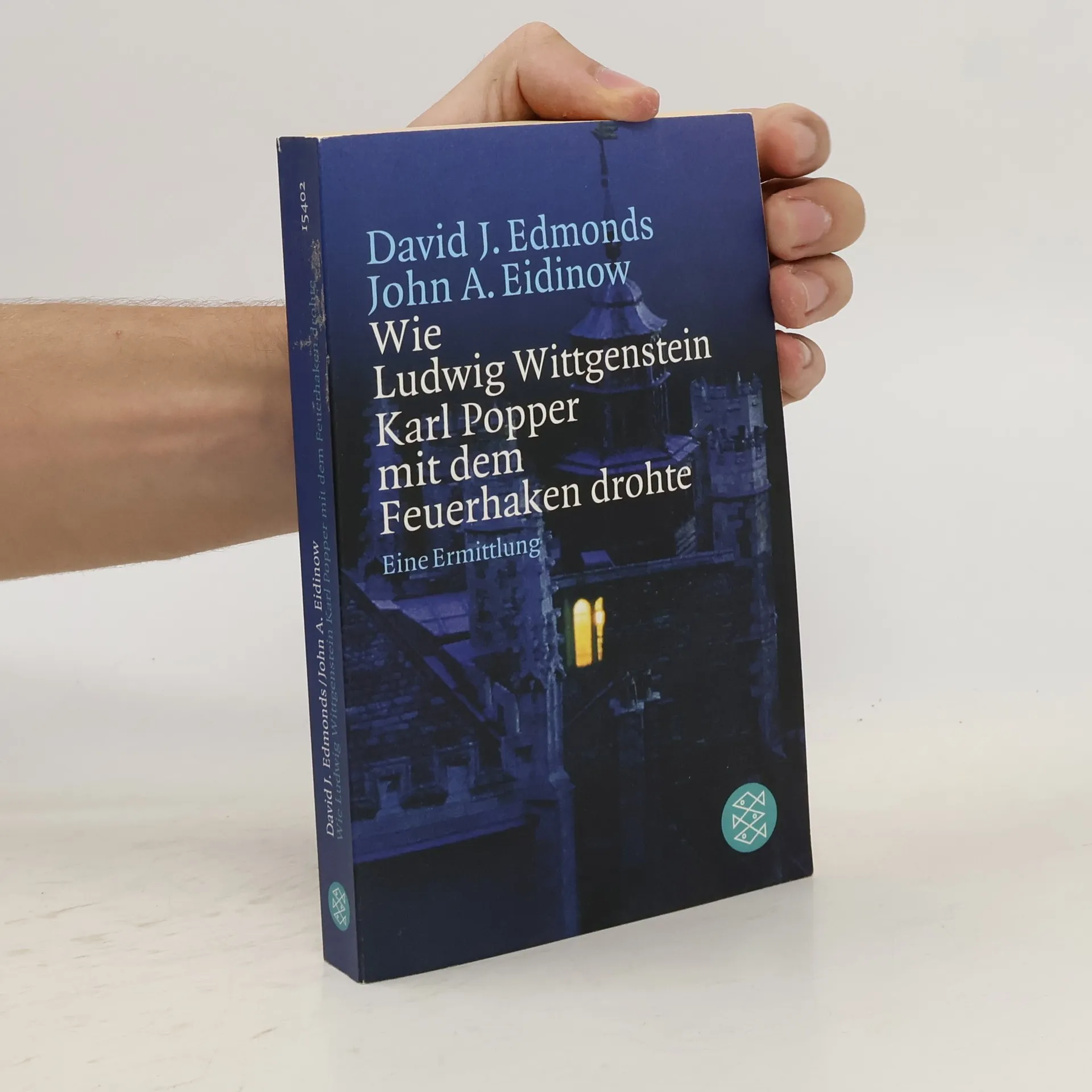
Wie Ludwig Wittgenstein Karl Popper mit dem Feuerhaken drohte
- 283 Seiten
- 10 Lesestunden
Nach einer in vielen Varianten überlieferten Anekdote bedrohte bei ihrer ersten und einzigen persönlichen Begegnung Wittgenstein Popper mit einem Feuerhaken. Was sich tatsächlich hinter der bekannten Geschichte verbirgt, was am 25. Oktober 1946 bei der Begegnung wirklich geschah, decken die beiden Autoren in einer historisch-philosophischen Recherche auf.