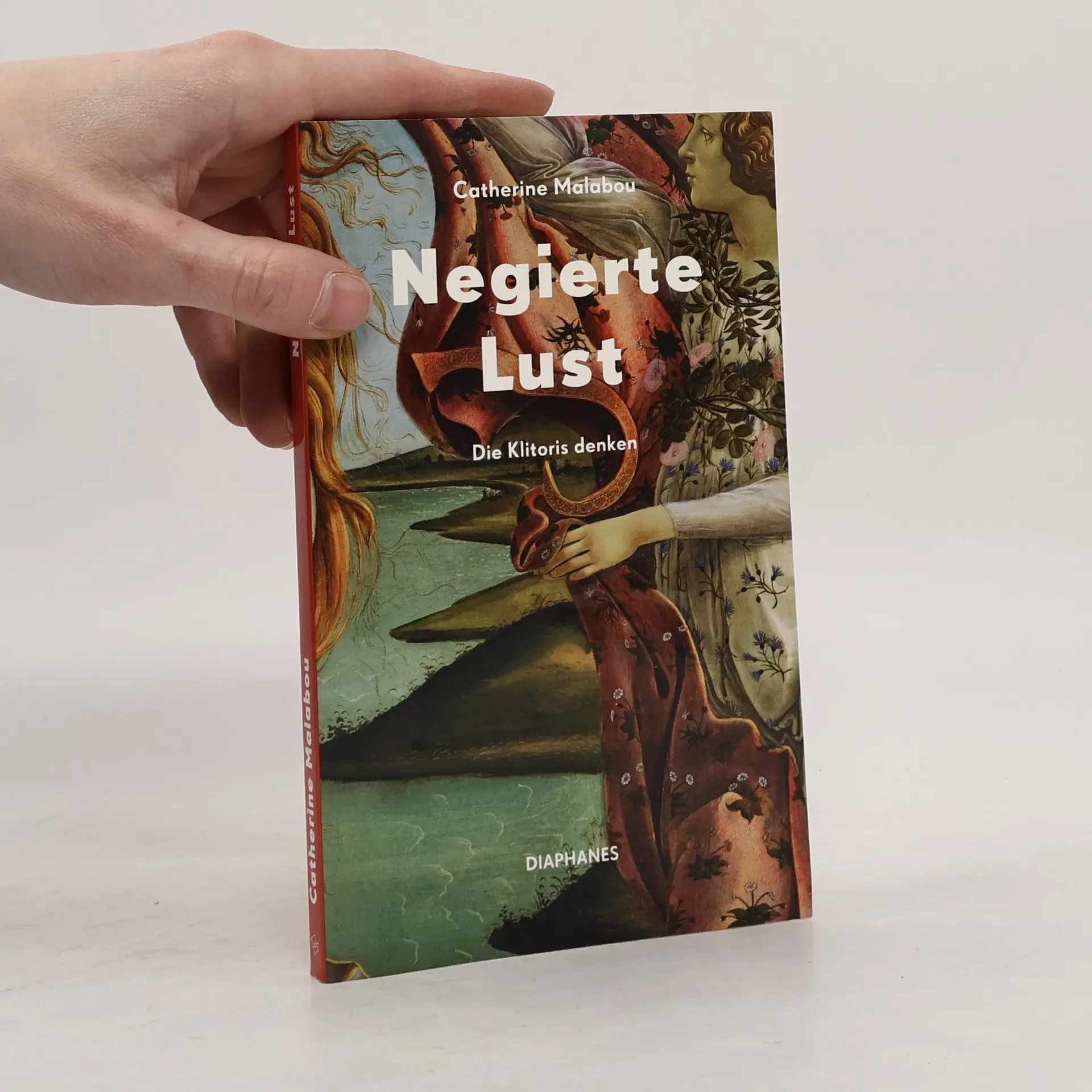
In diesem engagierten Essay beleuchtet Catherine Malabou die lange Ignoranz gegenüber der Klitoris als Symbol weiblicher Lust und Identität. Sie verbindet historische und philosophische Perspektiven und fordert eine neue Sprache für Geschlecht und Politik, während sie die fortwährenden Gewaltakte gegen Frauen thematisiert.
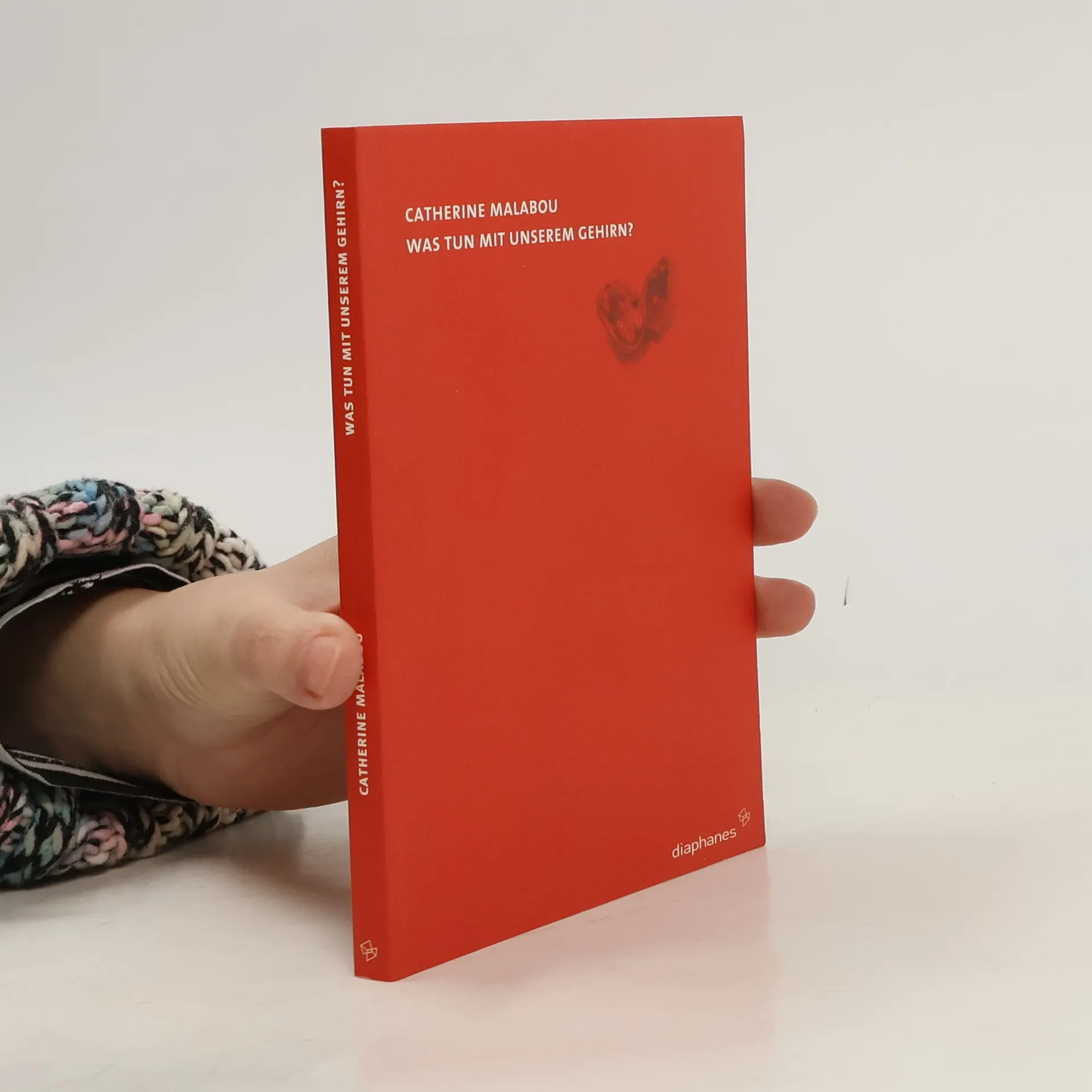
Was tun mit unserem Gehirn? Das ist nicht nur eine Frage für Philosophen, Wissenschaftler oder Politiker... Warum sind wir, wenn unser Gehirn plastisch, formbar und frei ist, noch immer derart in Grenzen und gesellschaftlicher Unfreiheit gefangen? Warum wissen wir mit unserer Erkenntnis von Milliarden Neuronen, unzähligen Verknüpfungen, die zudem ein Leben lang formbar, gestaltbar sind, nichts anzufangen: Das Gehirn bildet sich von alleine, es ist sensibel auf äußere Reize, die seine Entwicklung beeinflussen, es kann sich selbst heilen und es ist eine Metapher unseres gesellschaftlichen Zustandes. Das Gehirn war immer Gegenstand politischer Metaphernbildung: Sehen wir in ihm aber nicht länger eine starre Zentralmacht, sondern finden wir in ihm ein Modell für die Wandlungsfähigkeit, so resultieren daraus weitreichende Perspektiven. Cathérine Malabou fordert in ihrem kühnen Essay einen bewussteren Umgang, einen neuen Blick und eine neue Perspektive für einen tiefgehenden Wandel. In Entgegensetzung zu dem vom gegenwärtigen Kapitalismus geforderten »flexiblen Menschen« bringt sie den Begriff der »Plastizität« in Stellung und skizziert von diesem ausgehend Chancen einer anderen gesellschaftlichen Entwicklung.
Exploring the impact of Hegel on continental philosophy, this significant work delves into the themes and conclusions drawn by Catherine Malabou. It features a substantial preface by Jacques Derrida, enhancing the reader's understanding of Hegel's relevance today. This edition marks the first English publication, making it an essential resource for those interested in Hegelian thought and its contemporary implications.
25 essays showcase Malabou's rounded philosophical project: 17 previously
published and 8 brand new. In them, Malabou carves a philosophical space
between structuralism, deconstruction, cognitive psychology, psychoanalysis
and speculative realism.
"Stop Thief!" critiques contemporary philosophers who borrow from anarchism without embracing it. Catherine Malabou argues for a redefined concept of anarchy, focusing on the "non-governable" as a means to challenge political domination. The book emphasizes anarchism as essential for fostering confidence and survival in today's political landscape.
Acclaimed philosopher Catherine Malabou traces the modern metamorphoses of
intelligence, seeking to understand how neurobiological and neurotechnological
advances have transformed our present-day view. She emphasizes the
intertwined, networked relationships among the biological, the technological,
and the symbolic.
Catherine Malabou is a rising star of French philosophy and has a high
reputation in the English speaking world. This is the second of several books
by her that Polity will publish, the first being Changing Difference.
Derrière la question de l'Être de Martin Heidegger se cache une autre question encore insuffisamment abordée dans la philosophie continentale : le changement. Catherine Malabou, l'une des philosophes contemporaines les plus inventives de France, explore ce sujet dans les écrits de Heidegger à travers les thèmes de la métamorphose, de la migration, de l'échange et de la modification, trouvant et articulant une théorie radicale de la transformabilité ontico-ontologique. Le changement Heidegger esquisse les implications de cette théorie pour un large éventail de problématiques centrales aux sciences humaines : le capitalisme, le don, l'éthique, la souffrance, le biologique, la technologie, l'imagination et le temps.
Ce livre restaure les concepts riches et complexes de Hegel sur le temps et la temporalité dans la philosophie contemporaine. Il examine son concept de temps, le reliant à des thèmes permanents de la philosophie tels que la substance, l'accident et l'identité du sujet. Catherine Malabou contraste également son interprétation de la temporalité hégélienne avec celle donnée par Heidegger, soutenant que c'est le concept de 'plasticité' qui décrit le mieux la théorie de la temporalité de Hegel. L'avenir est compris non seulement comme un moment dans le temps, mais comme quelque chose de malléable et constamment ouvert au changement à travers notre interprétation. Le livre développe également la préoccupation de Hegel pour l'histoire de la pensée grecque et du christianisme et explore le rôle de la théologie dans sa pensée. Lecture essentielle pour ceux qui s'intéressent à Hegel et à la philosophie continentale contemporaine, ce livre est également fascinant pour ceux intéressés par les idées de Heidegger et Derrida.
Catherine Malabou se ve dvou knihách z poloviny nultých let 21. století prostřednictvím pojmu plasticity vyrovnává s filozofickou tradicí, která ji formovala, tím, že ji přepisuje coby proces proměny mezi dialektikou a dekonstrukcí. Současně vedle sebe staví organizaci nervového systému a politickou a sociální organizaci, která podmiňuje lidskou zkušenost a zároveň je jí podmiňována, přičemž rozvíjí radikální pojetí plasticity v její transformativnosti ve snaze vyhnout se jejímu ztotožnění s pouhou flexibilitou a přizpůsobivostí.