'Mamdani deckt die Lügen, Stereotypisierungen und leichtfertigen Generalisierungen auf, mit denen die USA ihr Verhalten gegenüber der muslimischen Welt begründen. Bestürzend, aber essentiell.' J. M. Coetzee Der in Uganda geborene Sohn indischer Einwanderer, heute Professor an der Columbia Universität in New York, schreibt über religiösen Fundamentalismus und seine politischen Auswirkungen. Er wendet sich gegen die Vorstellung vom 'clash of civilizations' zwischen dem Islam und dem Westen und schildert, wie die 'Achse des Bösen' aus den von den US-Amerikanern geförderten antikommunistischen Stellvertreterkriegen nach der Niederlage in Vietnam entstand. In diesem Buch – protegiert von Edward Said – zeigt sich Mamdani als leidenschaftlicher Häretiker.
Mahmood Mamdani Bücher
Mahmood Mamdani ist ein angesehener Gelehrter, dessen Werk das komplexe Zusammenspiel von Geschichte, Politik und Identität kritisch untersucht. In seinen scharfsinnigen Analysen befasst er sich mit drängenden globalen Fragen und bietet tiefe Einblicke in die Kräfte, die zeitgenössische Gesellschaften prägen. Seine Schriften stellen konventionelle Narrative in Frage und ermutigen die Leser, etablierte Sichtweisen auf Konflikte und Macht zu überdenken. Mamdanis Ansatz zeichnet sich durch eine tiefe Auseinandersetzung mit den sozialpolitischen Realitäten marginalisierter Gemeinschaften aus, was seine Beiträge für das Verständnis unserer vernetzten Welt unerlässlich macht.



From Citizen to Refugee
- 104 Seiten
- 4 Lesestunden
Forty years after the 1972 expulsion of Asians from Uganda, this vivid account interweaves gripping personal stories with an examination of Uganda's colonial history, the evolution of post-independence politics and the politicisation of racial identity.
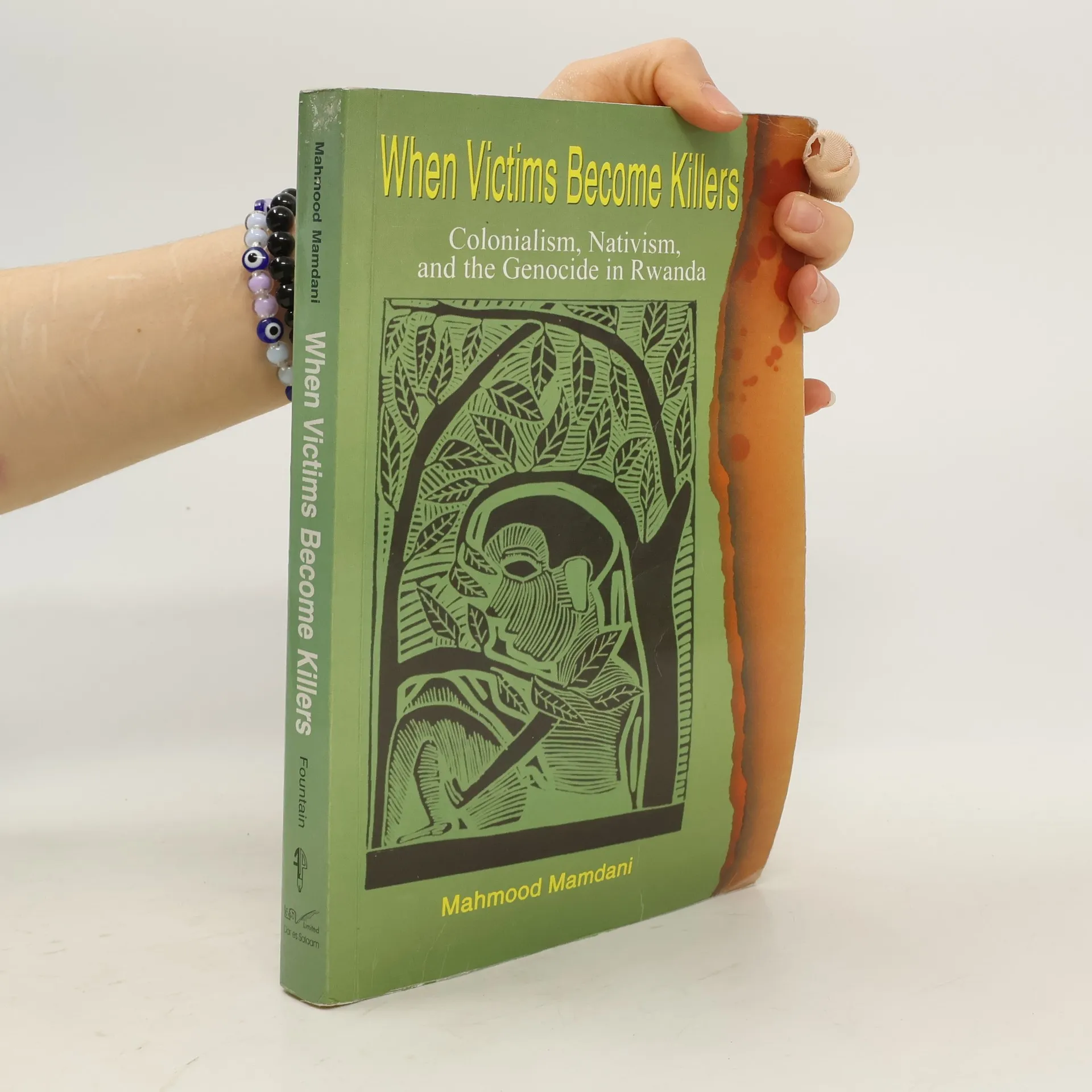
When Victims Become Killers
Colonialism, Nativism, and the Genocide in Rwanda
- 392 Seiten
- 14 Lesestunden
The book offers a thorough examination of the factors leading to the Rwandan genocide and its aftermath. It delves into the historical, political, and social dynamics that fueled the conflict, analyzing the roles of various actors involved. By exploring the devastating impact on the Rwandan population and the international community's response, the narrative provides a critical understanding of the complexities surrounding this tragic event. The insights aim to foster a deeper awareness of genocide and its lingering effects on society.
Exploring the interplay between nation-states and colonial states, the author argues that the formation of ethnic and religious majorities often stems from the violent suppression of minorities. By examining diverse cases from the United States to Eastern Europe, Israel, and Sudan, Mahmood Mamdani proposes a transformative idea: a state that exists independently of a singular national identity. This radical solution challenges conventional notions of statehood and offers a new perspective on governance and identity.
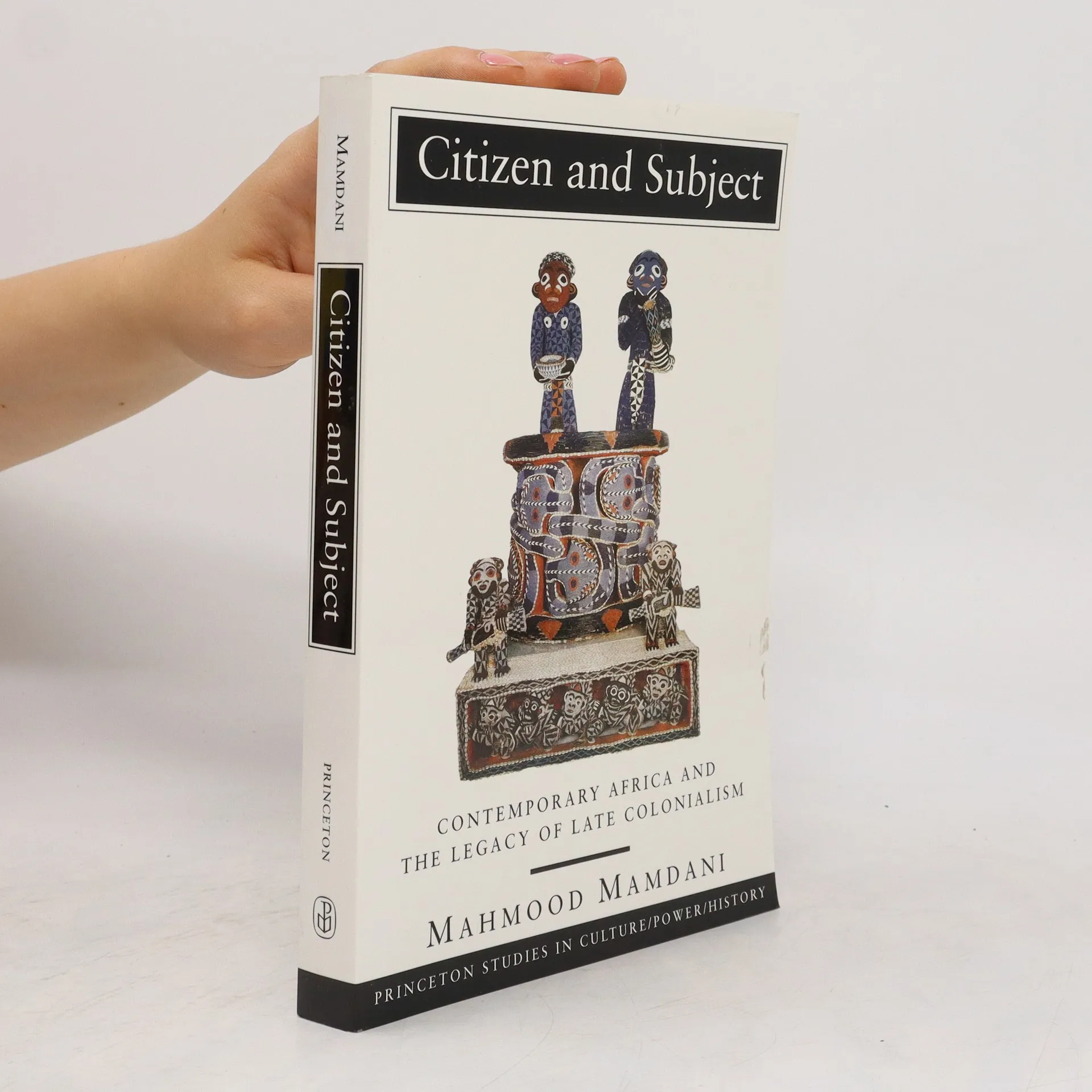
Offers an account of colonialism's legacy - a bifurcated power that mediated racial domination through tribally organized local authorities, reproducing racial identity in citizens and ethnic identity in subjects. This book shows that Apartheid was the generic form of the colonial state in Africa.
JEP Book - 2: Uganda
Studies in Living Conditions, Popular Movements, and Constitutionalism
- 636 Seiten
- 23 Lesestunden
When Victims Become Killers
- 364 Seiten
- 13 Lesestunden
Reconstructie van de genocide op de Tutsi's door de Hutu's in Rwanda in 1994..