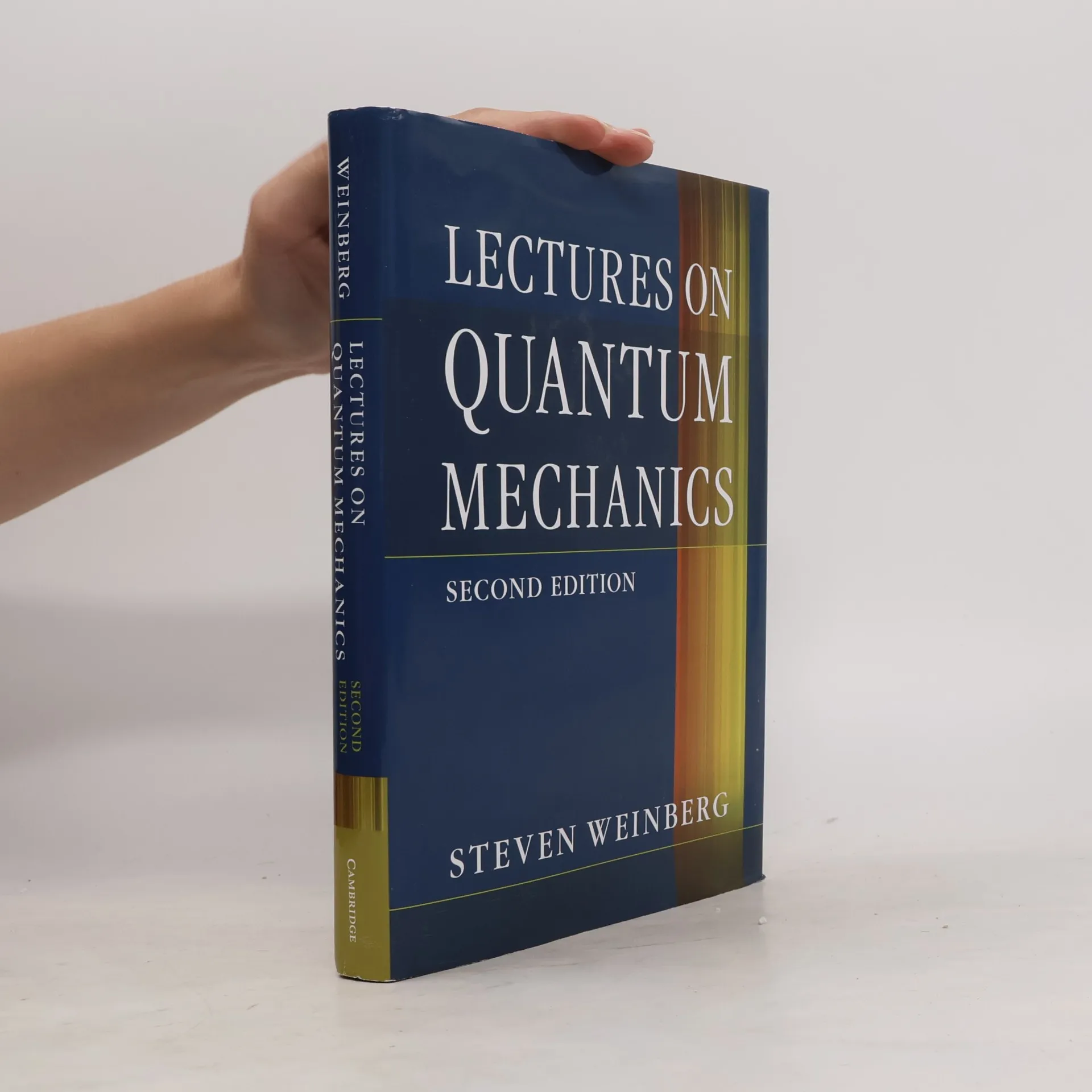
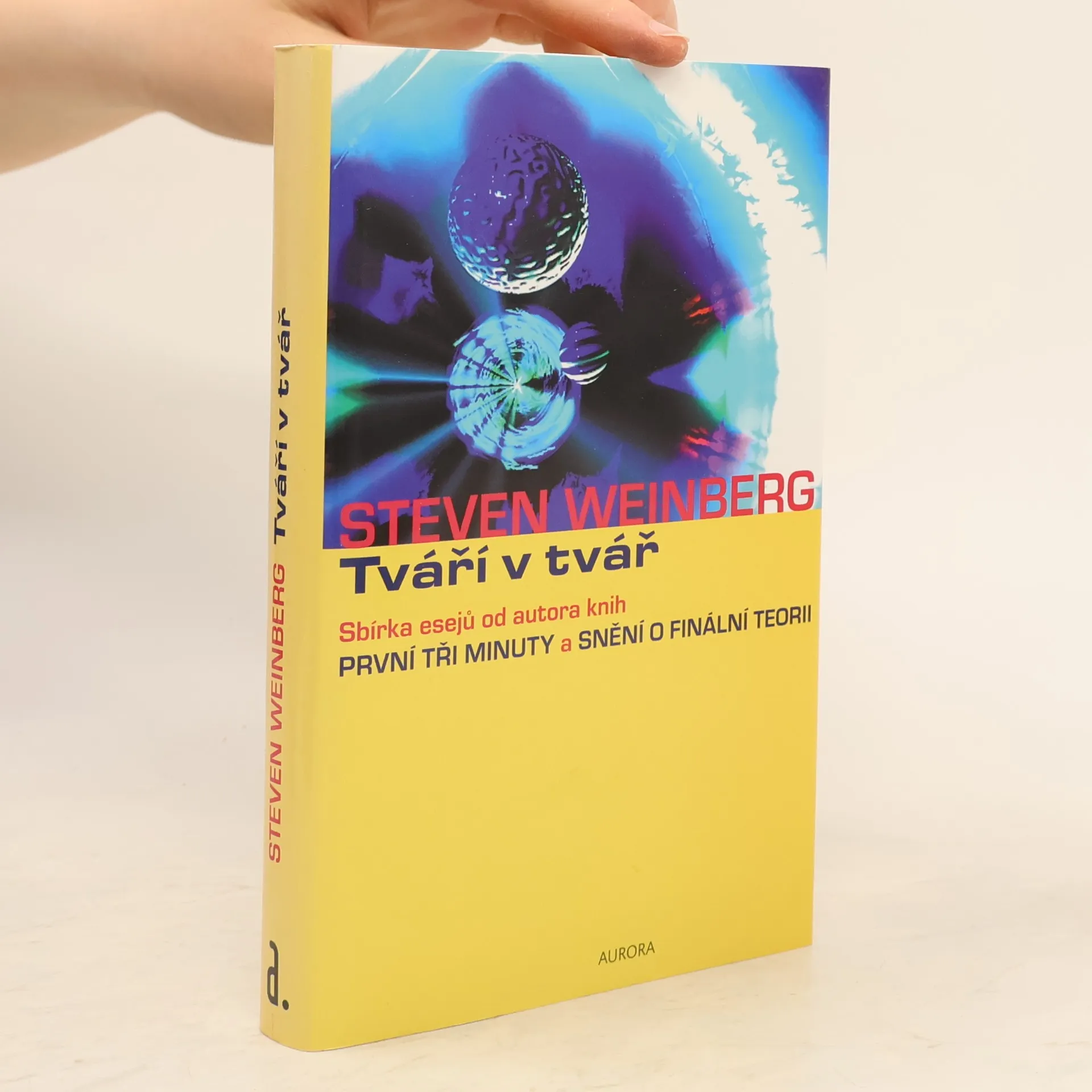
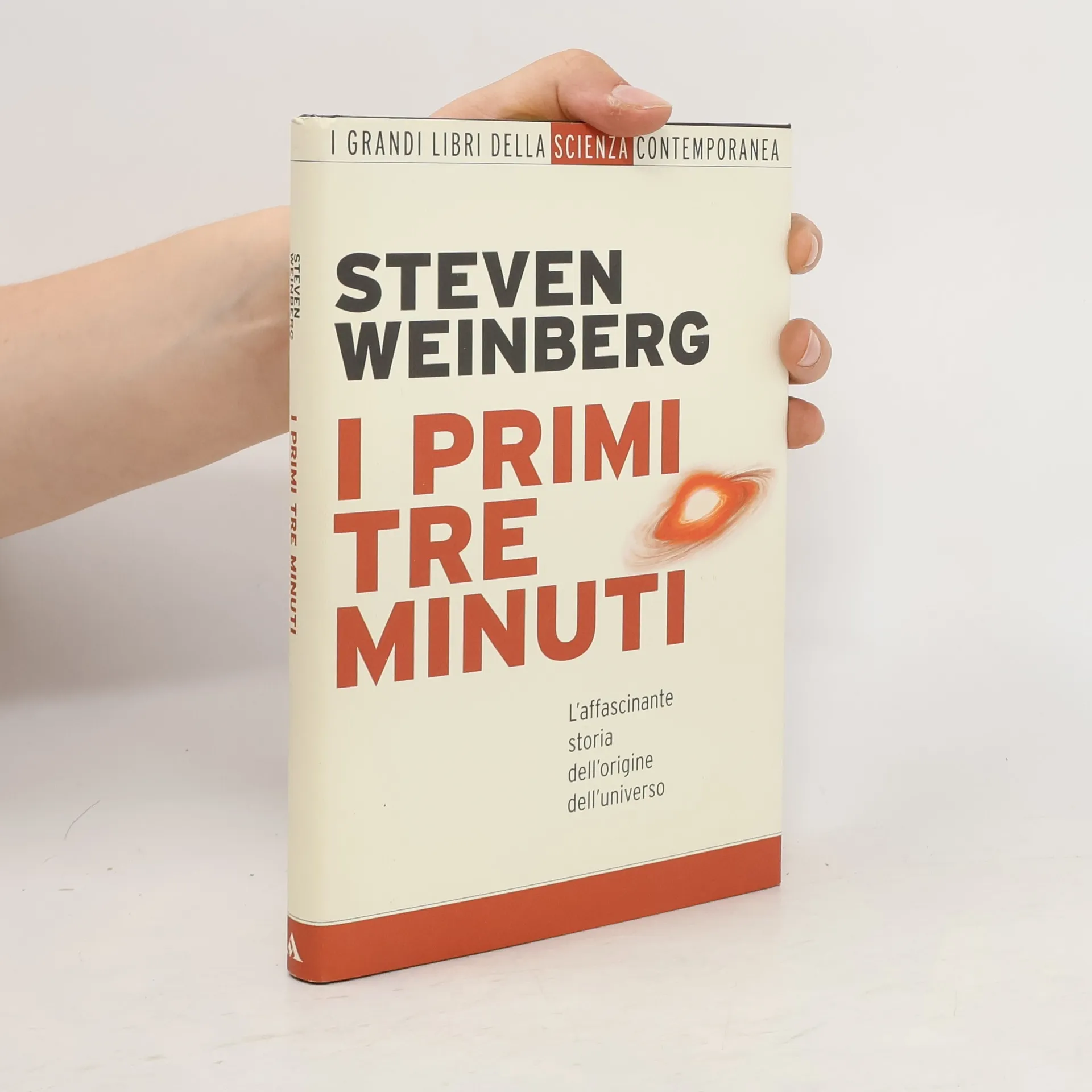
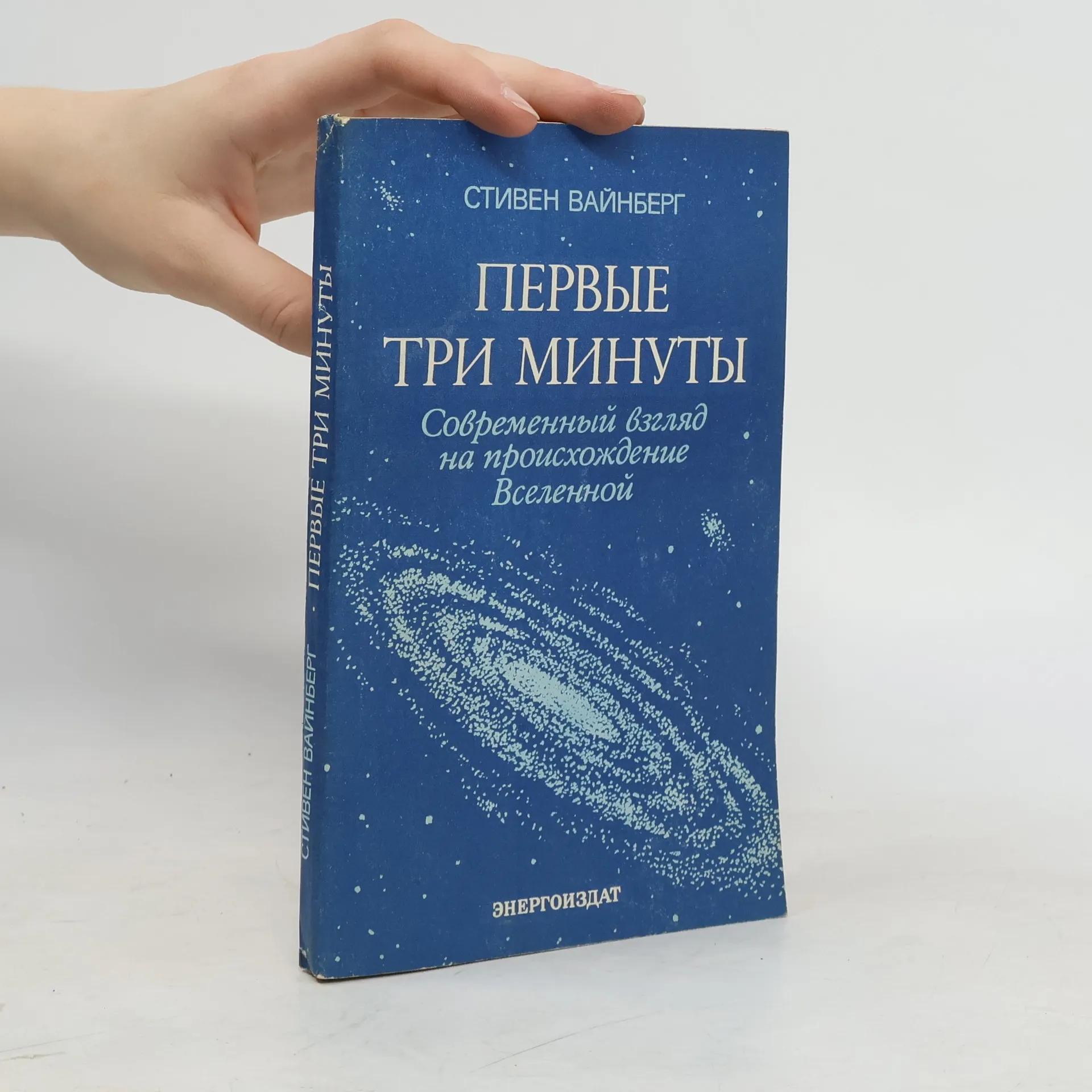
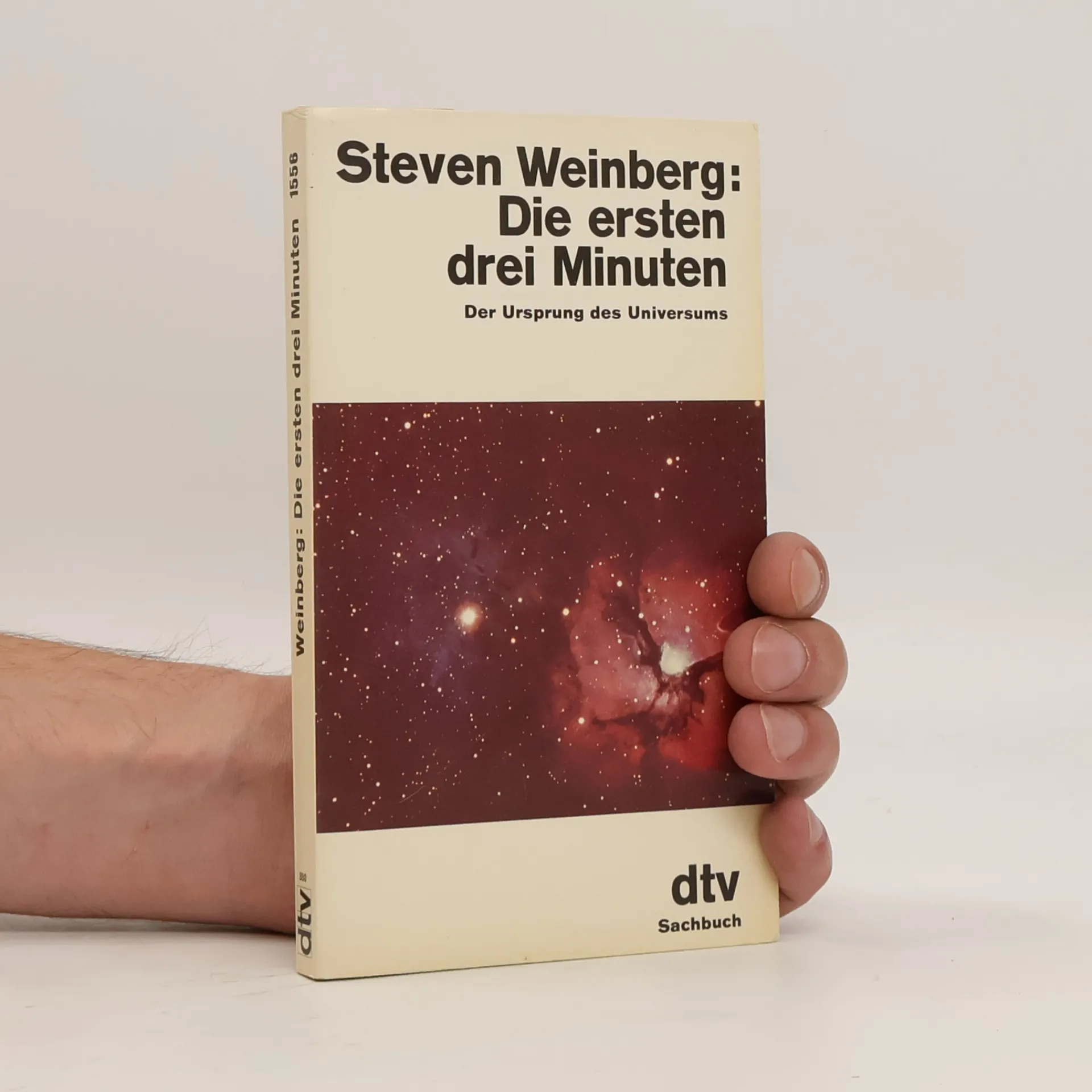
Bis zur Entdeckung der kosmischen Kurzwellenstrahlung im Jahre 1965 gab es nur Spekulationen über die Entstehung der Welt. Wie man sich die dramatische Geburt des Weltalls vorzustellen hat, schildert der amerikanische Nobelpreisträger Steven Weinberg in diesem Klassiker der Astrophysik.
Steven Weinberg Bücher
3. Mai 1933 – 23. Juli 2021
Steven Weinberg war ein amerikanischer theoretischer Physiker, dessen Arbeit unser Verständnis der fundamentalen Kräfte des Universums neu gestaltete. Er erhielt den Nobelpreis für seine Beiträge zur Vereinigung der schwachen und elektromagnetischen Wechselwirkungen zwischen Elementarteilchen. Weinberg beschäftigte sich mit Teilchenphysik und Kosmologie und hinterließ ein Erbe tiefgreifender Einblicke in die Natur der Realität. Seine gelegentlichen Schriften erkundeten die breiteren Auswirkungen wissenschaftlicher Entdeckungen für das menschliche Denken.



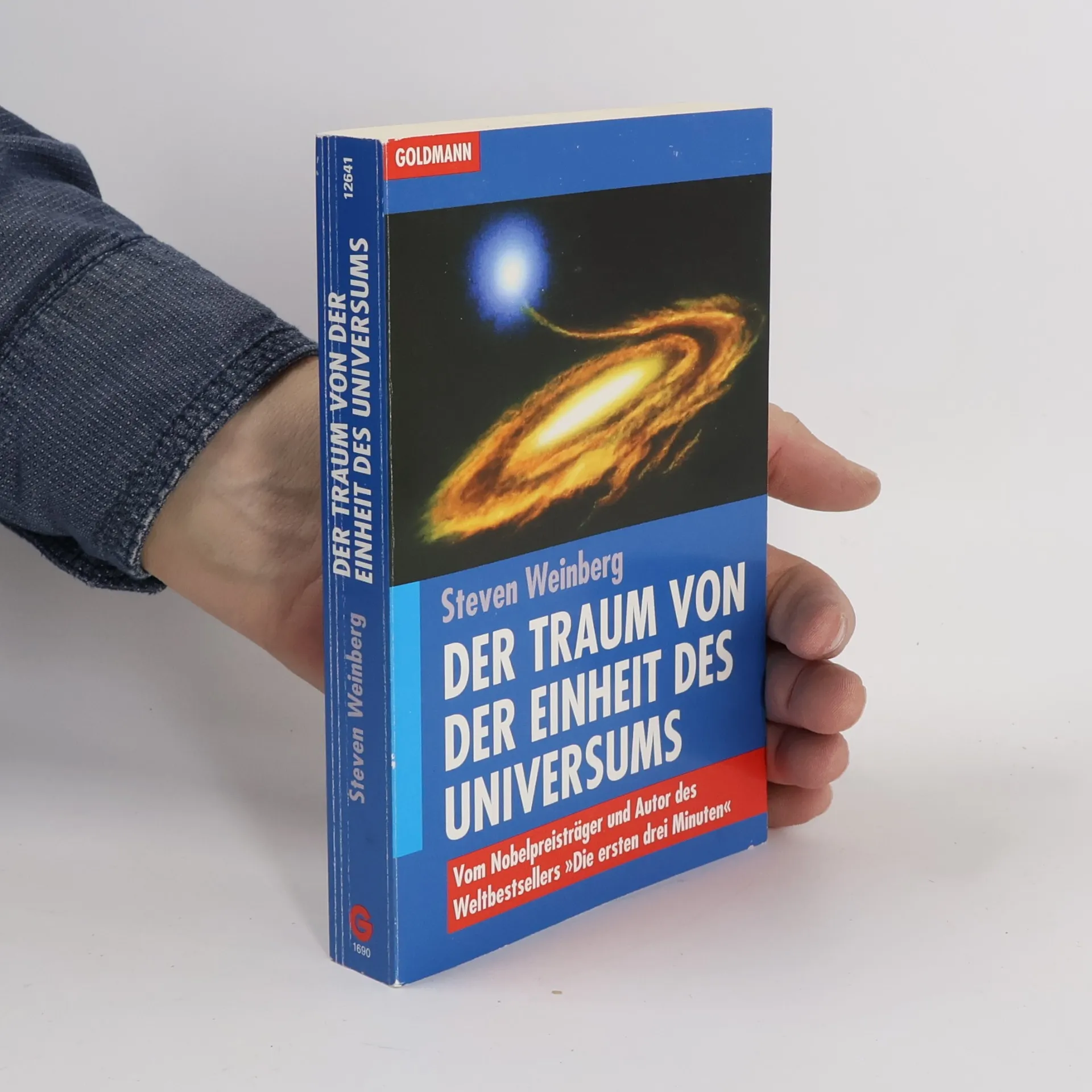
Der Traum von der Einheit des Universums
- 320 Seiten
- 12 Lesestunden
Das erste Buch des Autors, "Die ersten drei Minuten", behandelte die frühesten Momente des Universums, während dieses Buch die kleinsten und am schwersten fassbaren Teilchen untersucht, aus denen das Universum besteht. Bis wir diese gefunden haben, können wir die Welt auf ihrer tiefsten und grundlegendsten Ebene nicht verstehen – der Ebene, auf der verschiedene Kräfte und Materieformen miteinander interagieren. Nur durch das Zusammenstoßen von Teilchen mit Energien von mehreren Millionen Volt werden diese noch kleineren Teilchen offenbar. Der Superconducting Supercollider in Texas, ein unterirdischer Ring von 87 Kilometern Länge, wird diese Kraft besitzen. Doch dieses Buch ist mehr als nur die Geschichte dieses Unternehmens – es ist auch eine Darstellung der Theorien für Nicht-Wissenschaftler und zeigt, was Wissenschaftler in ihrer Suche nach der endgültigen Theorie der Materie leitet. Es geht auch um die Kraft immer tieferer Erklärungen, um etwas so Einfaches wie ein Stück Kreide zu erklären. Der Autor ist ein Nobelpreisträger und Leiter des Projekts zum Bau des Superconducting Supercolliders.
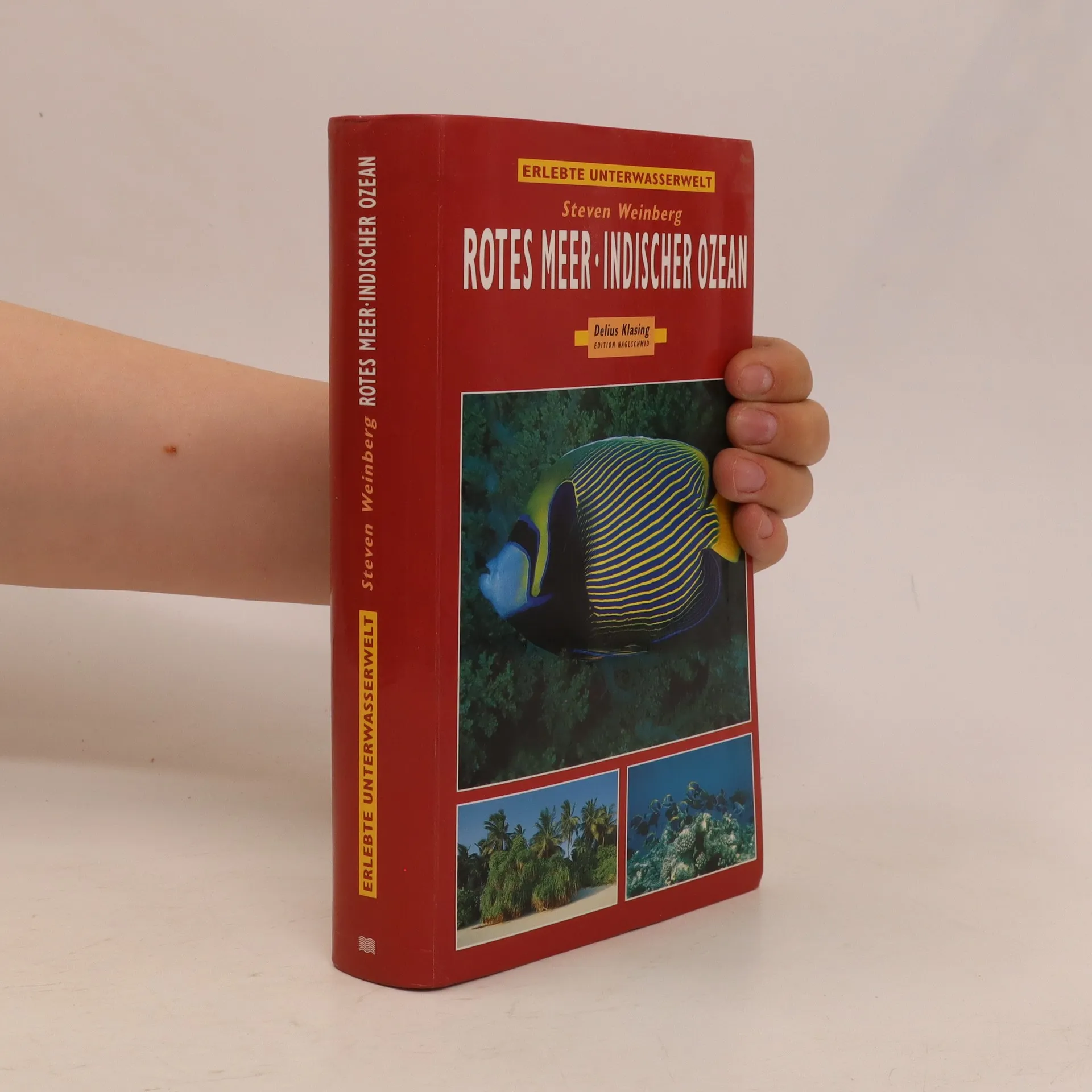
Rotes Meer, Indischer Ozean
- 421 Seiten
- 15 Lesestunden
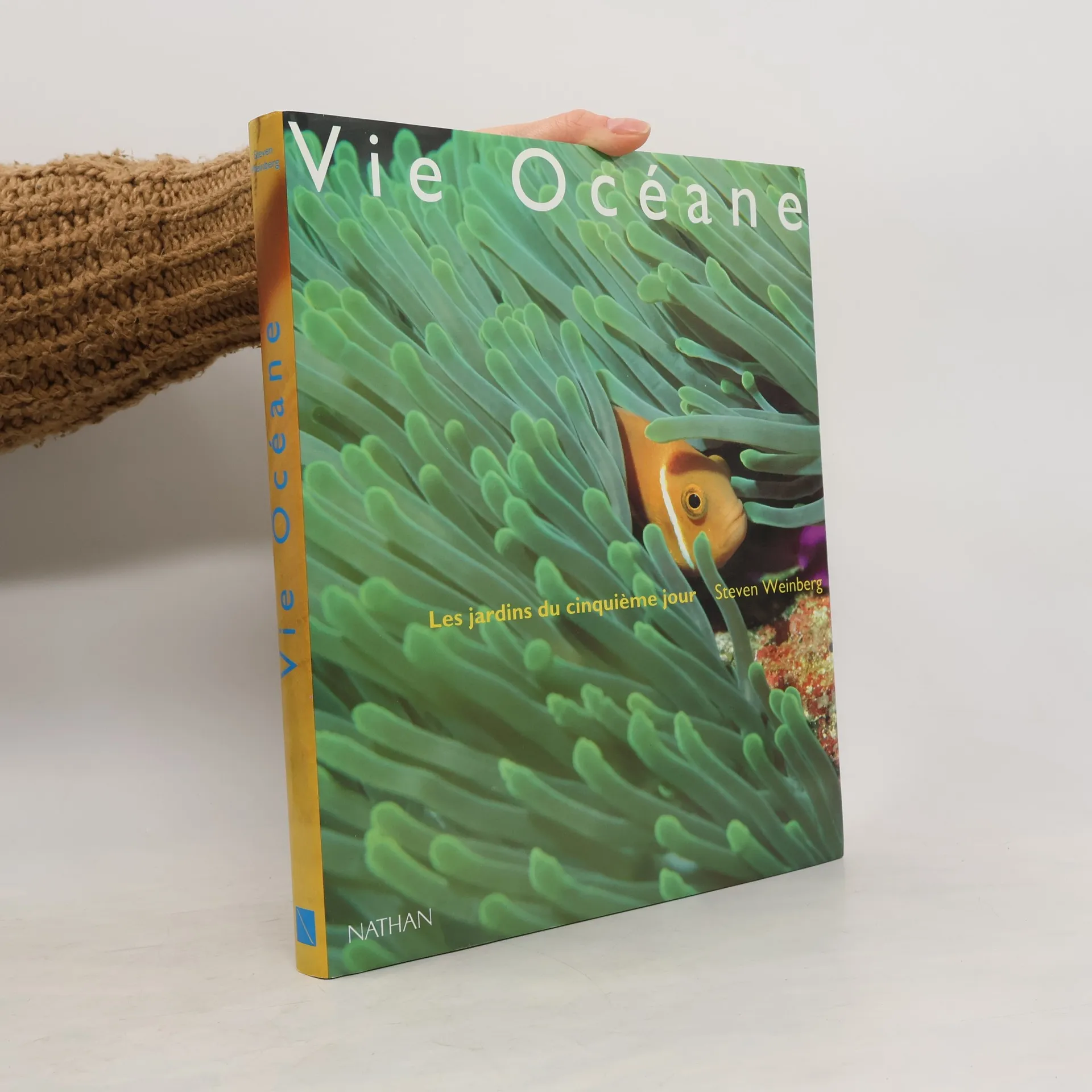
Das Leben im Ozean
- 189 Seiten
- 7 Lesestunden
Der Nobelpreisträger und brillante zeitgenössische theoretische Physiker Steven Weinberg erzählt in Atomare Teilchen die Geschichte der wichtigsten Entwicklungen der Physik des zwanzigsten Jahrhunderts, die die Entdeckung von Elektron, Proton und Neutron ermöglichten, zusammen mit den grundlegenden Prinzipien der klassischen Physik, die dabei eine bedeutende Rolle spielten. Wie Einstein, Eddington und Feynman hat auch Weinberg die Fähigkeit, sein Thema so zu erklären, dass es jeder versteht: So verwandeln sich Themen wie Atomgewichte, Daltons Gesetz der konstanten Verhältnisse, Elektrolyse, die Messung der Elektronenladung, Radioaktivität und ähnliche Themen durch Weinbergs Feder in flüssige Erzählungen. Ein neues populärwissenschaftliches Buch des berühmten Physikers, das Wissenschaft und Geschichte verbindet.
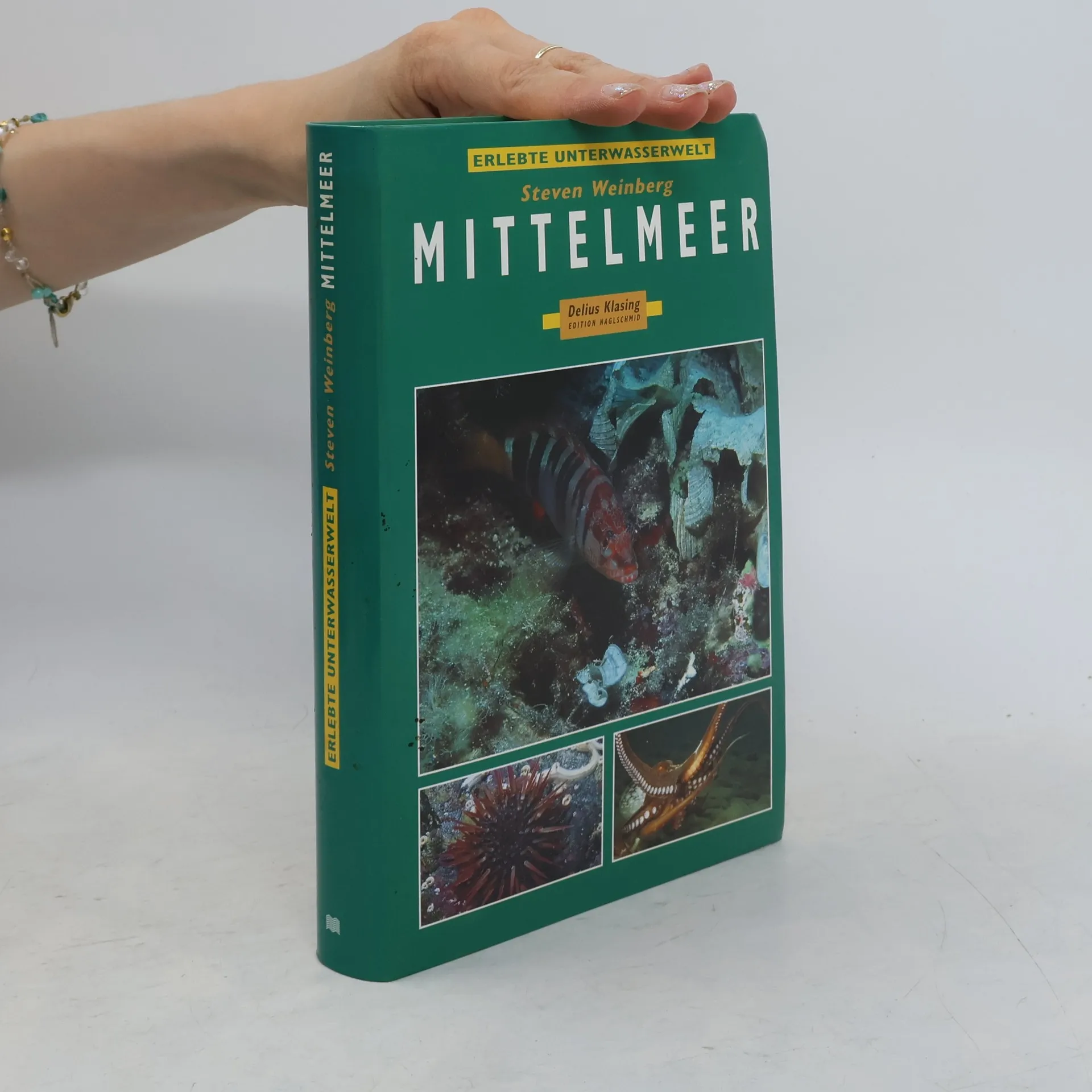
Mittelmeer
- 351 Seiten
- 13 Lesestunden
Libro usado en buenas condiciones, por su antiguedad podria contener señales normales de uso
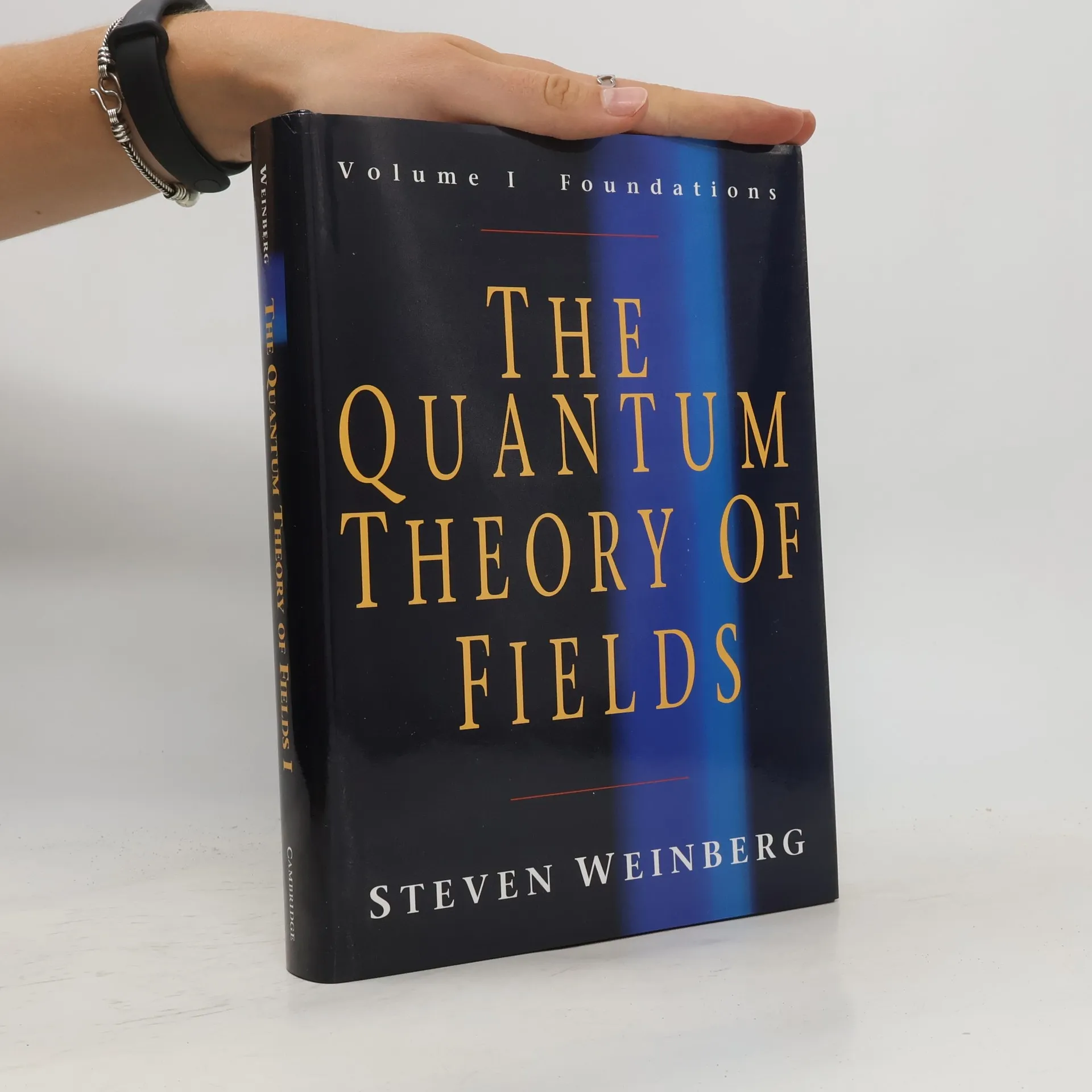
In this two-volume work, Nobel Laureate Steven Weinberg presents a self-contained and comprehensive introduction to quantum field theory, blending exceptional physical insight with clear exposition. Volume I lays the groundwork by logically developing the foundations of quantum field theory, carefully motivating each step and emphasizing its relevance to understanding nature. Starting with a brief historical overview, the text revisits the principles of relativity and quantum mechanics, leading to the natural emergence of quantum field theory. Weinberg modernizes classic calculations of quantum electrodynamics, employing path integrals and dimensional regularization, while his treatment of renormalization reflects evolving perspectives since the introduction of effective field theories. The scope extends beyond quantum electrodynamics to encompass elementary particle and nuclear physics, enriched with original material, examples, and insights from the author’s extensive research experience. Each chapter concludes with problems, making this work an invaluable reference for physicists and mathematicians utilizing quantum field theory. It also serves as an appropriate textbook for graduate students in the field.
The Quantum Theory of Fields v2
- 512 Seiten
- 18 Lesestunden
This comprehensive introduction to quantum field theory, authored by Nobel Laureate Steven Weinberg, offers an in-depth exploration of the subject, blending theoretical concepts with practical applications. First published in 1996, it serves as a foundational text for students and researchers, elucidating complex topics with clarity and precision. Weinberg's expertise and insights provide readers with a profound understanding of the principles that govern particle physics and the interactions of fundamental forces.
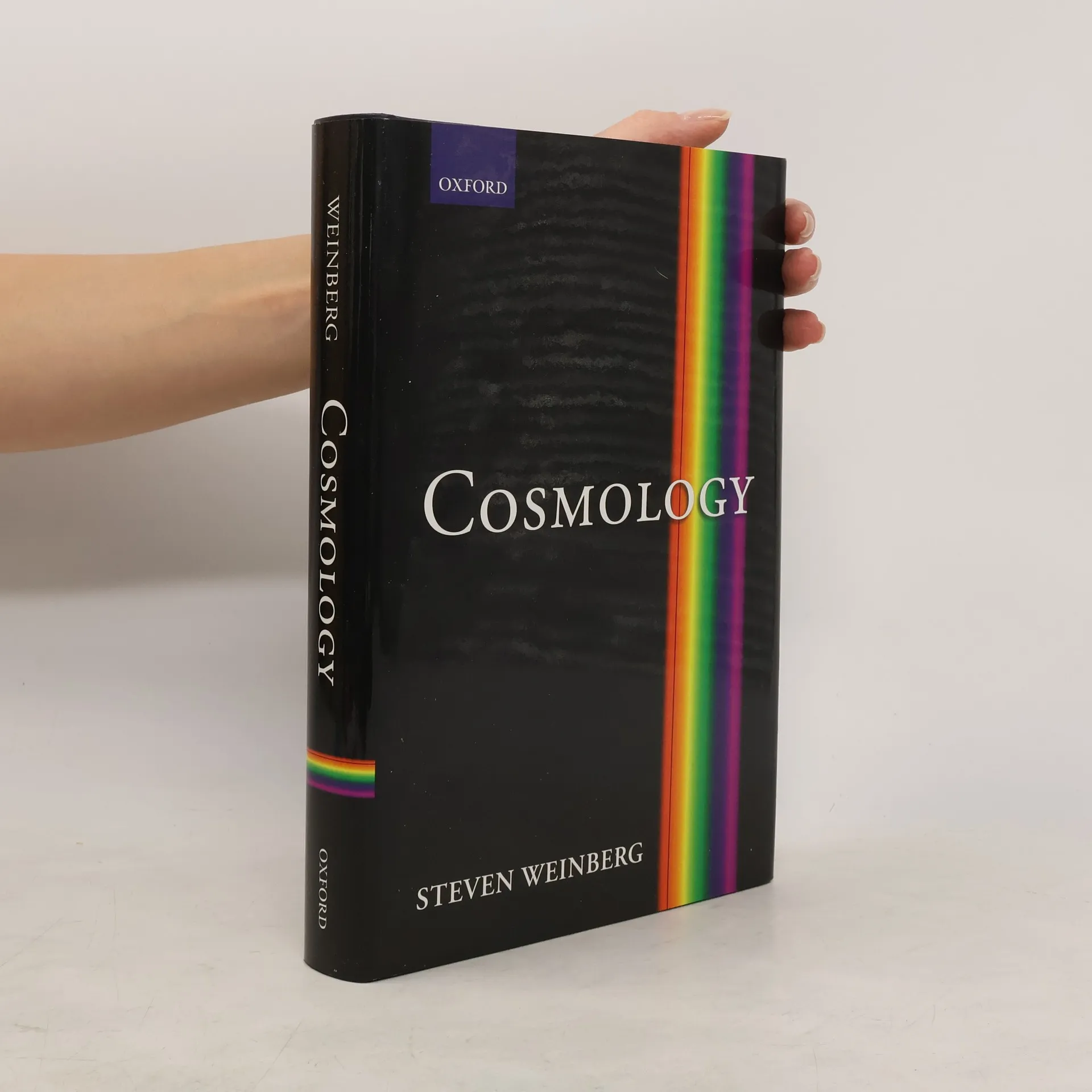
Cosmology
- 593 Seiten
- 21 Lesestunden
This book is unique in the detailed, self-contained, and comprehensive treatment that it gives to the ideas and formulas that are used and tested in modern cosmological research. It divides into two parts, each of which provides enough material for a one-semester graduate course. The first part deals chiefly with the isotropic and homogeneous average universe; the second part concentrates on the departures from the average universe. Throughout the book the author presents detailed analytic calculations of cosmological phenomena, rather than just report results obtained elsewhere by numerical computation. The book is up to date, and gives detailed accounts of topics such as recombination, microwave background polarization, leptogenesis, gravitational lensing, structure formation, and multifield inflation, that are usually treated superficially if at all in treatises on cosmology. Copious references to current research literature are supplied. Appendices include a briefintroduction to general relativity, and a detailed derivation of the Boltzmann equation for photons and neutrinos used in calculations of cosmological evolution. Also provided is an assortment of problems.
The Quantum Theory of Fields v3
- 442 Seiten
- 16 Lesestunden
Nobel Laureate Steven Weinberg offers a thorough introduction to supersymmetry, exploring its fundamental concepts and implications in theoretical physics. This paperback edition presents complex ideas in an accessible manner, making it suitable for both students and enthusiasts. Weinberg's expertise provides valuable insights into the significance of supersymmetry in understanding the universe, bridging gaps between various areas of physics while emphasizing its potential impact on future research.
Lake Views
This World and the Universe
Just as Henry David Thoreau “traveled a great deal in Concord,” Nobel Prize–winning physicist Steven Weinberg sees much of the world from the window of his study overlooking Lake Austin. In Lake Views Weinberg, considered by many to be the preeminent theoretical physicist alive today, continues the wide-ranging reflections that have also earned him a reputation as, in the words of New York Times reporter James Glanz, “a powerful writer of prose that can illuminate—and sting.” This collection presents Weinberg’s views on topics ranging from problems of cosmology to assorted world issues—military, political, and religious. Even as he moves beyond the bounds of science, each essay reflects his experience as a theoretical physicist. And as in the celebrated Facing Up , the essays express a viewpoint that is rationalist, reductionist, realist, and secular. A new introduction precedes each essay, explaining how it came to be written and bringing it up to date where necessary. As an essayist, Weinberg insists on seeing things as they are, without despair and with good humor. Sure to provoke his readers—postmodern cultural critics, enthusiasts for manned space flight or missile defense, economic conservatives, sociologists of science, anti-Zionists, and religious zealots—this book nonetheless offers the pleasure of a sustained encounter with one of the most interesting scientific minds of our time.
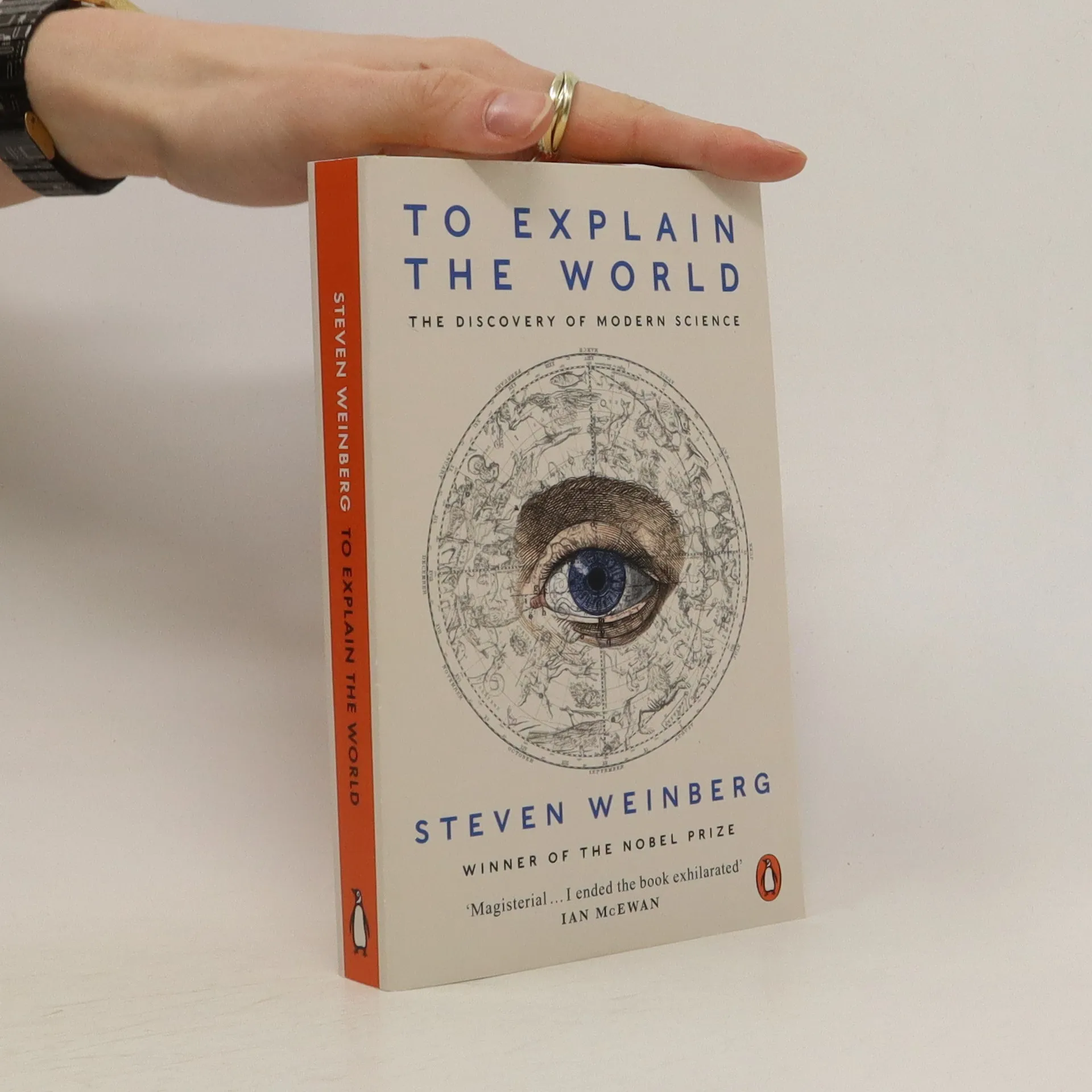
To Explain the World: The Discovery of Modern Science
- 432 Seiten
- 16 Lesestunden
In To Explain the World, pre-eminent theoretical physicist Steven Weinberg offers a rich and irreverent history of science from a unique perspective - that of a scientist. Moving from ancient Miletus to medieval Baghdad to Oxford, and from the Museum of Alexandria to the Royal Society of London, he shows that the scientists of the past not only did not understand what we understand about the world - they did not understand what there is to understand. Yet eventually, through the struggle to solve such mysteries as the backward movement of the planets and the rise and fall of tides, the modern discipline of science emerged.
Third Thoughts (Paperback)
- 240 Seiten
- 9 Lesestunden
One of the world's most captivating scientists challenges us to think about nature's foundations and the entanglement of science and society. Steven Weinberg, author of The First Three Minutes, offers his views on fascinating aspects of physics and the universe, but does not seclude science behind disciplinary walls, or shy away from politics.
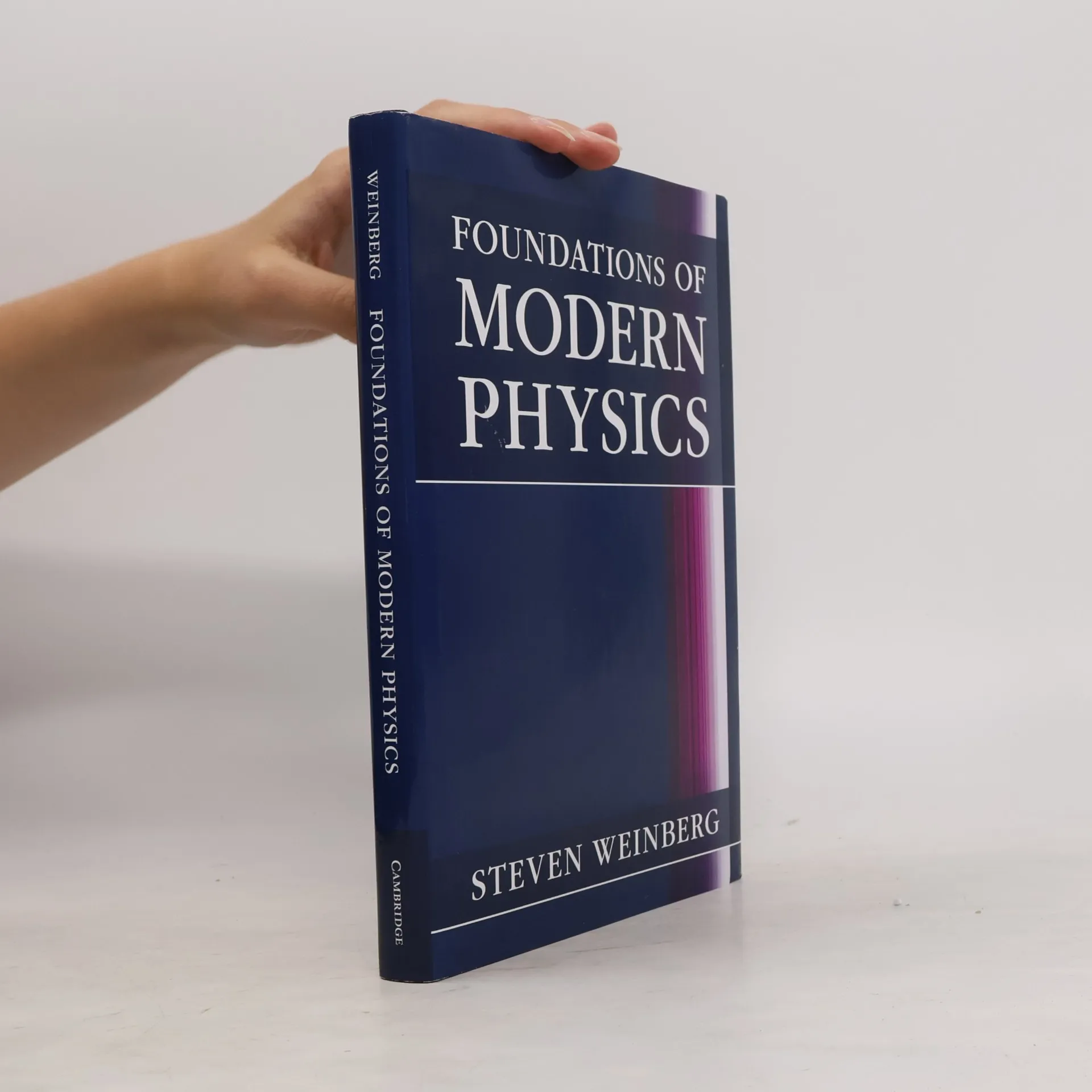
Foundations of Modern Physics
- 310 Seiten
- 11 Lesestunden
Nobel Laureate Steven Weinberg explains the foundations of modern physics in historical context for undergraduates and beyond.
The book offers a clear and insightful introduction to modern quantum mechanics, specifically tailored for graduate students. Steven Weinberg's expertise shines through as he distills complex concepts into accessible explanations, making it an invaluable resource for those looking to deepen their understanding of the subject.
Pochopení přírodních jevů se redukuje na odhalení fundamentálních fyzikálních zákonů a porozumění struktuře hmoty, prostoru a času na mikroskopické úrovni. Přestože tyto zákony nejsou zcela známy, cíl fundamentální vědy je na dosah. Tento pohled na svět je klíčovým motivem sbírky esejů, která zahrnuje vysoce ceněné texty, jako je například Vesmír podle plánu, zařazený do dvou prestižních sbírek nejlepších amerických esejů roku 2000. Kniha se zaměřuje na filozofické a společenské souvislosti moderní vědy. Autorův sekulární přístup vychází z racionálního pohledu na svět, kde objektivní přírodní zákony nevyčleňují lidské bytosti. V jednotlivých kapitolách autor poutavě a přesvědčivě prezentuje své názory na různá témata, včetně otázek kolem Velkého třesku, stavu fyziky elementárních částic a možné existence „velkého návrháře“ Vesmíru. Kritizuje postmoderní útoky na vědu jako odraz předsudků kritiků a jejich neporozumění vědecké literatuře. Vysvětluje, že touha porozumět přírodě je klíčová pro osvobození lidského ducha a podporuje moderní liberální uspořádání společnosti.
Podtitul: Najdeme starostlivého Boha ve finálních zákonech přírody? — Jedenáctá kapitola Weinbergovy knihy „Snění o finální teorii".
Книга одного из самых известных ученых современности, нобелевского лауреата по физике, доктора философии Стивена Вайнберга - захватывающая и энциклопедически полная история науки. Это фундаментальный труд о том, как рождались и развивались современные научные знания, двигаясь от простого коллекционирования фактов к точным методам познания окружающего мира. Один из самых известных мыслителей сегодняшнего дня проведет нас по интереснейшему пути - от древних греков до нашей эры, через развитие науки в арабском и европейском мире в Средние века, к научной революции XVI–XVII веков и далее к Ньютону, Эйнштейну, стандартной модели, гравитации и теории струн. Эта книга для всех, кому интересна история, современное состояние науки и те пути, по которым она будет развиваться в будущем.
Illustrated with many colored plates and photos, a picture is given of the life of animals in various communities, such as tidal zones, coral reefs, and the open ocean.