Scorsese über Scorsese
- 320 Seiten
- 12 Lesestunden
Wie kein zweiter hat Scorsese in den letzten 25 Jahren den amerikanischen Film neu erfunden, ihm eine persönliche Handschrift gegeben.



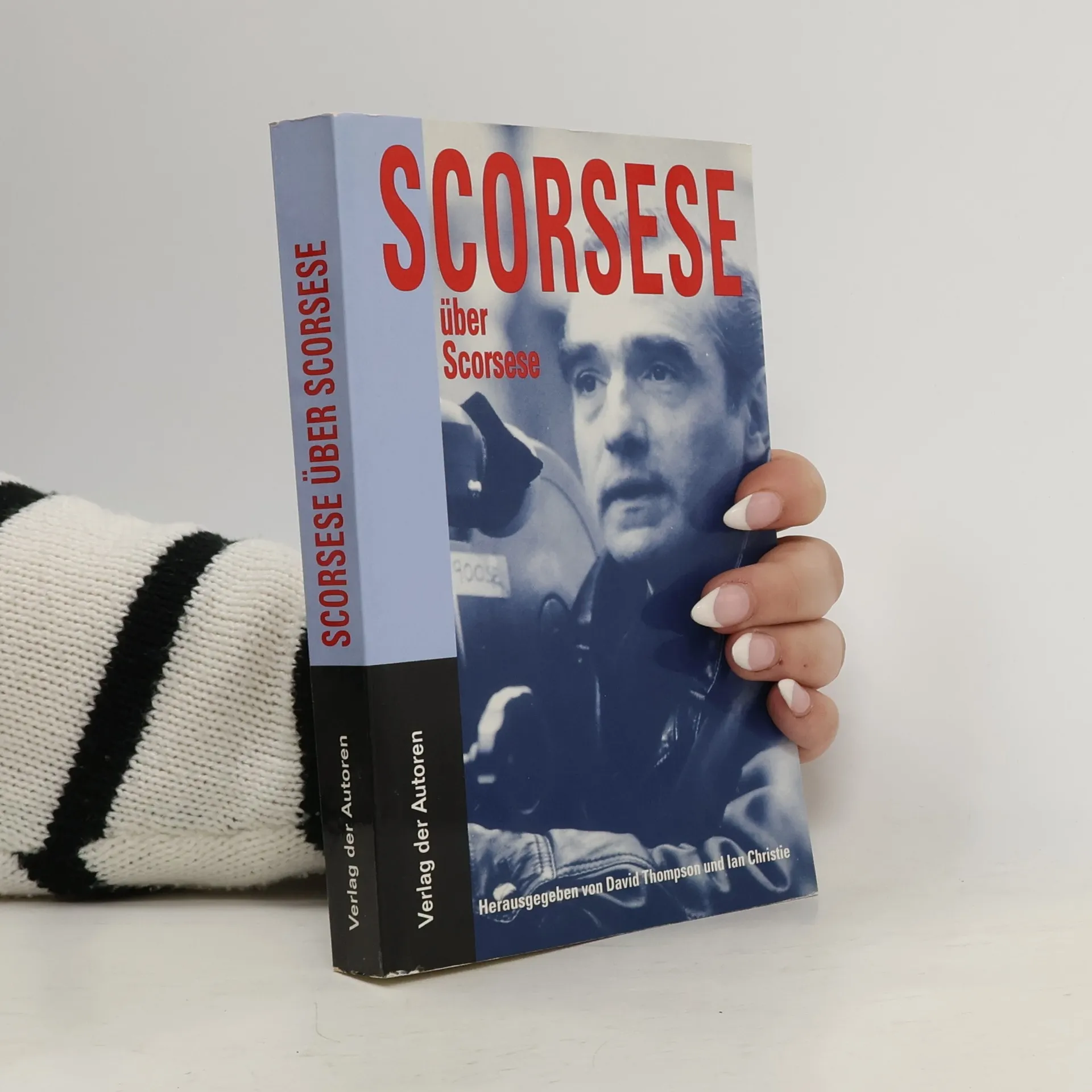
Wie kein zweiter hat Scorsese in den letzten 25 Jahren den amerikanischen Film neu erfunden, ihm eine persönliche Handschrift gegeben.
The Film Factory provides a comprehensive documentary history of Russian and Soviet cinema. It provokes a major reassessment of conventional Western understanding of Soviet cinema. Based on extensive research and in original translation, the documents selected illustrate both the aesthetic and political development of Russian and Soviet cinema, from its beginnings as a fairground novelty in 1896 to its emergence as a mass medium of entertainment and propaganda on the eve of World War II.
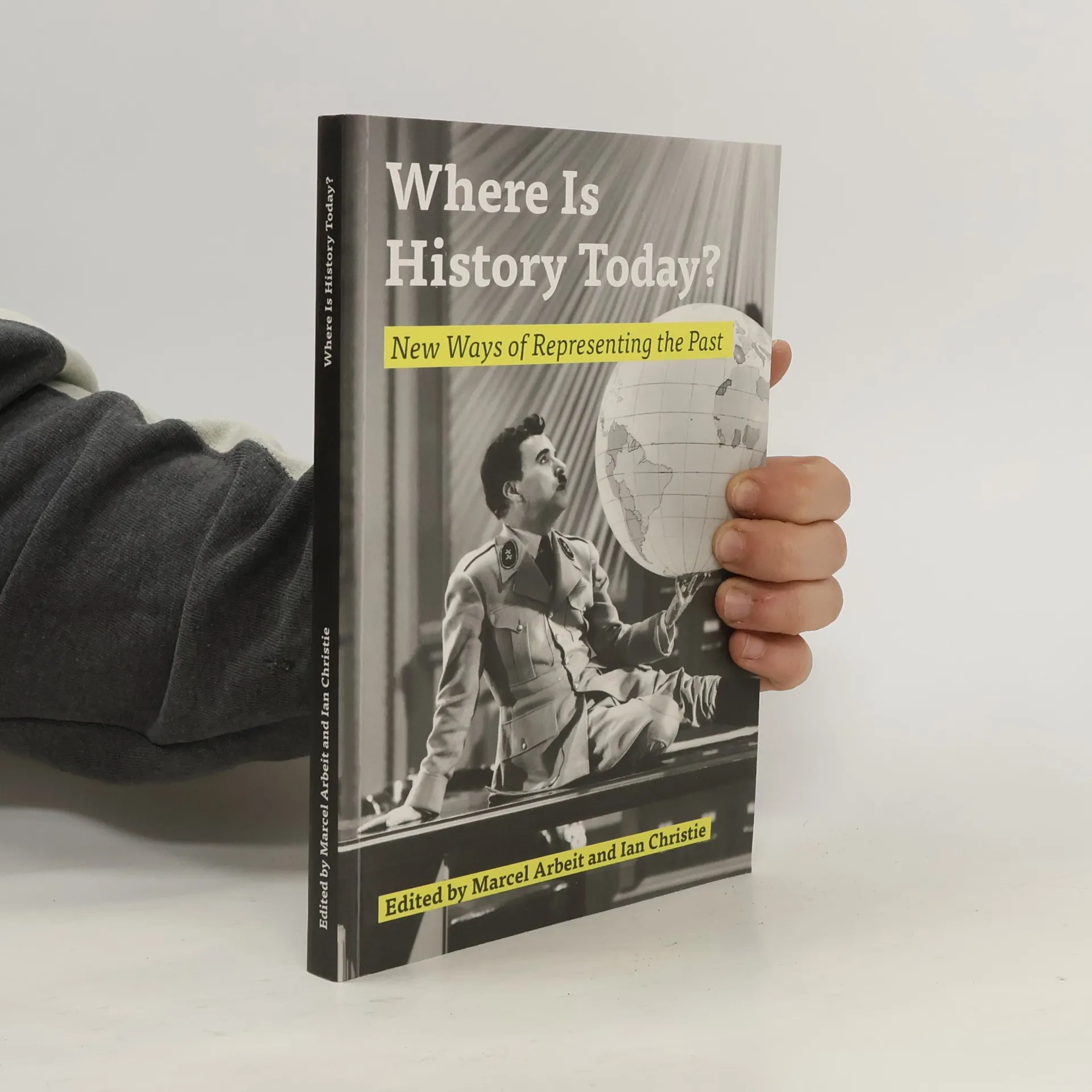
History no longer belongs only to historians, but is woven into the fabric and discourse of daily life. This fresh and wide-ranging survey explores how new media and new historiographic approaches are dramatically expanding what we understand by “history” today. Controversy about the aims and limits of historical analysis has raged ever since the rise of postmodern history in the 1970s. But these debates have rarely affected the understanding of history in Central and Eastern Europe. The volume confirms the crucial importance of audiovisual and mass media, from film to television and radio to comics, but does not exclude literary scholars and art historians who are also rethinking their methods, taking note of their new consumers. If history formerly appeared to be a one-way transmission of expertise, it is increasingly a dynamic engagement between researchers and audiences.