Wie sag ich's meinem Schüler?
- 127 Seiten
- 5 Lesestunden




Done well, feedback from teachers to students addresses both cognitive and motivational factors. In this book for elementary school teachers, Brookhart, an educational consultant, categorizes important elements of feedback content (such as focus, comparison, clarity, and tone) and strategy (such as timing, mode, and audience), and offers practical suggestions for using feedback in positive ways. In addition to giving guidelines for good feedback, the author explains what kinds of feedback work best in various content areas and shows how to adjust feedback for different kinds of learners, including successful and struggling students and English language learners. Annotation ©2009 Book News, Inc., Portland, OR (booknews.com)
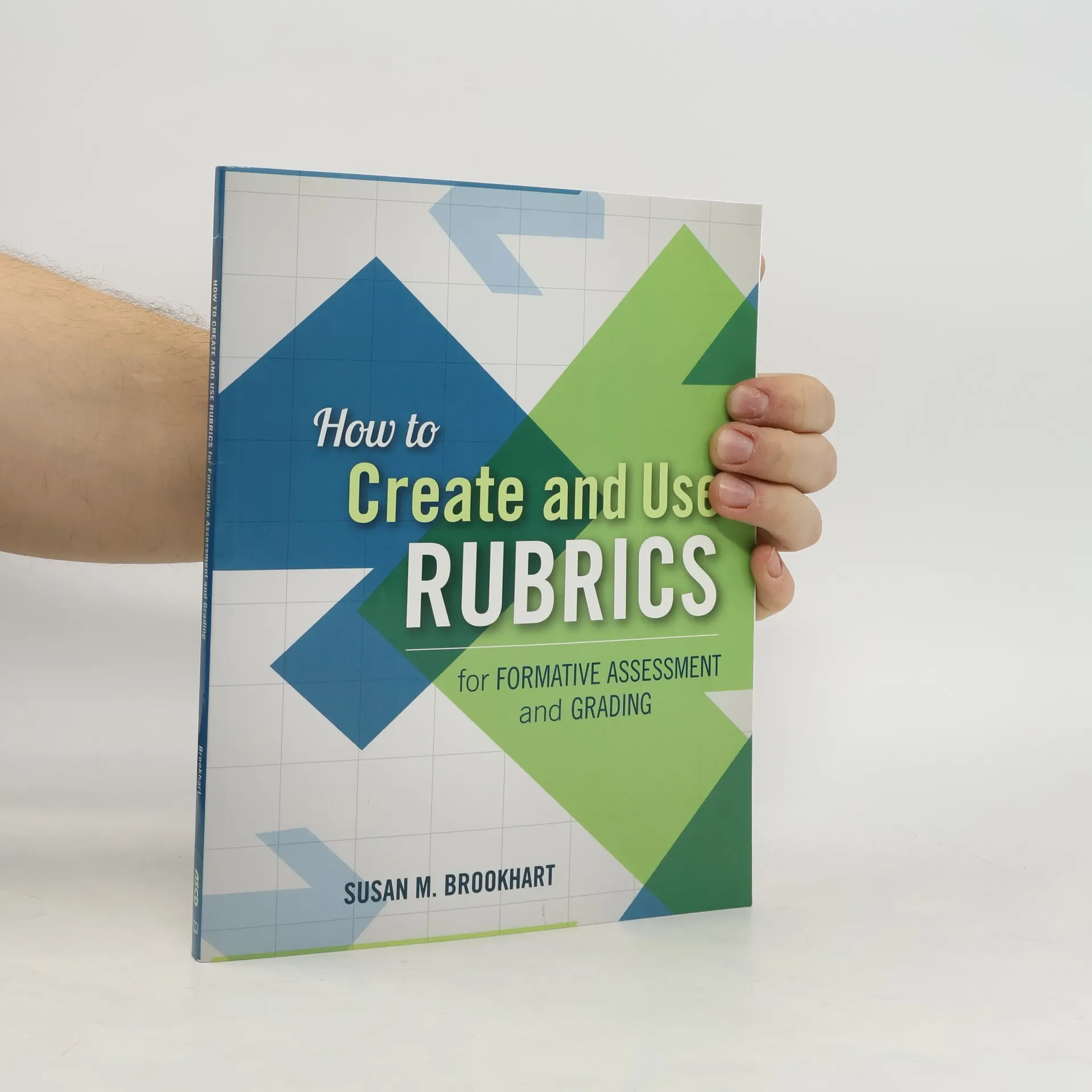
Effective rubrics are vital tools for enhancing classroom instruction and student learning, yet they are often misunderstood. Susan M. Brookhart outlines two key components of successful rubrics: criteria aligned with learning objectives and clear performance descriptions. The guide differentiates between various rubric types and clarifies misconceptions, while also comparing rubrics to other assessment tools. It provides practical guidance for using rubrics in formative assessment and grading, making it an essential resource for educators at all levels seeking to improve teaching and learning outcomes.
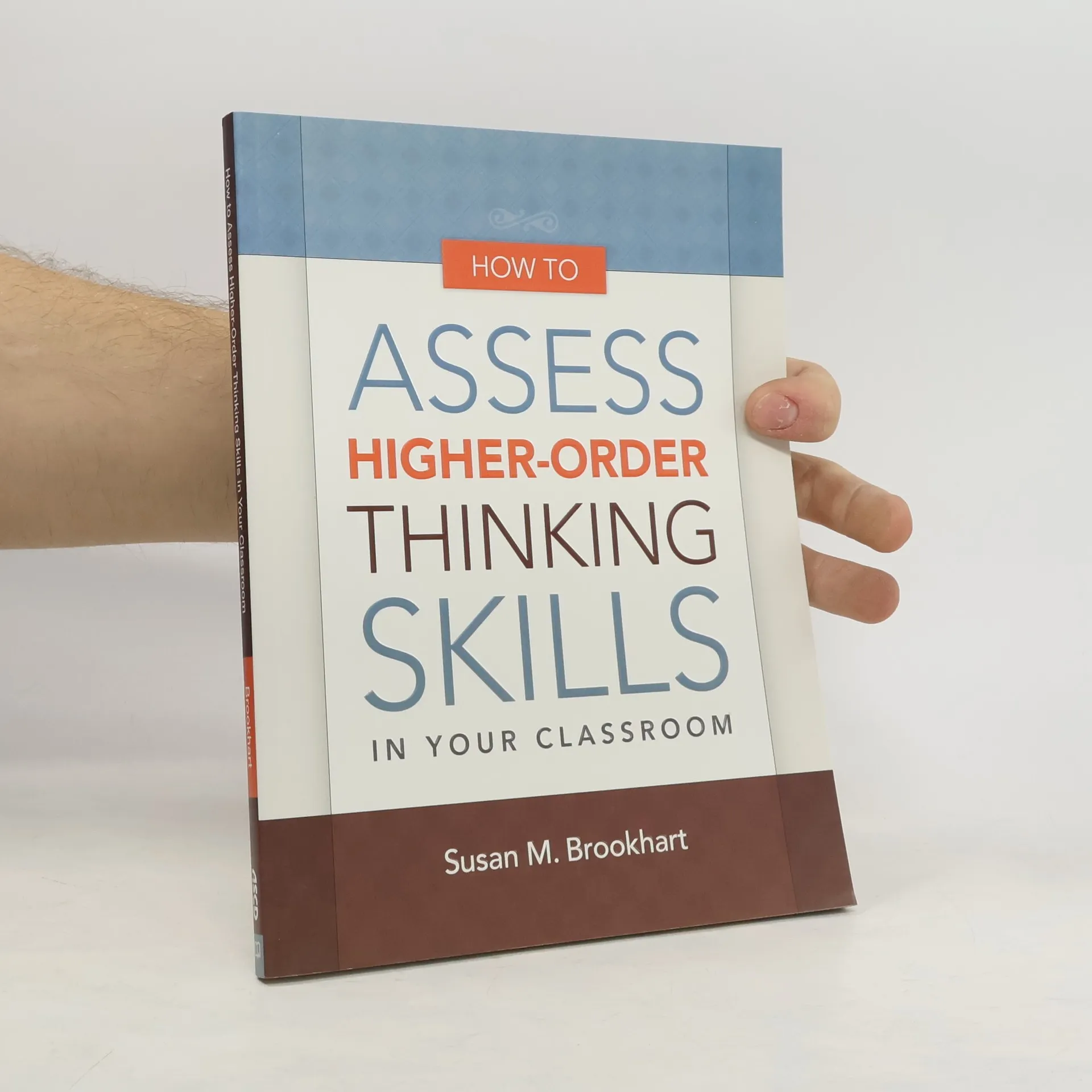
Educators recognize the significance of engaging students in higher-order thinking, but what does it truly entail, and how can K-12 teachers effectively assess it across various subjects? In this practical guide, author and former teacher Susan M. Brookhart addresses these critical questions. She outlines assessment principles and delves into the specifics of higher-order thinking, referencing established taxonomies. Brookhart provides concrete guidance on assessing key areas, including analysis, evaluation, creation, logic, reasoning, judgment, problem solving, and creativity. The book features examples from the National Assessment of Educational Progress and real classroom scenarios, showcasing multiple-choice items, constructed-response tasks, and performance assessments. Readers will discover how to utilize formative assessments to enhance student work and implement summative assessments for grading purposes. Targeted at elementary, middle, and high school teachers across all disciplines, this resource offers essential insights and practical advice, emphasizing the growing importance of higher-order thinking for student success both in the classroom and beyond.
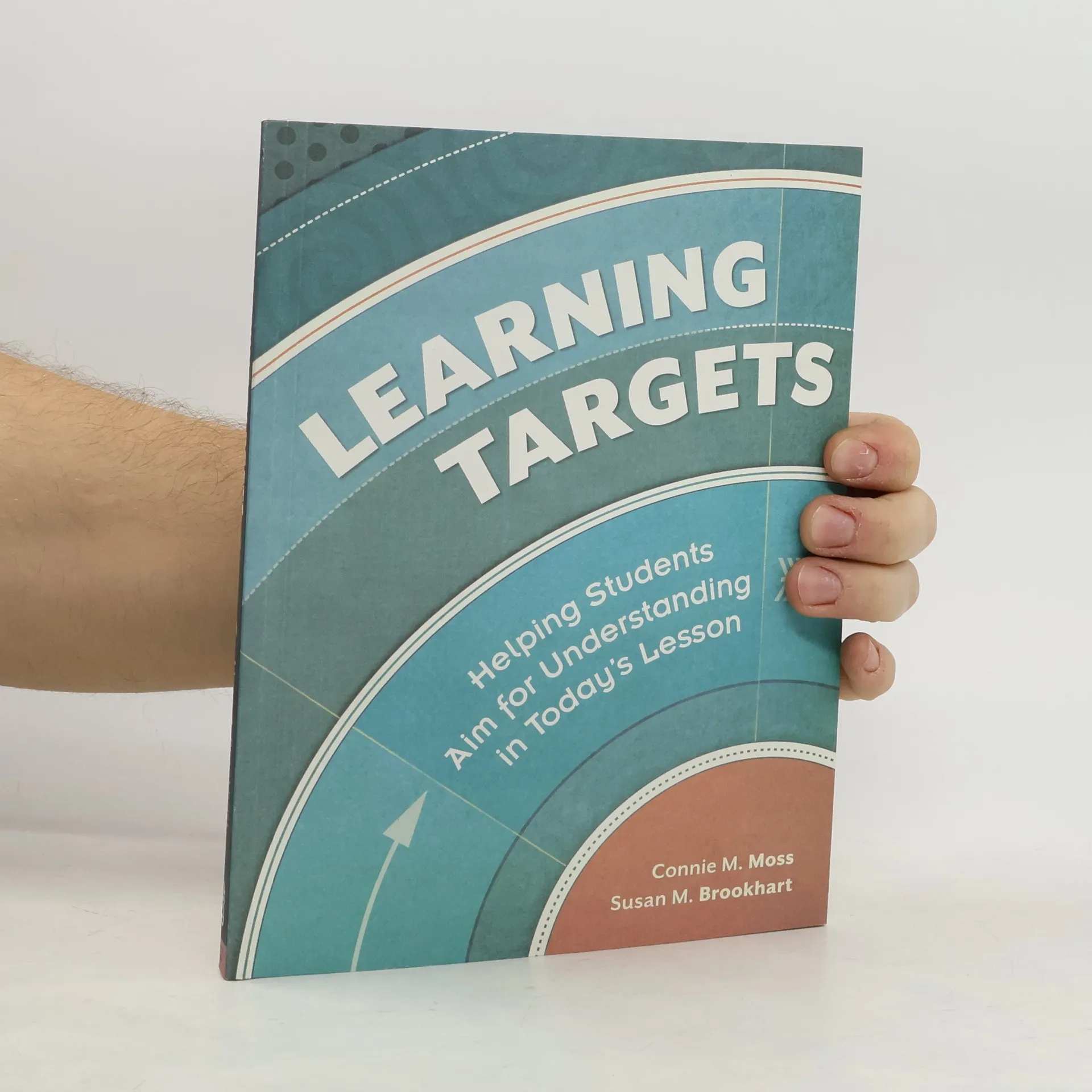
In Learning Targets, Connie M. Moss and Susan M. Brookhart argue that enhancing student learning and achievement hinges on the effectiveness of individual lessons, referred to as "today's lesson." The authors emphasize the importance of learning targets, which encapsulate a lesson's key information and skills that students will master. These targets are interconnected, allowing students to navigate a coherent series of challenges that align with essential curricular standards. Drawing from extensive research and collaboration with educational institutions, the book presents a framework for unifying efforts among students, teachers, and administrators to elevate student achievement and foster a culture of evidence-based practices. It offers strategies for crafting learning targets that encourage higher-order thinking and support student goal setting, self-assessment, and self-regulation. The authors detail how to create effective performances of understanding that provide evidence of student progress toward learning targets. Additionally, the book illustrates the application of learning targets in guiding summative assessments and grading. It includes practical resources such as planning forms, a classroom walk-through guide, and self-assessment tools for both teachers and students. By implementing the insights from this book, educators can enhance their teaching practices and empower students to take an active role in their l
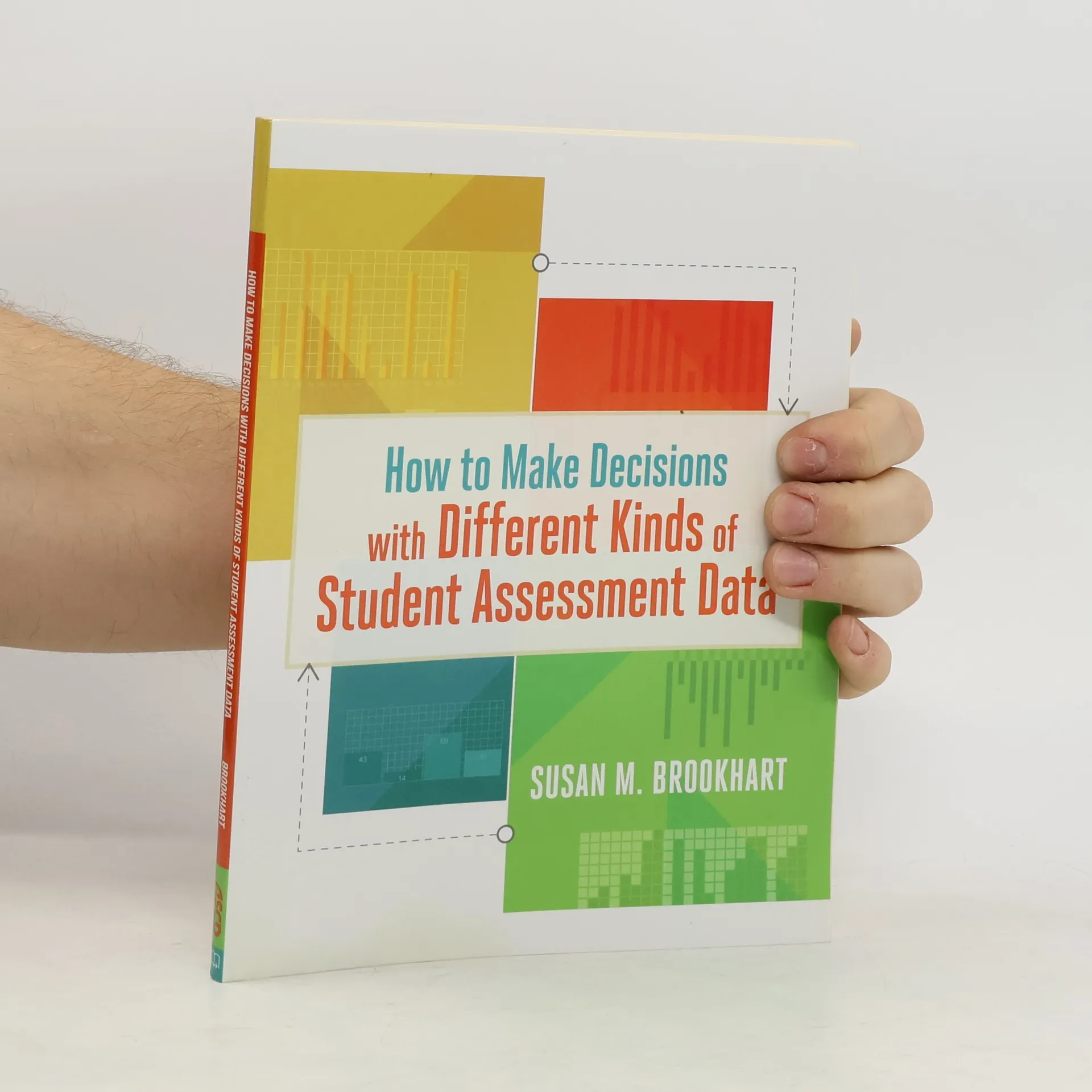
Focusing on the effective use of student assessment data, the book provides educators with insights into various data types and their implications for student learning. It outlines how to analyze data to track achievement changes and offers guidance on interpreting and sharing results. Readers will learn to develop a systematic approach to data-driven decision-making, supported by real-world examples. The aim is to enhance understanding and application of assessment data to foster improvements in teaching and learning practices.