
Gratis Versand ab € 9,99
Bookbot

James Orbinski

    An Imperfect Offering
    An Imperfect Offering
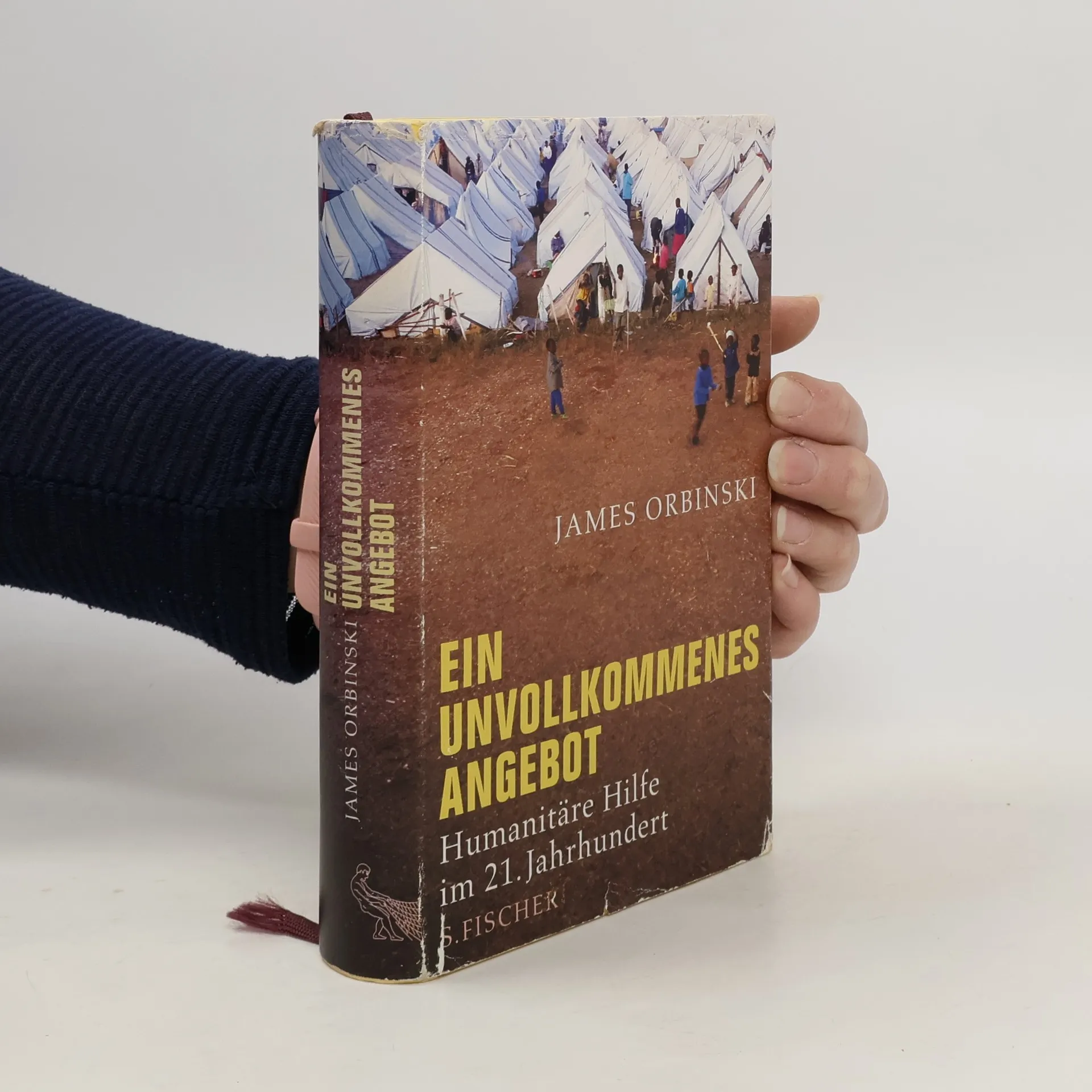
    Ein unvollkommenes Angebot
    • Ein unvollkommenes Angebot

      • 414 Seiten
      • 15 Lesestunden

      Die Botschaft von James Orbinski, dem ehemaligen Präsidenten von Ärzte ohne Grenzen, ist so einfach wie eminent wichtig: Die Kriege auf der Welt müssen aufhören. Denn wo Krieg herrscht, herrscht auch unvorstellbares Leid. Bei seinen Einsätzen, u. a. in Ruanda und Somalia, wurde Orbinski Zeuge schwerster Verbrechen an der Menschlichkeit. Er verspürt eine 'fast unbändige Wut', wenn er rückblickend an die Menschen denkt, die das unfassbare Unrecht geschehen ließen. Orbinski erzählt nicht nur seine faszinierende, persönliche Geschichte, von seinem Wunsch zu helfen, Arzt zu werden, seinen ersten Hilfseinsätzen und den unvorstellbaren Bedingungen in vielen Krisengebieten, sondern beleuchtet auch kritisch die Grenzen und Schwierigkeiten von Hilfsaktionen im 21. Jahrhundert. Ein wichtiges und provozierendes Buch zu einem zentralen Thema unserer Zeit.

      Ein unvollkommenes Angebot
    • An Imperfect Offering

      • 448 Seiten
      • 16 Lesestunden
      4,5(20)Abgeben

      At the same time, he addresses what part each of us can play, so that we never lose sight of the dignity of those being helped, or deny them the right to act in their own lives. His conclusion is blunt and profound: 'Humanity is lost or saved one person at a time, one intention at a time, and one action at a time.

      An Imperfect Offering
    • An Imperfect Offering

      Humanitarian Action in the Twenty-first Century

      • 431 Seiten
      • 16 Lesestunden

      As Albert Camus noted, a doctor serves as a witness to humanity, speaking against the horrors of political inaction. In 1988, medical student James Orbinski embarked on a transformative research trip to Rwanda, investigating pediatric AIDS amidst widespread suffering, much of it preventable due to political corruption. This experience fueled his commitment to humanitarian work, leading him to help establish the Canadian chapter of Médecins Sans Frontières (Doctors Without Borders/MSF). His journeys took him to Peru during a cholera epidemic, Somalia amidst famine and civil war, and Jalalabad, Afghanistan. In April 1994, as genocide erupted in Rwanda, Orbinski chose to remain in Kigali as Chef de Mission for MSF, while others evacuated. He and his team tirelessly treated thousands of casualties during a brutal civil war that claimed 800,000 lives in just fourteen weeks. Confronted by unimaginable cruelty, Orbinski struggled with his role as a doctor and humanitarian but ultimately continued his work with MSF, becoming its president when it received the Nobel Peace Prize in 1999. This deeply personal and political narrative explores the nature of humanitarian action today, emphasizing the imperative to recognize the dignity of those suffering and their right to agency. Orbinski shares harrowing experiences and the courage he witnessed, urging readers to acknowledge their responsibility to act. A poignant Rwandan saying encapsu

      An Imperfect Offering