

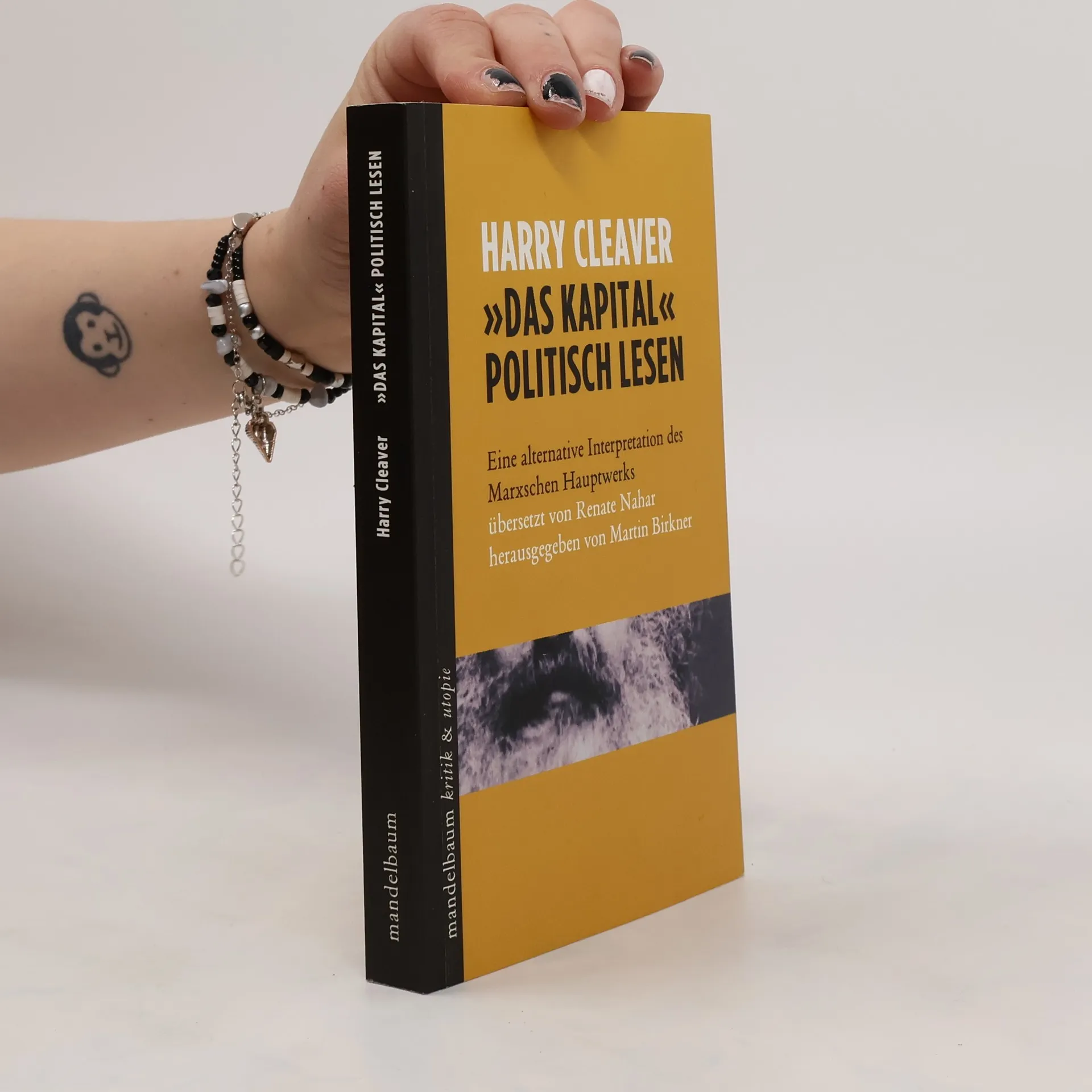
Harry Cleavers Buch, erstmals 1979 in englischer Sprache veröffentlicht, gilt als zentraler Text der „politischen Lesart“ des Marxschen Kapitals und wurde im angloamerikanischen Raum breit rezipiert. Es erlebte mehrere Neuauflagen und Übersetzungen, unter anderem ins Türkische und Koreanische. Cleaver, der dem autonomen Marxismus nahesteht, entwickelte seinen Ansatz in Anlehnung an italienische marxistische Denker wie Antonio Negri und Mario Tronti. Für Cleaver ist das Kapital vor allem eine theoretische Waffe im Kampf gegen Ausbeutung und Entfremdung und nicht eine unabhängige wissenschaftliche Arbeit. Seine Marxlektüre ist eng mit sozialen Bewegungen und Klassenkämpfen verbunden und berücksichtigt die Veränderungen in der Zusammensetzung der Arbeiterklasse, im Gegensatz zu „marxologischen“ Forschungsrichtungen. Cleaver analysiert das erste Kapitel des Kapitals durch grundlegende Kategorien wie Ware und Geld, die Marx zur Darstellung kapitalistischer Herrschaft verwendet. Trotz der Veröffentlichung vor über 30 Jahren hat der Text an analytischer Schärfe nicht verloren. In der deutschen Ausgabe verfasste Cleaver ein ausführliches Vorwort, das sowohl die Rezeptionsgeschichte seines Buches als auch die aktuelle Krise des Kapitalismus behandelt.
Harry Cleaver Bücher
Harry Cleaver ist Associate Professor für Ökonomie an der University of Texas in Austin, wo er Marxismus und marxistische Ökonomie lehrt. Er ist am besten bekannt als Autor von "Reading Capital Politically", einer autonomistischen Lesart von Karl Marx' Kapital. Dr. Cleaver engagiert sich aktiv in der Zapatista-Bewegung in Chiapas, Mexiko, und ist ein Mitwirkender auf der E-Mail-Liste aut-op-sy.
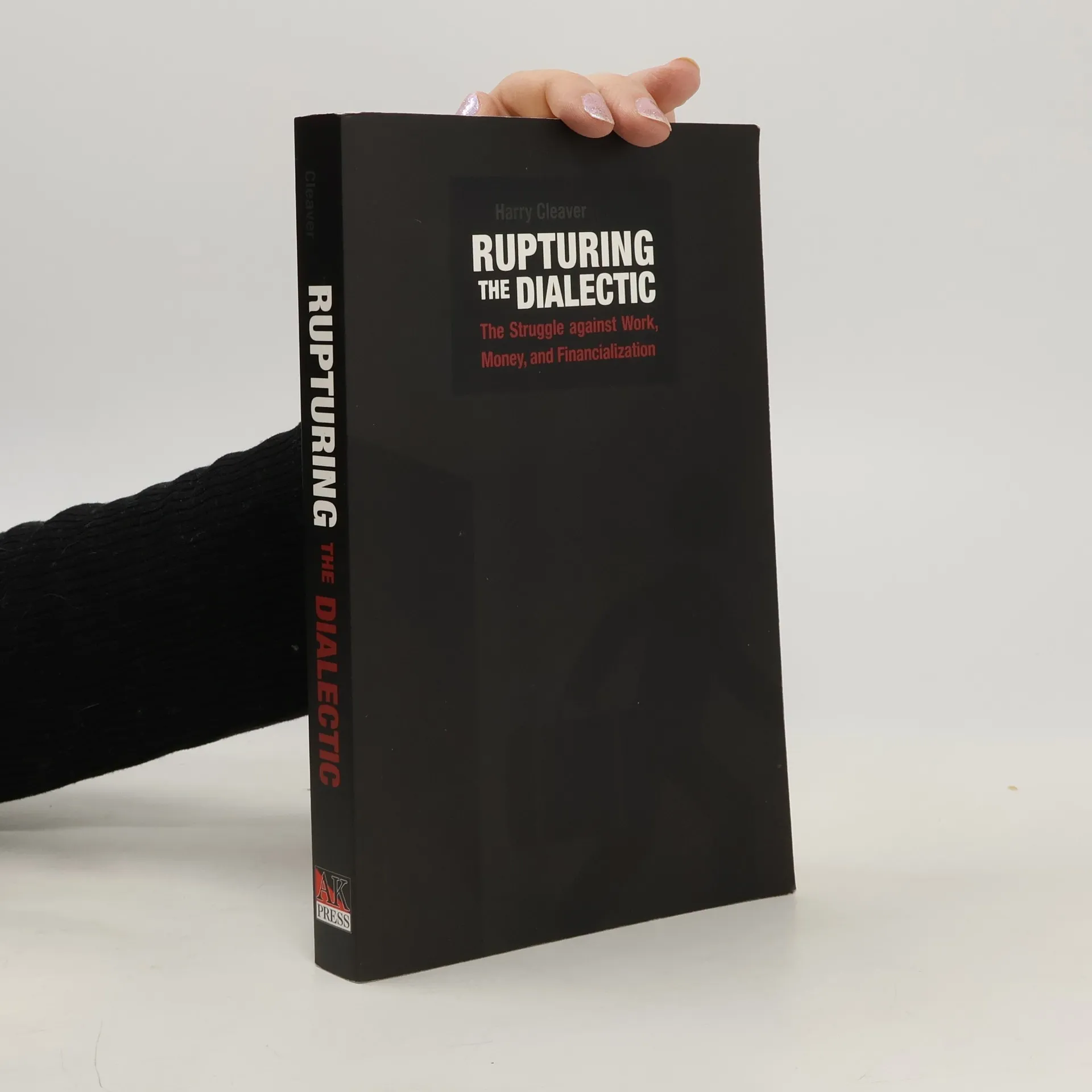
Rupturing the Dialectic
The Struggle Against Work, Money, and Financialization
- 380 Seiten
- 14 Lesestunden
Rupturing the Dialectic challenges the quietism found in economistic approaches to capitalism's current crises, providing working people with a clear and actionable program for progress. This insightful work is poised to benefit activists significantly. Cleaver's exploration of labor's value to capital, the role of money in mediating class conflicts, and strategies for resistance and transformation are exceptional. The book offers liberating perspectives on everyday life and financial crises within contemporary capitalism. It illustrates how Marx's labor theory of value can empower individuals to resist the subordination of their lives to labor, presenting a compelling analysis that transcends the capitalist dialectic instead of merely idealizing it. Harry Cleaver's earlier work, Reading Capital Politically, highlighted how capitalism structures our lives around work and how we continuously resist in ways that reshape the system. Rupturing the Dialectic updates this project, analyzing recent crises and showcasing how ordinary people can disrupt the system that exploits them. Cleaver, a university professor for three decades before his retirement in 2012, has seen his influential book republished in multiple languages and countries.