René Chartrand Reihenfolge der Bücher (Chronologisch)


Louis XIVs French soldiers and buccaneers fought and created a vast overseas domain in the West Indies and Latin America thanks to his discreet and effective support. This study presents hitherto unpublished data on the strategic impacts, actions, organization, weapons, uniforms, costumes and lifestyles of these extraordinary soldiers.
The Armies and Wars of the Sun King 1643-1715 Volume 4
- 328 Seiten
- 12 Lesestunden
A new and updated vision of the War of Spanish Succession largely won by the Sun King's armies. Chapters on finances, artillery, engineers, invalids and medical care, justice and law enforcement corps, regular local troops, the Bourgeois and Coast Guard local militia, and social life of regular soldiers are included.
Louis XIV's army in the War of the League of Augsburg, with a focus on the campaigns, the Irish contingent, and the cavalry.
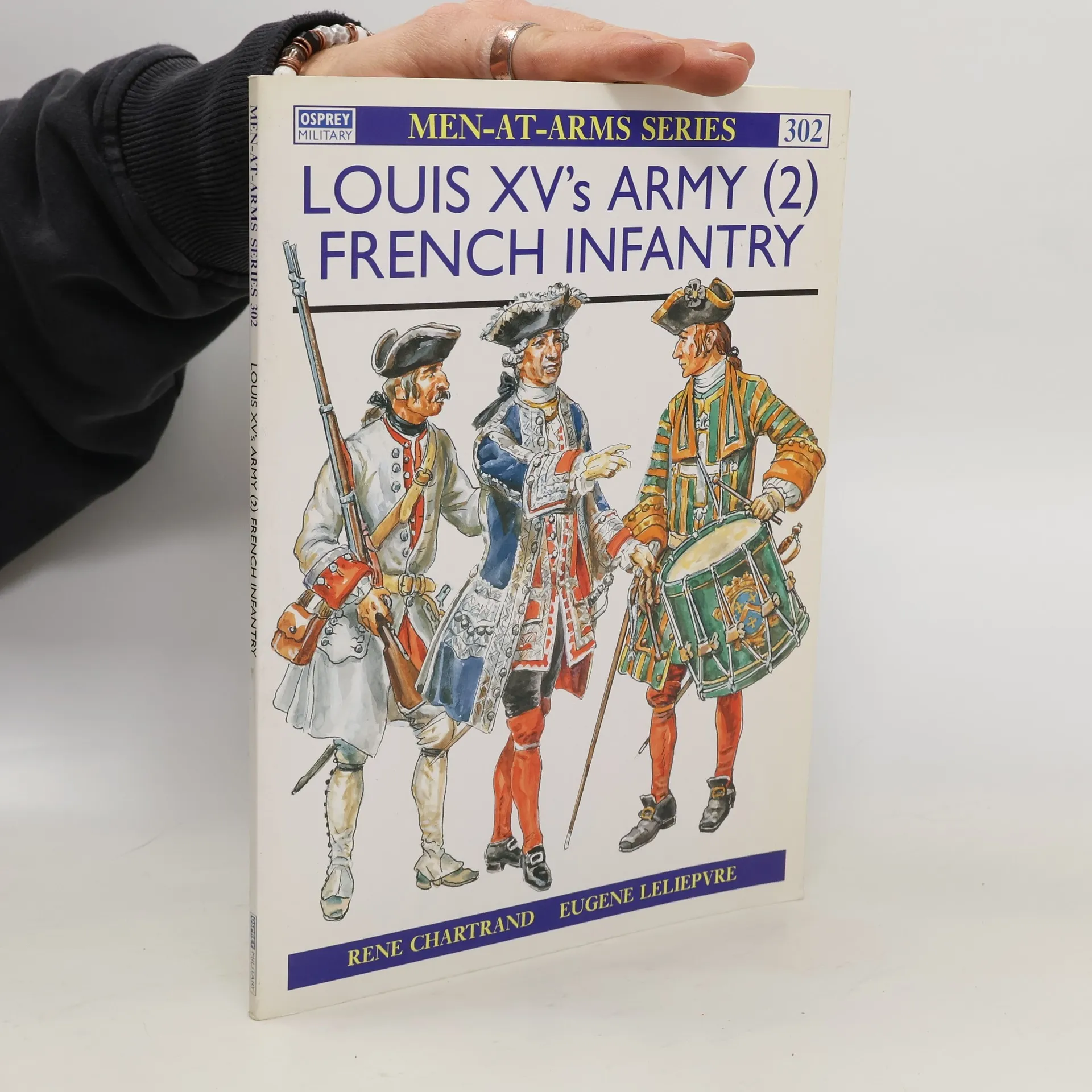
Louis XV's Army (2)
- 48 Seiten
- 2 Lesestunden
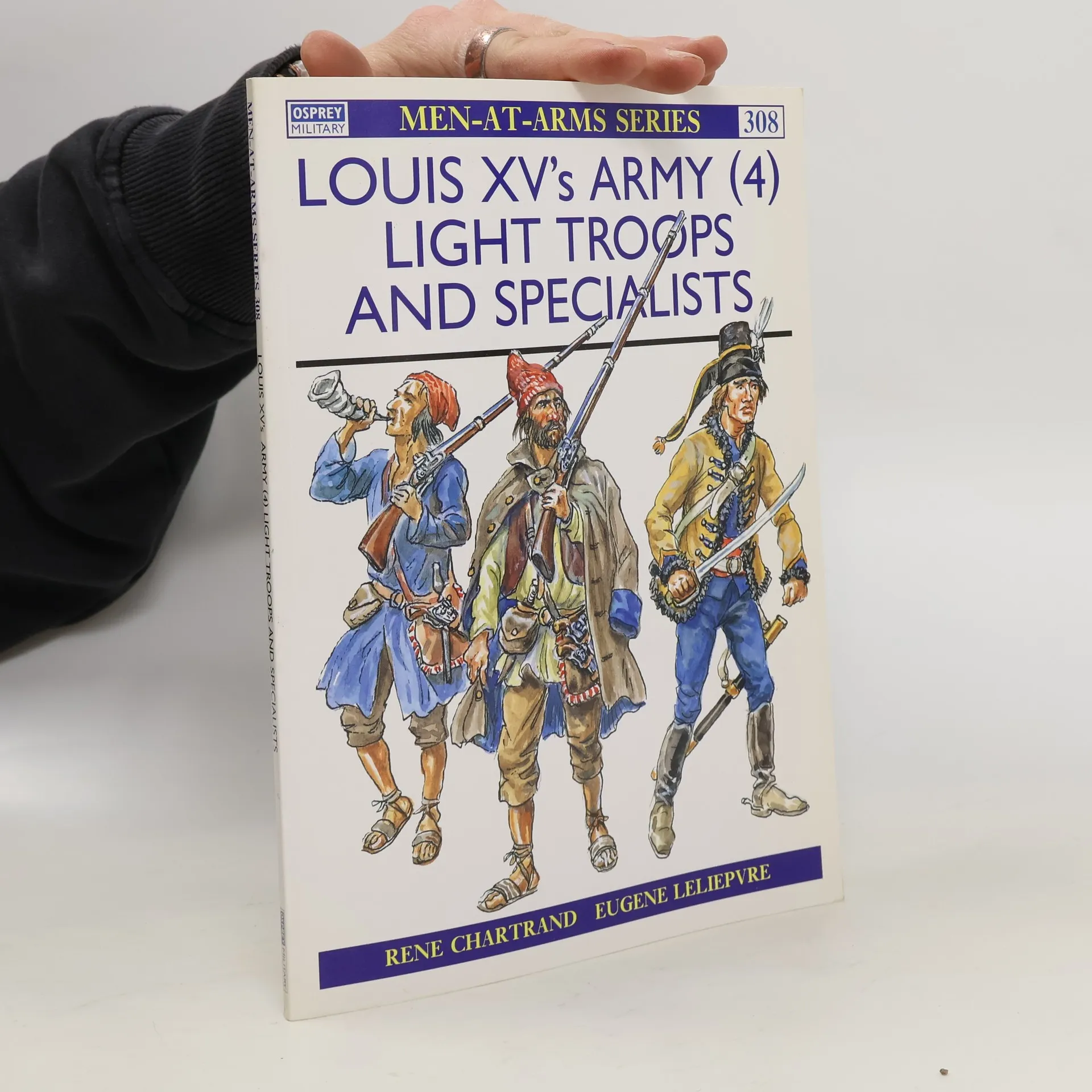
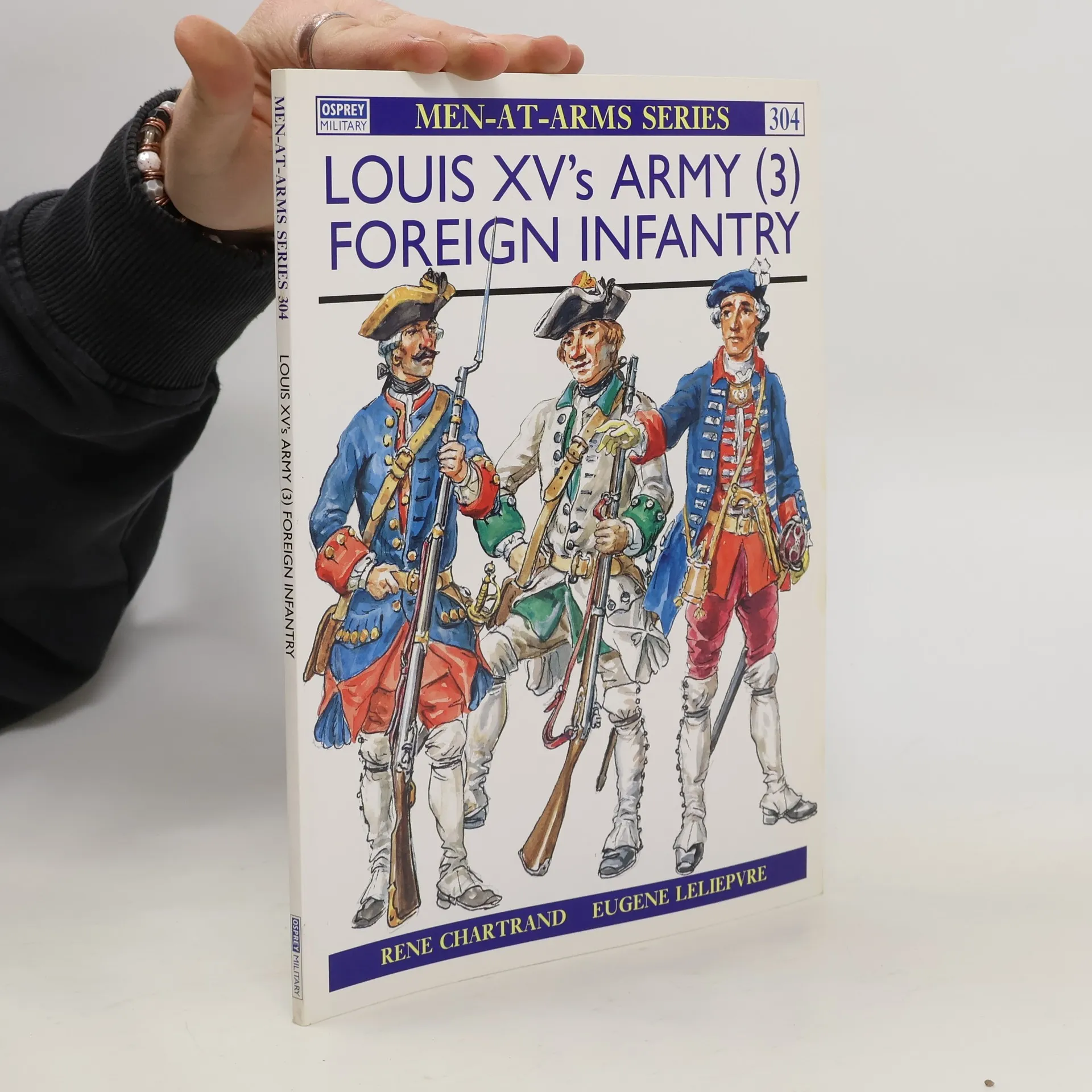
In Louis XV's army the classification of 'French' infantry denoted troops recruited from men born and raised in France. These regiments were called, naturally enough, infanterie francaise as opposed to the mercenary 'foreign' infantry recruited elsewhere. Making up the bulk of the army, all officers and men were to be of the Roman Catholic faith, the official state religion. Regimental recruiting parties went to towns and villages looking for likely young volunteers, inducing them to enlist with the usual promises – quick money, fast women, good wines and great glory.
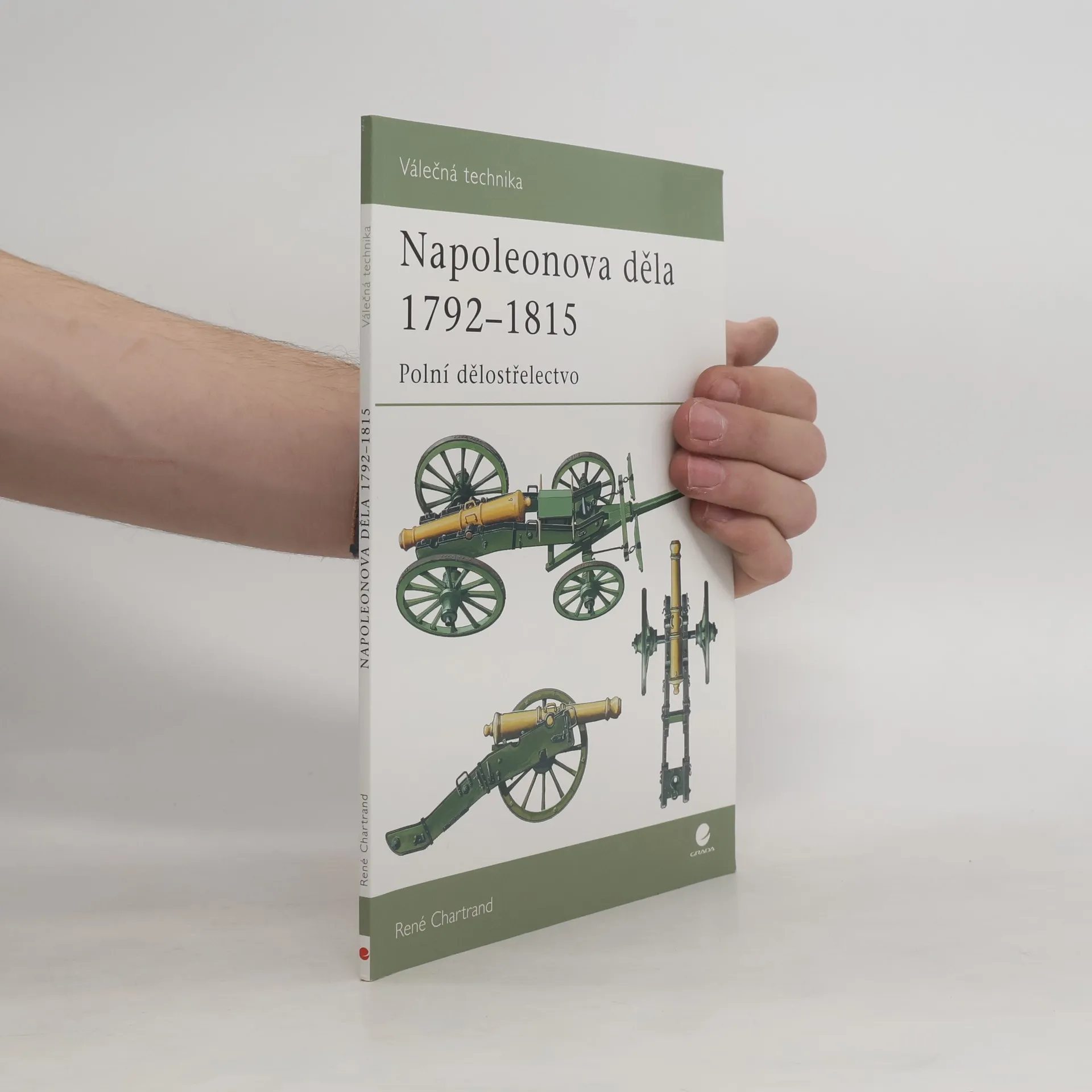
Napoleonova děla 1792-1815. Polní dělostřelectvo.
- 48 Seiten
- 2 Lesestunden
V publikaci se zájemci o válečnou techniku dozvědí podstatné informace o reformě dělostřeleckého systému, jež se začala uvádět do praxe zrovna v době, kdy svou kariéru dělostřeleckého důstojníka zahájil Napoleon Bonaparte. Ten při své závratné kariéře vojevůdce dokázal taktických možností nového systému maximálně využít. Francouzskému dělostřelectvu dodala reforma jednotnost a pružnost, jež neměly v Evropě konkurenci a umožnily Napoleonovi převzít a rozvinout sílu, jež mohla ovládnout bojiště. (polní dělostřelectvo)
Men-at-Arms - 439: The Canadian Corps in World War I
- 48 Seiten
- 2 Lesestunden
In 1914, Canada, with a regular army of just 3,110 men, was unprepared for World War I. Yet, thousands of young Canadians volunteered to support the Allied cause, resulting in nearly 700,000 Canadians serving, a remarkable effort for a nation of 8 million. Tragically, nearly one in ten who fought did not return. Canadians participated in all major battles on the Western Front, enduring the first gas attack in 1915 and fighting at Ypres and the Somme. The Canadian Corps is notably remembered for its victory at Vimy Ridge, marking a significant national milestone as all four divisions attacked together for the first time, solidifying a distinct Canadian identity. This identity was further reinforced by their unique uniforms, insignia, and equipment, all beautifully illustrated in this book. Additionally, it features a comprehensive listing of units, detailing their proud service records throughout the war, including contributions on land, at sea, and in the air. The poignant photographs, commissioned artwork, and detailed service records provide a unique insight into the experiences of Canadian soldiers, ultimately fostering a deeper sense of Canadian national identity.
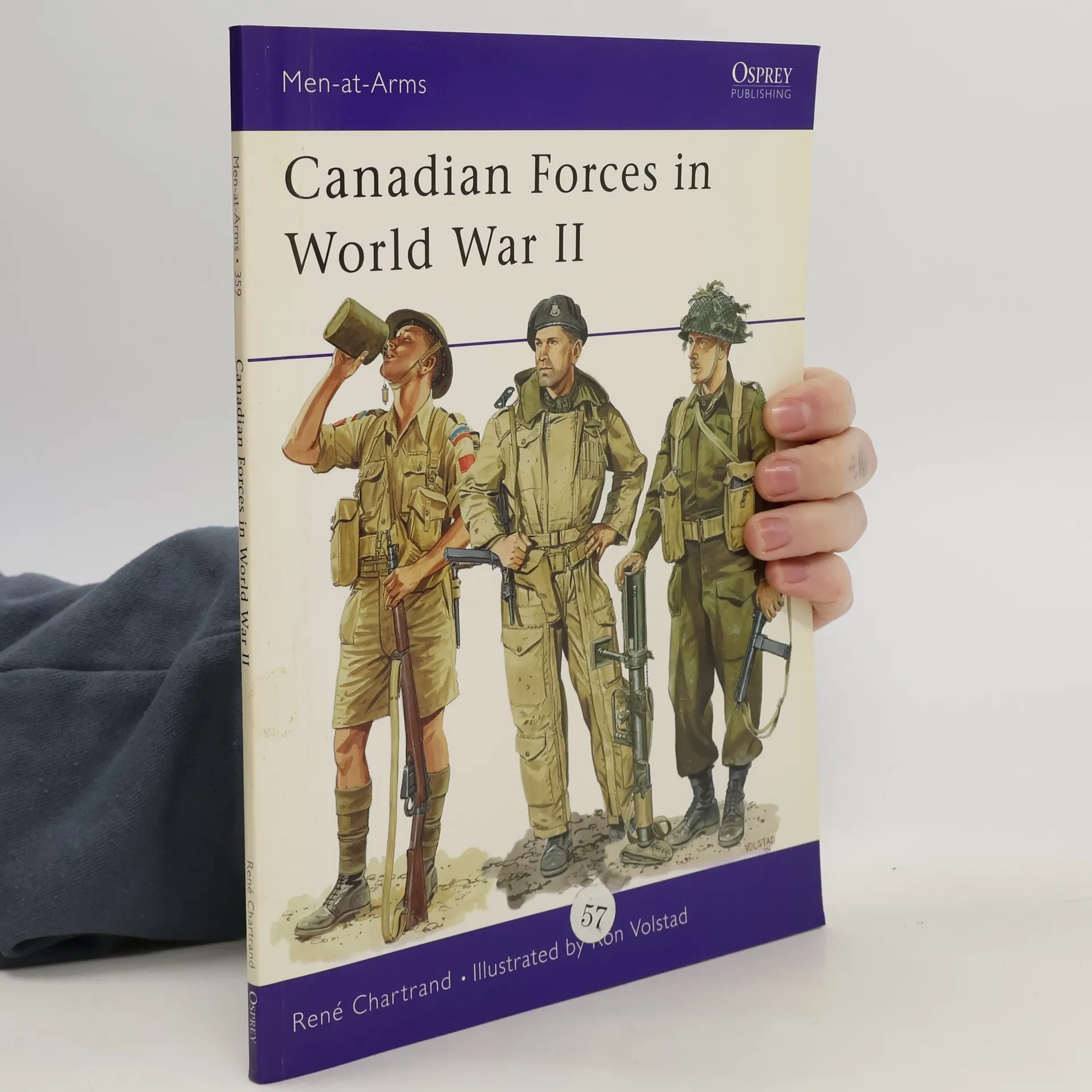
Canadian Forces in World War II
- 48 Seiten
- 2 Lesestunden
Canada was the first Commonwealth country to send troops to Britain in 1939. During 1939-45 hundreds of thousands of Canadians - more than 40 per cent of the male population between the ages of 18 and 45, and virtually all of them volunteers - enlisted. Canadians fought with tragic courage at Hong Kong and Dieppe; with growing strength and confidence in Sicily, Italy and Normandy; and finally provided an entire Army for the liberation of NW Europe. This concise account of an extraordinary national effort in the cause of freedom is supported by data tables, photos, and eight colour plates by Canada's most knowledgeable military illustrator.
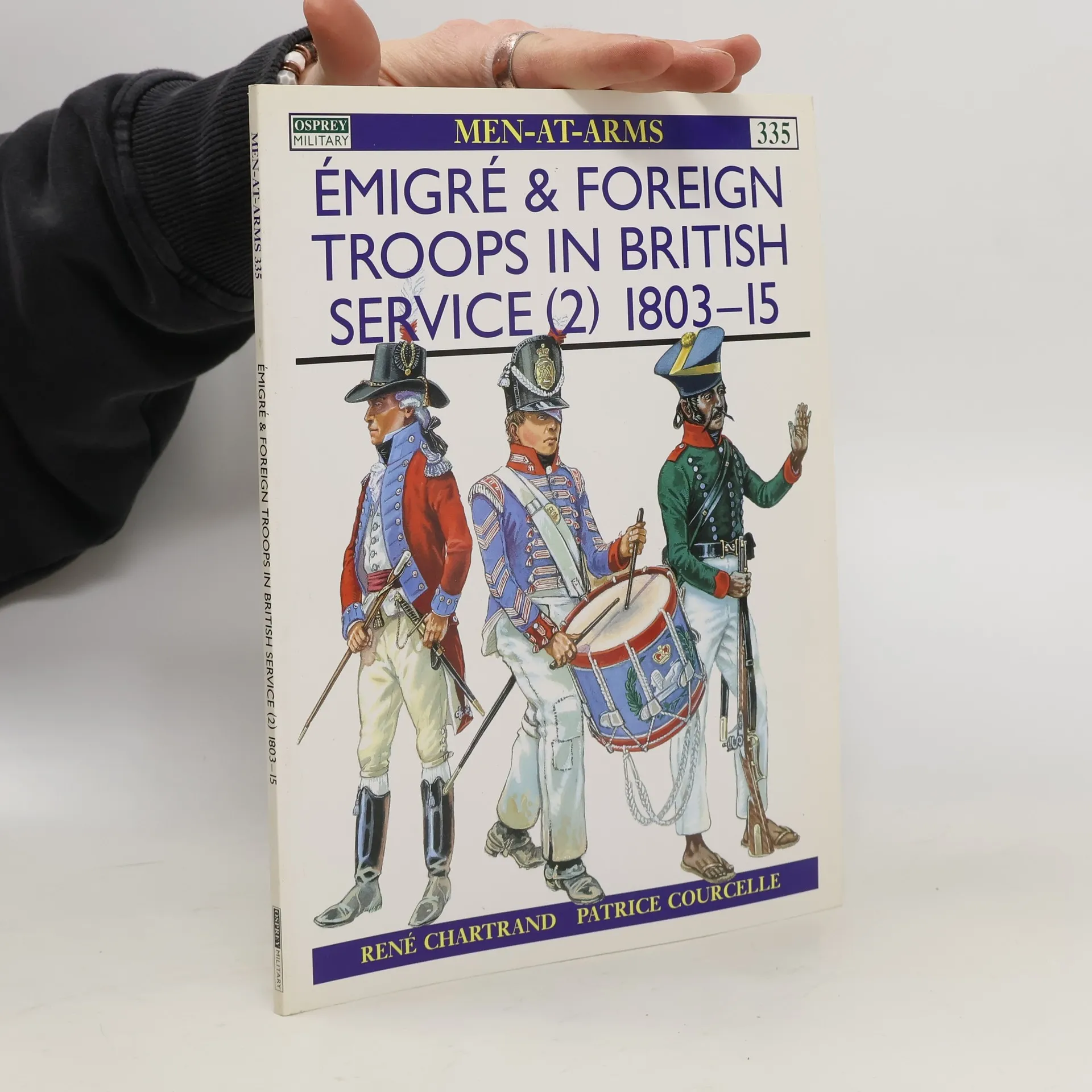
Émigré and Foreign Troops in British Service (2)
- 48 Seiten
- 2 Lesestunden
Following his study of the astonishing range of French Royalist and foreign mercenary units employed by Britain in the period 1793–1802 of the French Revolutionary Wars (Men-at-Arms 328), the author describes - often for the first time in an English language publication - the part played by their successors during the crucial years of the Napoleonic Wars. He covers not only relatively well-recorded units, such as Roll’s, Meuron’s and Watteville’s Swiss corps, but also the unjustly neglected Italians, Corsicans and Greeks, and such exotica as the African and Ceylon regiments. Uniform details of nearly 40 corps are based on impressive primary research, and this book and its companion volume make a genuinely new contribution to Napoleonic studies.
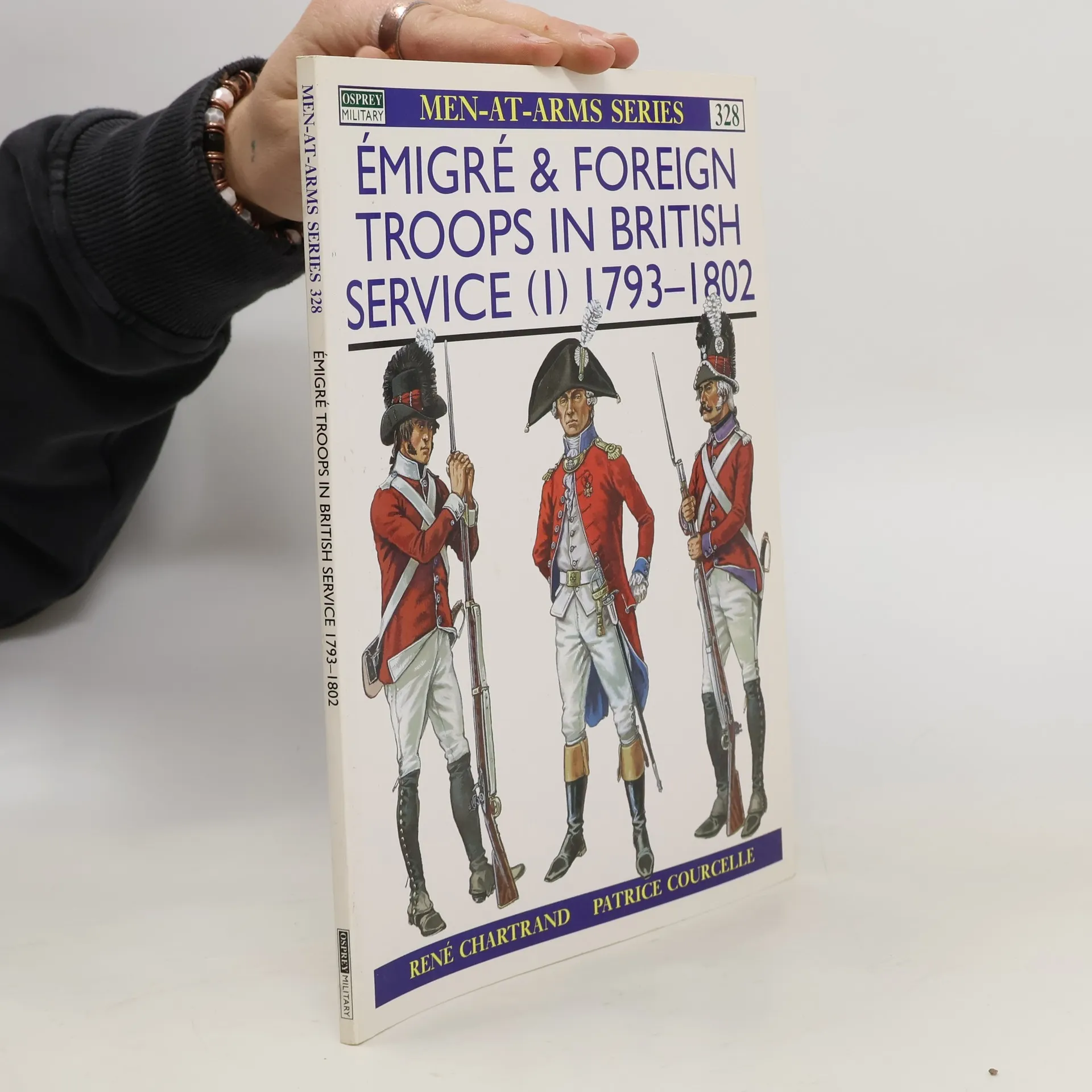
Following the Revolution in 1789, members of the aristocracy were increasingly persecuted, and many of them fled abroad. These exiles became known collectively as 'émigrés', and despite initial confusions and indecision, many of them were taken into British service. This fine text by René Chartrand examines the organisation, uniforms and insignia of the Émigré troops in British service from 1793 to 1802, accompanied by plenty of illustrations including eight full page colour plates by Patrice Courcelle.