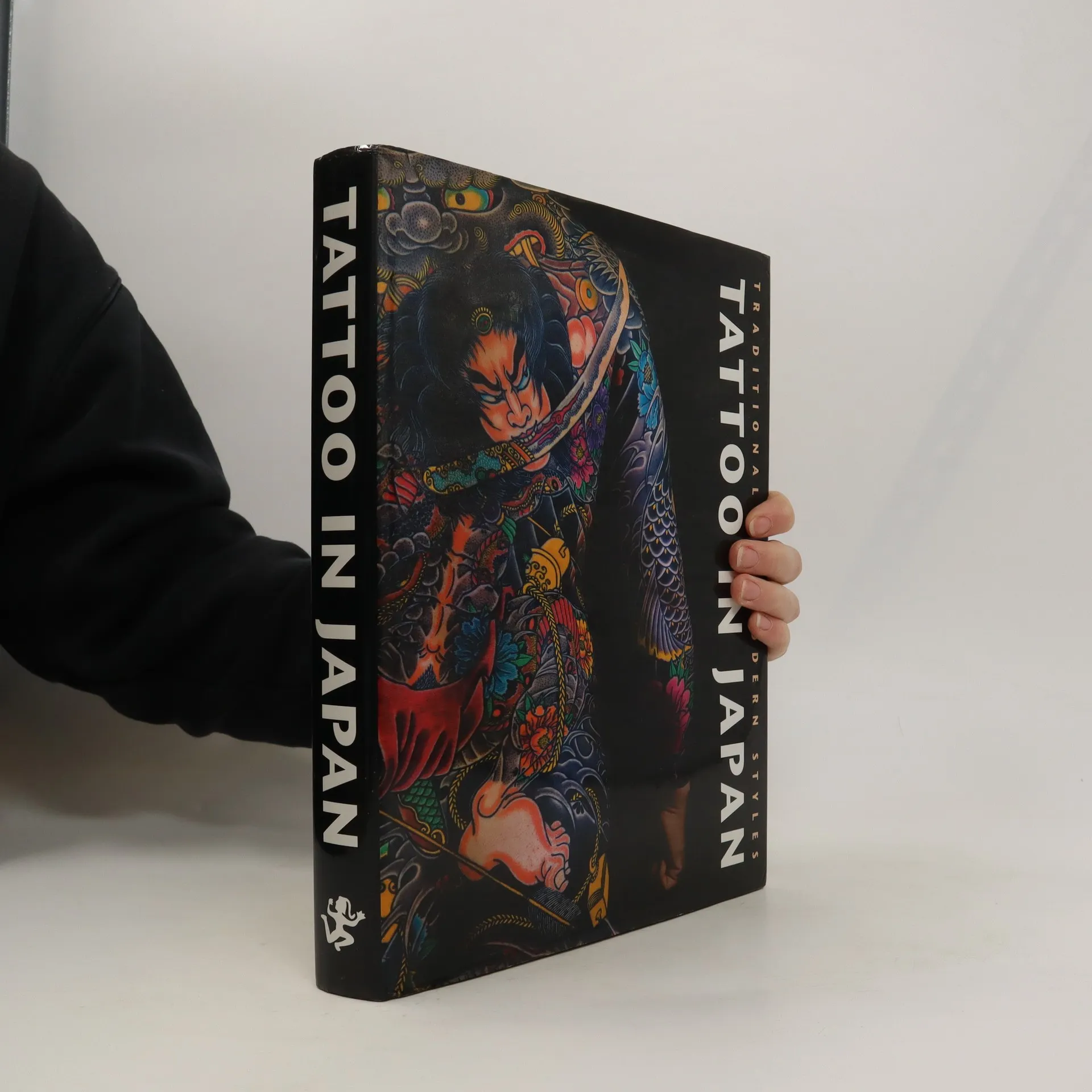
Der opulente Bildband ist ein beeindruckendes Werk. Nicht nur für Tattoofans, auch Interessierte der japanischen Kultur und Kunst, Grafiker, Modedesigner und Künstler wird dieses Buch begeistern. Vom traditionellen Markenzeichen der Yakuza, hat sich das Tattoo im heutigen Japan zum festen Bestandteil der Streetfashion-Szene und der Subkulturen in den Megametropolen Japans entwickelt. Das Tattoo ist bewußter Ausdruck ihrer Lebensphilosophie. In einer gelungenen Mischung zwischen Studio- und Reportagefotografie zeigt der Band die aktuelle Bandbreite der japanischen Tattooszene wider, von klassisch konservativ bis total exzentrisch und extrem. Japanische Tattoomeister sind in der ganzen Welt berühmt, ihre kunstvollen Designs sind bewundert und begehrt. „Tattoo in Japan“ ist ein besonderes Werk, das nur mit viel Liebe, Hingabe und höchstem Einsatz aller Beteiligten entstehen konnte, und sie alle hoffen, dass Sie diese Begeiserung spüren können.
Manami Okazaki Bücher

Kokeshi
- 244 Seiten
- 9 Lesestunden
Kokeshi are traditional, artisanal Japanese dolls, characterized by their lack of arms or legs. They have become iconic; they reflect simple Japanese aesthetic sensibilities with their simple, elegant and minimalist designs. Kokeshi looks at this culture in depth. It profiles 23 artisans in the remote hot spring villages where they are made and highlights many aesthetic theories and sensibilities that are prevalent in contemporary design, even today. With rare interviews, it will delight fans of wooden crafts and Japanese culture.
Japanese Kokeshi Dolls
- 168 Seiten
- 6 Lesestunden
An inside look at kokeshi dolls: from the skilled woodworkers behind their design to their important cultural significance.Kokeshi are the simple and charming traditional Japanese dolls characterized by their cylindrical shape and lack of arms and legs. Historically made as children's toys in Japan's northern region of Tohoku, they have now become a popular collector's item and have even inspired famous architects and artists.In this visual guide, readers will find:Filled with artist interviews, gorgeous photos and firsthand travel experience, author Manami Okazaki has created a book to be enjoyed by all--from serious collectors to woodcrafters, interior designers, architects, armchair travelers and anyone with an interest in Japanese culture and travel.
Japanese Mingei Folk Crafts
- 160 Seiten
- 6 Lesestunden
Japan's Best Friend
- 192 Seiten
- 7 Lesestunden
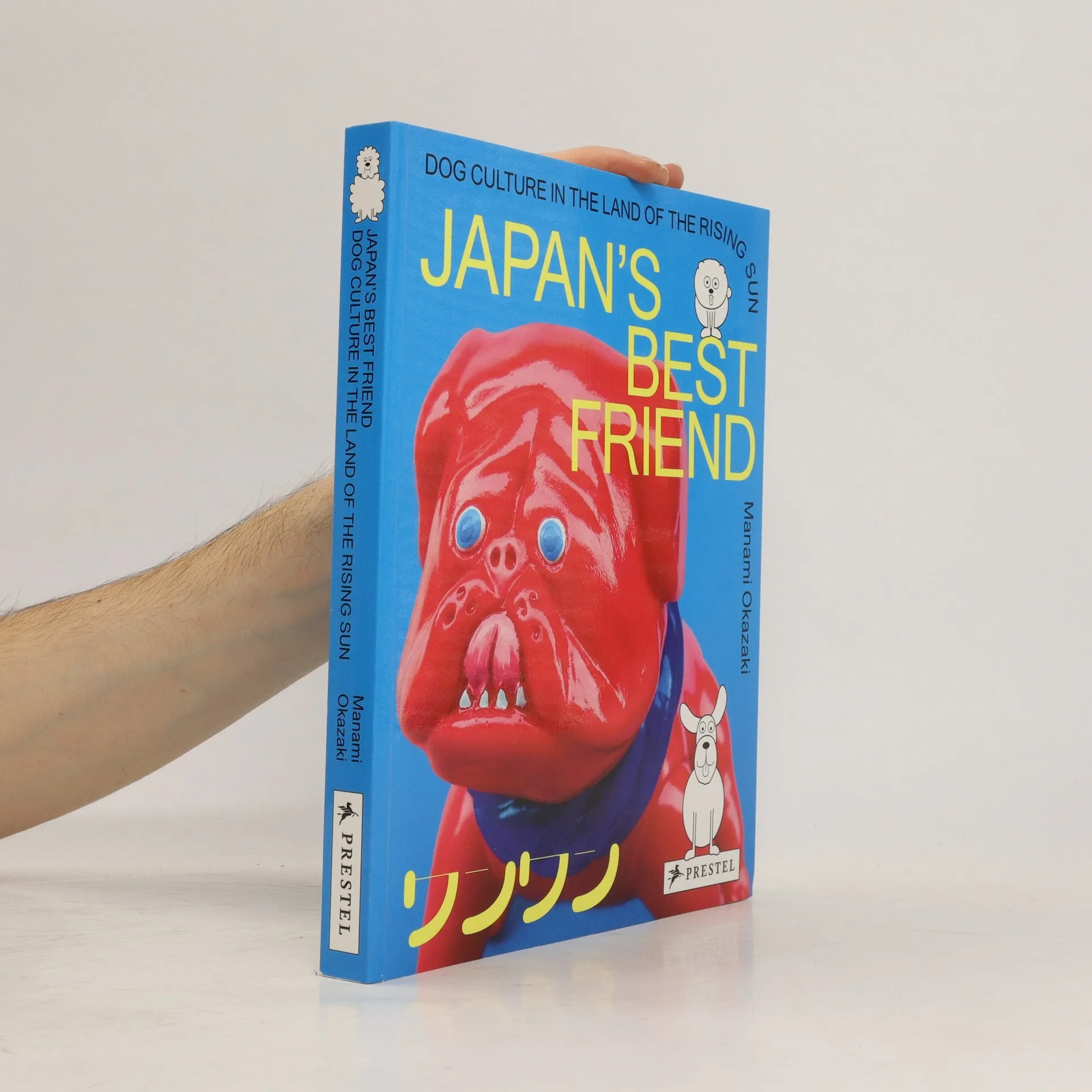
This quirky, nose-to-tail survey of Japan’s love affair with dogs explores why they have played such an important role in the country since ancient times, how they’re represented in traditional and contemporary culture alike, and which breeds are most distinctly part of the canine craze. In Japan’s Best Friend, stunning photographs take readers to religious festivals and shrines that honor dog deities, to the streets of Tokyo where canines are a mainstay of kawaii culture, and inside the doors of cafés that make pup-themed latte art as well as facilities that train rescue dogs to be involved with therapy. Readers are introduced to SONY’s iconic dog robot aibo; to the loyal Akita Hachiko, whose statue is located next to the world’s busiest pedestrian crossing; and to Doge, the Shiba Inu internet sensation. The book looks at how dogs are represented in Japanese traditions, as well as the extraordinary lengths to which they are exalted within pop culture. It includes Edo and Meiji-era woodblock prints, as well as dog-centric work by Pritzker Prize-winning architects and renowned contemporary artists. Interviews with craftspeople, illustrators, and stylists offer a fascinating glimpse into the human-to-animal connection. At turns adorable, funny, informative, and uplifting, this multi-faceted celebration investigates a phenomenon that will appeal to anyone obsessed with dogs, Japan, or both.
Oishii! Japanese Food Style
- 176 Seiten
- 7 Lesestunden
As fascinating and colorful as its subject, this visually striking celebration of Japanese food shows the importance of aesthetics in everything, from haute cuisine to vending machines. In Japan, where a meal is typically described as a feast for the eyes, food is a matter of national identity and heritage. Oishii! (which means 'delicious' in English) explores the aesthetics of the country's cuisine from a variety of perspectives, including interviews with world-famous chefs, scholars, designers, popular home cooks, patisserie chefs, artists, and more. It looks at Japanese food through the seasons; traces contemporary trends such as bento boxes and kawaii character cafés; takes readers to destinations like the Shin- Yokohama Ramen Museum and the fish roe-themed Mentai Park; and dives into culturally-specific phenomena including plastic display food, manga, and vending machines. Japanese culture expert Manami Okazaki offers a kaleidoscopic investigation of every aspect of the nation's cuisine, resulting in a book that is both comprehensive and contemporary. Filled with hundreds of photographs as well as a pull-out sticker sheet, it's packed tighter than a bento box with fun and useful information.
Das erste Buch zum internationalen Design-Trend: so süß! Wer bei japanischer Kultur bislang nur an Teezeremonie und Hokusai-Holzschnitte dachte, kennt Kawaii noch nicht! Der Begriff bedeutet im Japanischen so viel wie süß, niedlich, reizend und steht für ein ästhetisches Phänomen, das seit den 1970er Jahren den Weg bis nach Europa gefunden hat: den Kindlichkeitskult. In Japan werben Monchichi und Hello Kitty nicht nur für ihre große Produktfamilie, sondern kommen in allen gesellschaftlichen Bereichen, von der Behördeninformation bis zur Gestaltung von Flugzeugen der Japan Airlines, zum Einsatz. Das Buch zeigt in den Schnappschüssen des Fotografen Geoff Johnson, wie weit der Einfluss von Pokémon, Tamagotchi und Co. in der japanischen Gesellschaft reicht.
Toy Tokyo
- 180 Seiten
- 7 Lesestunden
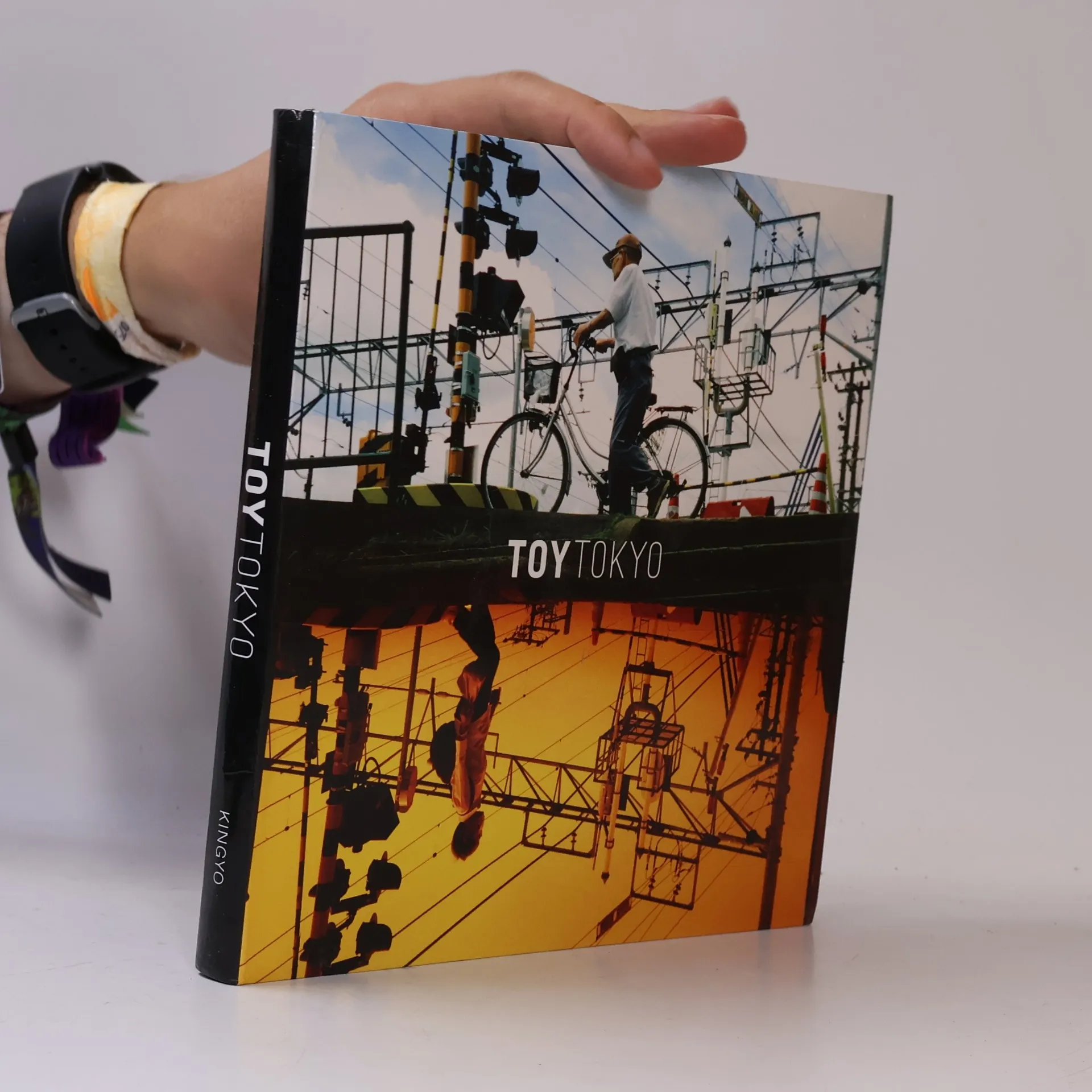
Blurry, out of focus, streaked with light and distorted. While these are adjectives you might not associate with quality photography, these are the quintessential characteristics of photography produced by toy cameras.While generic, commercial, travel photography based on stock has become the norm, Toy Tokyo captures the exhilaration of travel photography and life on the road, in one of the worlds most intense and photogenic locations.First in a series of location specific photography books using toys cams. Included are introductions, interviews with the founders of, and photos of factory visits with makers of the most iconic toy and simple system cameras, such as the Holga, Zero pinholes and the original Diana in Hong Kong, the LOMO LC-A and Horizon in Russia, Japan's Fuuvi, Impossible films and of course, the folks at lomography.
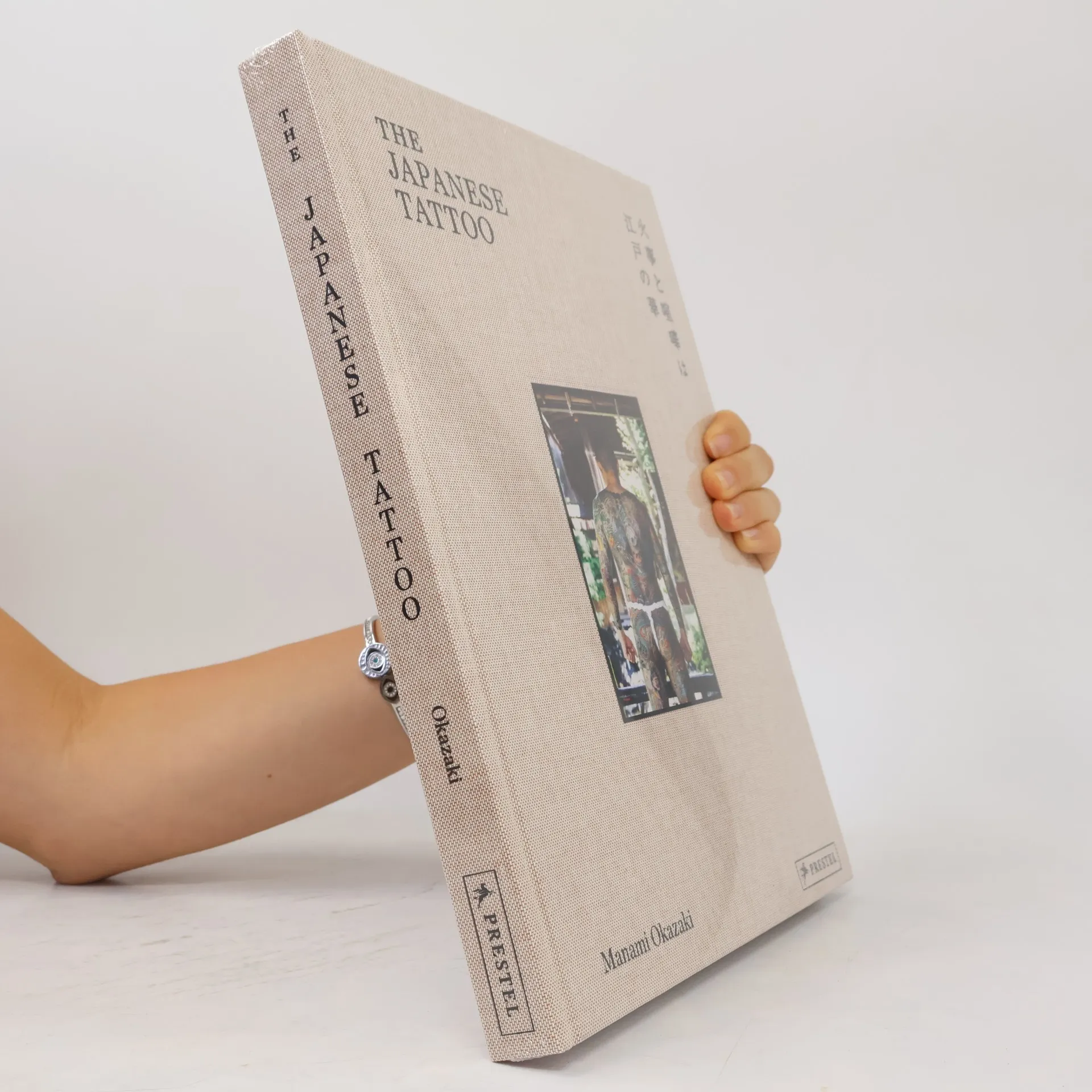
The Japanese Tattoo: Fights and Fires Are the Flowers of Edo
- 240 Seiten
- 9 Lesestunden
Japońskie lalki kokeshi
- 168 Seiten
- 6 Lesestunden
Kokeshi to ikoniczne drewniane lalki z Japonii. Tradycyjnie tworzone przez rzemieślników z wiosek w regionie Tohoku, położonym na dalekiej północy kraju, odznaczają się cylindrycznym kształtem oraz brakiem kończyn. Książka ta przedstawia tradycyjne i współczesne kokeshi, wykonywane przez artystów zarówno w Japonii, jak i poza jej granicami, gdzie ten produkt ludowego rzemiosła przeżywa właśnie szczyt swojej popularności.