Warum Napoleon schon lange vor Waterloo scheiterte Die Schlacht bei Waterloo im Juni 1815 gilt als entscheidender Moment für den Untergang Napoleons. Zu Unrecht, sagt Munro Price, einer der führenden Napoleon-Experten: Der Kaiser der Franzosen hatte schon lange vorher alles verloren, die Niederlage seiner Truppen war unausweichlich. Die atemberaubende Chronik seines Scheiterns zeigt, wie der brillante Stratege Napoleon in den letzten Jahren seiner Herrschaft alle Chancen, sein Reich zu retten, verstreichen ließ. Ein eindrückliches Porträt, das den ambivalenten Charakter Napoleons neu offenbart. 1812 scheitert Napoleons Russlandfeldzug dramatisch, es ist der Anfang vom Ende seiner Herrschaft über Frankreich und weite Teile Europas. Fortan, lange vor Waterloo, besiegelt Napoleon sein eigenes Schicksal, in den Schlachten von Bautzen, Dresden, Leipzig und Laon. Munro Price schildert anhand bisher weitgehend unbeachteter Quellen die maßgeblichen militärischen und diplomatischen Ereignisse der letzten Herrschaftsjahre und zeigt, wie Napoleon seine Vormachtstellung in Europa verliert. Warum nutzte Napoleon nicht die Chancen, die sich ihm boten, seine Herrschaft zu retten? Was trieb ihn an? Die Geschichte seines Untergangs liefert neue Einsichten in den zwiespältigen Charakter des französischen Generals, Kaisers und Diktators, der für seine Macht alles riskierte, und schließlich alles verlor. Ausstattung: mit Abbildungen
Munro Price Bücher
Munro Price ist ein Historiker, der sich auf die französische Geschichte spezialisiert hat und sich mit ihren komplexen Nuancen befasst. Seine Arbeit zeichnet sich durch Tiefe und Detailgenauigkeit aus, die die Vergangenheit für heutige Leser lebendig werden lassen. Price's akademischer Ansatz bietet aufschlussreiche Perspektiven auf die politischen und sozialen Kräfte, die Frankreich geprägt haben.


Exploring the pivotal role of Vergennes in shaping domestic policy, this study delves into the political and social landscape of France on the brink of the French Revolution. It examines his strategies, decisions, and the implications of his governance during a transformative period in French history, highlighting the complex interplay between domestic affairs and revolutionary sentiments. The analysis offers insights into how Vergennes' leadership influenced the nation's trajectory in a time of impending change.
Scientifically Thinking
- 288 Seiten
- 11 Lesestunden
"Rice, himself a scientist, [posits that] that science is essentially organized common sense. While the brain is hardwired for common sense, unfortunately it also relies on a number of misleading tendencies. Instead of reasoning objectively it tends to rationalize. Often it sees what it wants to see rather than what is really there. And it is adept
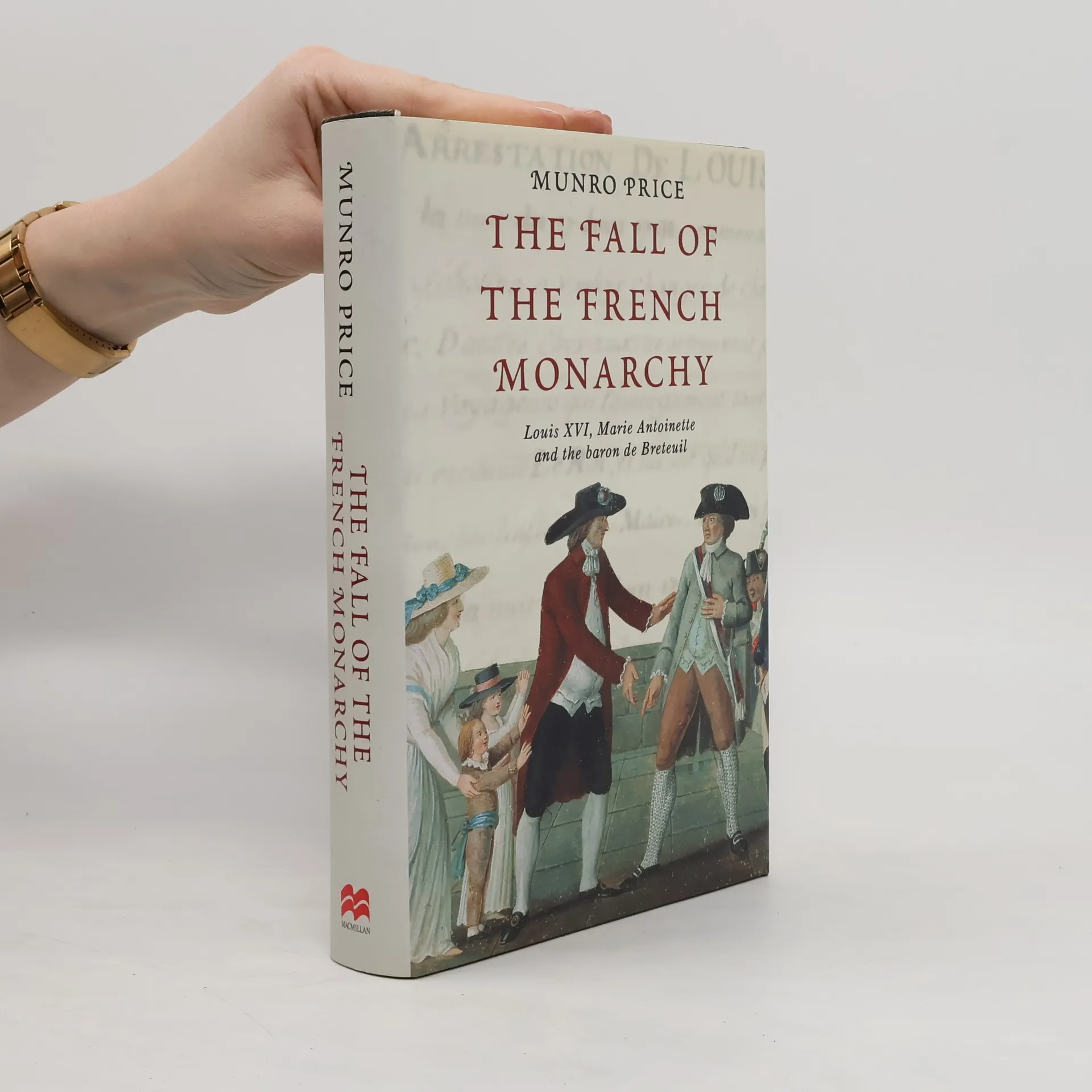
The Fall of the French Monarchy
Louis XVI, Marie Antoinette and the Baron de Breteuil
- 425 Seiten
- 15 Lesestunden
This is a history of the French Revolution, as seen through the eyes of the French royal family. Munro Price has researched the mood, atmosphere and personalities behind the palace walls: at the heart of this research is a cache of letters that sheds new light on the lives of the royals, as the monarchy was gradually stripped of its power and revolutionary fervour called for their execution.
A new history of the French revolution, seen through the eyes of the Royal family of the time.
‘An extraordinary story told with the utmost elegance. It's the perfect exemplar and justification of the short format that Notting Hill Editions have hit upon.’Michael Frayn
James Joyce and Italo Svevo
- 292 Seiten
- 11 Lesestunden
276 pages, 8 unnumbered pages of plates : 24 cm
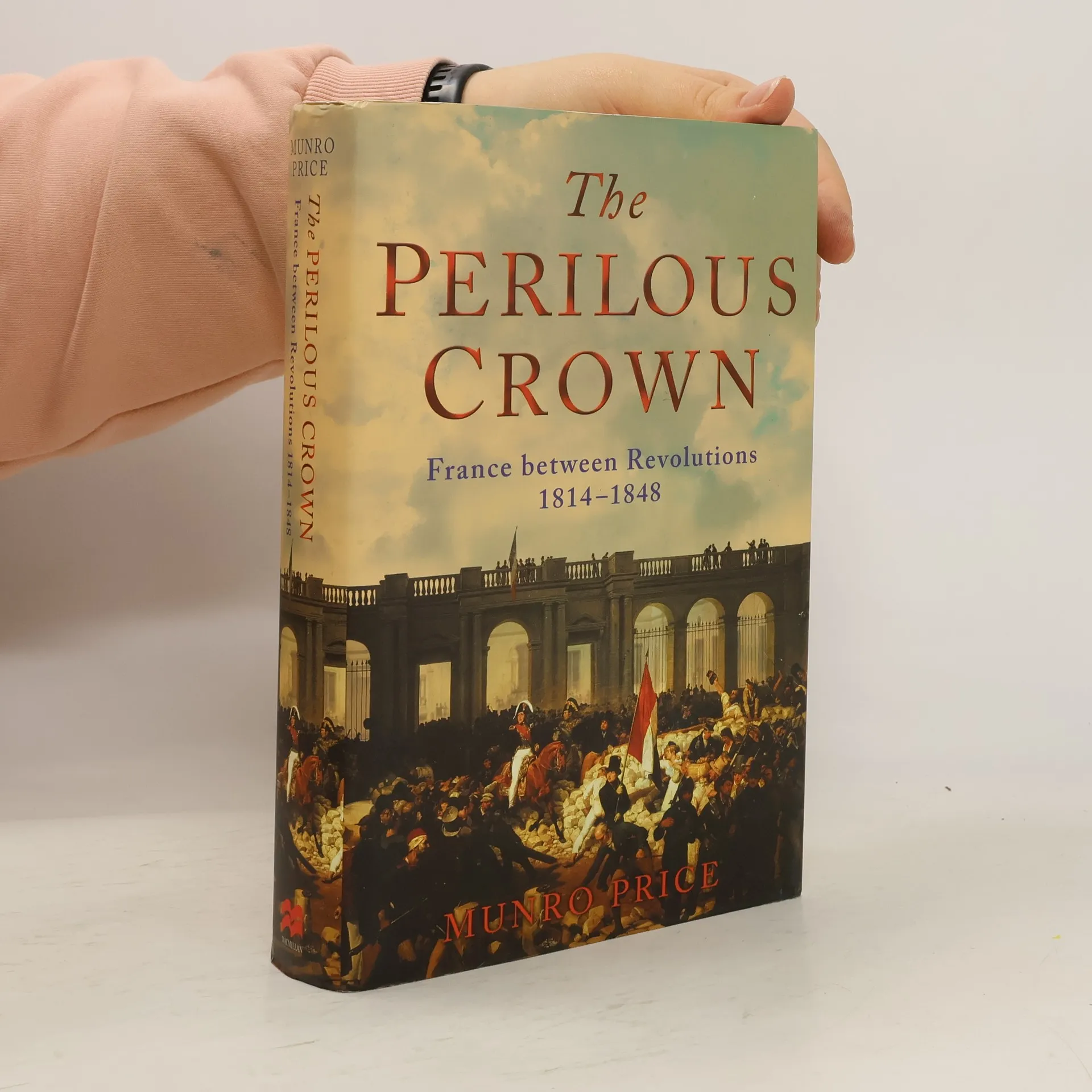
Everyone knows what happened in France between the Revolution of 1789 and the fall of Napoleon in 1815, but what happened next? Munro Price's vivid and compelling new book fills in the gap. Beginning with the return from exile of Louis-Philippe d'Orleans in 1814, together with his sister, Madame Adelaide, Price examines the remarkable period that saw not one but two revolutions; the first, in 1830, put Louis-Philippe on the throne, the second in 1848 saw him exiled once more, destined to spend the last years of his life in quiet seclusion in Surrey. Drawing on previously unpublished letters and journals, Price focuses on the amazing political machinations of Madame Adelaide. Mentioned only rarely in other histories of the time, Price restores her to rightful prominence and reveals how her intelligence and behind the scenes wrangling secured her brother the throne, thereby creating France's only long-lasting experiment with a constitutional monarchy. Price brings this extraordinary period, with all its instability and political intrigue, vividly to life, and at the same time illuminates our understanding of a difficult and tumultuous time. The result is an ambitious, exciting, and masterful work of history that is sure to delight and inform for many years to come.