Von den Stammeskämpfen der Frühgeschichteüber die Feldzüge Alexanders, Cäsars und Napoleons, den desaströsen Zweiten Weltkrieg bis zu den blutigen Konflikten unserer Gegenwart: Kaum etwas hat die Geschichte der Menschheit, ihre Institutionen, Werte und Ideen so geprägt wie die gewalttätigen Auseinandersetzungen zwischen Staaten und Völkern. Wann und wie begann der erste Krieg? Ist es von der Natur vorgegeben, dass Menschen gegeneinander kämpfen? Wieso sind Kriegsmaschinerien perfekt organisiert und fast alle Soldaten Männer? Margaret MacMillan schildert anhand der militärischen Konflikte von der Antike bis zur Gegenwart, wie diese unsere Vergangenheit, unsere Entwicklung, unsere Sicht auf die Welt und unser Selbstverständnis bestimmt haben. Unsere Sprache, unser öffentlicher Raum, unsere privaten Erinnerungen, selbst große kulturelle Schätze spiegeln Ruhm und Elend des Krieges wider. SeineAmbivalenz liegt darin, dass er nicht nur zerstört, sondern auch zum technischen, organisatorischen, politischen und sogar künstlerischen Fortschritt beiträgt. All dies zeigt Margaret MacMillans große Kulturgeschichte.
Margaret MacMillan Reihenfolge der Bücher (Chronologisch)
Margaret MacMillan ist eine angesehene Historikerin und Professorin, deren Werk sich auf internationale Beziehungen und Geschichte konzentriert. Ihre Schriften befassen sich mit den komplexen Ursachen von Krieg und Frieden und untersuchen, wie vergangene Ereignisse die gegenwärtige Welt prägen. Ihr analytischer Stil und ihre Fähigkeit, historische Parallelen mit aktuellen Problemen zu verbinden, machen sie zu einer bedeutenden Stimme in der Geschichtswissenschaft. Leser werden ihre tiefen Einblicke in die menschliche Natur und politische Prozesse schätzen.


The Lion's Cub - Le Lionceau
- 80 Seiten
- 3 Lesestunden
Esteemed Canadian writer and historian Margaret MacMillan considers the paradoxical impact the First World War has had on Canada in her 2018 Symons medal address, The Lion's Cub.
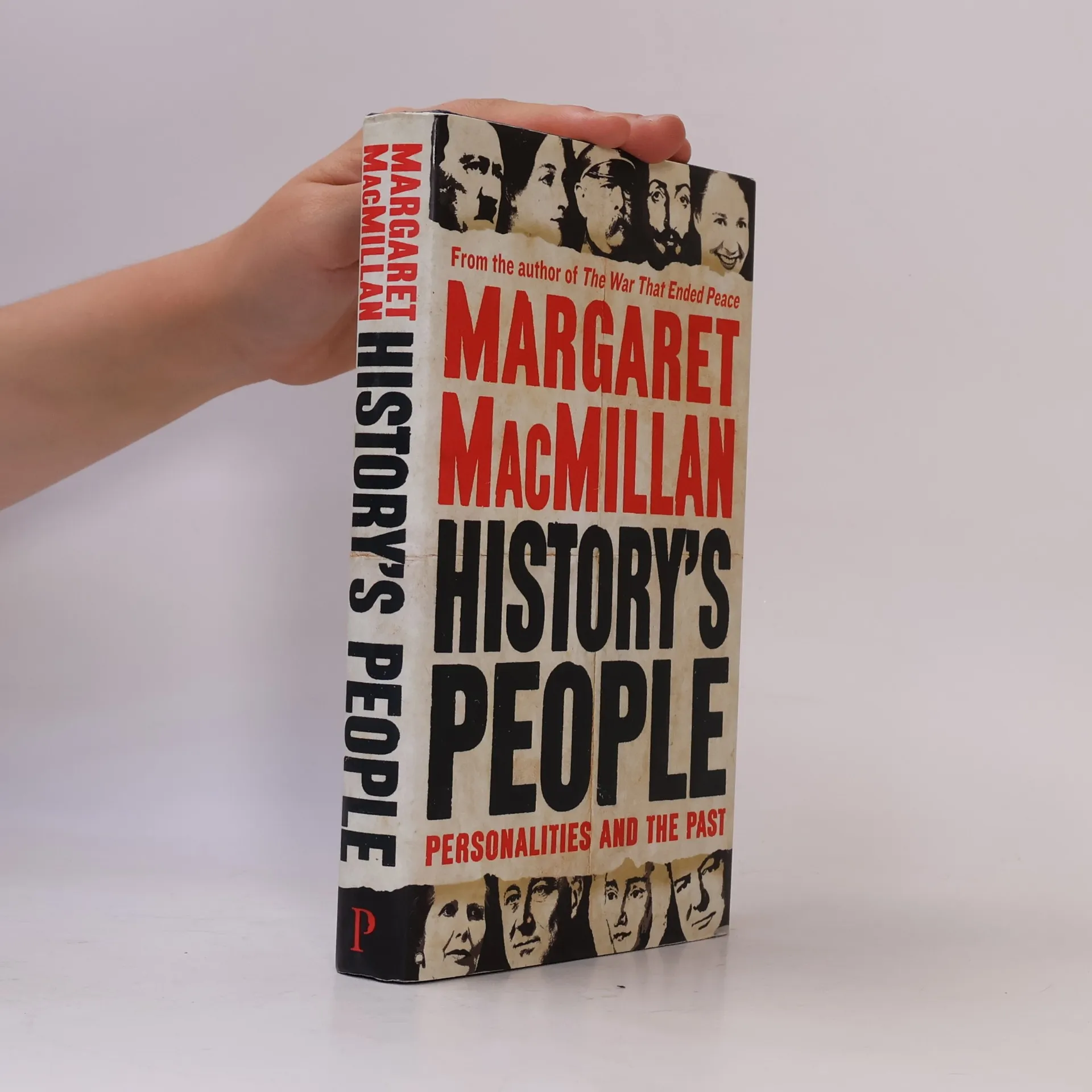
What difference do individuals make to history? Are we all swept up in the great forces like industrialisation or globalisation that change the world? Clearly not: real people-leaders in particular-and the decisions that they make change our lives irrevocably, whether in deciding to go to war or not, decisive tactical choices made in the heat of battle or changing the economic fortunes of countries.So if people-explorers, rulers, politicians, campaigners-make a difference in history, what is the role of personality? What difference did, for example, Nixon, Franklin Delano Roosevelt, Montaigne or Stalin make? And what about less visible but influential people such as Edith Durham in the early twentieth century in Eastern Europe or Fanny Parks in nineteenth century India?Is it possible to find or discern patterns in different types of personality-tyranny, risk-taking, curiosity, reluctance to act? This pithy book interrogates the past to ask very big questions about the role of individuals and their behaviour. It really matters: the personalities of the powerful can affect-for better or worse-millions of people and the future of countries. Like all the best history, this book colours the way you see not only the past but the present.
The War that Ended Peace
- 699 Seiten
- 25 Lesestunden
The First World War followed a period of sustained peace in Europe during which people talked with confidence of prosperity, progress and hope. But in 1914, Europe walked into a catastrophic conflict which killed millions of its men, bled its economies dry, shook empires and societies to pieces, and fatally undermined Europe's dominance of the world. Beginning in the early 19th century, and ending with the assassination of Archduke Franz Ferdinand, historian Margaret MacMillan uncovers the huge political and technological changes, national decisions and - just as important - the small moments of human muddle and weakness that led Europe from peace to disaster.
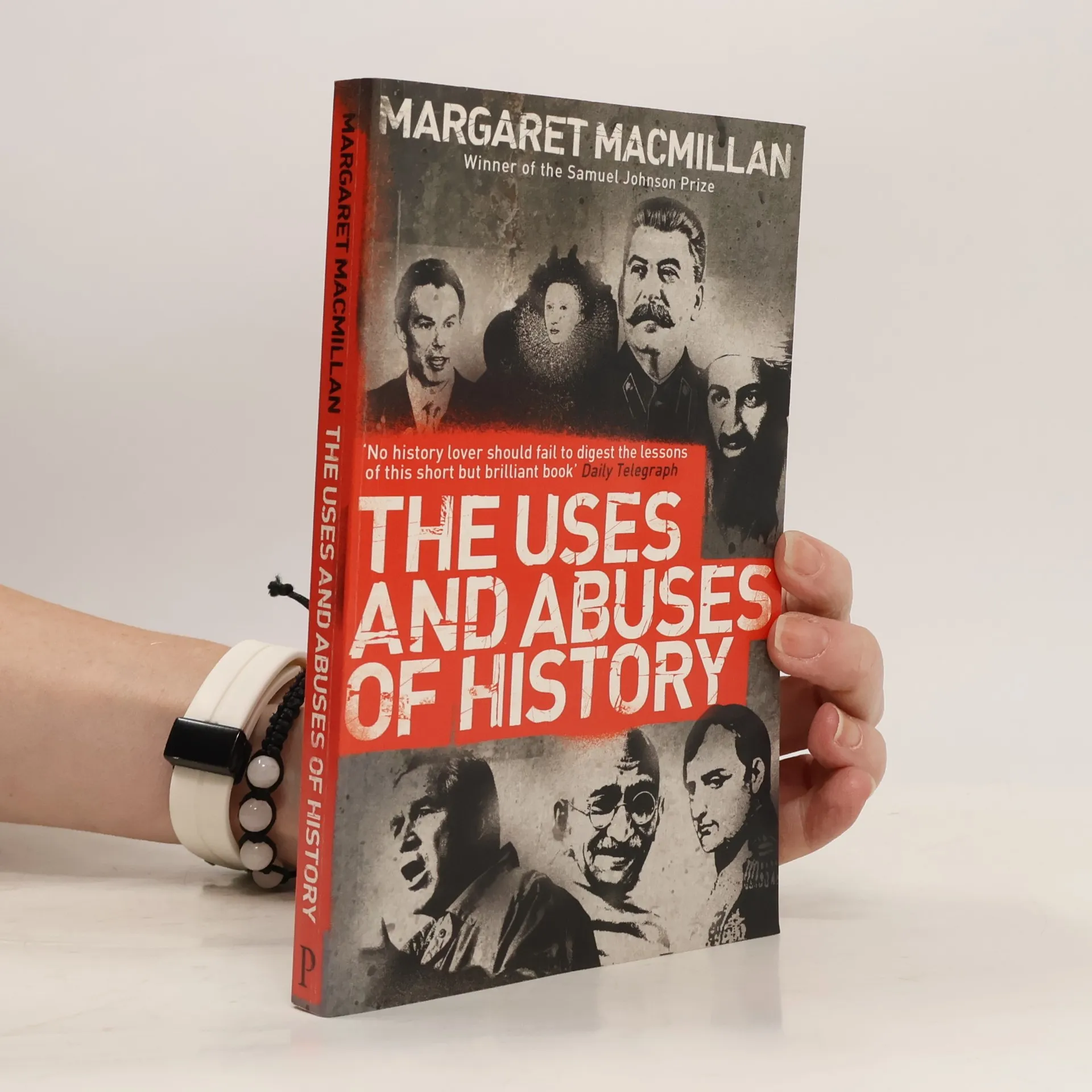
The Uses and Abuses of History
- 208 Seiten
- 8 Lesestunden
The past is capricious enough to support every stance - no matter how questionable. In 2002, the Bush administration decided that dealing with Saddam Hussein was like appeasing Hitler or Mussolini, and promptly invaded Iraq. Were they wrong to look to history for guidance? No; their mistake was to exaggerate one of its lessons while suppressing others of equal importance. History is often hijacked through suppression, manipulation, and, sometimes, even outright deception. MacMillan's book is packed full of examples of the abuses of history. In response, she urges us to treat the past with care and respect.
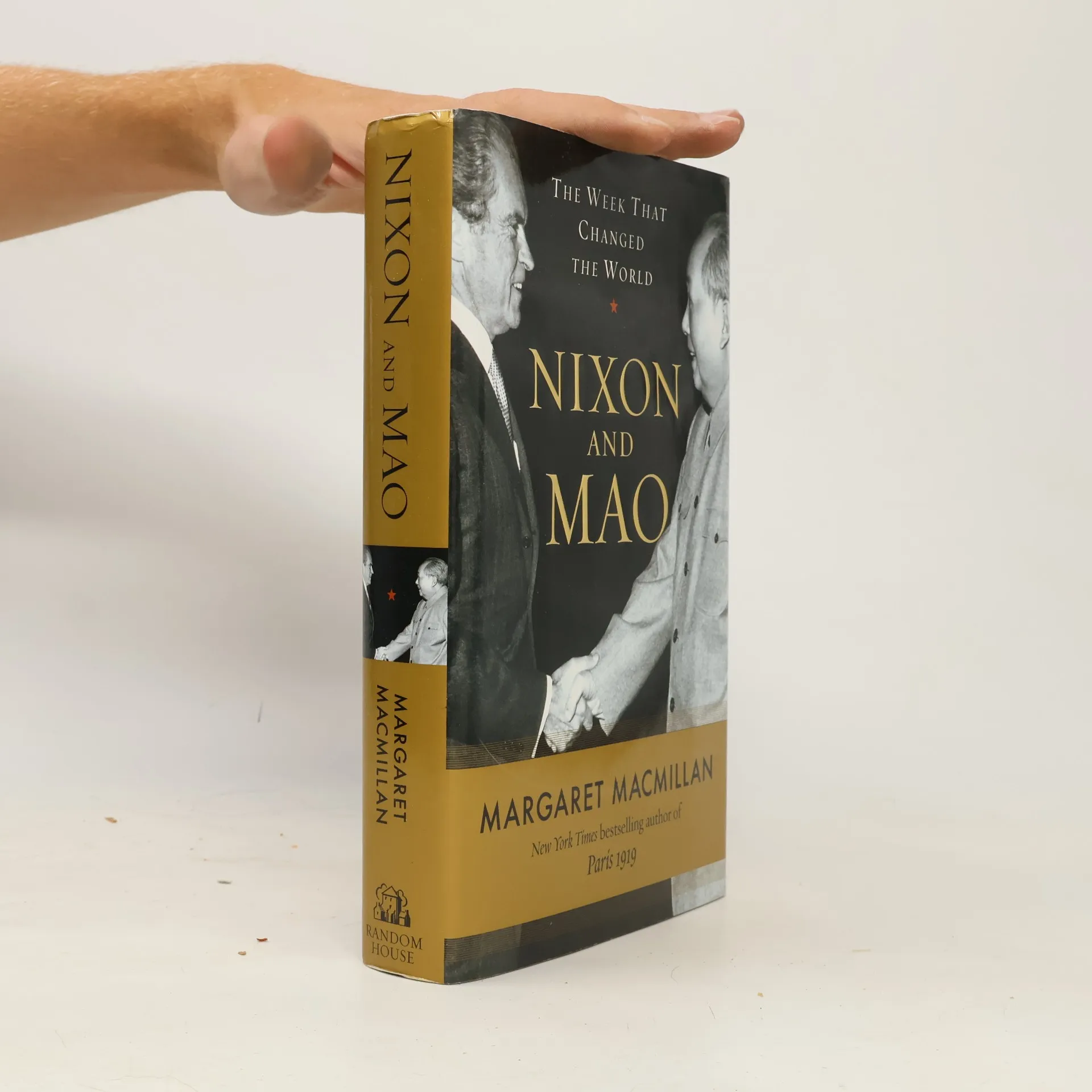
Margaret MacMillan, acclaimed for her bestseller, explores the pivotal relationship between the United States and China, focusing on a historic meeting in February 1972. This encounter between Richard Nixon, the first American president to visit China, and Mao Tse-tung, the Communist leader, marked a significant turning point in global relations. Their meeting, described by Nixon as “the week that changed the world,” was facilitated by influential figures like Henry Kissinger and Chou En-lai, alongside notable personalities such as Pat Nixon and Jiang Qing. The backdrop of this meeting involved complex histories: China, with its ancient civilization, viewed itself as superior and wary of foreign influences, while the United States, confident in its role as a global leader, sought to reshape its foreign policy. Nixon aimed to leverage China’s support to exit the Vietnam War, while Mao sought American technology to recover from the Cultural Revolution. This collaboration raised questions about loyalty, ideology, and the long-term impact of their decisions on both nations. Through engaging anecdotes and historical context, the book provides insights into this transformative moment of the twentieth century, shedding light on a relationship crucial for the twenty-first century. MacMillan, a distinguished historian, has received numerous accolades for her work and currently holds prominent academic positions.
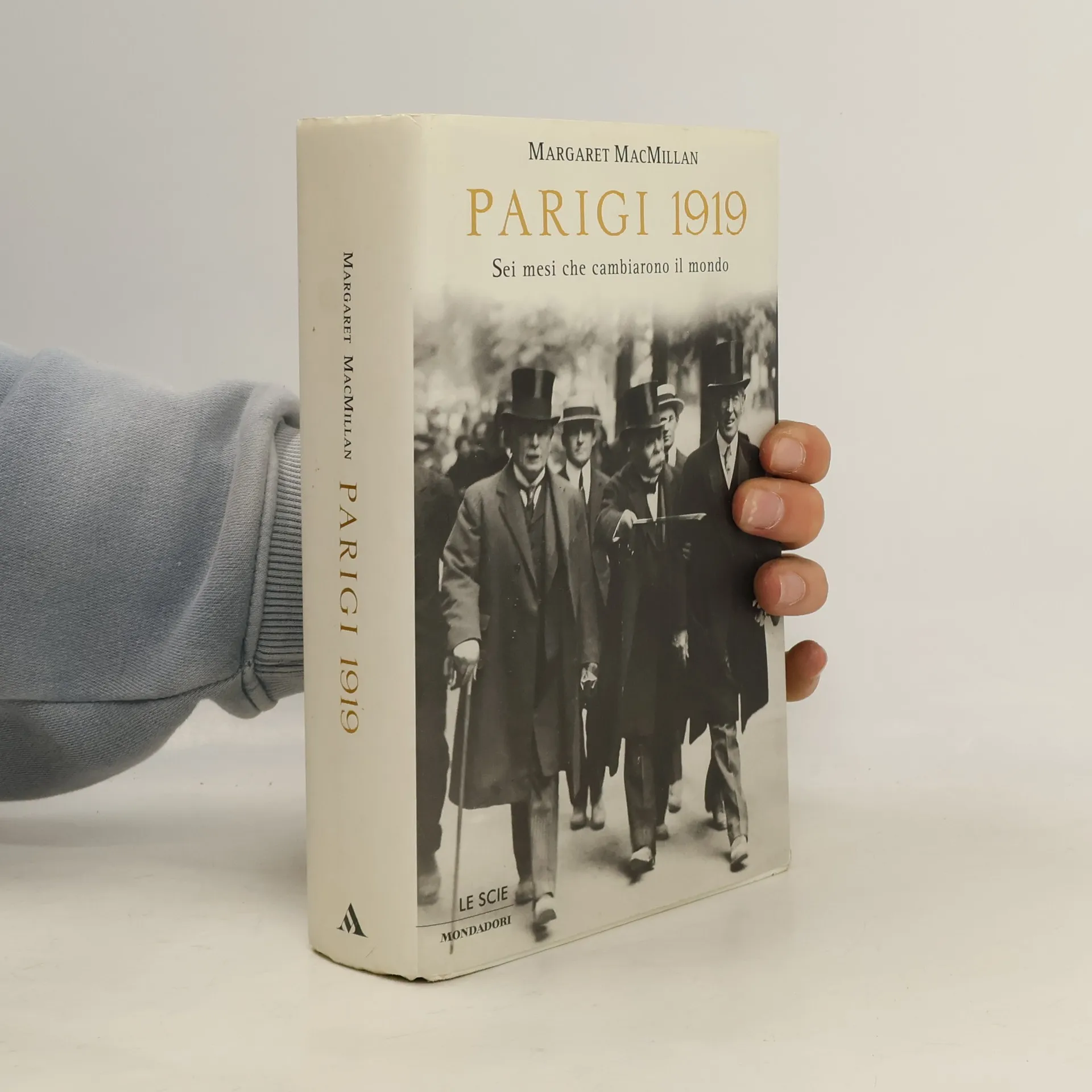
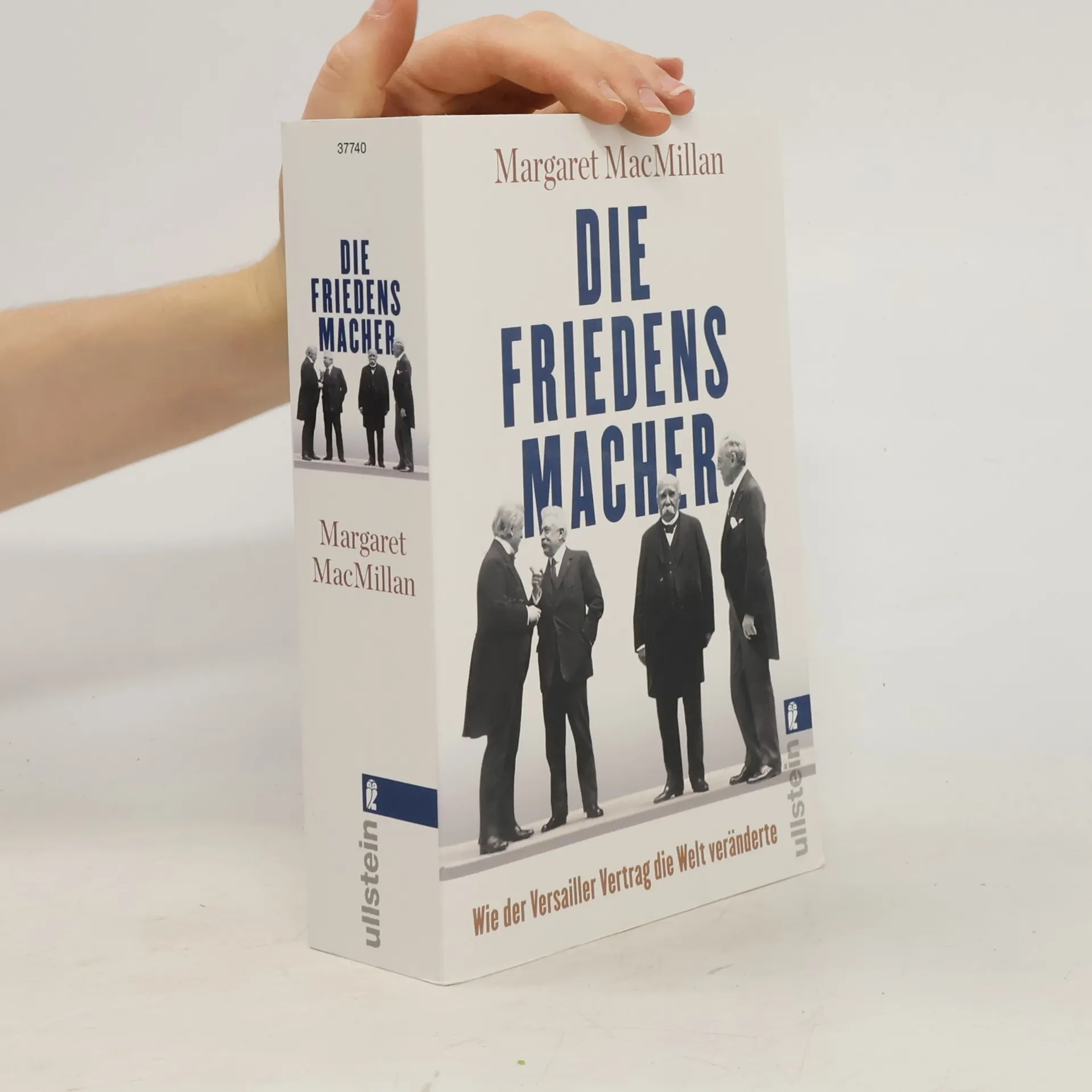
Das Ende des Ersten Weltkriegs 1918 war ein Schlüsselereignis des 20. Jahrhunderts. Der Zusammenbruch der vier großen Reiche Europas führte zur folgenreichen Neuordnung des Kontinents in der Versailler Friedenskonferenz von 1919. In ihrem preisgekrönten Buch schildert die Historikerin Margaret MacMillan anschaulich das Geschehen rund um die Vertragsverhandlungen: die Differenzen der Siegermächte, das Feilschen um den Nachlass der Verlierer, den »Diktatfrieden«, der Deutschland die Alleinschuld am Kriegsausbruch aufbürdete. MacMillan würdigt das Bemühen der Sieger um eine dauerhafte Friedensordnung, zeigt aber auch, wie sehr die folgenden Konflikte in Europa wie im Nahen und Fernen Osten bereits im Versailler Vertrag angelegt waren. Diese erste große Gesamtdarstellung des Versailler Friedensvertrags ist ein Meisterwerk der Geschichtsschreibung.
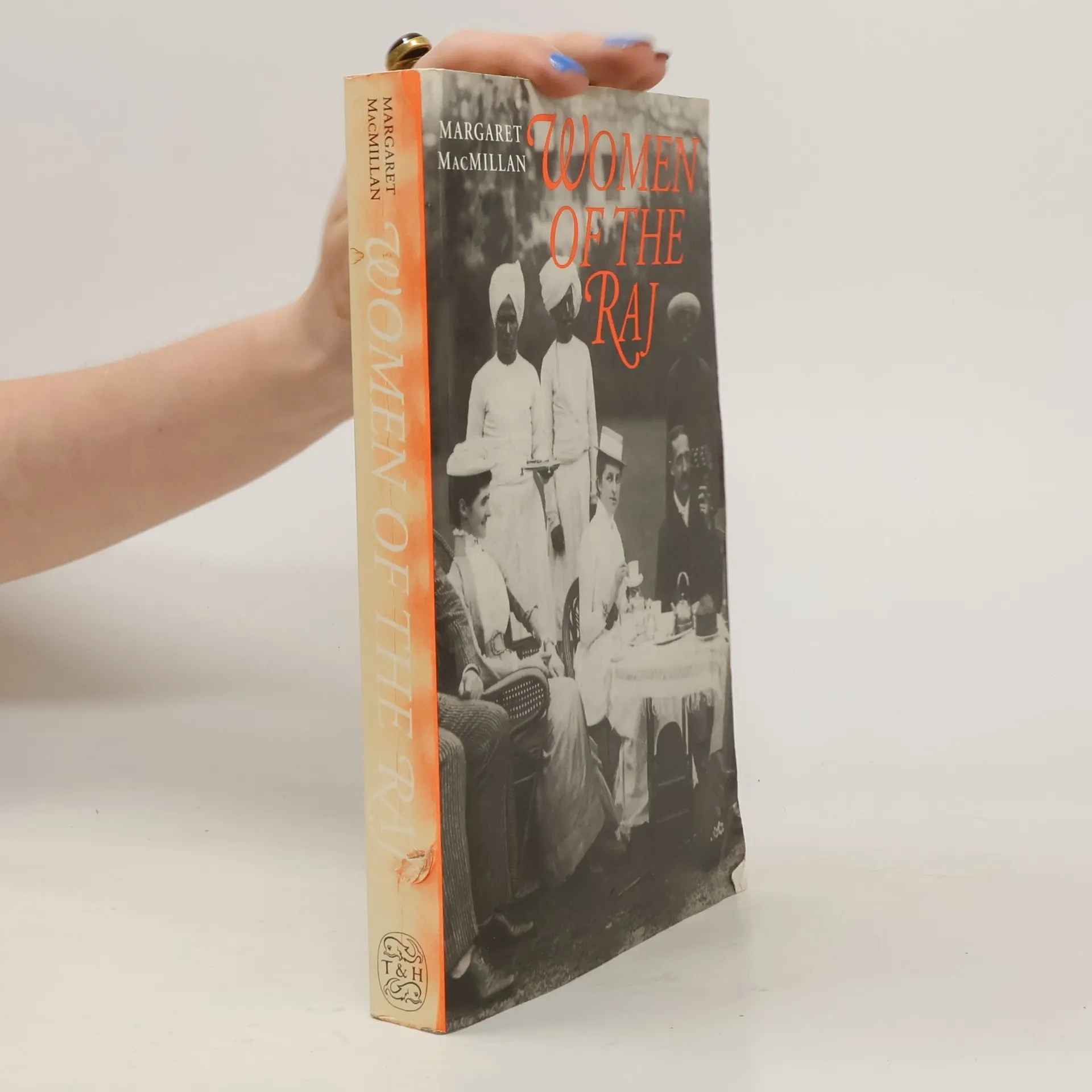
Women of the Raj
- 256 Seiten
- 9 Lesestunden
Looking at Britain's involvement in India over three and a half centuries, but particularly the period of empire from the 1850s to 1947, the author recreates the role of the women of the Raj from their own letters and memoirs, from novels, and from interviews with survivors. The text is complemented by a wide-ranging selection of contemporary illustrations.