Aviva ChomskyReihenfolge der Bücher (Chronologisch)
20. April 1957
Aviva Chomsky befasst sich in ihrer Arbeit mit Geschichte und Lateinamerikastudien, beeinflusst durch über fünfundzwanzig Jahre Aktivismus für Solidarität mit Lateinamerika und die Rechte von Einwanderern. Ihr Schreiben ist geprägt von einem tiefen Verständnis für die sozialen und politischen Dynamiken der Region. Leser schätzen ihren analytischen Ansatz zu aktuellen Themen, der auf historischem Kontext beruht. Ihre Beiträge regen zum Nachdenken über die komplexen Beziehungen zwischen Kulturen und Machtstrukturen an.
"This book shows that science is not enough to reverse climate catastrophe: we need to put social, racial, and economic justice front and center, radically redistribute, and abandon the global growth economy"-- Provided by publisher
The book restores the fraught history of repression and resistance in Central America, connecting U.S. interventions to the current influx of refugees seeking asylum. While Central American migration is often discussed, the historical contexts that shape the region today are largely forgotten. Central American migrants fleeing corruption and violence are at the heart of the American immigration debate, yet the underlying political strife is frequently overlooked. The author expertly links this erasure of history to the present migration crisis, illustrating how the past influences contemporary factors that drive people to seek refuge and face exploitation. Tracing displacement back to the Spanish conquest, the narrative addresses the urgent question of how we arrived at this point. The roots of migration from El Salvador, Guatemala, and Honduras are found in the wars and U.S. interventions of the 1980s, which generated refugee flows and increased U.S. involvement. The peace accords of the 1990s further paved the way for neoliberalism in the region. By recounting the era of revolution and war, the author aims to restore these gripping events to public consciousness. Additionally, the exploration of memory reveals the reasons behind the suppression of historical narratives and the consequences of losing such memories.
A fully-revised and updated new edition of a concise and insightful socio-
historical analysis of the Cuban revolution, and the course it took over five
and a half decades.
A longtime immigration activist explores what it means to be an undocumented American in this “impassioned and well-reported case for change” (New York Times). In this illuminating work, immigrant rights activist Aviva Chomsky shows how “illegality” and “undocumentedness” are concepts that were created to exclude and exploit. With a focus on US policy, she probes how people, especially Mexican and Central Americans, have been assigned this status—and to what ends. Blending history with human drama, Chomsky explores what it means to be undocumented in a legal, social, economic, and historical context. The result is a powerful testament of the complex, contradictory, and ever-shifting nature of status in America.
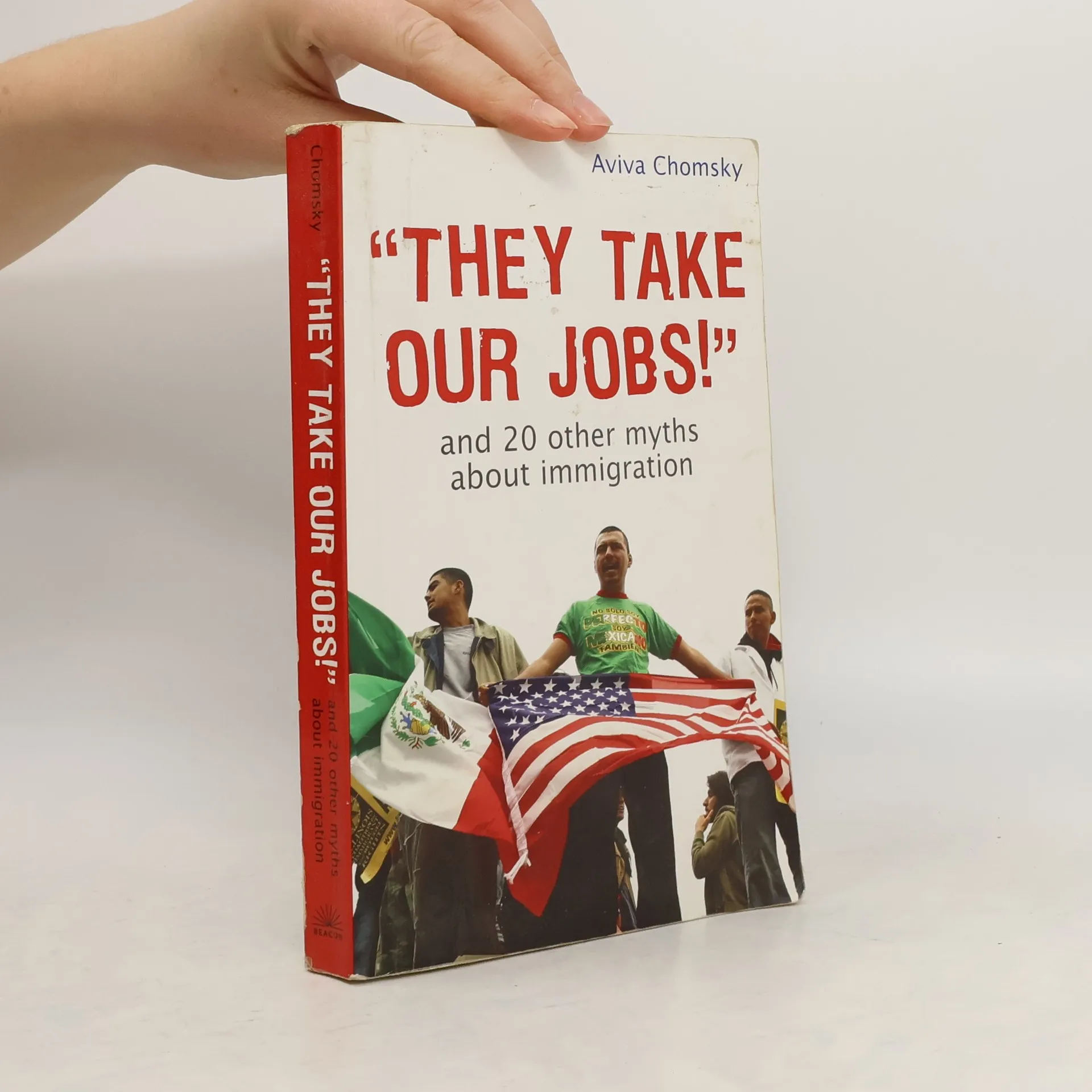
Claims that immigrants take Americans' jobs, are a drain on the American economy, contribute to poverty and inequality, destroy the social fabric, challenge American identity, and contribute to a host of social ills by their very existence are openly discussed and debated at all levels of society. Chomsky dismantles twenty of the most common assumptions and beliefs underlying statements like "I'm not against immigration, only illegal immigration" and challenges the misinformation in clear, straightforward prose.In exposing the myths that underlie today's debate, Chomsky illustrates how the parameters and presumptions of the debate distort how we think—and have been thinking—about immigration. She observes that race, ethnicity, and gender were historically used as reasons to exclude portions of the population from access to rights. Today, Chomsky argues, the dividing line is citizenship. Although resentment against immigrants and attempts to further marginalize them are still apparent today, the notion that non-citizens, too, are created equal is virtually absent from the public sphere. Engaging and fresh, this book will challenge common assumptions about immigrants, immigration, and U.S. history.