Ben EhrenreichReihenfolge der Bücher (Chronologisch)
Ben Ehrenreich ist ein gefeierter Journalist und Belletristikautor. Seine Fiktion zeichnet sich durch eine tiefgründige Erforschung der menschlichen Natur und der Komplexität des modernen Lebens aus. Ehrenreichs Stil ist prägnant und zugleich evokativ, oft taucht er in die Tiefen der Charakterpsychologie und des Gesellschaftskommentars ein. Seine Werke stellen konventionelle Erzählungen in Frage und bieten eine einzigartige Perspektive auf die Welt.
Blending climate science with mythologies and nature writing, this New York Times Notable Book offers a profound exploration of our present reality and the concept of time's end. Through personal experiences, it invites readers to reflect on the urgent environmental issues we face, creating a compelling narrative that intertwines the personal with the universal.
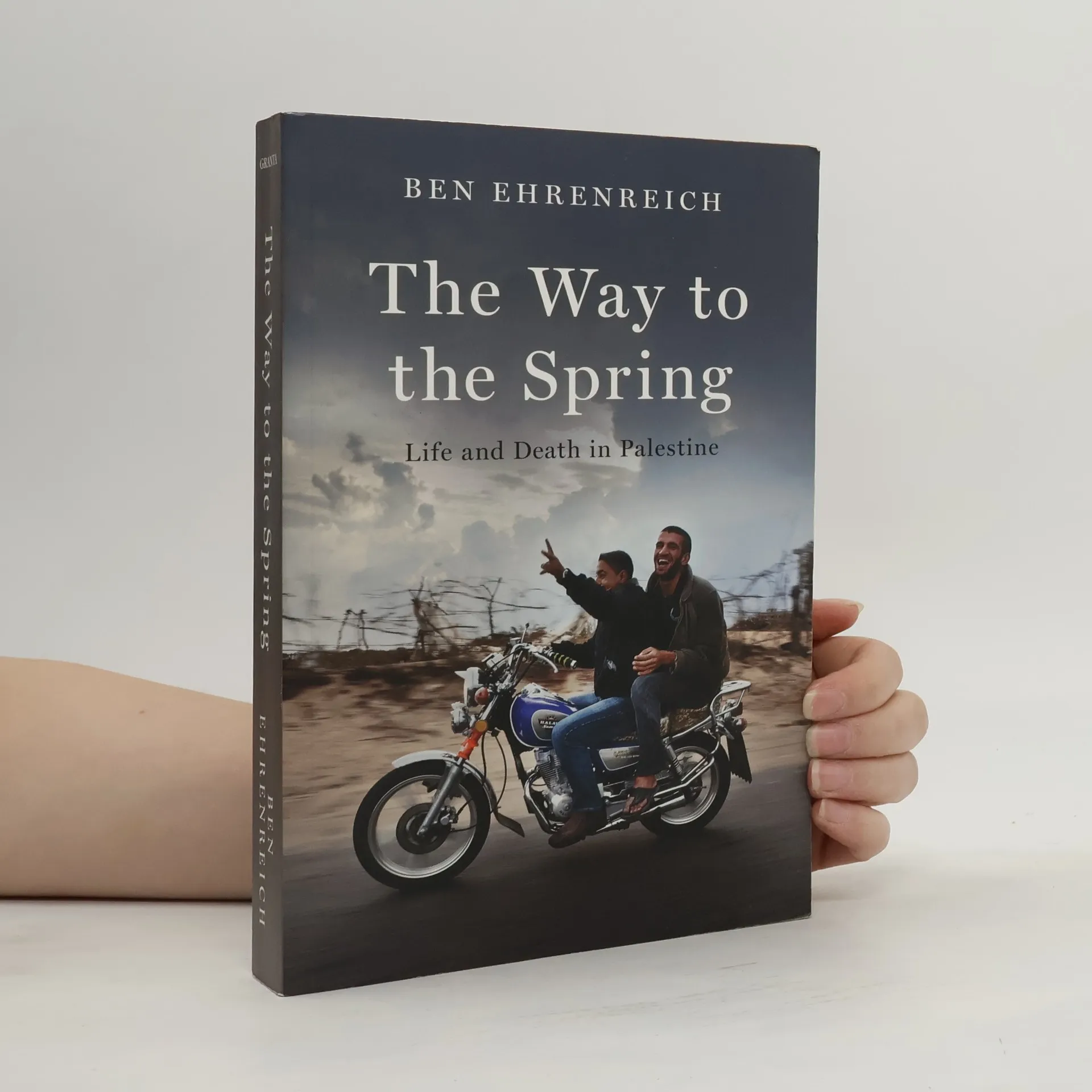
For three years, American writer Ben Ehrenreich has lived with Palestinian families in the West Bank, producing significant stories for American media, including a notable cover piece for the New York Times Magazine. His latest work, a culmination of his experiences, presents a powerful narrative that captures the lives of individuals under occupation. Ehrenreich joins the ranks of courageous journalists who connect with people enduring severe oppression, showcasing their resilience and resistance. In both cities and villages, he encounters unforgettable characters who share their struggles against the Israeli military's rule and the harassment from settlers intent on displacing them. These Palestinians navigate a complex landscape of fences, checkpoints, and barriers that disrupt their lives, revealing a reality that is difficult to comprehend. By intertwining political and historical context with deeply personal stories, Ehrenreich highlights the deteriorating conditions faced by this population, urging readers to confront these urgent issues. Through his empathetic storytelling, he invites us to walk alongside ordinary Palestinians, compelling us to engage with their experiences and the broader implications of their plight.