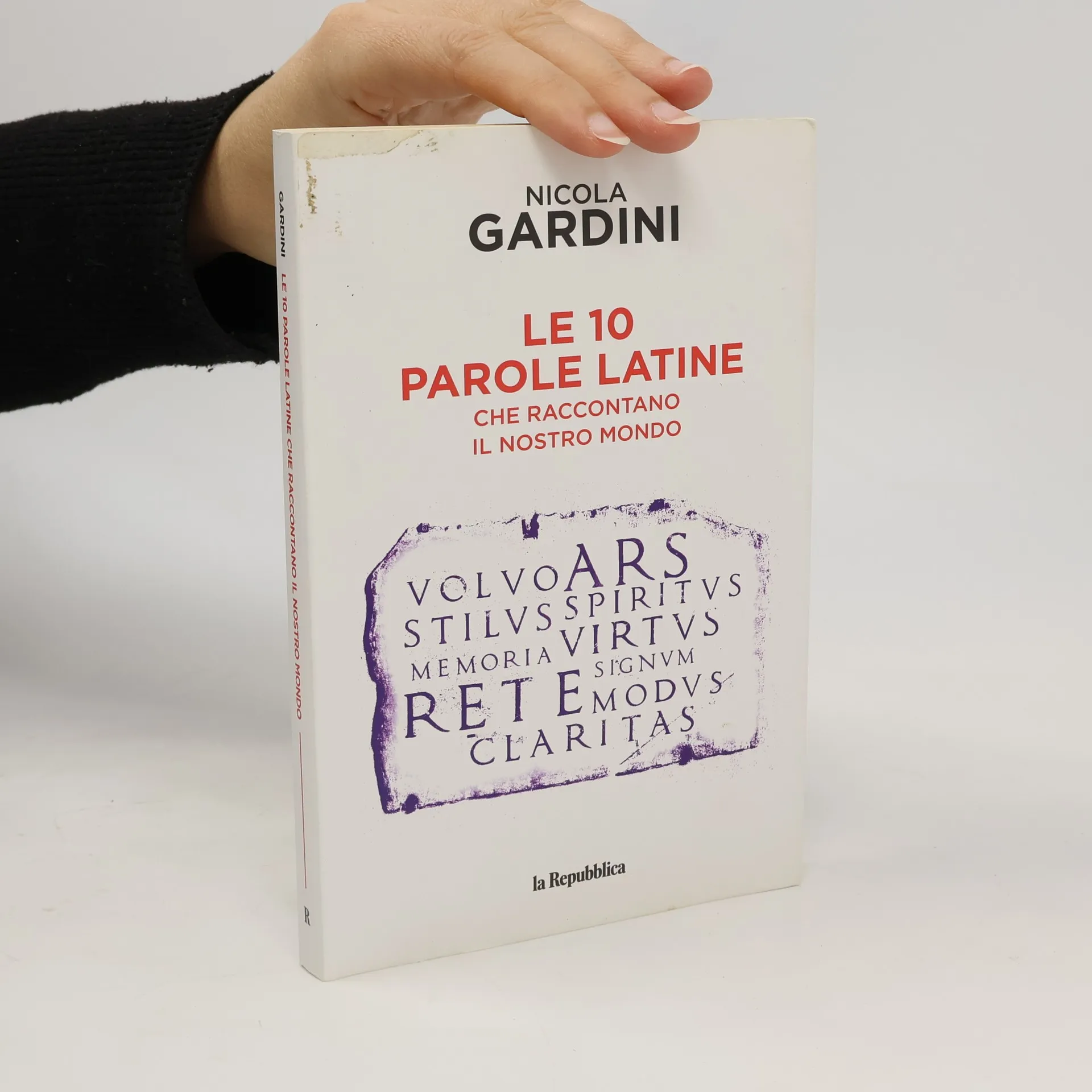
I Grandi Libri: La camera da letto
- 272 Seiten
- 10 Lesestunden


Nicola Gardini ist ein Schriftsteller und Maler, dessen Werk sich über Poesie, Essays, Romane und Memoiren erstreckt. Seine kreative Arbeit umfasst auch journalistische Artikel und Übersetzungen lateinischer und moderner Poesie. Seine Malerei, hauptsächlich in Öl auf Leinwand und Karton, ergänzt seine literarischen Bemühungen. Gardini pendelt zwischen Oxford und Mailand.
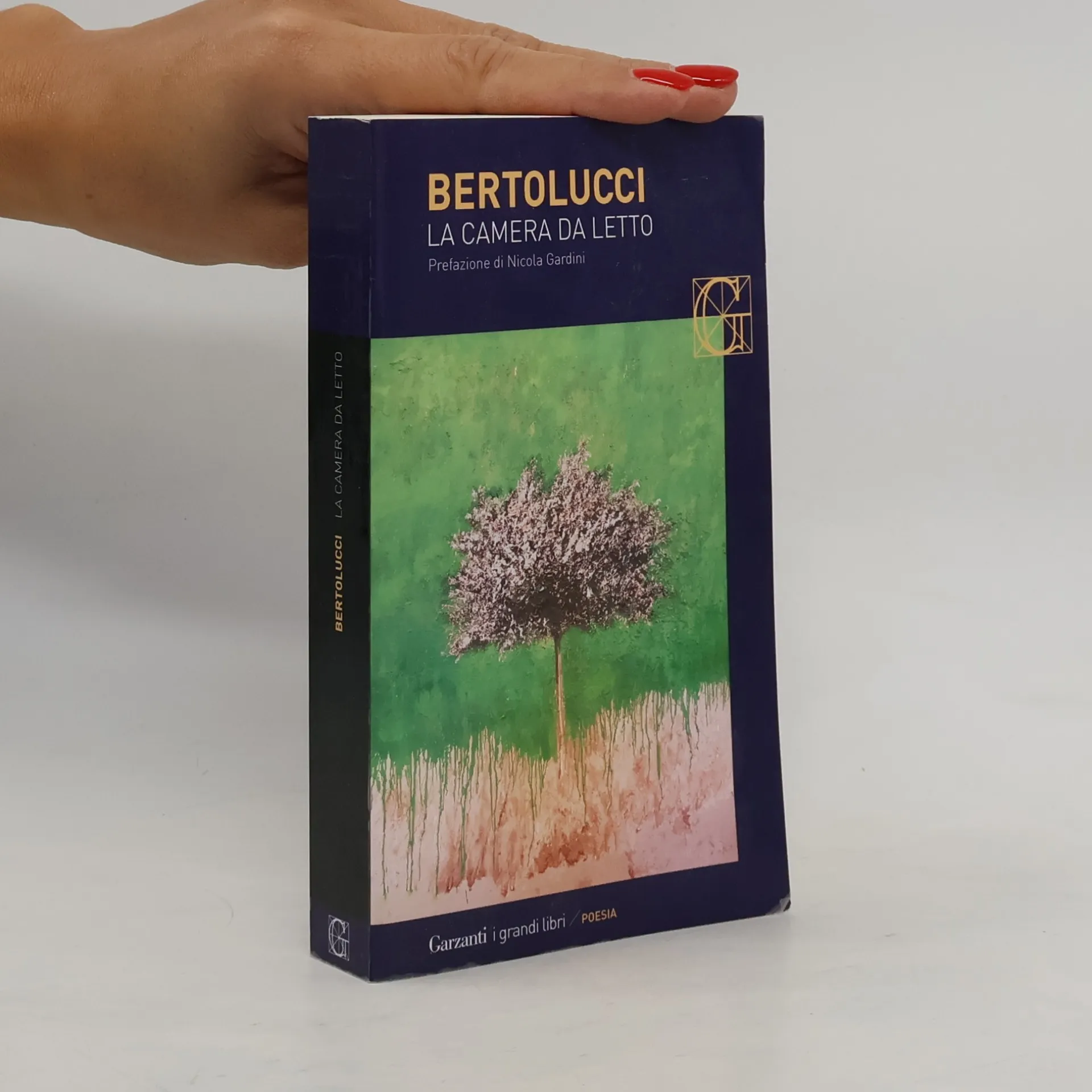
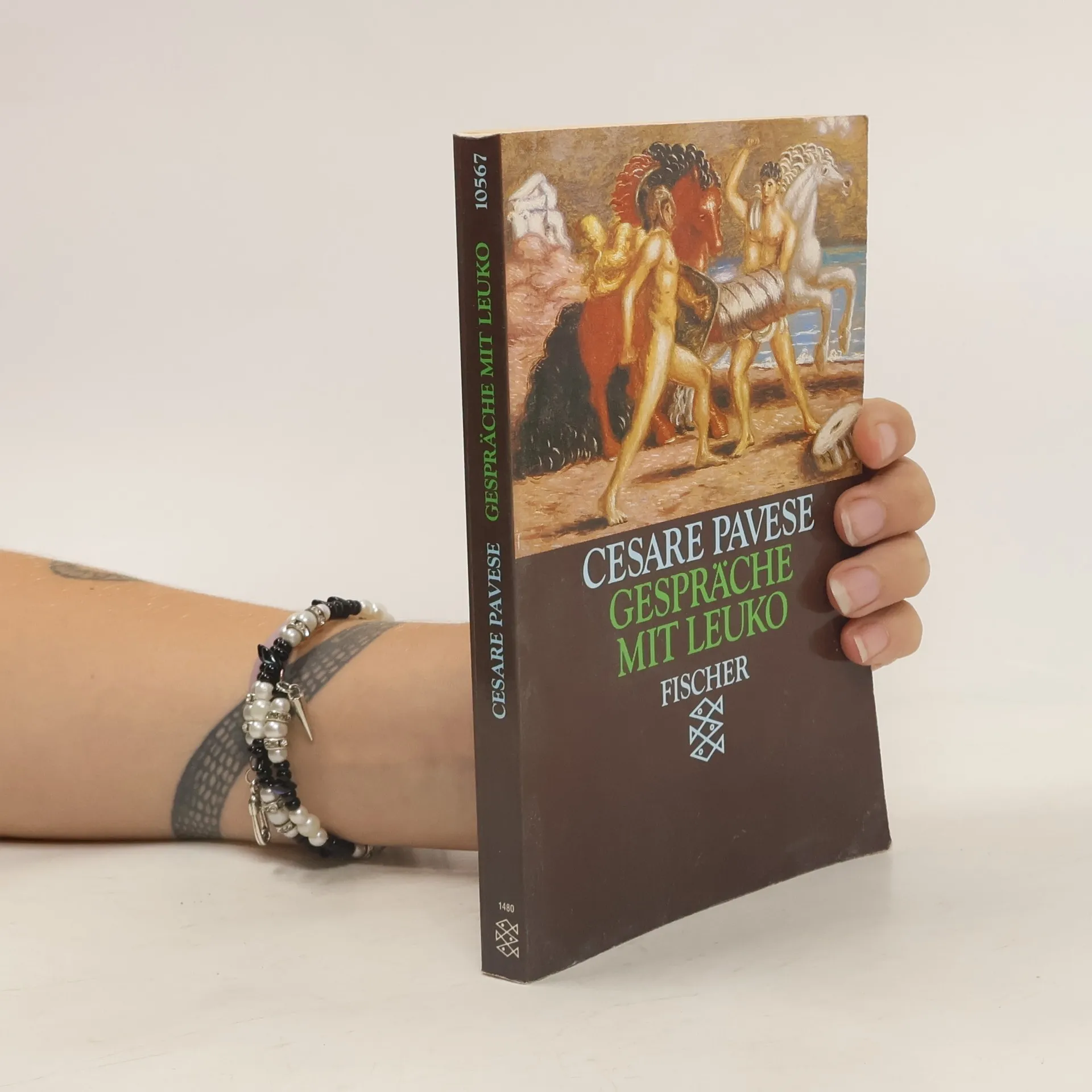

Ventisei Dialoge, kurz aber voller Spannung, verführerisch und doch tragisch, in denen die Götter und Helden der klassischen griechischen Mythologie (von Ödipus und Tiresias bis Kalypso und Odysseus, von Eros und Thanatos bis Achilles und Patroklos) eingeladen werden, über das Verhältnis zwischen Mensch und Natur, die Unausweichlichkeit des Schicksals, die Notwendigkeit des Schmerzes und das unwiderrufliche Urteil des Todes zu diskutieren. Ein „ernsthafter Spaß“, einzigartig, in dem - wie Sergio Givone in der Einleitung schreibt - der Mythos als „etwas Notwendiges“ neu interpretiert wird, dessen Poesie „die geheimnisvolle und grausame Zahl offenbart“. Ergänzt wird der Band durch Notizen aus Pavese's Manuskripten und die von ihm verfasste Einführung zur ersten Ausgabe, eine Chronologie seines Lebens und seiner Werke, eine ausgewählte Bibliografie sowie eine Anthologie der Kritik.
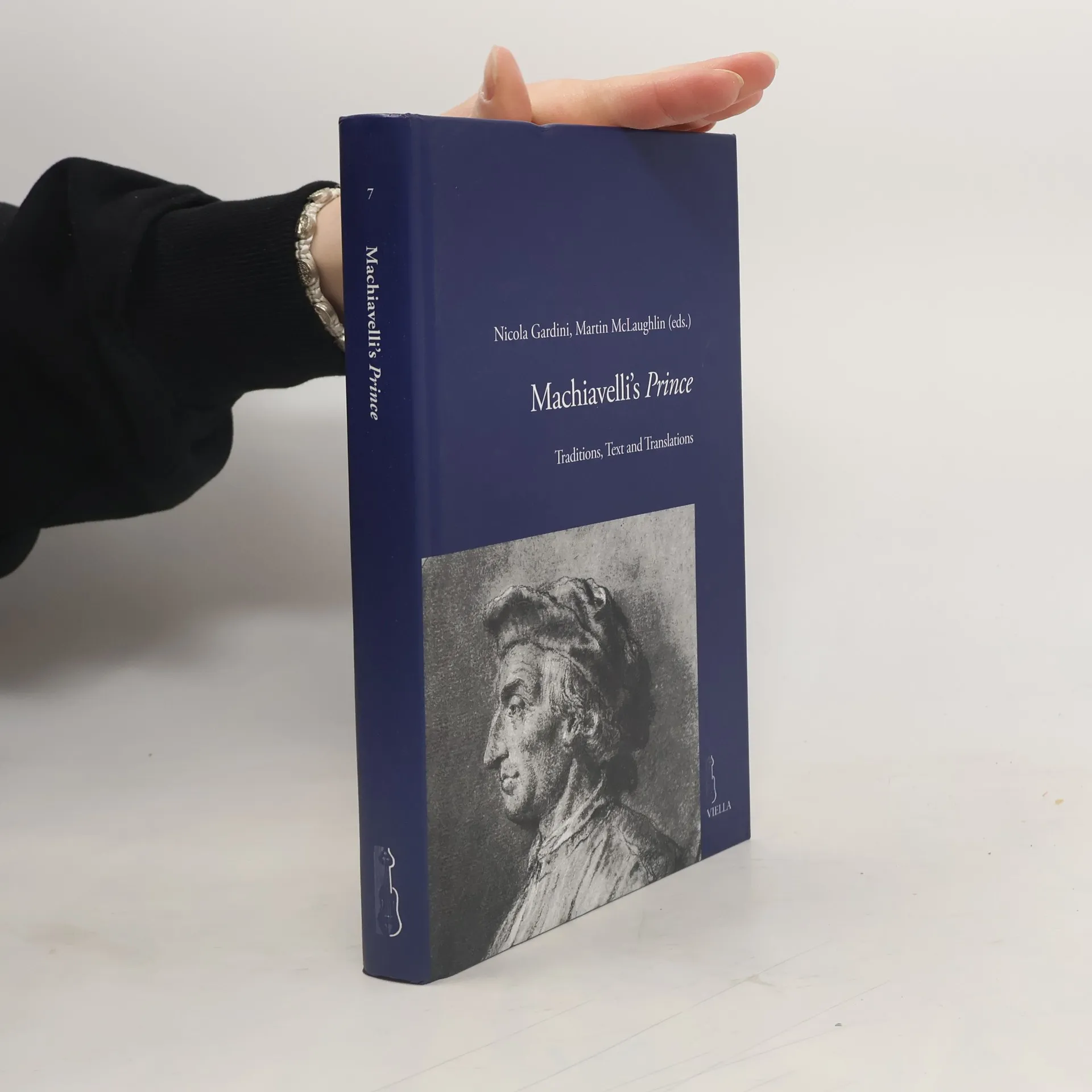
Traditions, Text and Translations
One of the high-points of Italian Renaissance humanism, Machiavelli's The Prince immediately transcended the time and culture from which it had sprung, circulating throughout Europe and paving the road to an astonishing variety of discussions on power and liberty for centuries to come. Indeed, one could hardly think of a literary work whose reception has been more controversial and arguably more crucial to the fashioning of modernity. This volume gathers together the proceedings of a conference held in Oxford, in November 2013, to mark the 500th anniversary of the composition of The Prince. It explores pivotal aspects of the text's complex identity, focusing on three interrelated areas: 1. The Prince's own ways of appropriating ancient and modern traditions of political thought and ethics; 2. the textual history and interpretive details of the work; 3. translations of the treatise into foreign languages (including English and other translations), with their cultural adaptations and reconceptualizations of the original. All chapters offer highly original insights by leading experts on The Prince, shedding light on hitherto neglected topics and locating Machiavelli's masterpiece in an intriguing network of intersecting perspectives.
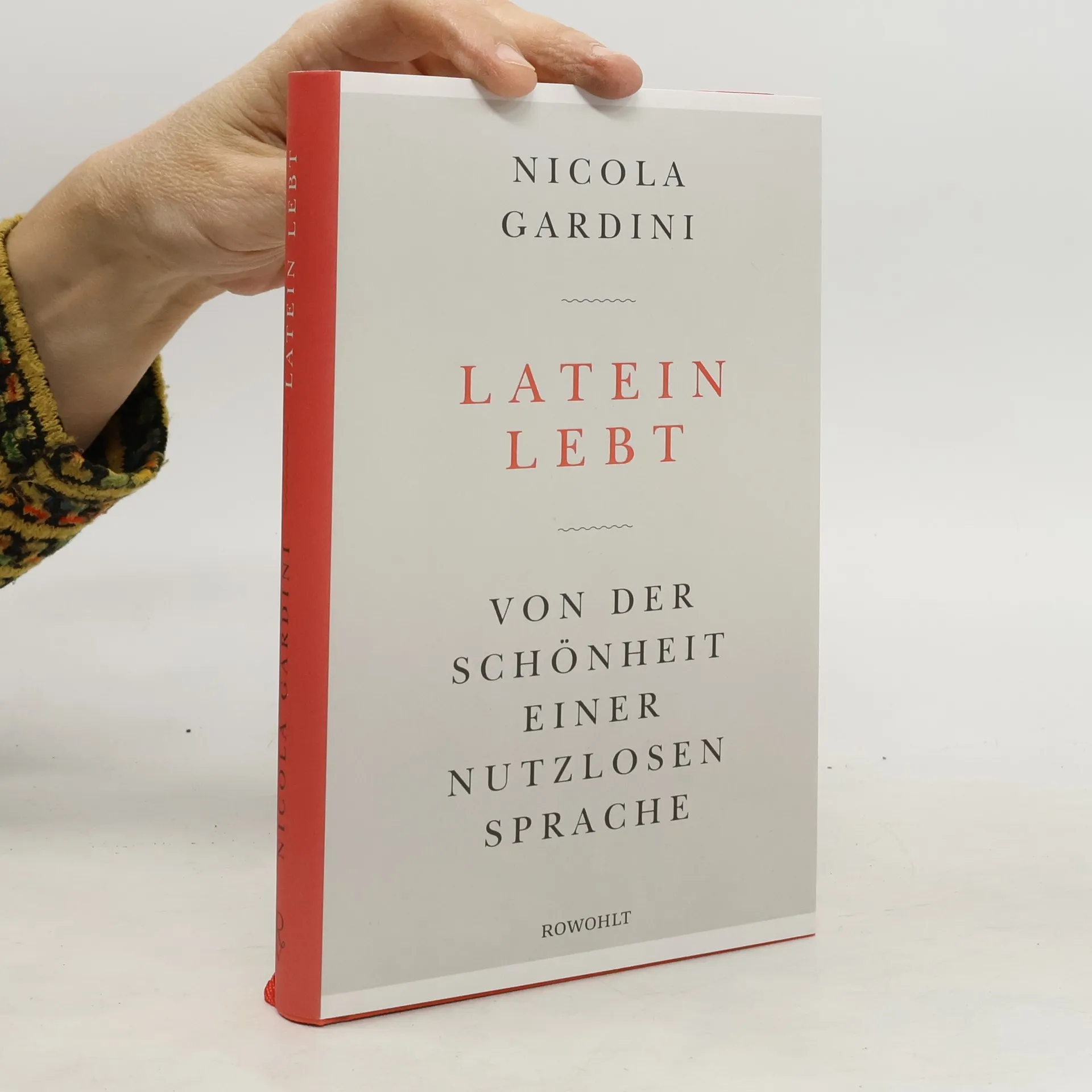
Von der Schönheit einer nutzlosen Sprache
Als Kind dachte Nicola Gardini, seine Mutter spräche perfekt Latein, weil er sie Ave Maria und Pater Noster beten hörte. Erst viel später hat sie ihm gebeichtet, dass sie sonst kein Wort Latein kann. Gardini beschreibt seinen Zugang zur lateinischen Literatur als persönliches Erweckungserlebnis, das ihm schon früh eine neue Welt erschlossen hat. Sein unterhaltsames Buch liefert kein verzweifeltes Plädoyer für das Schulfach Latein und die Bedeutung seiner Grammatik. Nicola Gardini zeigt vielmehr, dass wir nie aufgehört haben, Latein zu sprechen. dass wir unsere Gegenwart kulturell und literarisch nur verstehen können, wenn wir wissen, wo wir herkommen: Er geht Metaphern auf den Grund, er erklärt anhand eines Textes von Cato über das Pökeln das Futur oder analysiert ein Gedicht von Catull über den Tod eines Spatzen. Und so vermittelt er auf literarische Weise seine These: Latein ist nicht nützlich, Latein ist schön.