Diese Autorin erforscht die Schnittstelle von Architektur und Stadt, oft mit Fokus auf Istanbul. Ihre Arbeit befasst sich damit, wie globale urbane Prozesse und lokale Kontexte wahrgenommen und erlebt werden. Durch ihre Schriften bietet sie einzigartige Perspektiven auf städtische Szenarien und architektonische Praktiken. Ihr literarischer Beitrag liegt in einer tiefgründigen Analyse der städtischen Umwelt und ihrer kulturellen Implikationen.
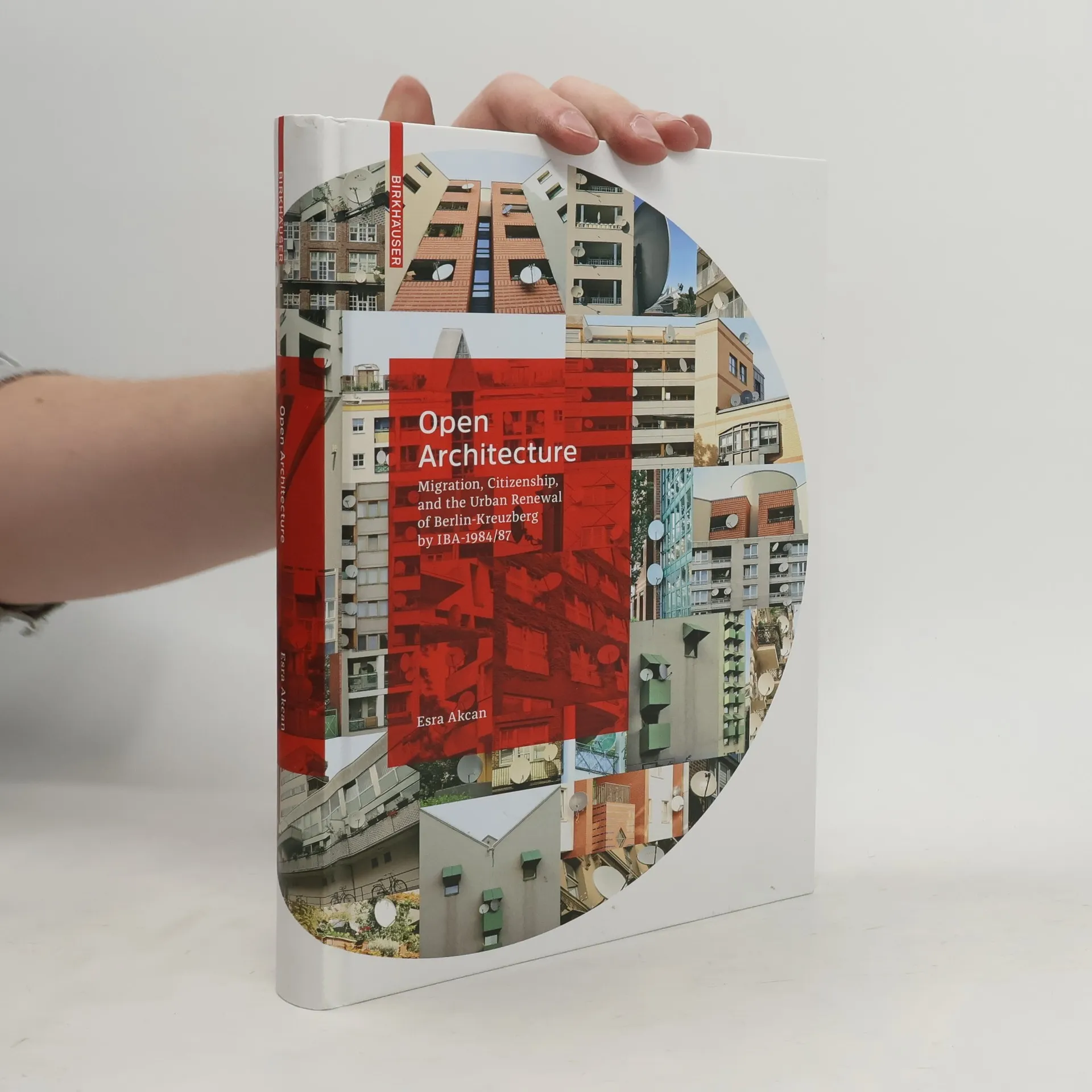
The International Building Exhibition 1984/87 in Berlin constitutes one of the most remarkable examples to discuss „open architecture“. Almost 10,000 dwellings were constructed or restored in the Kreuzberg districts adjacent to the Berlin Wall, inhabited about halfway by immigrants. The renowned author Esra Akcan, related in many ways to Turkey, Berlin and the USA, narrates the history and reverberations of this architectural-political event.
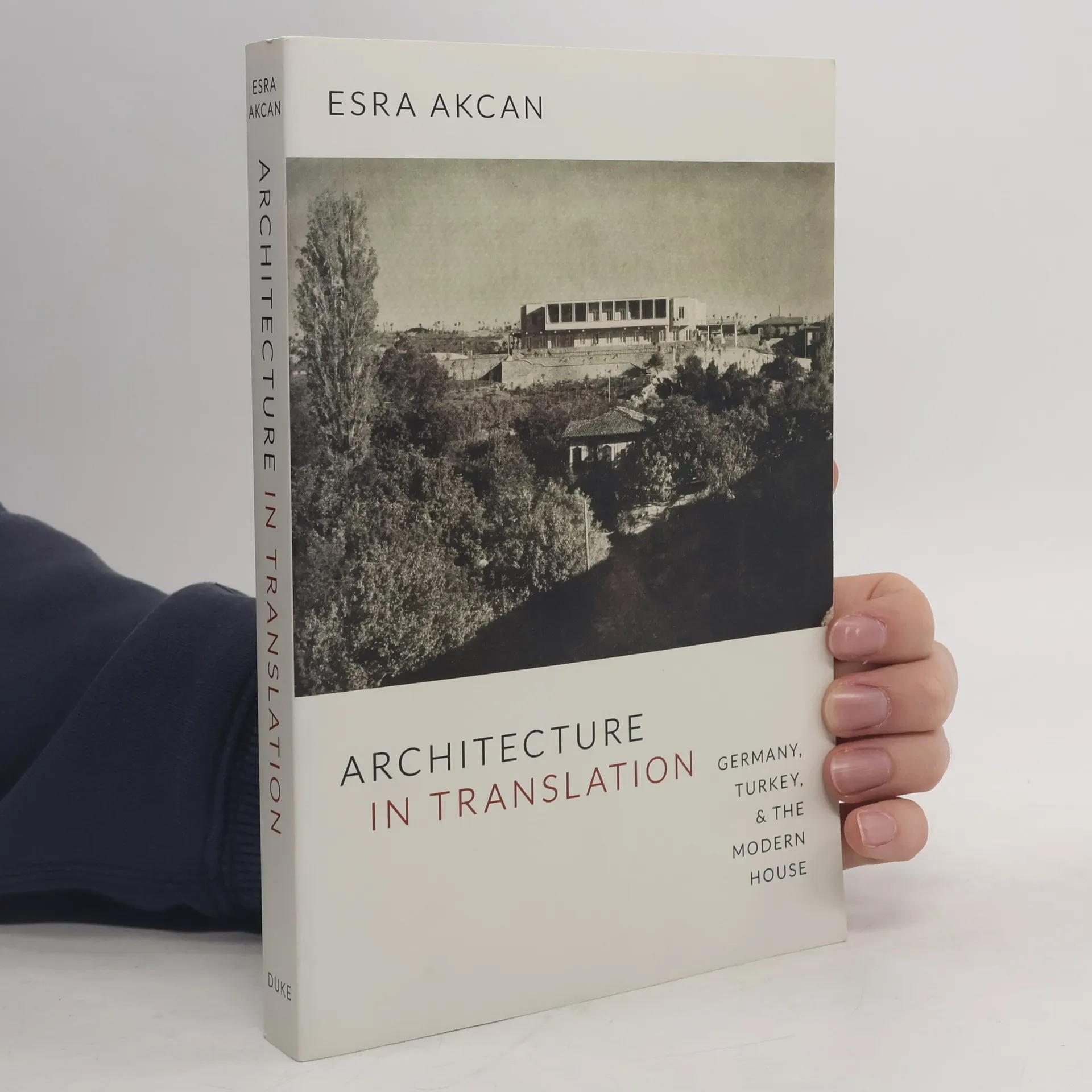
In Architecture in Translation, Esra Akcan explores the global circulation of culture, extending the concept of translation beyond language to visual fields. She examines how the Kemalist elite in Turkey aligned with Europe by employing German-speaking architects for modern city designs during the 1920s to 1950s. Akcan traces the movement of modern residential models, such as the garden city, which prioritized green spaces and low-density neighborhoods, and mass housing for industrial working-class residents, later expanding to mixed-income communities. Her analysis of translation encompasses the sociopolitical contexts and agency involved in cultural exchanges, moving beyond vague notions of hybridization and transculturation. By advocating for a new culture of translatability, she calls for a cosmopolitan ethics in a globalizing world. Akcan, an Assistant Professor of Art History at the University of Illinois, Chicago, presents a seminal study that not only addresses the concept of cultural translation but also offers a fascinating account of Kemalist cultural policies. Her work connects the intertwined histories of German and Turkish urban planning, using translation theory to analyze asymmetrical exchanges in architecture, ultimately promoting a goal of cosmopolitan ethics in global architecture.