Desmond MorrisReihenfolge der Bücher (Chronologisch)
24. Jänner 1928
Desmond Morris wendet seinen Hintergrund als Zoologe und Ethologe an, um die menschliche Soziobiologie zu erforschen und eine einzigartige Perspektive auf unsere Spezies zu bieten. Er versteht es meisterhaft, komplexe wissenschaftliche Ideen durch fesselnde Prosa einem breiten Publikum zugänglich zu machen. Morris zieht oft Parallelen zwischen menschlichem Verhalten und dem anderer Tiere, um unsere eigenen Instinkte und Motivationen zu beleuchten. Seine Arbeit bietet eine unverwechselbare Sicht auf den menschlichen Zustand, die auf wissenschaftlicher Beobachtung beruht und mit fesselnder Klarheit präsentiert wird.
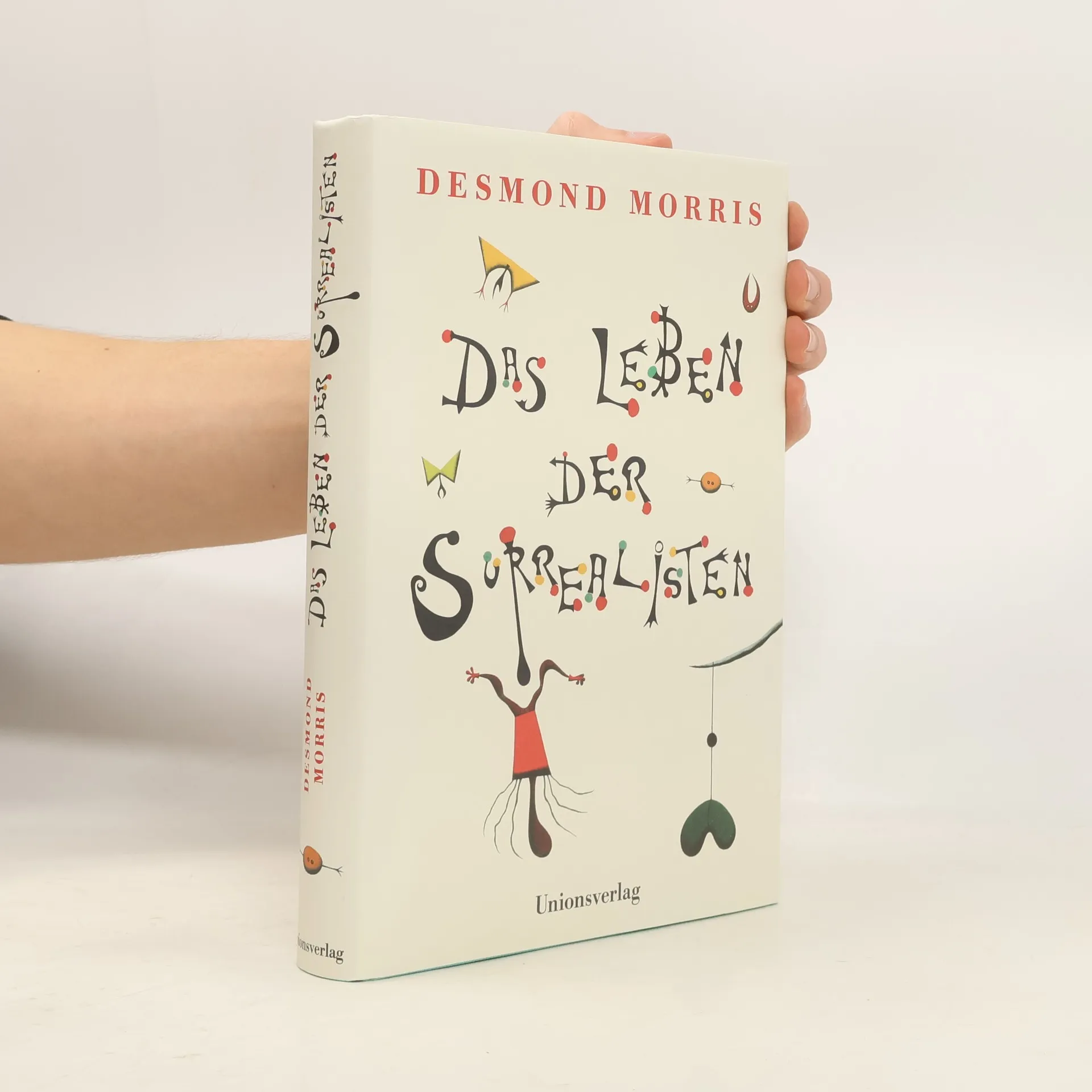
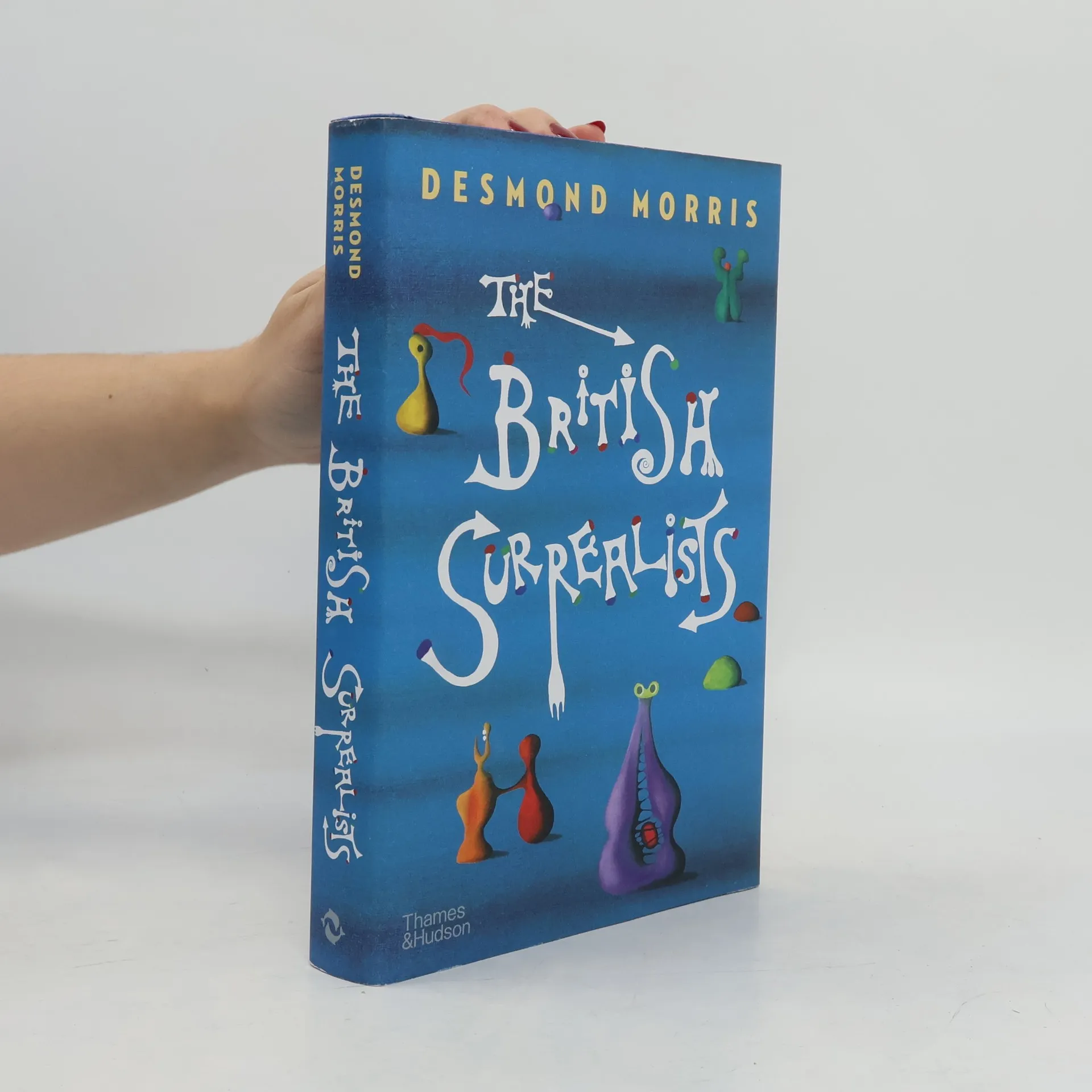
Focusing on the lives and contributions of 101 pivotal Surrealists, this work by Desmond Morris offers a unique perspective from one of the last surviving members of the movement. With personal insights and anecdotes about several key figures, the book serves as both a historical account and a celebration of the Surrealist movement, highlighting its impact on art and culture. Morris's firsthand knowledge enriches the narrative, making it a valuable resource for anyone interested in the intricacies of Surrealism.
The lives, loves, and works of key British Surrealists revealed by one of the last surviving members of this movement, best-selling author and artist Desmond Morris. Honored for their idiosyncratic and imaginative works, the surrealists marked a pivotal moment in the history of modern art in Britain— pioneering the Surrealist movement between World War I and II. Many artists banded together to form the British Surrealist Group, while others carved their own, independent paths. Here, best-selling author and surrealist artist Desmond Morris—one of the last surviving members of this important art movement—draws on his personal memories and experiences to present the intriguing life stories, complex love lives, and groundbreaking works of this wild and curious set of artists. From the rebelliousness of Leonora Carrington to the beguiling Eileen Agar and the “brilliant” Ceri Richards, Morris brings his subjects’ triumphs as well as their shortcomings to the fore. Laced with his inimitable wit, and profusely illustrated by images of the artists and their artworks, Morris’s vivid account reflects the movement’s strange, rebellious, and imaginative nature. Featuring thirty- four surrealists—some famous, some now largely forgotten—Morris’s intimate book takes us back in time to a generation that allowed its creative unconscious to drive their passions in both art and life.
This copiously illustrated book, by the ever-provocative Desmond Morris, is a
pioneering and lively exploration of the importance of body language in how we
understand art.
Der Surrealismus begann als gemeinsame Rebellion gegen all jene Mächte, die die Welt in den Krieg geführt hatten. Ein Aufstand auch gegen verlogene Religion, Demagogie, Prüderie und usurpierte Autoritäten. Wie lebten sie wirklich, diese inzwischen so berühmten Künstlerinnen und Künstler? Desmond Morris, selbst surrealistischer Künstler, kann davon berichten wie kein Zweiter. Er gehörte zu ihrem Kreis und kannte sie alle. Ihre Vorlieben und Macken. Ihre Arbeitsweisen und ihre Geheimnisse. Ihre Freundschaften, Feindschaften, Liebschaften, Frivolitäten und dramatischen Zerwürfnisse. Er porträtiert einsame Wölfe, rebellische Vorkämpferinnen, brillante Exzentriker. Geistreich und unterhaltsam erzählt Desmond Morris von den wirklichen Menschen, die Kunstgeschichte schrieben. Seine zweiunddreißig Lebensbilder der Surrealisten sind selbst Geschichte.
Zur Beruhigung ihrer Kunden, die durch zunehmende Überfälle verunsichert werden, will Wells Fargo in einer groß angekündigten Werbeaktion eine Postkutsche "von Denver nach San Francisco mit einer Goldladung von einem Wert in bisher nie gekannter Höhe" schicken. Lucky Luke soll zusammen mit dem Kutscher Hank Bully dafür sorgen, dass die Kutsche heil ihr Ziel erreicht: "Wells Fargo kommt immer durch!" Dieser Titel wird im sog. Fixed-Layout-Format angeboten und ist daher nur auf Geräten und Leseprogrammen nutzbar, die die Darstellung von Fixed-Layout-eBooks im epub- oder mobi/KF8-Format unterstützen. Wir empfehlen in jedem Fall die Darstellung auf Tablets und anderen Geräten mit Farbbildschirm
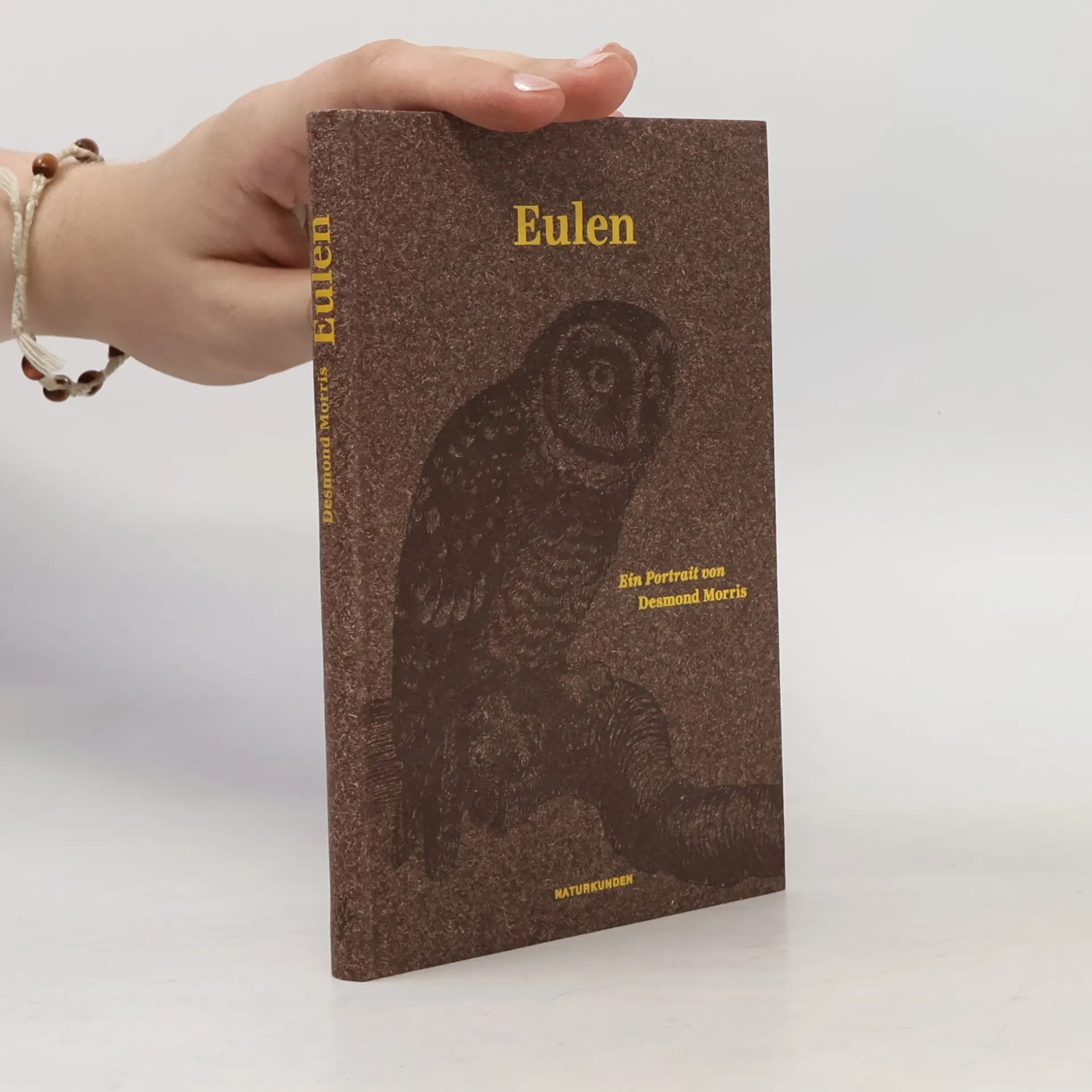
Riesige, starre Augen, eine unheimliche Beweglichkeit des Kopfes, ein gespenstisch lautloser Flug: Eulen gehören mit ihren gut 200 Unterarten zu den faszinierendsten Spezies der gesamten Vogelwelt. Von allen anderen Vögeln als Raubtier gefürchtet, von den Menschen als Symbol der Weisheit verklärt und zugleich als Todesbote verdammt, verdient die ›Königin der Nacht‹ eine genaue, vorurteilsfreie Betrachtung. Desmond Morris entwirrt in diesem reich bebilderten Buch das dichte Gewölle der Eule als Symbol der Weis- oder gar Bosheit, verfolgt ihre Spuren abergläubischer Bedeutung in den verschiedenen Zeiten, Kulturen und Künsten und beleuchtet auch die realen Lebensgewohnheiten dieses Vogels, der immer noch als seltsamer Kauz missverstanden wird. Picassos verdrießliche Hauseule hat dabei ebenso einen Auftritt wie der entspannte Uhu, wegen dem 2007 im Olympiastadion von Helsinki ein Spiel der finnischen Fußballnationalmannschaft unterbrochen werden musste. Damit gelingt Morris das facetten- und anekdotenreiche, immer wieder überraschende Portrait eines Vogels, der uns mit seinem menschenähnlichen Antlitz vertraut und fremd zugleich ist.
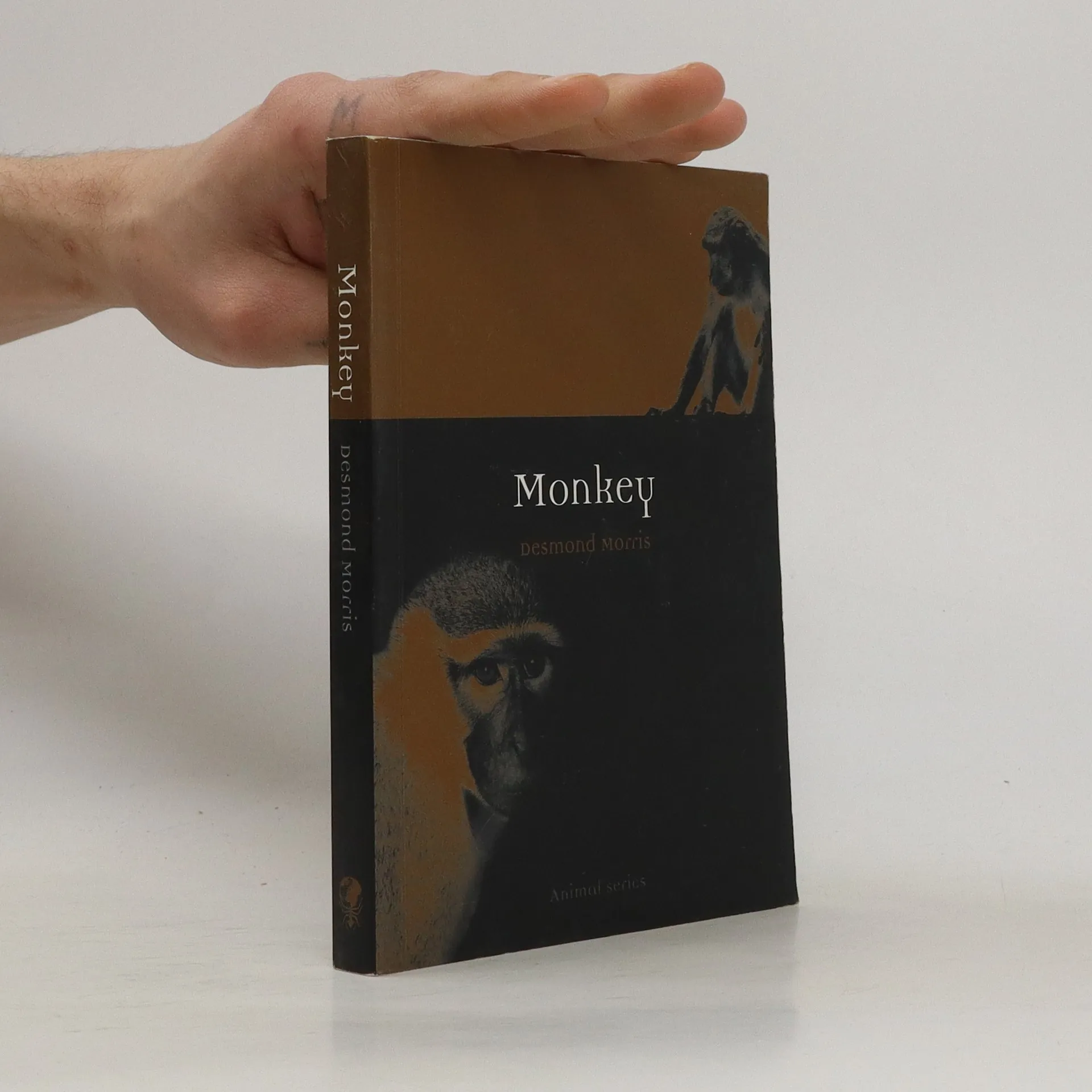
In this book, Desmond Morris explores our modern, more uneasy relationship with the monkey, which has come to represent the 'primitive', destructive aspects of our own nature.
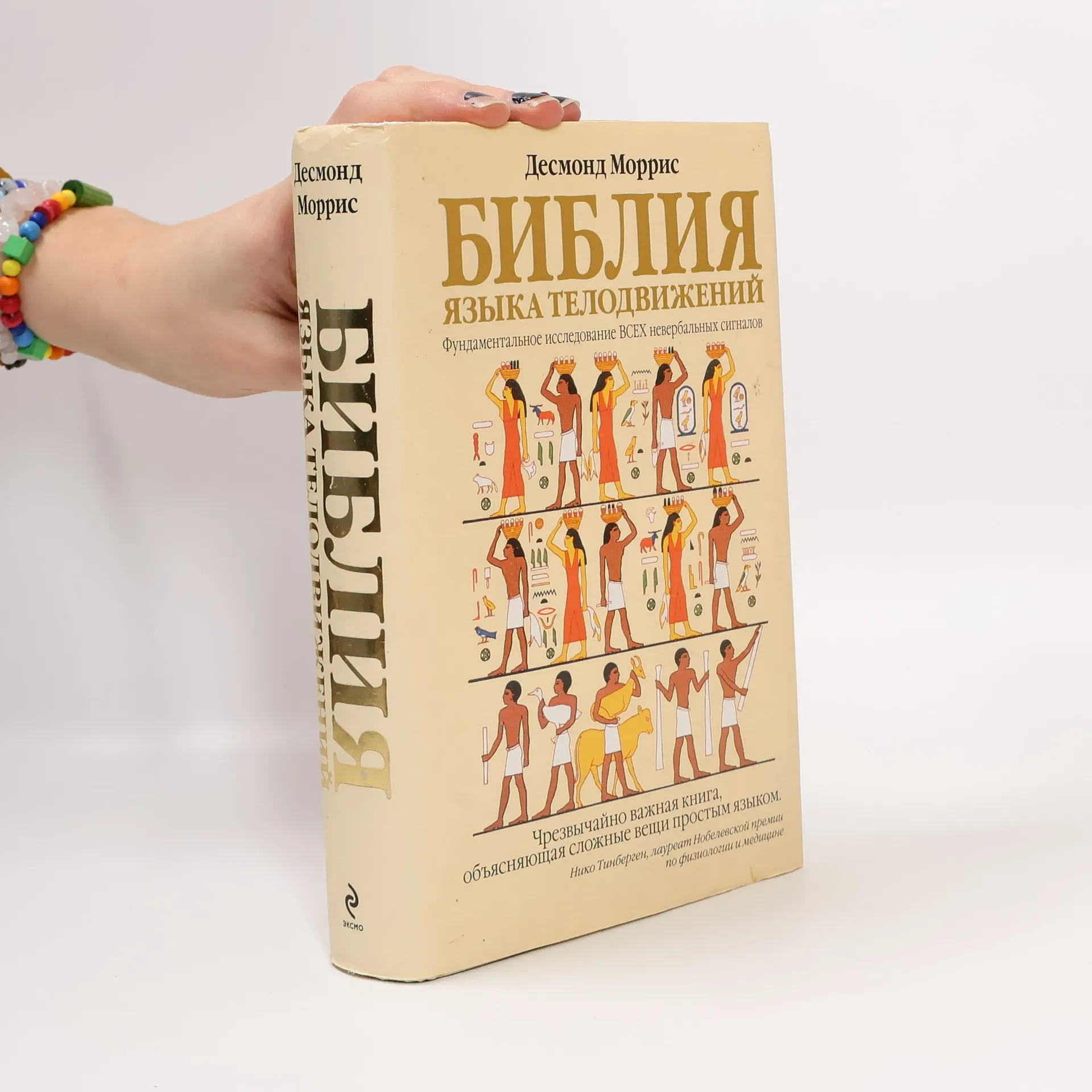
Фундаментальное исследование всех невербальных сигналов
704 Seiten
25 Lesestunden
Общеизвестно, что наши телодвижения сообщают наблюдателю куда больше, чем наши слова. Для того чтобы понимать, о чем говорит тот или иной невербальный сигнал, нам не нужны никакие учебники: мы впитываем это из окружающей среды. Но для осознанного изучения, анализа наших невербальных посланий — труд Десмонда Морриса — неоценимое подспорье. Впервые на русском языке — книга, которую по праву можно считать настоящей библией языка телодвижений. Сочетая научный подход с ясным изложением, Моррис подробнейшим образом останавливается на каждом из многочисленных типов скрытых знаков тела, которые мы ежедневно наблюдаем у других и подаем сами.«Библия языка телодвижений» является кульминацией карьеры Десмонда Морриса, венцом его наблюдений за людьми — за их поведением и привычками, их личностями и причудами. Десмонд Моррис показывает нам, как люди, сознательно и бессознательно, показывают свое отношение, сокровенные чувства и желания при помощи своих тел и действий, часто сильнее, чем при помощи слов.
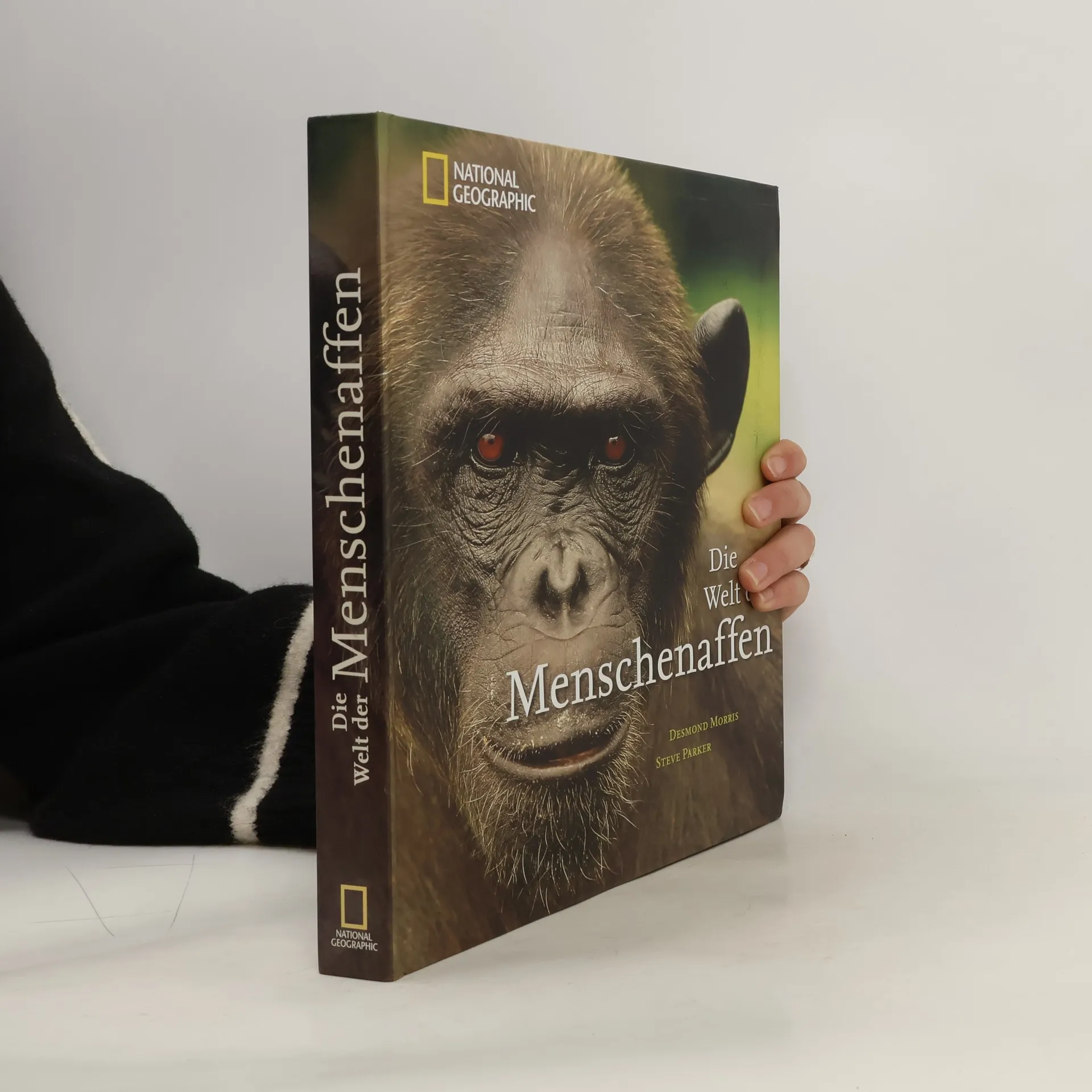
Gorillas, Orang-Utans, Schimpansen und Bonobos sind evolutionär nicht weit von uns Menschen entfernt. Der Zoologe und Verhaltensforscher Desmond Morris beschreibt in seinem umfangreichen Standardwerk ihre Welt. Er schildert die Streifzüge der Gorillas so ausführlich wie das Heranwachsen der Orang-Utans. Er erläutert die sexuelle Freizügigkeit der Bonobos genauso wie die komplexen Sozialstrukturen der Schimpansen. Menschenaffen kommunizieren in feinen Nuancen, in vielerlei Hinsicht halten sie uns einen Spiegel vor. Dennoch haben wir sie an den Rand des Aussterbens gebracht. Ein Extrakapitel widmet sich den Schutzmassnahmen für die zum Teil extrem gefährdeten Tiere und zeigt, was wir tun können, die in freier Wildbahn verbliebenen Affen zu retten.
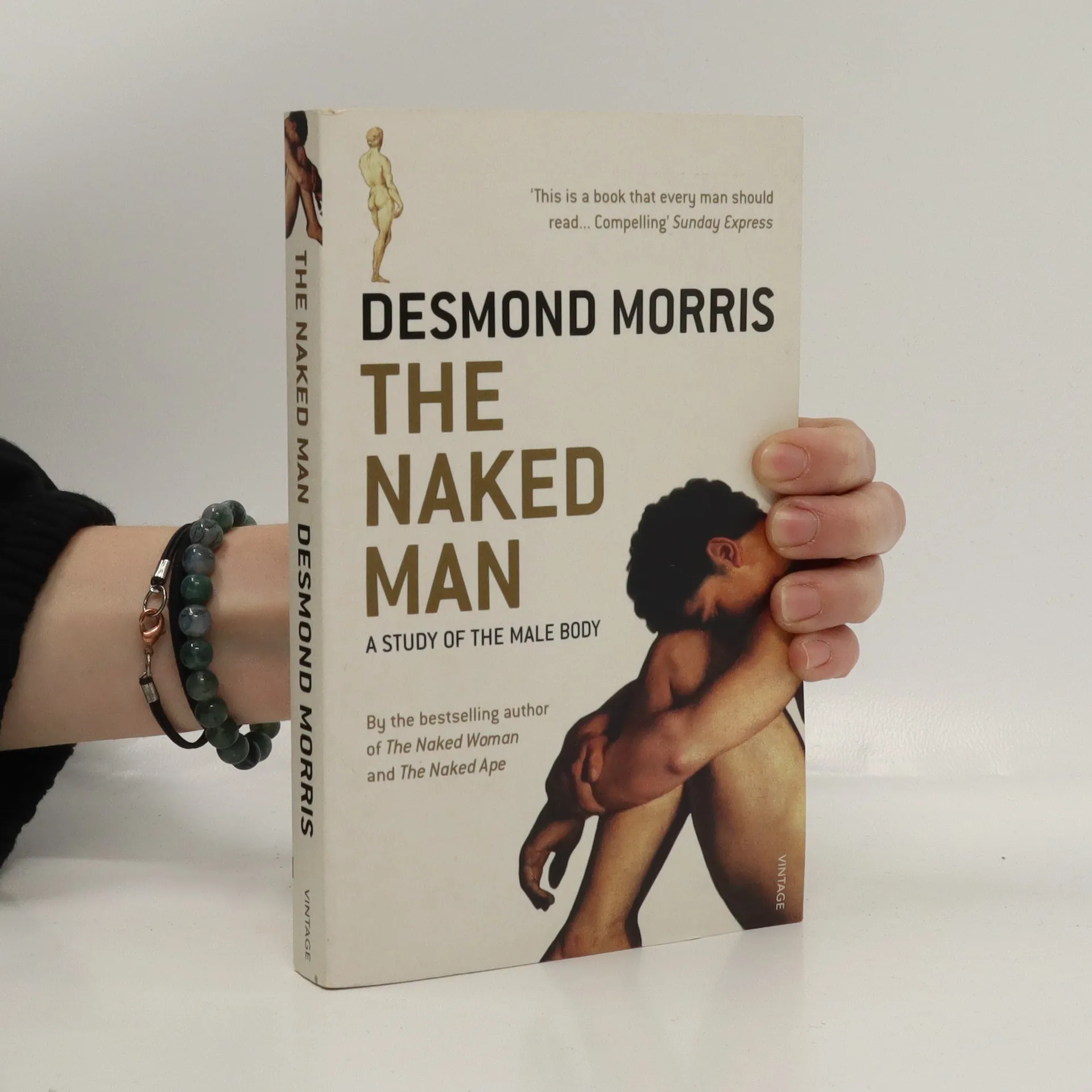
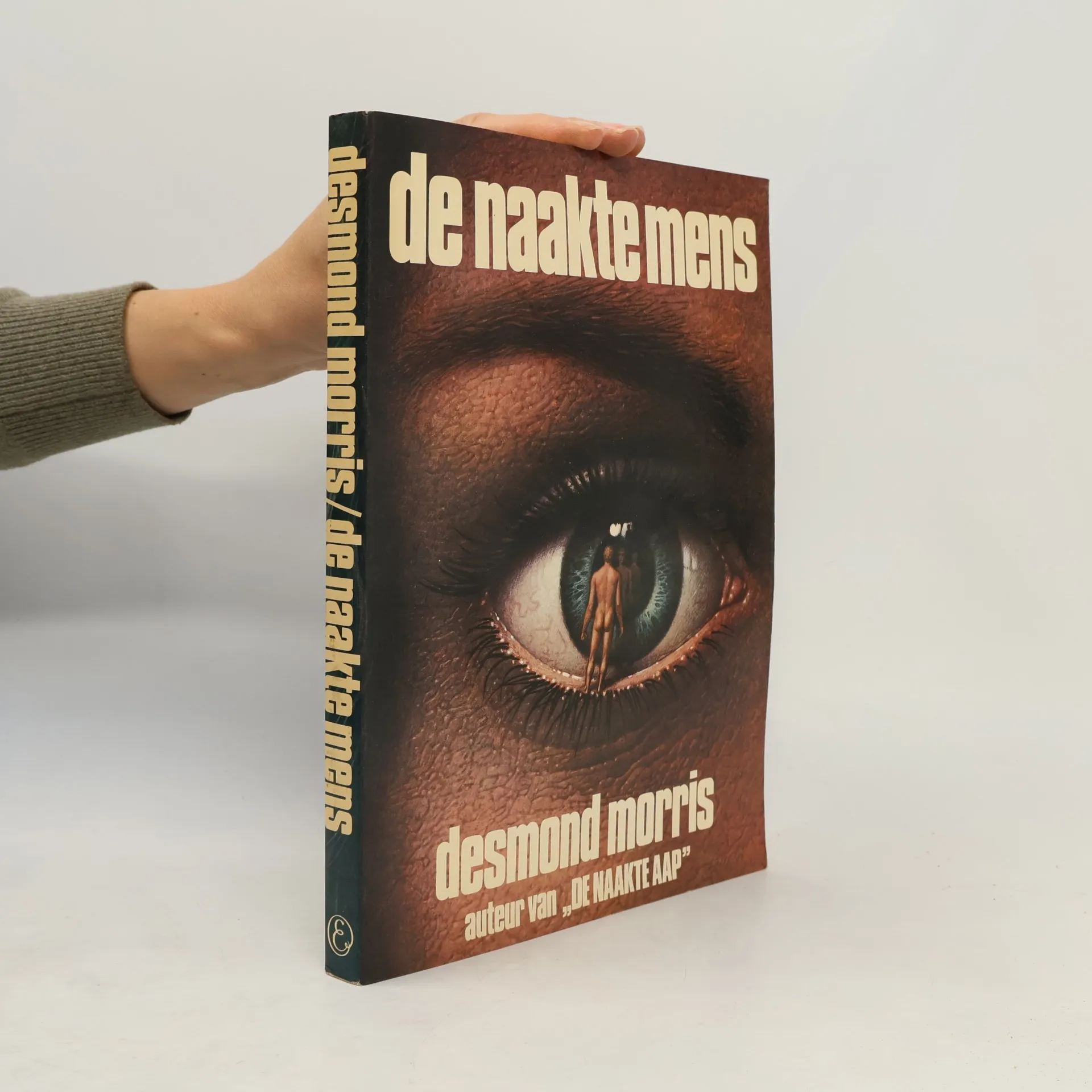
Following on from the international success of The Naked Woman, bestselling zoologist Desmond Morris turns his attention to the human male. The Naked Man is a study of the masculine body from head to toe, exploring how biological features have been modified, suppressed or exaggerated by customs and changes in social fashions. Packed full of scientific fact, engaging anecdote and thought-provoking conclusions, including a controversial chapter examining male sexuality, The Naked Man is a must-read for anyone interested in this far from rare, but nevertheless endangered species.
James Mollison's stunning panoramic portraits of pop concert fans emulating their idols are collected in this addictive volume. Represented bands and stars include Madonna, Marilyn Manson, P. Diddy, the Sex Pistols and Rod Stewart. Beautifully designed, with an introduction by Desmond Morris and more than 500 individual portraits combined into 58 panoramic images, The Disciples is an original, sharp and highly entertaining take on contemporary music culture and the tribalisms inspired by popular music stars.
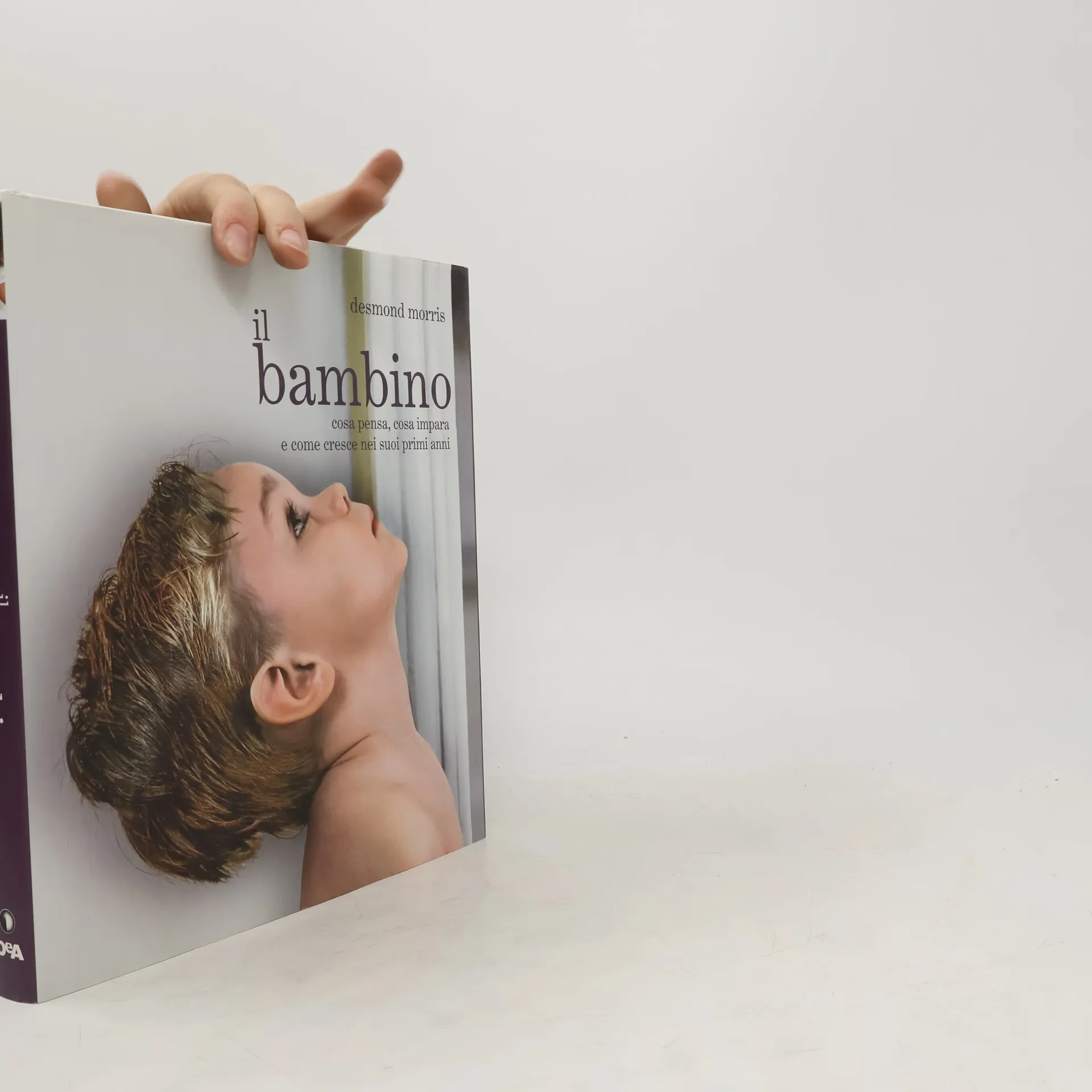
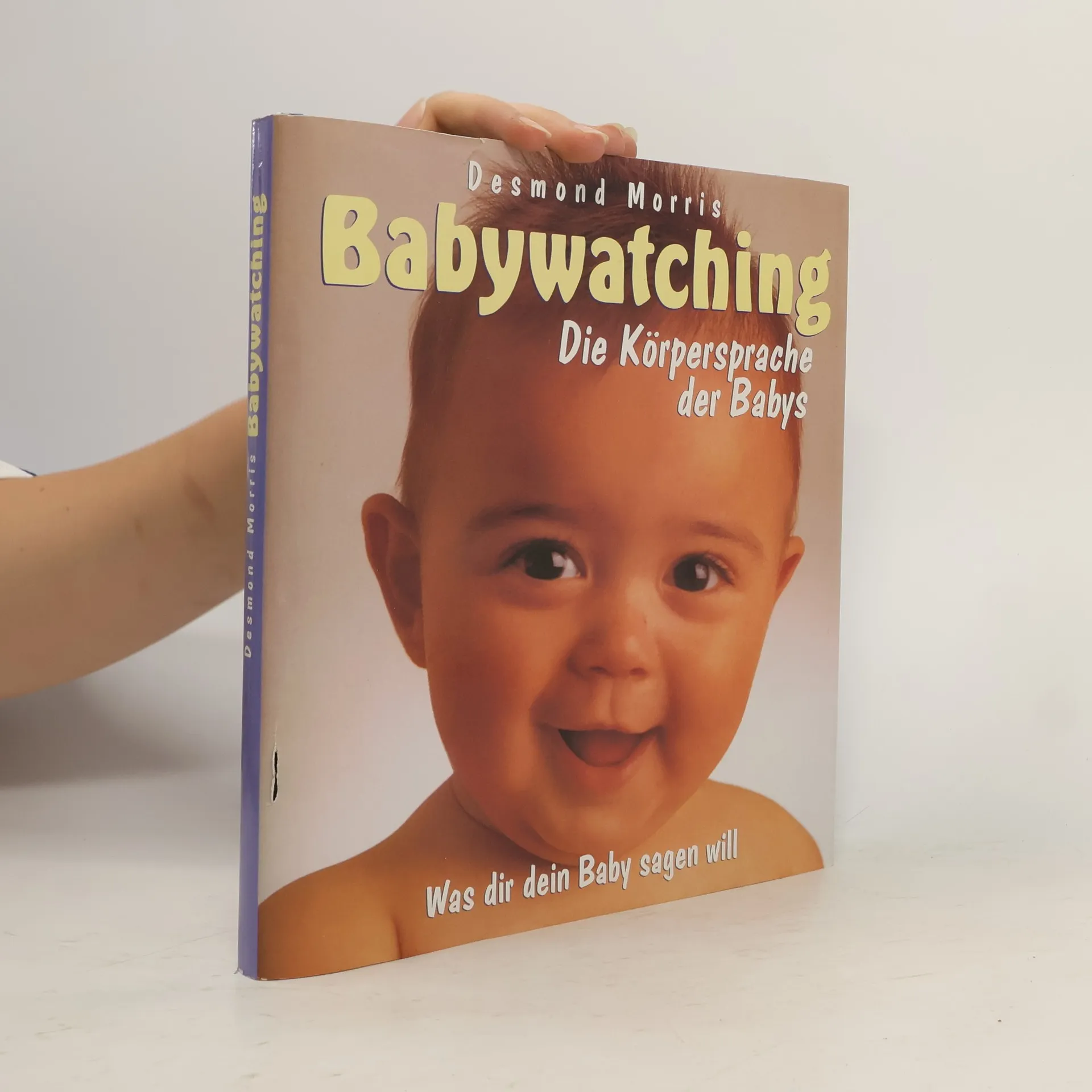
In diesem spannenden Buch macht der weltberühmte Verhaltensforscher und Bestsellerautor Desmond Morris die unglaublich rasanten Entwicklungsschritte eines Babys auf einzigartige Weise begreifbar. Ob Körperbau, Ausbildung der Sinne oder Verständigung: mit seinem unverwechselbaren, unterhaltsamen Schreibstil lässt er seine Leser an allen körperlichen und geistigen Entwicklungsphasen teilhaben, die Babys in erstaunlich kurzer Zeit durchlaufen. Dabei wird die Erfahrungswelt des Babys erstmals aus kindlicher Perspektive geschildert - und so dessen Verhalten für Eltern nachvollziehbar. Eine aufwendige Folientechnik und detaillierte Grafiken zeigen den Aufbau und die Funktion von Körperteilen und -systemen und veranschaulichen komplexe Zusammenhänge.
Malé děti, jejich neuvěřitelný potenciál růstu a mimořádné schopnosti rozvoje, jsou podivuhodné. K zamyšlení vyzývající kniha Desmonda Morrise přináší překvapující skutečnosti, díky ní užasnete nad složitostí lidského těla a schopností dítěte dokázat toho tolik během tak krátké doby. Kniha se zabývá učením a přirozeným růstem, emocionálním vývojem i způsobem, jakým se dítě zařazuje do lidské společnosti v prvních dvou letech života, i retrospektivními pohledy na život v děloze. Obsahuje mnoho zajímavých informací, úchvatných fotografií a vynikajících nákresů, které ukazují, co je pod povrchem.
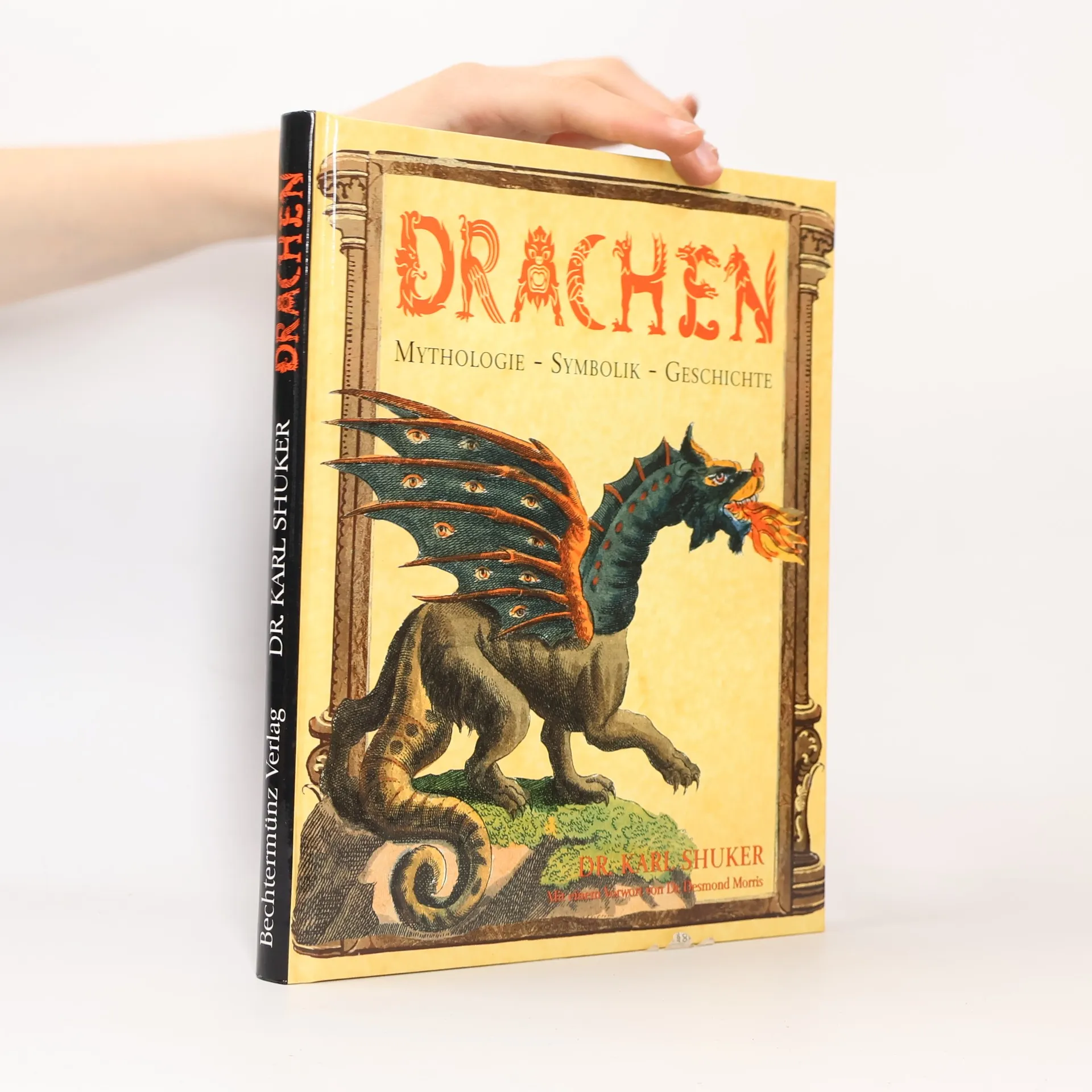
"Mehr als 100 Illustrationen stellen mehr als 30 Drachen vor - die Informationen zu jedem Tier umfassen zudem Wissenswertes über seine Herkunft, seine Gewohnheiten, sein Benehmen und seine Konfrontation mit dem Menschen. Dragons: A National History ist ein opulenter Bildband auf dem aktuellsten Forschungsstand. Lassen Sie sich faszinieren - jede Seite bietet spannende Einblicke in die Welt dieser majestätischen und manchmal komischen Kreaturen."
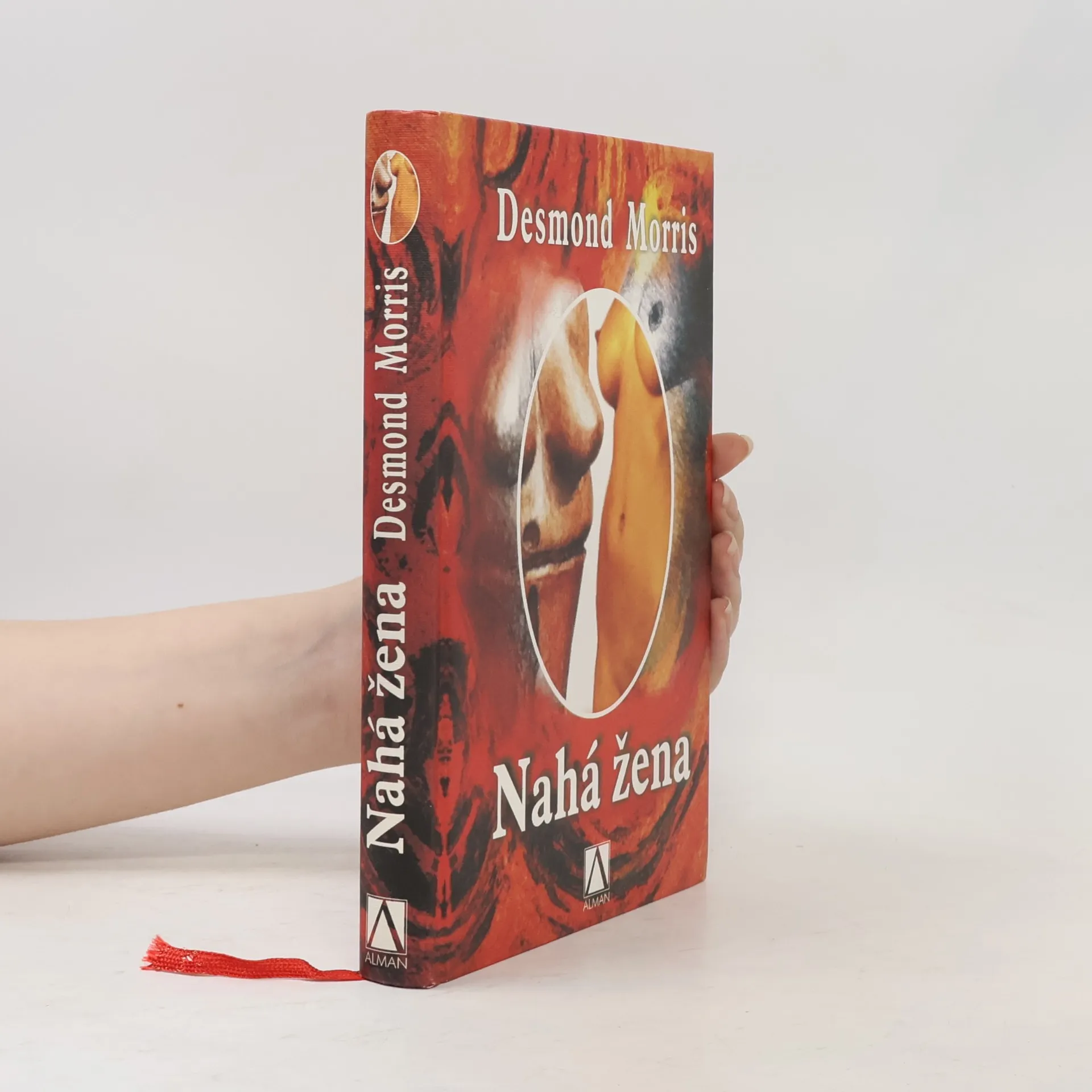
Každá žena má krásné tělo, které je výsledkem milionů let evoluce. Různé lidské kultury se snažily vylepšovat přírodu. Místní představy o ženské kráse se liší a v každé společnosti se vyvinuly jiné představy o tom, co je přitažlivé. Kniha popisuje, jak se ženské tělo vyvinulo v průběhu evoluce, a způsoby, jak byly v různých kulturách jeho rysy zdůrazňovány nebo potlačovány.
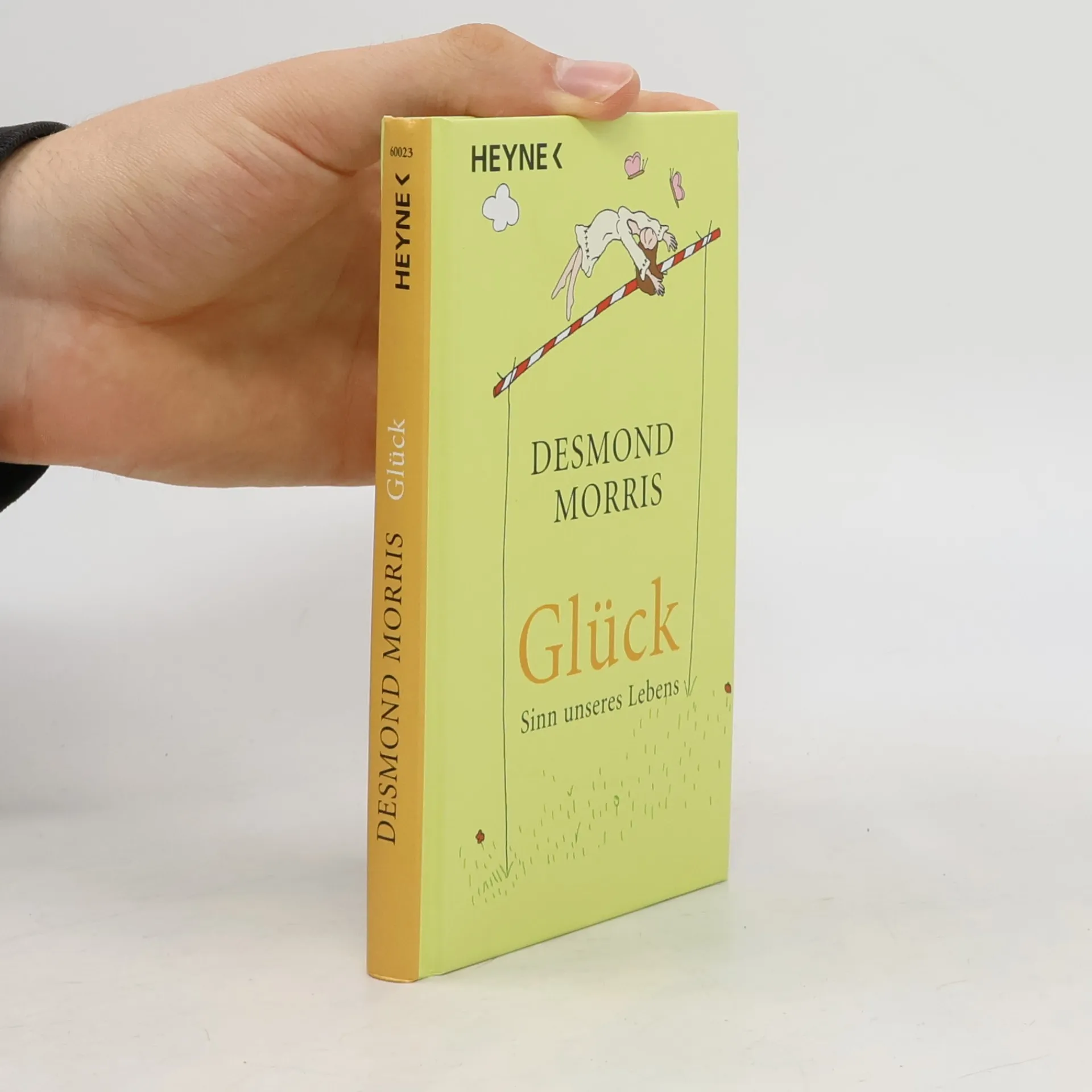
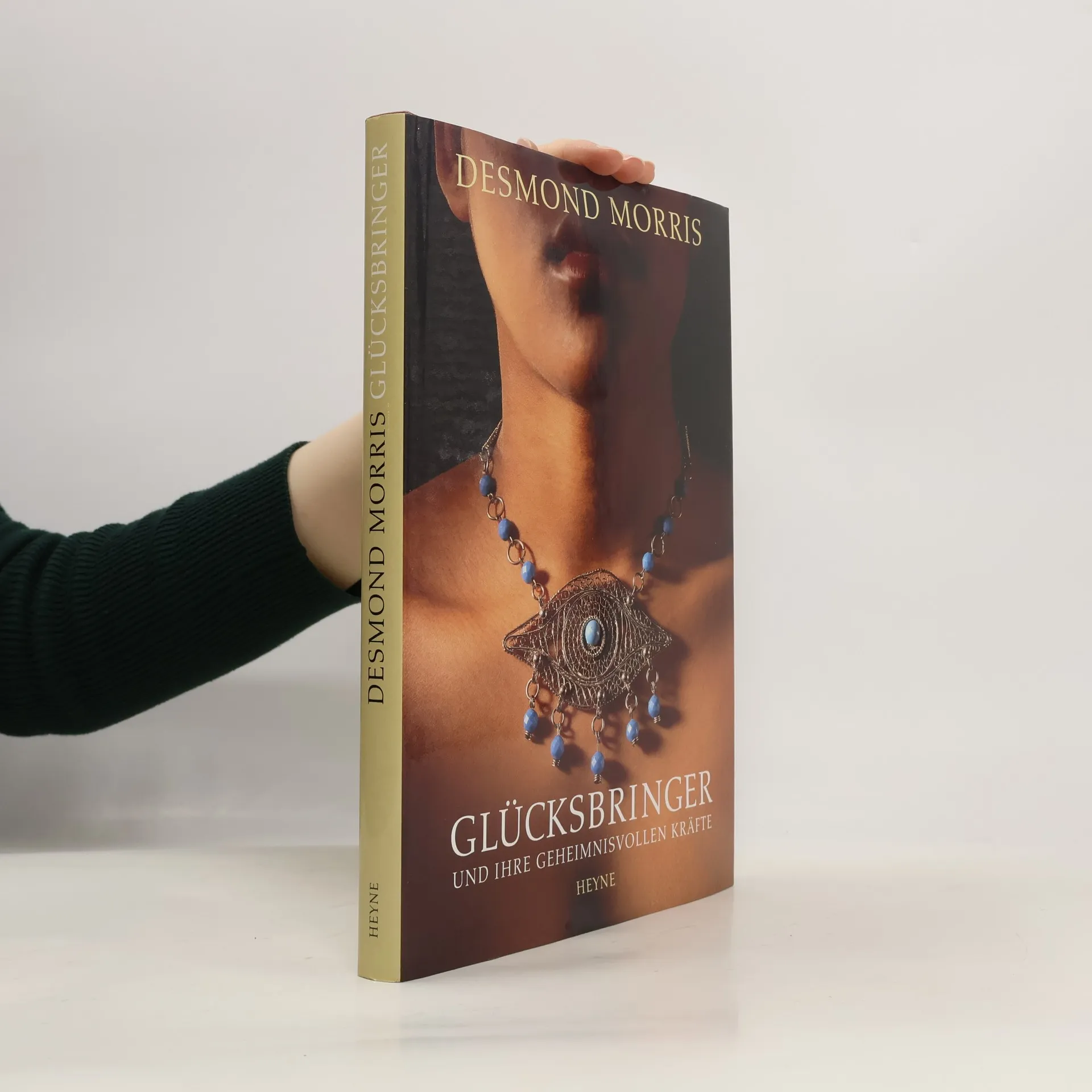
Was ist Glück? Hier beschäftigt sich einer der führenden Verhaltenswissenschaftler der Welt mit dieser alten Frage. Er zeigt, dass es viele Wege gibt, Glück zu erreichen; zum Beispiel das innere Glück, das mit der Liebe eines Kindes einhergeht; das wettbewerbliche Glück, das aus dem Sieg über Gegner resultiert; das sinnliche Glück des Hedonisten. Anstatt ein bestimmtes Verhalten oder Lebensweise zu predigen, bietet Morris Wissen an, das wir nutzen können, wenn wir möchten, um uns selbst glücklicher zu machen.
Vom weiblichen Körper geht von jeher eine magische Anziehungskraft aus. Doch seine Formen haben sich im Laufe der Evolution stark verändert. In seinem neuesten Buch erkundet Bestsellerautor Desmond Morris die Venus vom Scheitel bis zur Sohle und nimmt uns zugleich mit auf eine spannende und aufschlussreiche Reise durch verschiedene Zeiten und Kulturen. Warum ist der Körper der Frau im Vergleich zum männlichen beinahe unbehaart? Weshalb hat es in vielen Kulturen schon immer Schönheitsoperationen gegeben - zum Beispiel, um die Lippen fülliger und sinnlicher zu machen? Wo gilt ein Schwanenhals als begehrenswert? Wann schätzte man üppige Rundungen, wann die Wespentaille? In gewohnt unterhaltsamer und anschaulicher Weise beleuchtet der bekannte Verhaltensforscher Desmond Morris den weiblichen Körper von Kopf bis Fuß, erklärt die unterschiedlichen Frauenideale, die Bedeutung bestimmter Körperpartien in verschiedenen Kulturen und die gesellschaftlichen Tabus, denen der weibliche Körper im Laufe der Geschichte unterlag. Ein einmaliges, reich bebildertes Standardwerk
Encyklopedie více než 1000 psích plemen
Tohle je jiná kniha o psech než všechny ty, co máte doma v knihovně. Pokud se o kynologii zajímáte, neměli byste si ji nechat ujít…
Známý popularizátor vědy Desmond Morris se ujal nelehkého úkolu: sestavit skutečnou encyklopedii psích plemen. Tedy nikoli napsat další z mnoha publikací s pěknými barevnými obrázky, ale pokusit se opravdu shrnout co nejvíce informací o co nejvíce plemenech, od těch nejoblíbenějších po ta nejméně známá. Když se na počátku vyptával odborníků, kolik psích plemen vlastně existuje, někteří to odhadovali na dvě, jiní na tři či čtyři stovky. Jenže jak píše sám autor: „Poté, co jsem prostudoval prameny k více než tisícovce psích plemen, cítím jistotu, že mi jich ještě pár muselo utéct.“
Desmond Morris' collection showcases a striking array of surrealist art, blending vivid imagery with thought-provoking themes. The works explore the boundaries of human perception and imagination, inviting viewers to delve into the subconscious. Each piece reflects Morris' unique perspective, merging elements of nature and the human experience. This compilation not only highlights his artistic talent but also serves as a commentary on the complexities of life, challenging the audience to interpret the deeper meanings behind each surreal creation.
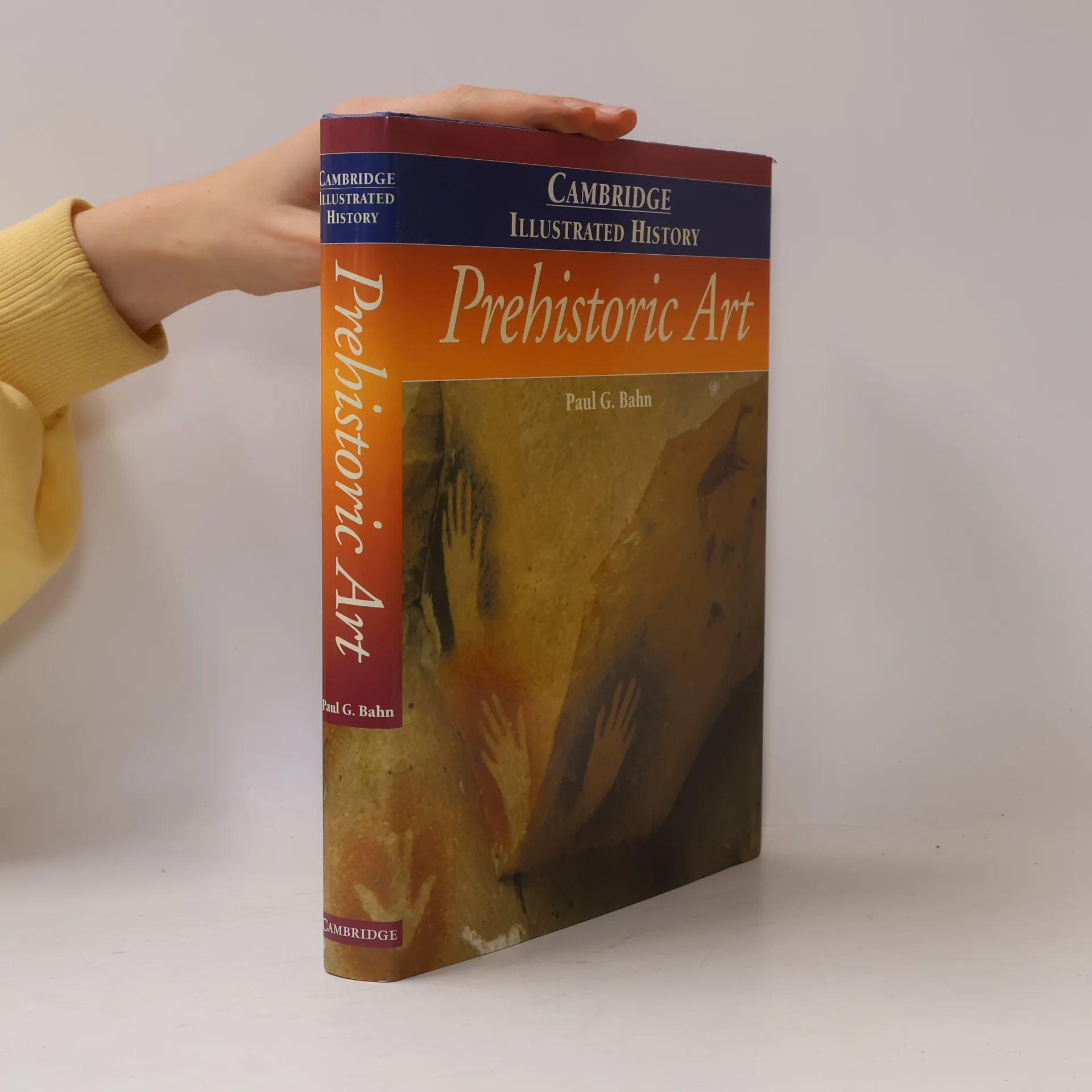
Beautifully illustrated in color with many rare and unique photographs, prints, and drawings, The Cambridge Illustrated History of Prehistoric Art presents the first balanced and truly worldwide survey of prehistoric art. The book also offers the first detailed account of how the world of scholarship became aware of the existence of prehistoric art, reproducing the very earliest drawings by explorers and surveyors from the 1600s onward to create a unique pictorial as well as discursive resource. With this powerful combination of illustration and analysis, Paul Bahn describes what prehistoric art is and the different ways in which it can shed light on the lives and preoccupations of our ancestors: sexual, humorous, social, economic, and religious. The result is a fascinating exploration: a book that Desmond Morris describes as "a model of scientific restraint and objectivity....this is ultimately an art book, and as such it is endlessly provocative and engaging." Paul Bahn is an archaeologist and the author of more than 400 publications. He has authored or coauthored eight books, including The Cambridge Illustrated History of Archaeology. Dr. Bahn is a fellow of the Society of Antiquaries.
Desmond Morris is famous for his original and startling conclusions about human nature. This lavishly illustrated and controversial look at gender roles throughout history, the companion volume to The Learning Channel's six-part presentation, is sure to be his most provocative to date. Research indicates that, contrary to popular belief, our ancestors practiced sexual equality. Morris argues that it was only when modern urbanization disturbed the delicate balance between the sexes that women became widely perceived as inferior. In many cultures, including our own, women are still struggling to overcome the legacy of prejudice, both male and female. Morris argues that the biological differences between the sexes have been greatly exaggerated, and explores the hundreds of bizarre rituals that people undergo to attract mates -- from body piercing to tattooing. Provocative and original, packed with photographs and illustrations from the film, The Human Sexes is a challenging look at the world's most fascinating debate.
The wide-ranging coverage in this encylopaedia of cats encompasses entries on many kinds of domestic cat (from Abyssinian to Siamese), famous individual cats (from Felix to Macavity), and aspects of feline behaviour (from hunting to courtship). It also incorporates terminology, cat books and organizations, famous owners, authors and artists, and even people such as Julius Caesar and Napoleon, who hated cats.
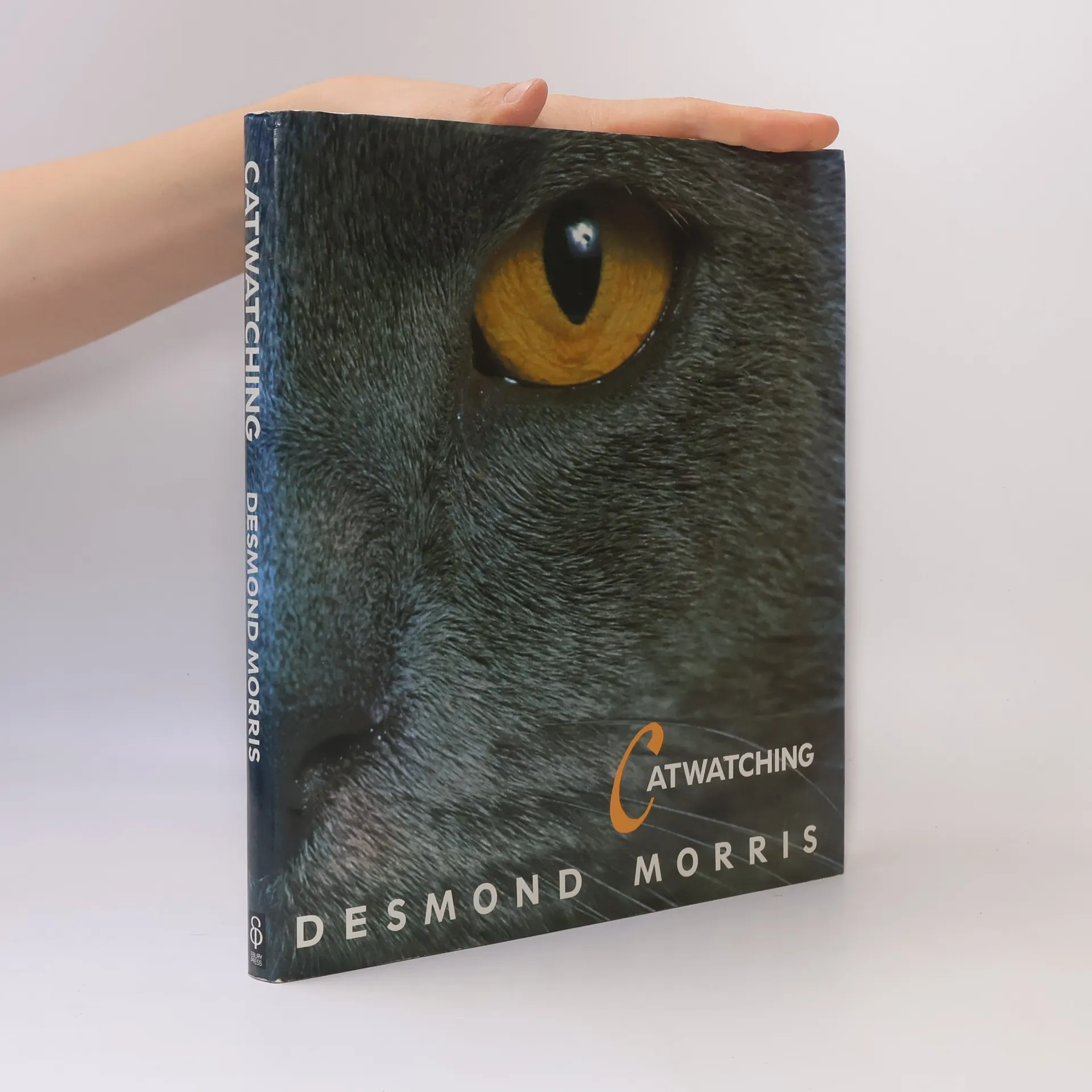
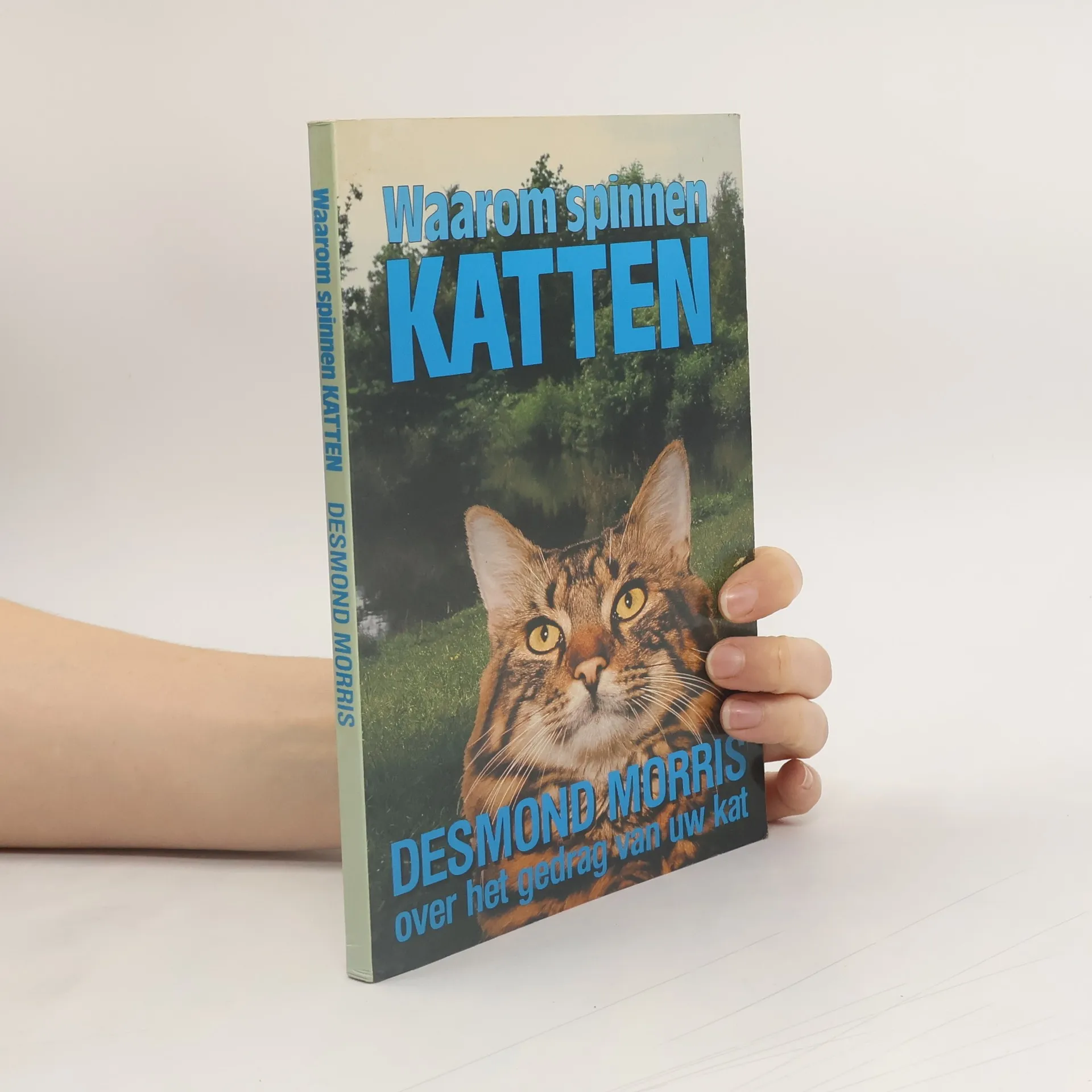
Desmond Morris answers 60 fascinating questions about cats: * Why does a cat purr? * How does a cat use its whiskers? * Why do cats interfere when their owners answer the telephone? * Why do we believe a black cat brings good luck * Why do cats sulk? * Why are cats attracted to people who dislike them? * Why does a cat like being stroked? and many, many more. . . The text is accompanied by beautiful colour photographs of cats of every variety, illustrating the behaviour Desmond Morris describes.
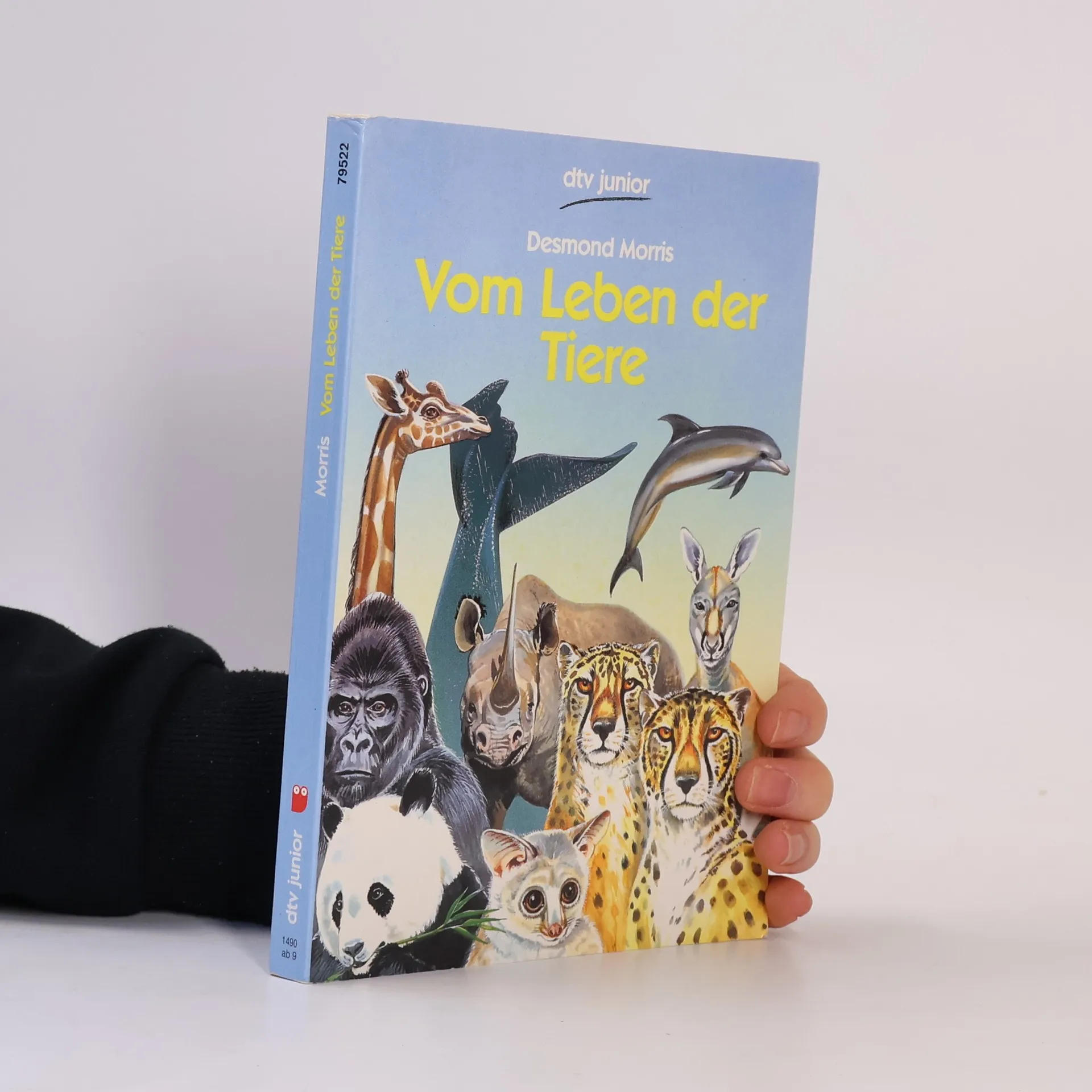
Discusses the behavioural characteristics of some of the more familiar and famous animals, such as the elephant, gorilla, tiger and kangaroo. Suggested level: intermediate, junior secondary.
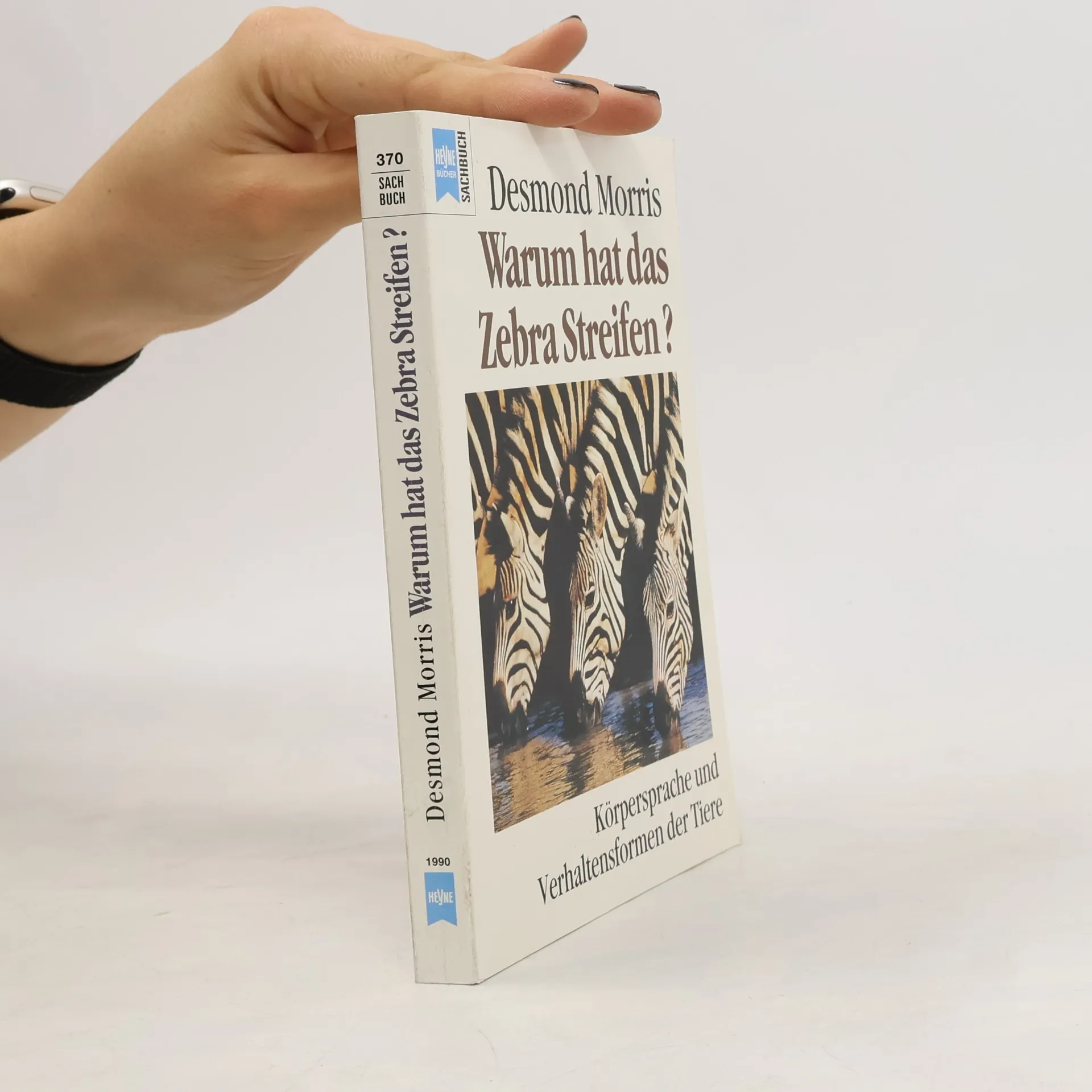
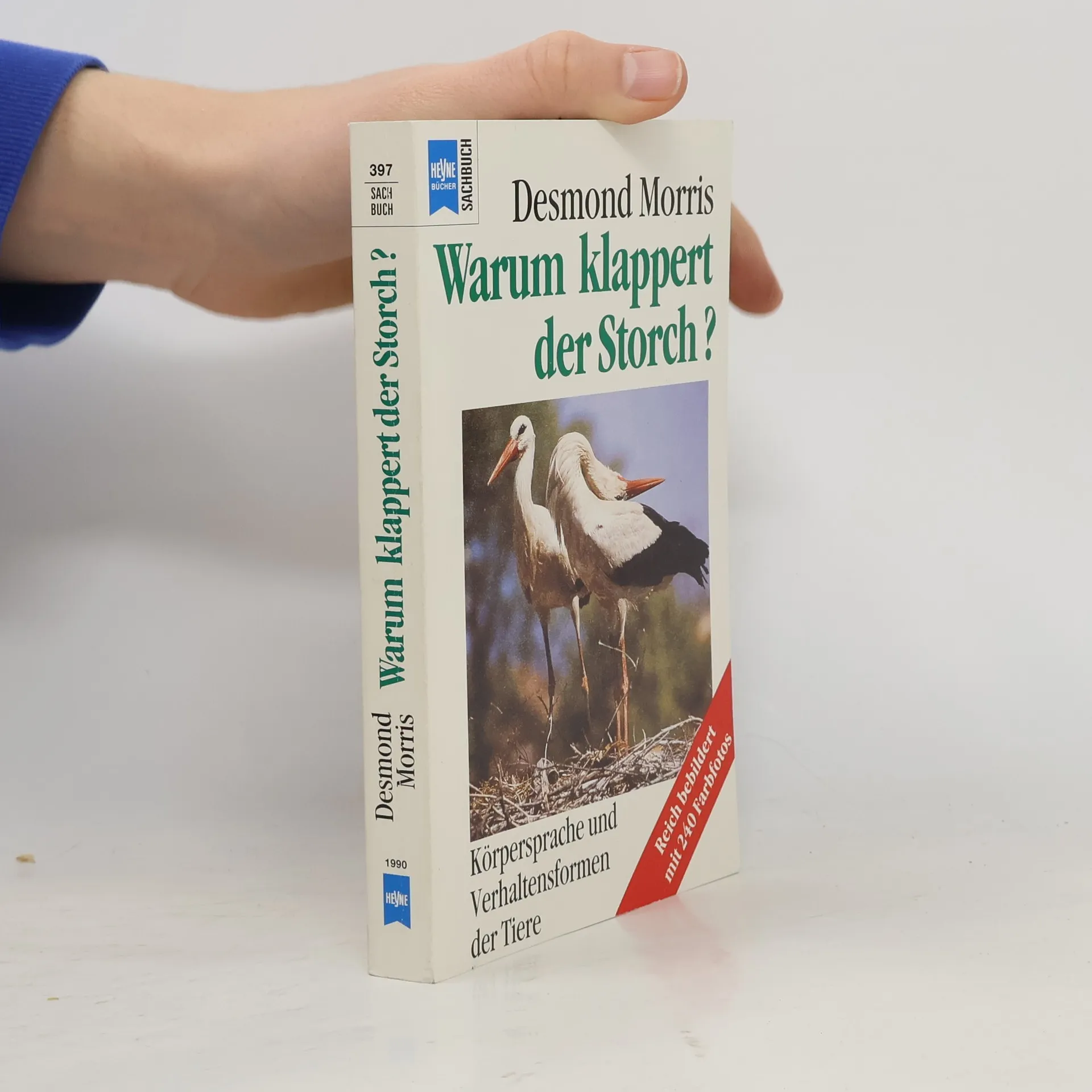
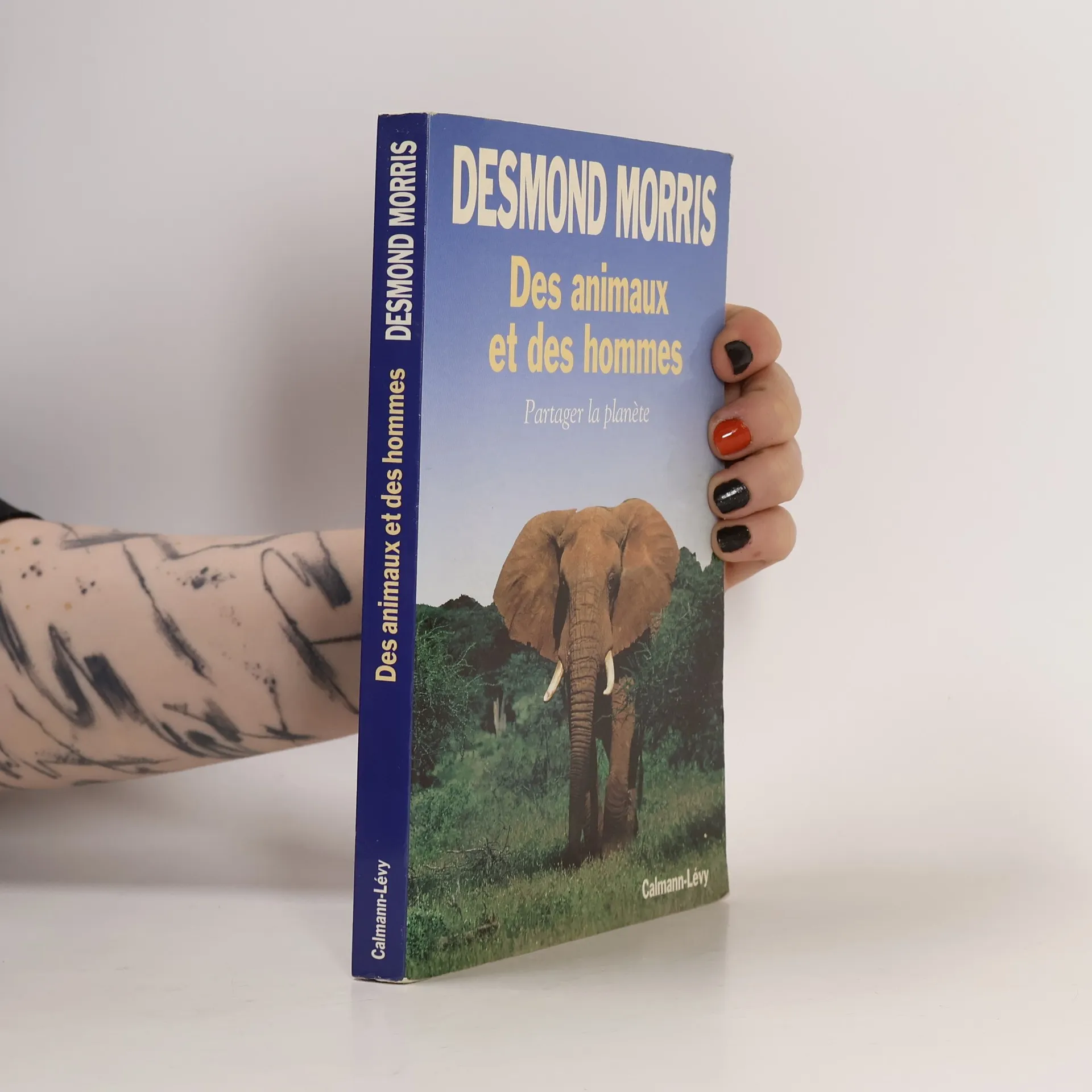
Wieso kommen Kamele so lange ohne Wasser aus? Warum hat das Zebra Streifen? Diese und viele andere Fragen beantwortet der genau beobachtende Verhaltensforscher Desmond Morris. Er erzählt ausführlich von 24 Tieren und ihren unterschiedlichen Lebensweisen. »Vom Leben der Tiere« ist so informativ wie ein Tierlexikon, aber unvergleichlich spannender zu lesen. Und es ist auch ein Buch über den Tierschutz.
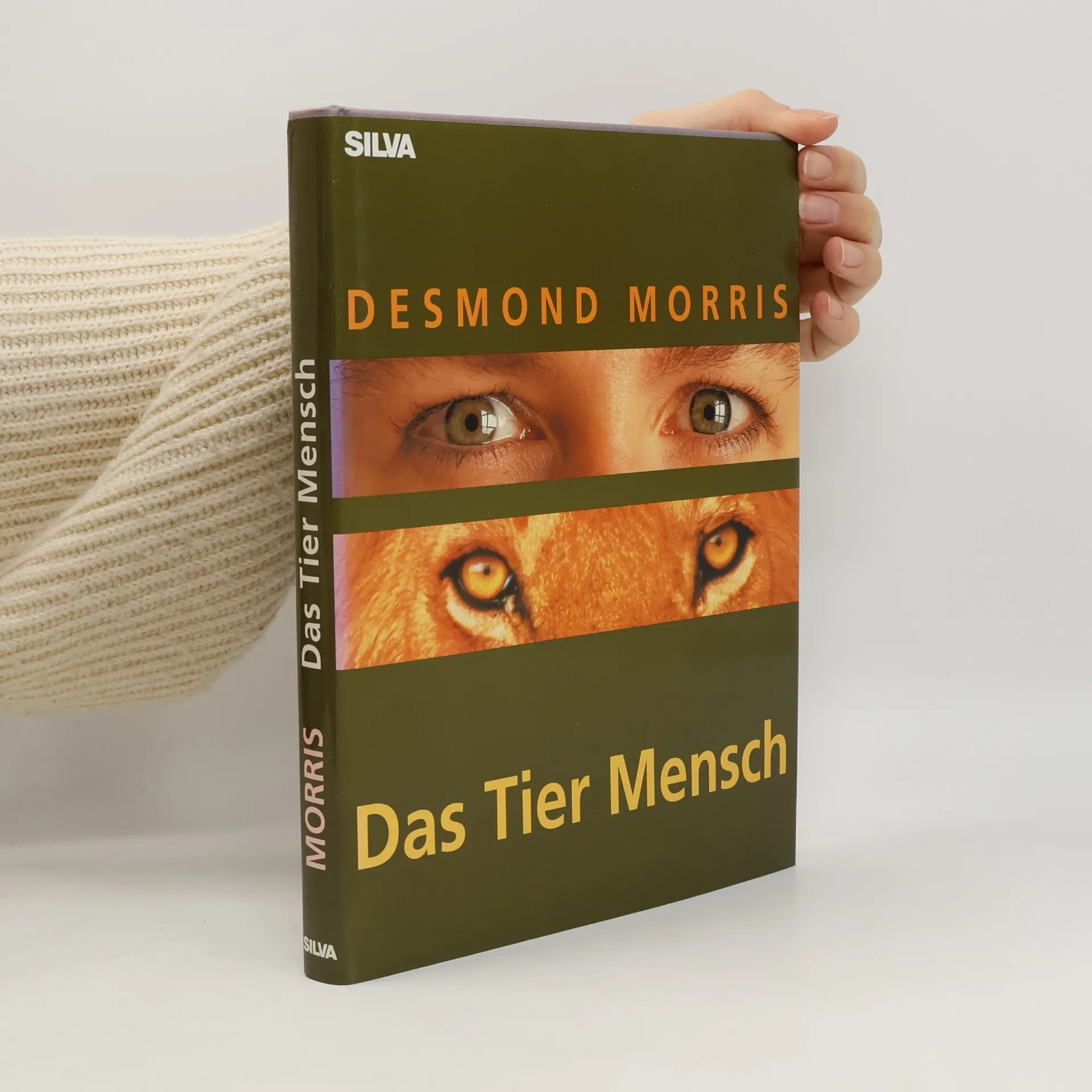
Das menschliche Erbgut stimmt zu 99% mit dem der Zwergschimpansen überein, was sich auch in der Verhaltensstruktur des Menschen widerspiegelt. Der Verhaltensforscher Desmond Morris, der bereits in seinem Buch "Der nackte Affe" die These vertrat, daß der Mensch ein Tier sei, will mit dem vorliegenden Band seine Behauptung untermauern. Durch jahrelanges, intensives Beobachten des Homo sapiens in seinem Alltag erkannte er, daß die Menschen weltweit, trotz kultureller Unterschiede, alle nahezu identische Erbanlagen haben.
Warum gähnen Babys nach der Geburt? Was bedeutet ihr Weinen oder Schreien? Wie gut können Babies sehen, hören und riechen? Woran erkennt man, dass das Baby satt ist? Und wie lernen Babys überhaupt sprechenß Der weltberühmte Verhaltensforscher Desmond Morris gibt mit diesem hinreißend illustrierten Buch allen Eltern einen liebevollen und zärtlichen Leitfaden zur Erziehung ihres Kindes an die Hand.
Der Autor untersucht das Tierreich und beleuchtet dessen Dramen, Herausforderungen und außergewöhnliche Lösungen für Überlebensprobleme. Er beschreibt das Verhalten von Tieren, das von Löwen in der Serengeti bis zu Igeln im eigenen Garten reicht.
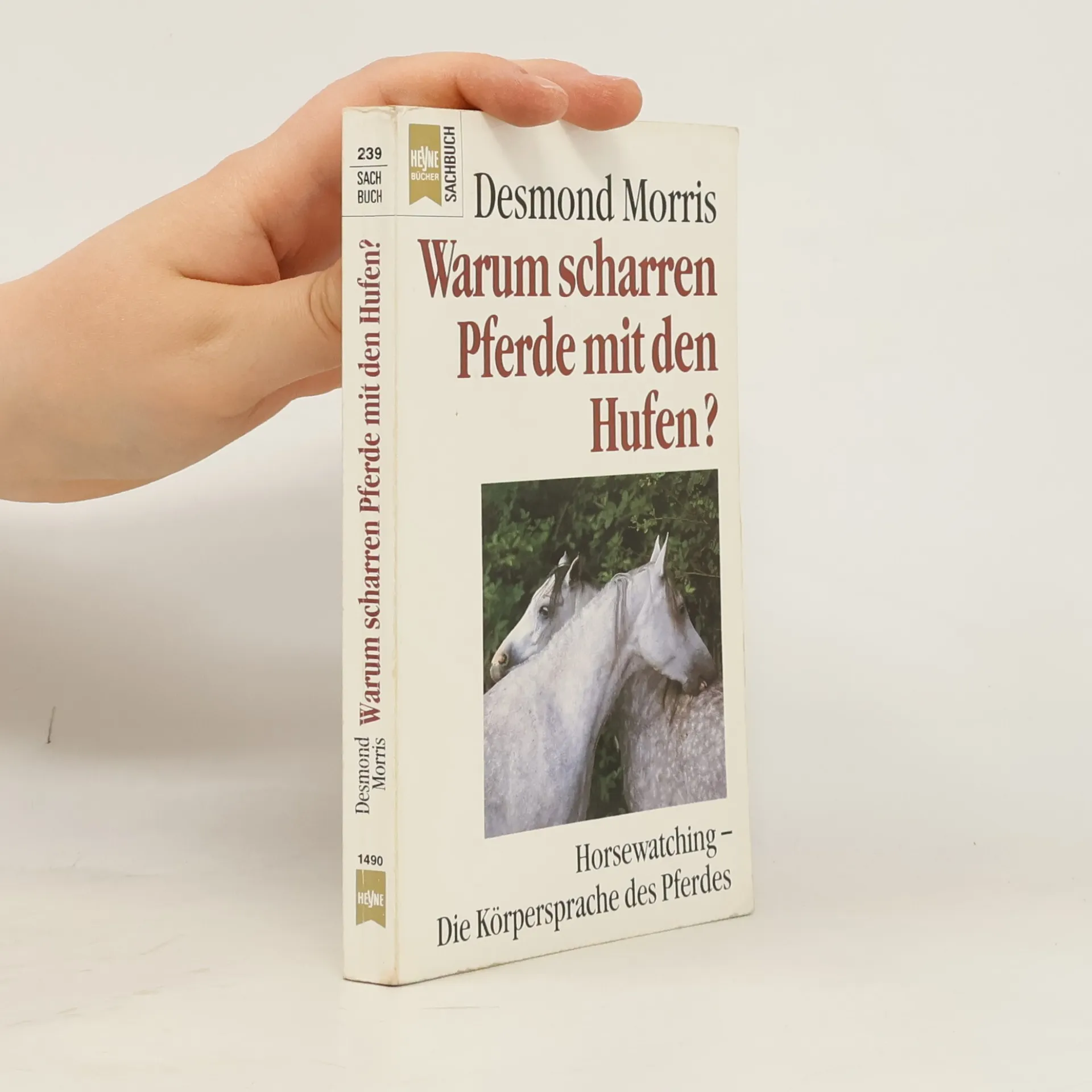
Bestsellerautor und Tierforscher Desmond Morris hat die Ausdrucksmöglichkeiten von Pferden entschlüsselt. In Horsewatching erklärt er alle Eigenarten dieser faszinierenden Tiere und lässt keine Frage von Pferdefreunden unbeatwortet. Einzigartige Farbfotos begleiten den Text, der in jeder Zeile eine tiefe Zuneigung zu diesen treuen und edlen Vierbeinern spüren lässt.
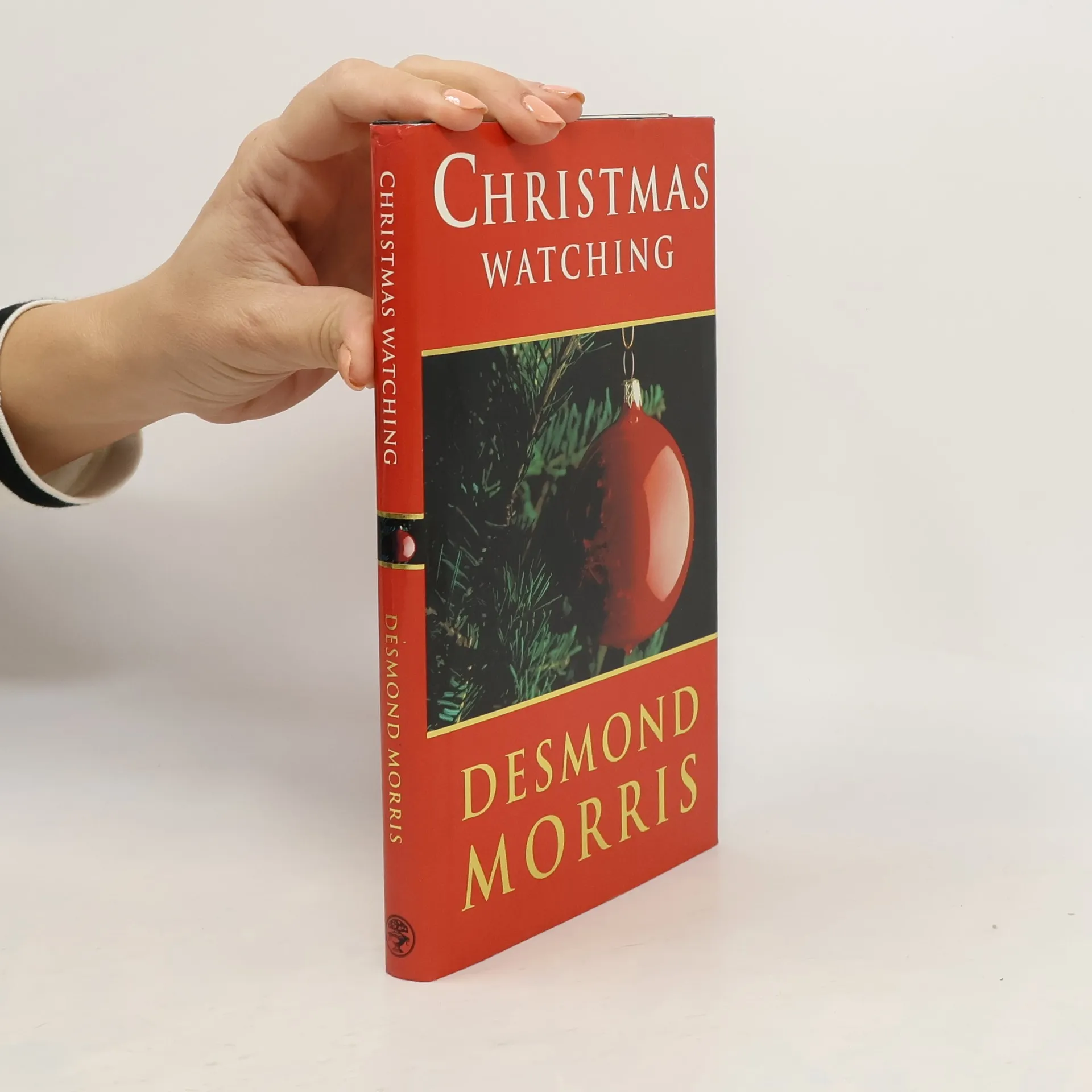
"Christmas Watching" by Desmond Morris explores the folklore, traditions, and symbolism surrounding the Christmas celebration. It addresses questions such as why December 25th is significant, the origins of the dream of a white Christmas, and the meaning behind the Christmas tree. The book also includes contributions discussing the situation and traditions in the Netherlands.
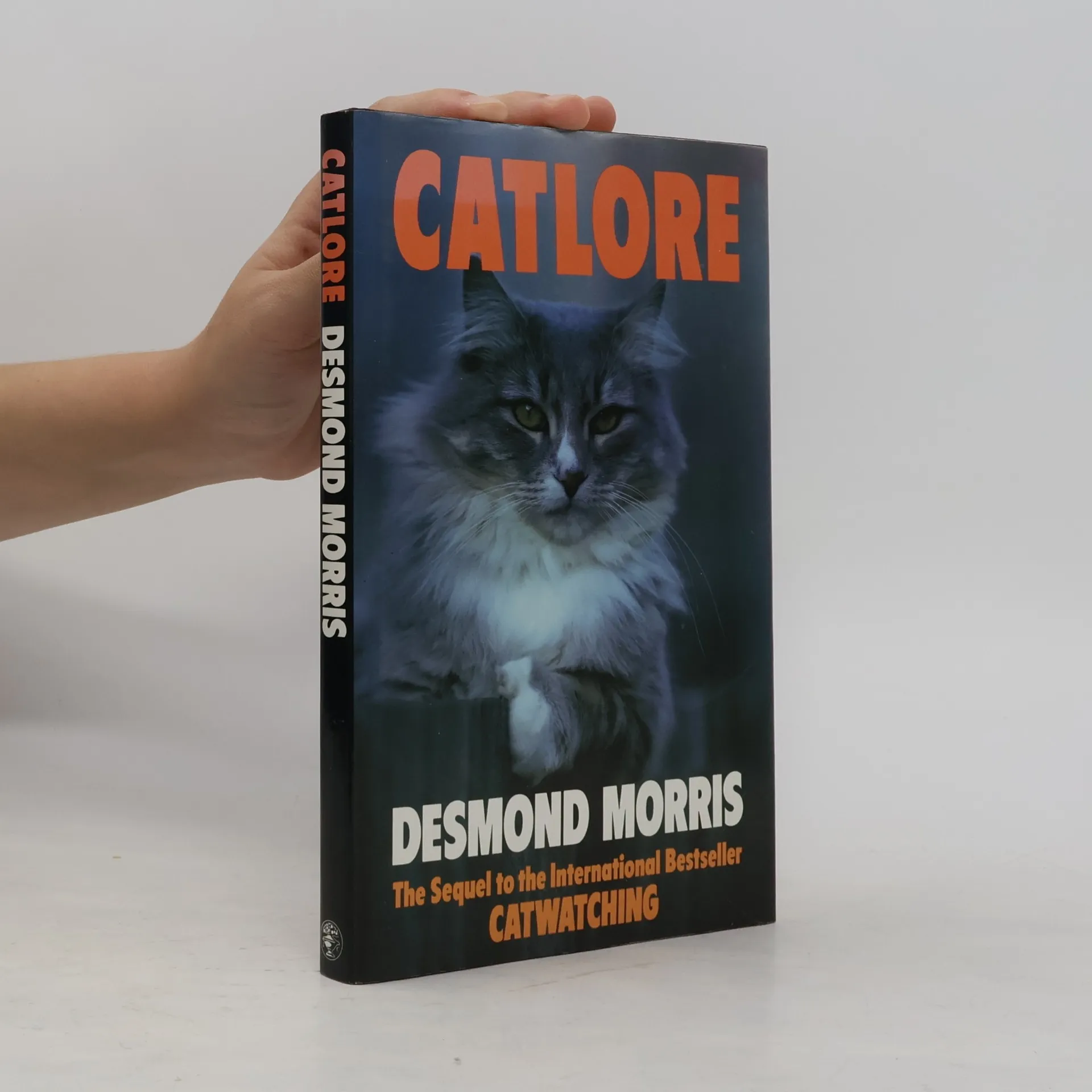
Desmond Morris considers the cat in myth and history, and answers questions he received from cat owners after the publication of the internationally best-selling Catwatching . 31 black-and-white photographs.
Illustrationen des Körpers aus verschiedenen Blickwinkeln; von Kopf bis Fuß. In Farb- und Schwarzweißfotos. Beinhaltet bekannte Personen, durchschnittliche Menschen und verschiedene demografische kulturelle Hintergründe.
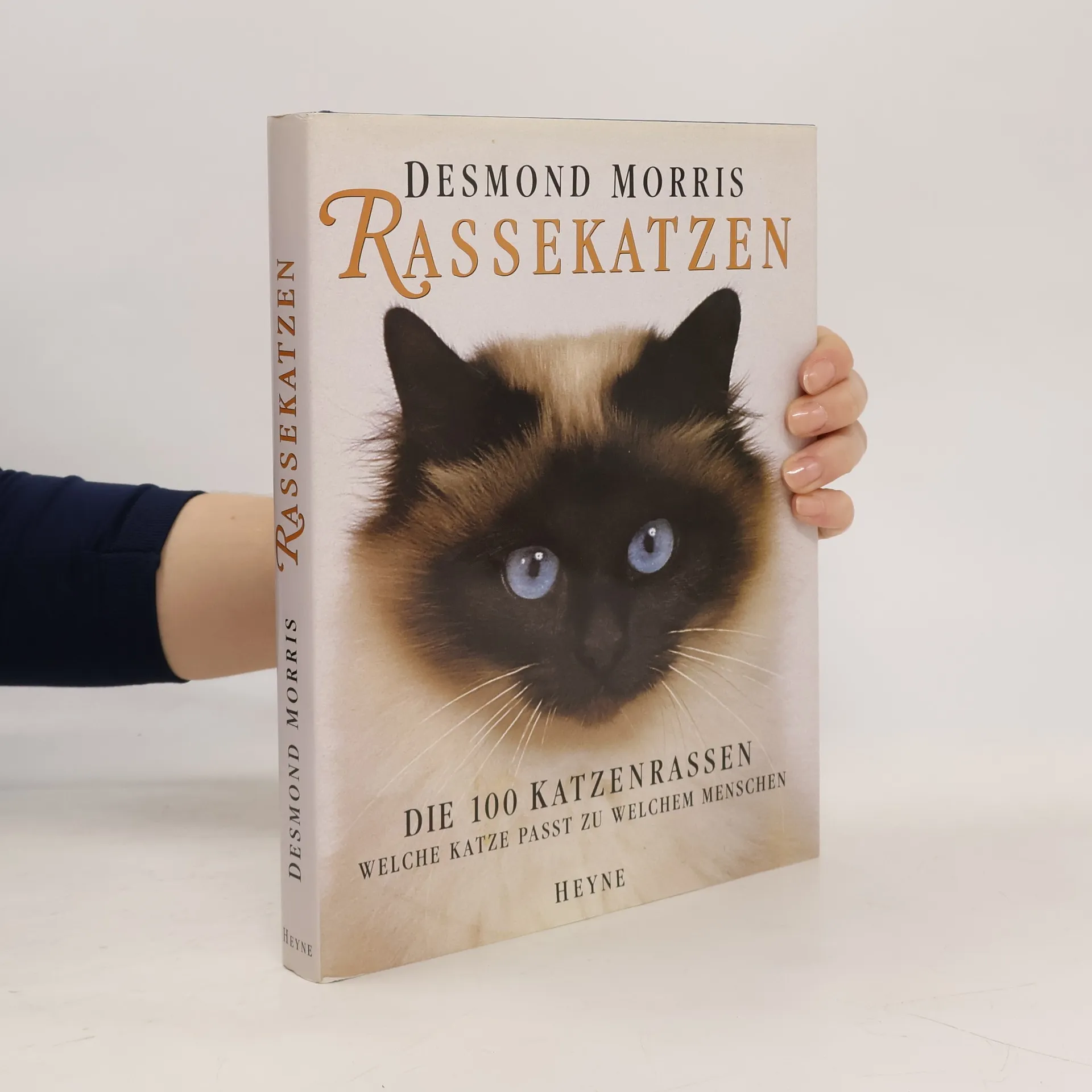
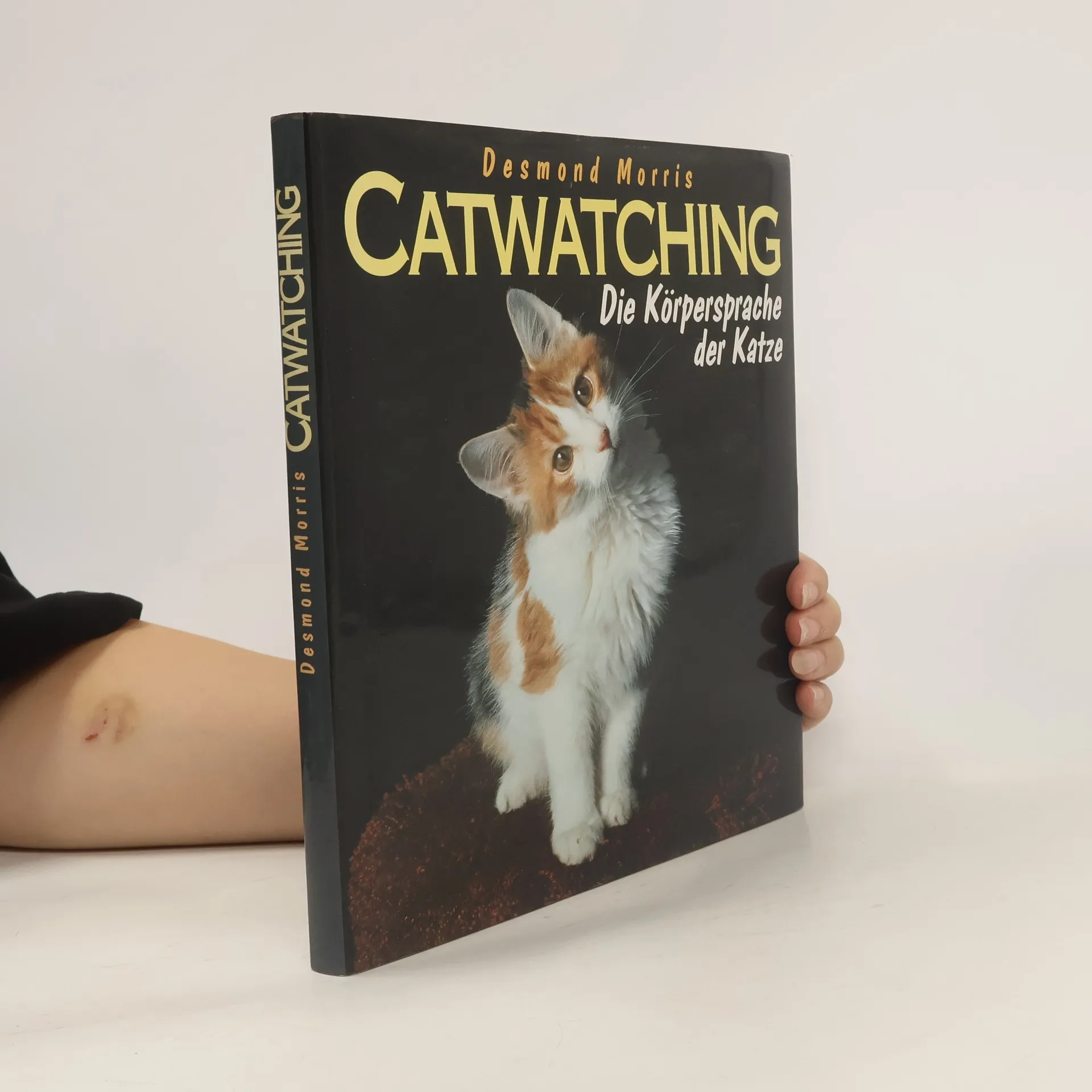
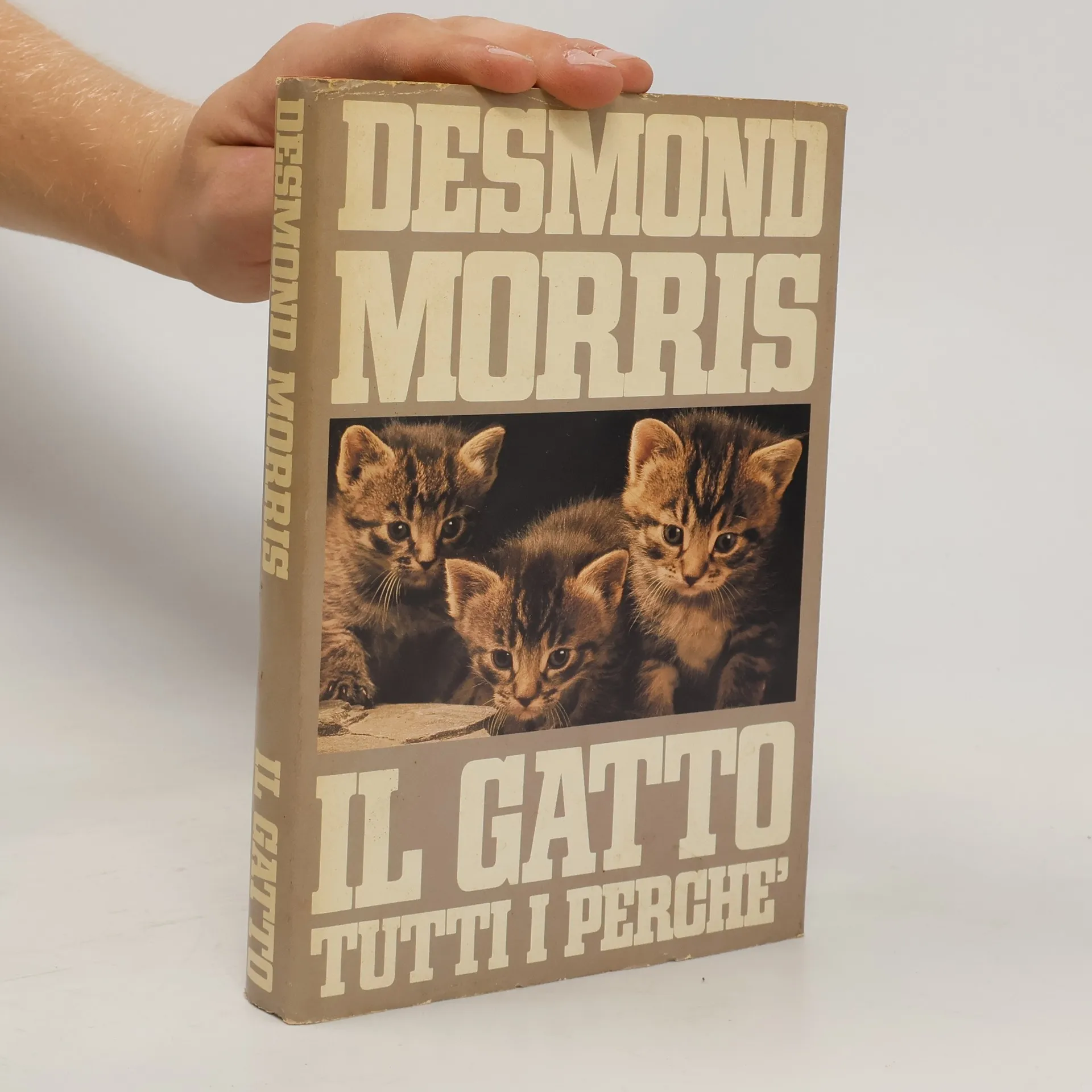
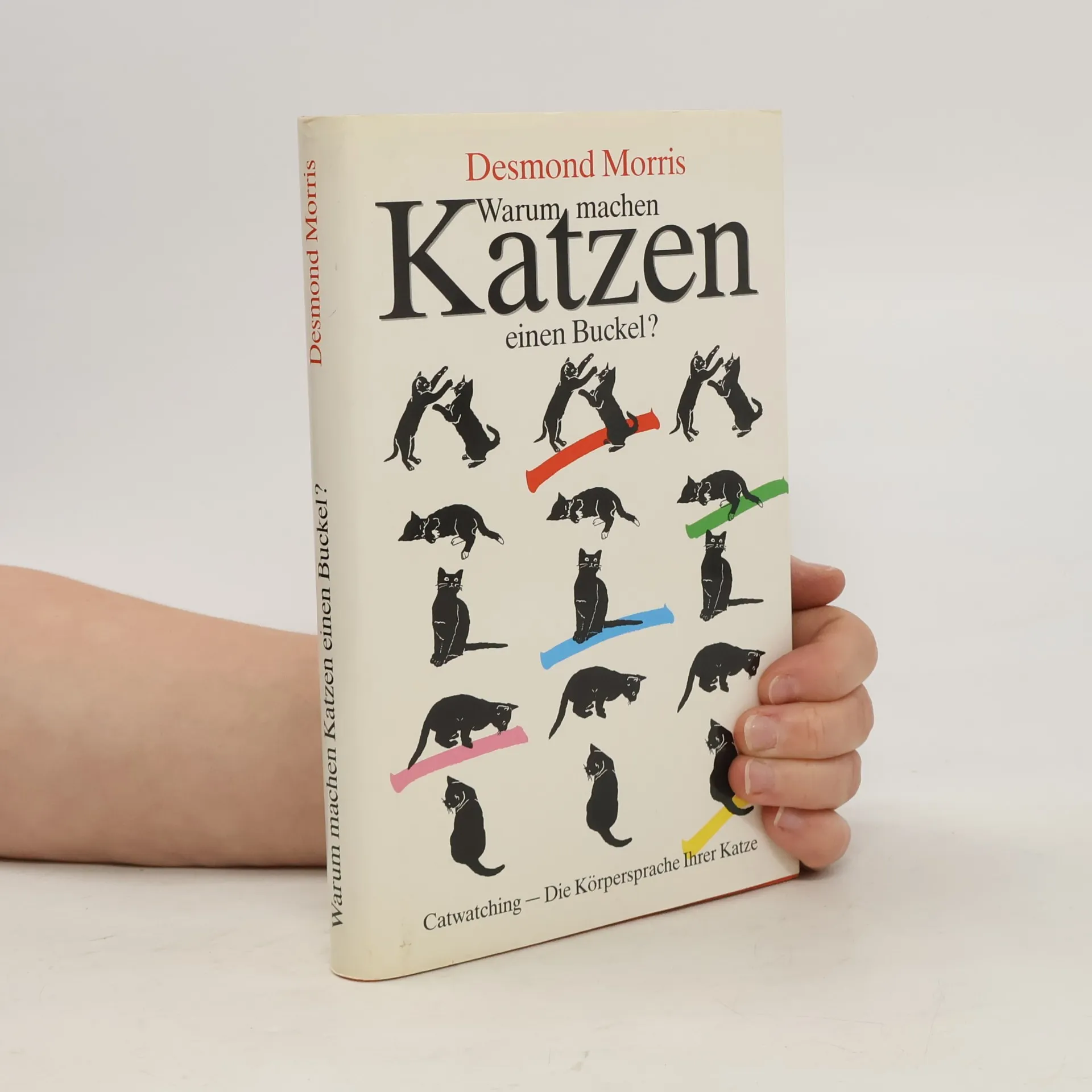
Welche Gerüche stoßen Katzen ab? Warum schmollen sie? Warum streichen sie einem um die Beine? Bestsellerautor Desmond Morris beantwortet diese und andere Fragen auf gewohnt fundierte und zugleich amüsante Weise. Einzigartige Farbfotos begleiten den Text.«An diesem Buch kann kein Katzenliebhaber vorbei.» Doris Lessing
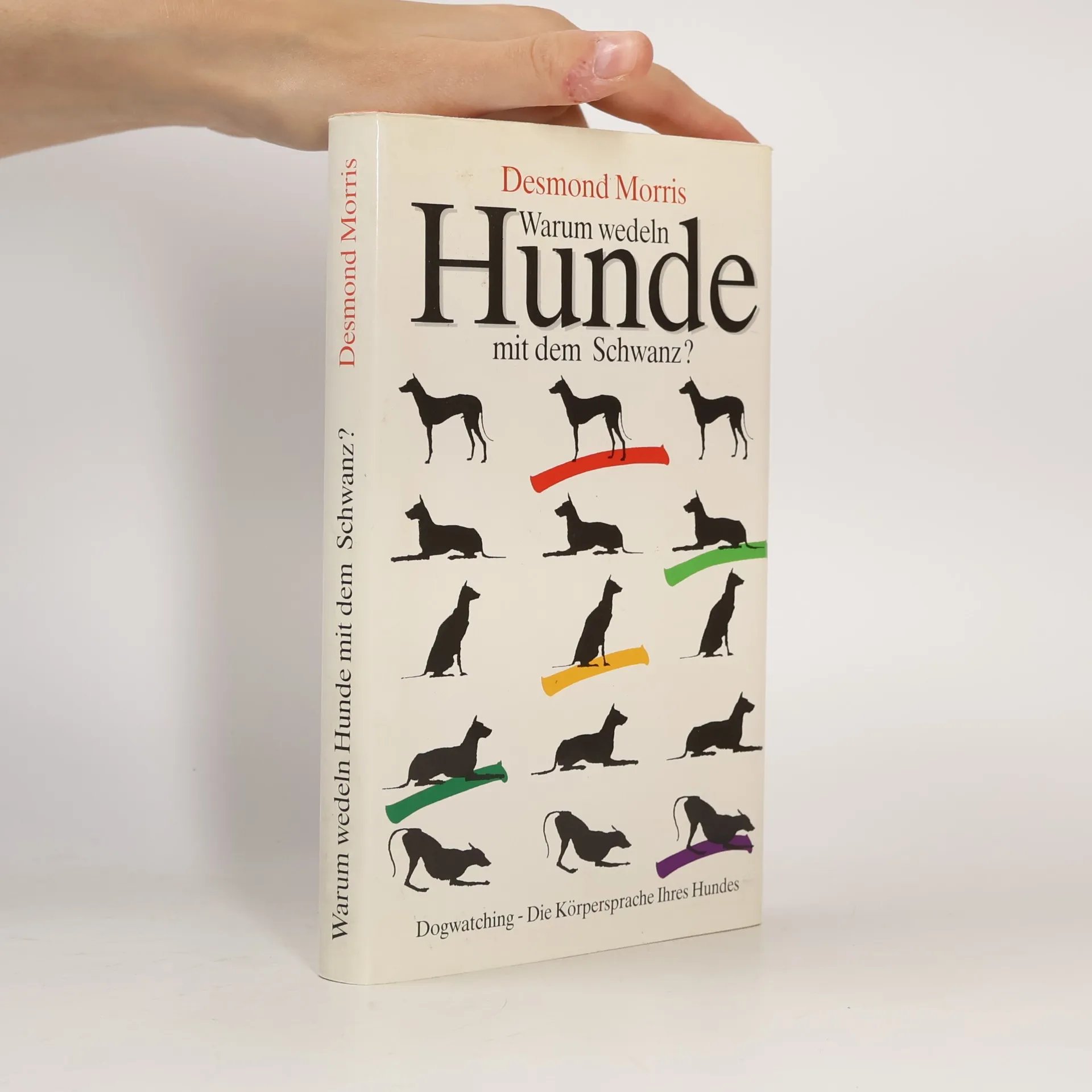
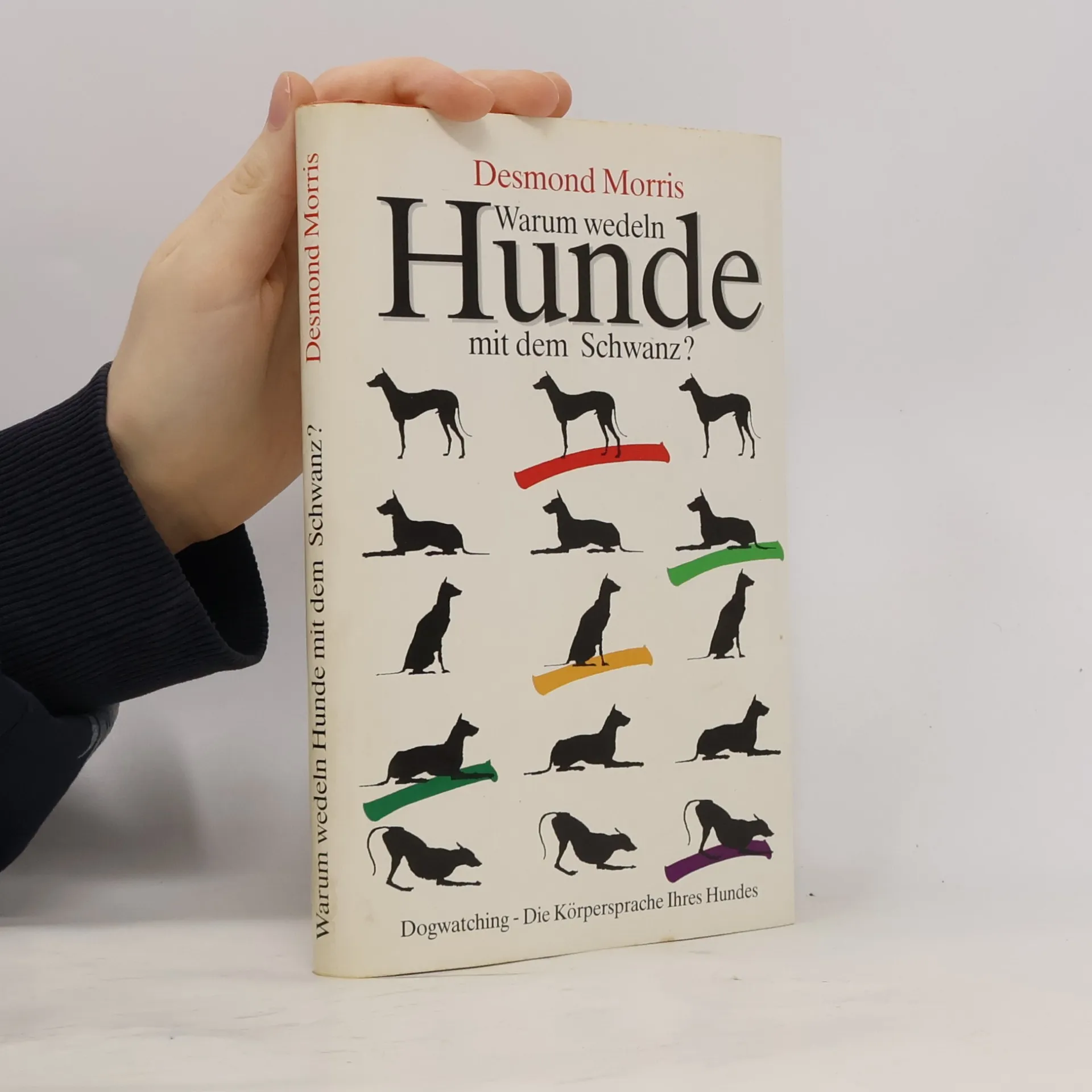
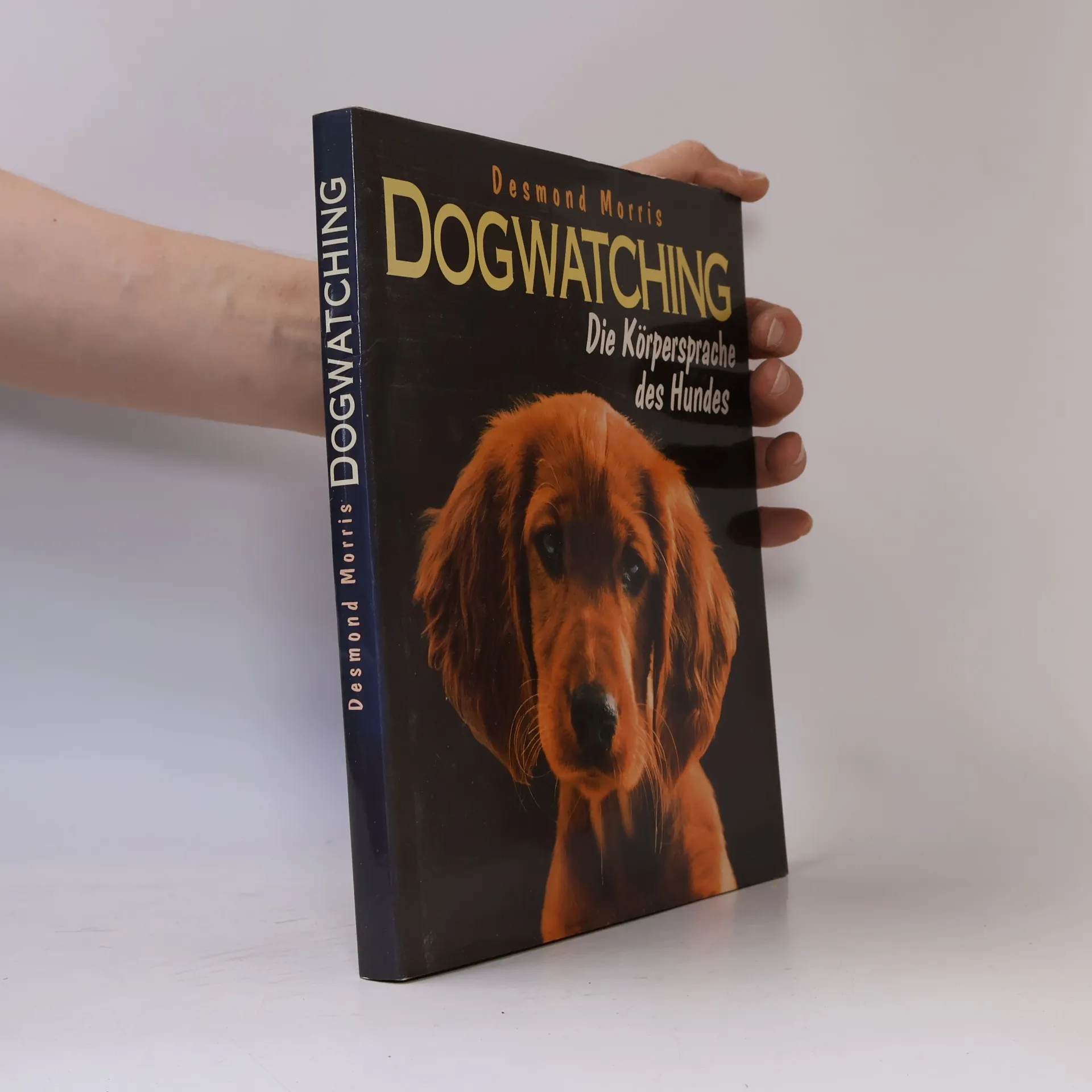
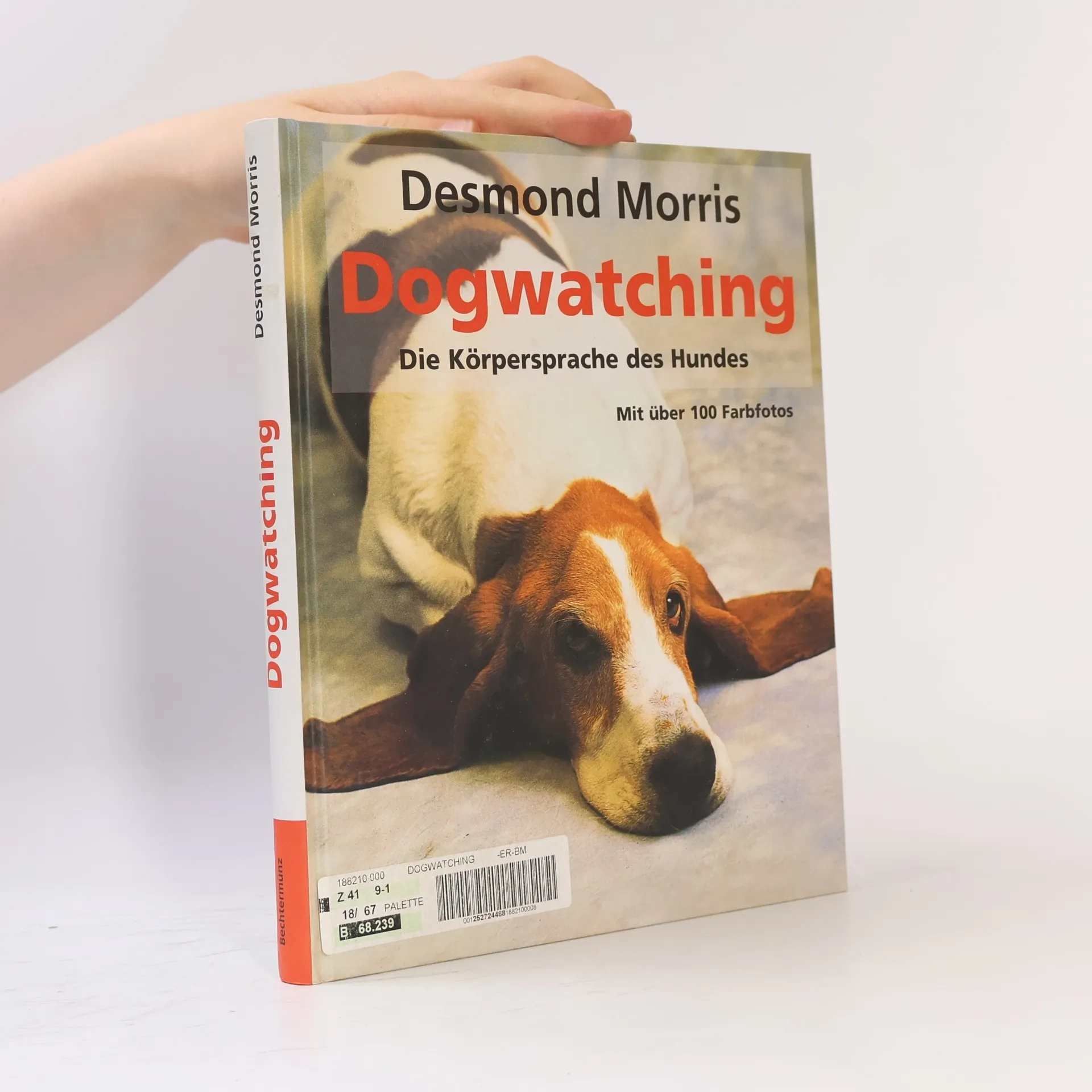
Mit seinen außergewöhnlich schönen Photos und aufschlussreichen Erläuterungen bringt der Bestsellerautor Desmond Morris in gewohnt unterhaltsamer Weise jedem Hundebesitzer seine vierbeinigen Lieblinge noch ein weiteres Stück näher.
'Liebevoll und kenntnisreich beschreibt Morris Hunde und ihr Verhalten. „Dogwatching“ ist ein Gewinn für jeden Hundefreund.' DIE WELT
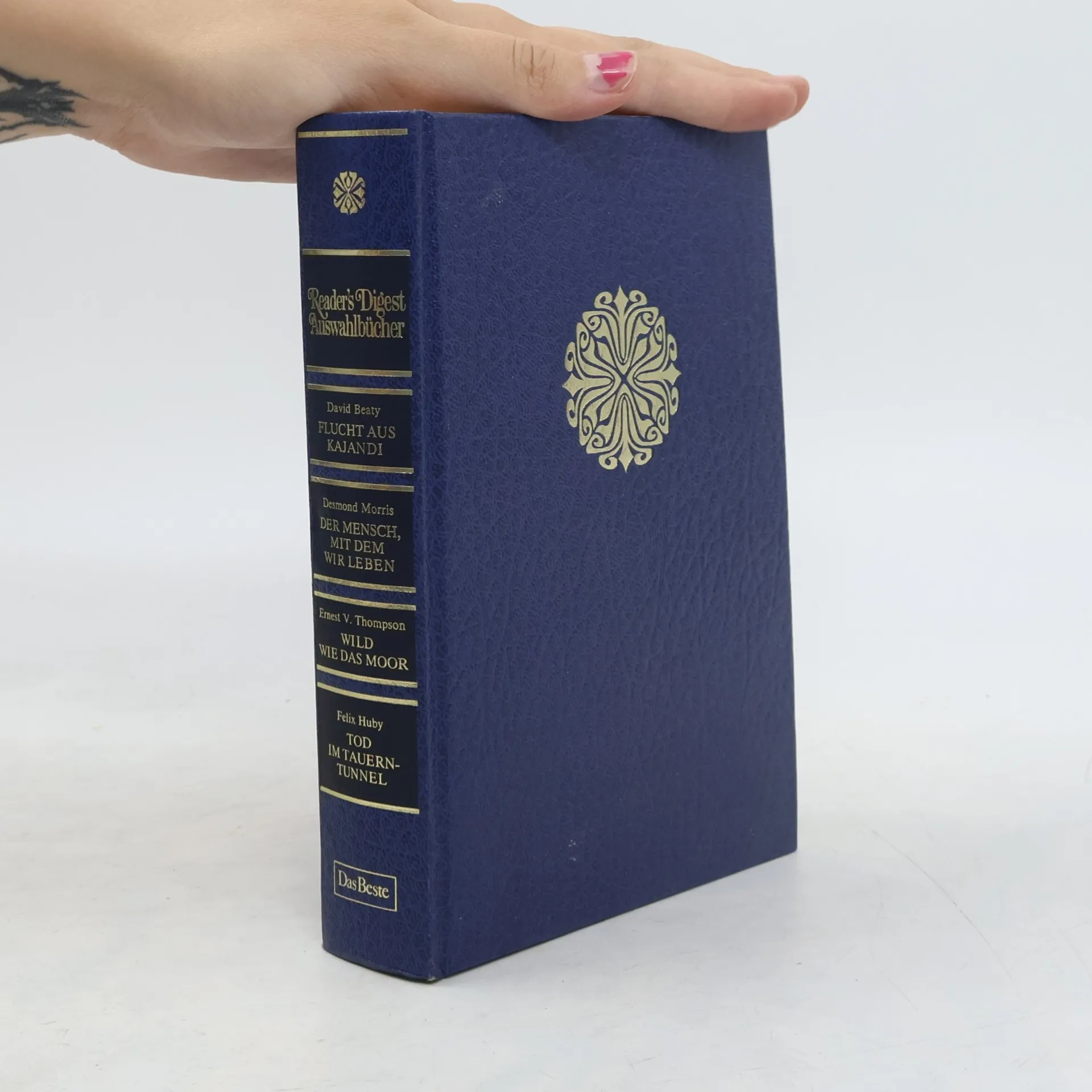
Flucht aus Kajandi/Der Mensch, mit dem wir leben/Wild wie das Moor/Tod im Tauerntunnel - bk675; Verlag "Das Beste"; David Beaty/Desmond Morris/Ernest V. Thompson/Felix Huby; Paperback; 1979
Peoplewatching ist der Höhepunkt einer Karriere, die dem Beobachten von Menschen gewidmet ist – ihrem Verhalten und ihren Gewohnheiten, ihren Persönlichkeiten und Eigenheiten. Desmond Morris zeigt uns, wie Menschen, bewusst und unbewusst, ihre Einstellungen, Wünsche und tiefsten Gefühle mit ihrem Körper und ihren Handlungen signalisieren, oft kraftvoller als mit Worten.
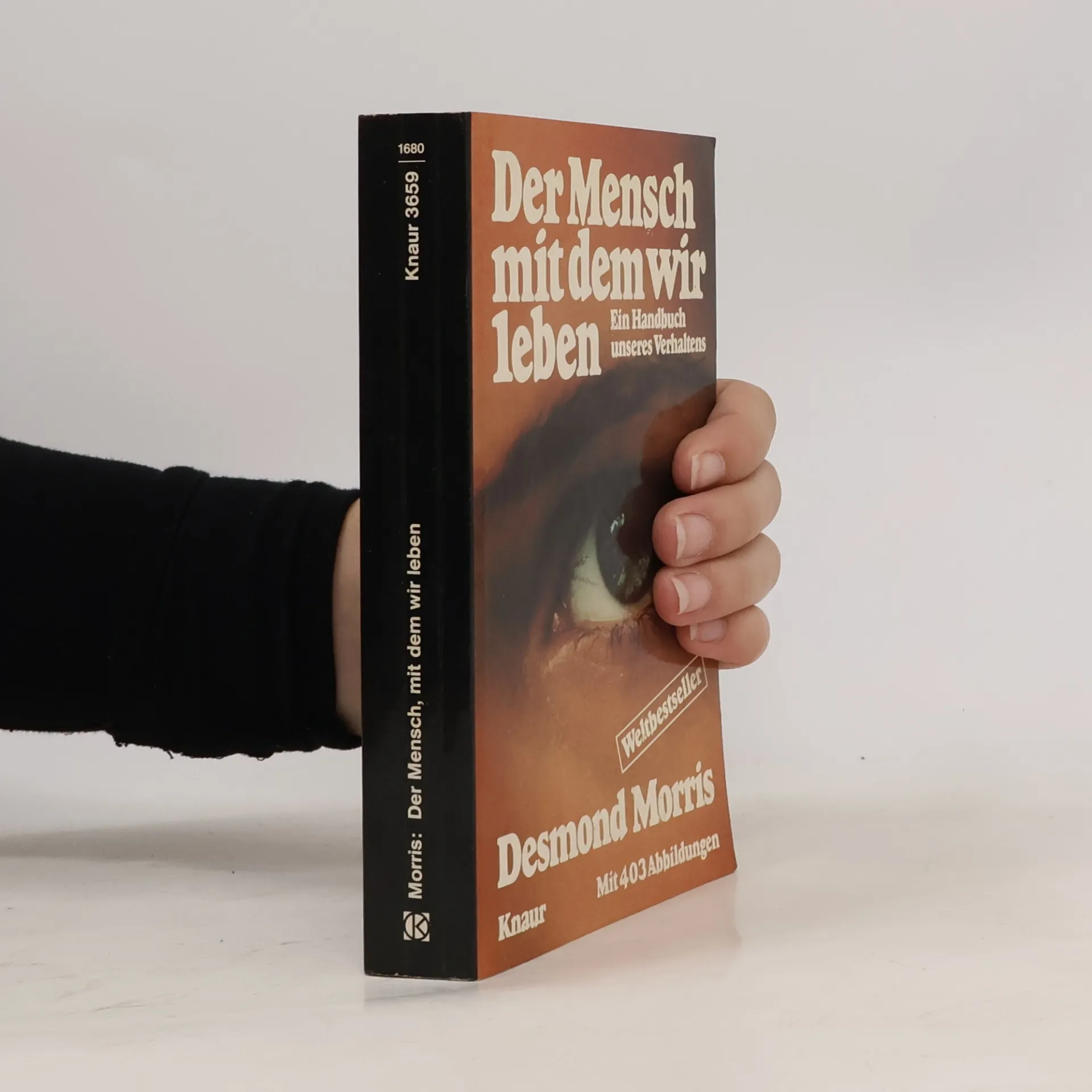
Die Menschen verständigen sich nicht nur mit Worten. Eine sehr alte und sehr wirkungsvolle Verständigungsmöglichkeit ist auch die Sprache der Handlungen, Gesten, Haltungen und Signale. Desmond Morris, dessen Weltbestseller \"Der nackte Affe\" eine begeisterte Leserschaft gefunden hat, faßt hier erstmals zusammen, was wir über die Sprache des menschlichen Verhaltens wissen. Wie wir beispielsweise unser Territorium markieren, unseren Rang in der Gesellschaft demonstrieren, unsere Gefühle bei Gefahr oder freudiger Erregung zeigen oder unmißverständlich sexuelle Bereitschaft signalisieren. Wer diese stummen und doch so beredten Signale genau kennt, versteht sich, seine Mitmenschen und seine Umwelt plötzlich sehr viel besser.
Desmond Morris (1928) is internationaal bekend als zoöloog, natuurhistoricus en observator van mens en dier. Het boek is een overzicht van de lange en veelzijdige carrière van Morris, waarin de meest uiteenlopende onderwerpen, variërend van schilderende chimpansees tot het bestuderen van 'pokerfaces' in Las Vegas, aan de orde komen. Met twee katernen foto's in kleur en zwart-wit en een register. Niet te verwarren met het gelijknamige boek van Morris uit 1978 over de betekenis van menselijke gedragingen!
Fünfundzwanzig Jahre nach seinem ersten Erscheinen ist "Intime Verhaltensweisen" nach wie vor eine der besten Chroniken menschlicher Intimität. Mit einem meisterhaften und unterhaltsamen Blick analysiert Desmond Morris die Wurzeln menschlicher Intimität, beginnend mit dem Handschlag bis hin zu den zwölf Phasen, die Menschen auf dem Weg zur totalen sexuellen Umarmung durchlaufen. Morris vertritt die Auffassung, dass die Monate vor und nach der Geburt entscheidend sind, um die Grundlagen der Intimität zu legen. Durch die liebevolle Zuwendung der Mutter lernt das Kind intime Gesten zu zeigen. Er argumentiert, dass erwachsene Menschen bestimmte Muster intimen Verhaltens befolgen, die auf diesen frühen Erfahrungen basieren. Neben sexueller Intimität behandelt Morris auch soziale Intimität, Ersatzintimitäten, Objektintimität und Selbstintimität. "Intime Verhaltensweisen" bietet einen provokativen Blick auf das menschliche Bedürfnis, zu berühren und berührt zu werden, zu lieben und geliebt zu werden. In entscheidenden Momenten kann eine sanfte Umarmung mehr bewirken als tausend ernsthafte Diskussionen.
Kultovní kniha – V tomto světovém bestselleru vykládá výtečný britský zoolog o člověku ve spojitosti se zvířecí říší a nachází zde zdroje a zárodky jeho dosavadních reakcí a mechanismů chování, neboť se soustředuje „na ony aspekty našeho života, které mají zřejmou obdobu u jiných druhů zvířat“. Všímá si původu lidské bytosti („nahé opice“) a sleduje ji v oblasti pohlaví, výchovy, zkoumání, agrese, výživy a potřeby upravovat zevnějšek i celou konstituci; pozoruje také její vztah k ostatním živočichům. Kniha je výzvou k tomu, aby si lidé hlouběji uvědomili svou sounáležitost s přírodou.