

Focusing on the Mediterranean economy from the 10th to 12th centuries, this book challenges traditional views of medieval economic systems. Chris Wickham utilizes documentary and archaeological evidence to provide an in-depth analysis of individual economies and their interconnections. The work encourages readers to reconsider the complexities and dynamics of economic relationships during this period, offering fresh insights into historical economic practices.
Chris Wickham Reihenfolge der Bücher (Chronologisch)
18. Mai 1950
Chris Wickham ist Chichele Professor für mittelalterliche Geschichte. Seine Arbeit befasst sich eingehend mit dem komplexen sozialen und wirtschaftlichen Gefüge des mittelalterlichen Zeitraums und untersucht Machtdynamiken, gesellschaftliche Strukturen und das tägliche Leben seiner Bewohner. Durch strenge Analyse von Primärquellen rekonstruiert er komplexe historische Prozesse und bietet ein nuanciertes Verständnis dafür, wie mittelalterliche Gesellschaften funktionierten und sich entwickelten. Wickhams Gelehrsamkeit zeichnet sich durch Tiefe, Klarheit und die Fähigkeit aus, die grundlegenden Kräfte zu beleuchten, die die mittelalterliche Welt geprägt haben.


Medieval Rome
- 536 Seiten
- 19 Lesestunden
A new history of medieval Rome, told not from the standpoint of the Church, but of the Romans themselves. This volume examines Rome's cultural, political, religious, legal, and social identity to discover how the city functioned between 900 and 1150.
Angielski historyk, podejmując się zadania napisania książki na temat Rzymu w dobie między innymi rewolucji gregoriańskiej, przestudiował ogromną ilość źr�deł archiwalnych zgromadzonych w r�żnych włoskich archiwach, takich jak na przykład Biblioteca Apostolica Vaticana, Archivio Segreto Vaticano czy Archivio Storico Capitolino. W tym celu odbył około stu wizyt na P�łwyspie Apenińskim w ciągu dwudziestu lat.
Das Mittelalter
Europa von 500 bis 1500
Chris Wickham bietet eine präzise und grandiose Darstellung des europäischen Mittelalters, einer der bedeutendsten Epochen der Weltgeschichte. Diese 1000-jährige Periode, die den Zusammenbruch des weströmischen Reichs bis zur Reformation umfasst, war geprägt von gewaltigen Umwälzungen. Wickham beschreibt das Mittelalter als eine Zeit des Tatendrangs und tiefgreifenden Wandels. Er erklärt klar die wichtigsten Veränderungen in den einzelnen Jahrhunderten, darunter zentrale Krisen und Ereignisse wie den Untergang des weströmischen Reichs, die Reformen Karls des Großen, die feudale Revolution, die Zerstörung des byzantinischen Reichs und die verheerende Pest. Mit erhellenden Momentaufnahmen zeigt Wickham, wie sich die sich wandelnden sozialen, ökonomischen und politischen Umstände auf das Alltagsleben der Menschen und internationale Ereignisse auswirkten. Der Autor bietet eine neue Interpretation des Mittelalters und eine provokative These darüber, wie und warum diese Epoche bis in die Gegenwart hineinwirkt. Diese fesselnde Darstellung ist ein intellektuelles Abenteuer und zeigt auf, dass das Mittelalter für das 21. Jahrhundert von großer Bedeutung ist.
Sleepwalking into a New World
- 320 Seiten
- 12 Lesestunden
Amid the disintegration of the Kingdom of Italy in the eleventh and twelfth centuries, a new form of collective government—the commune—emerged in northern and central Italian cities. This work offers a fresh perspective on the origins of these autonomous city-states, reshaping our understanding of a pivotal political and cultural innovation of the medieval era. The author presents detailed portraits of Milan, Pisa, and Rome, set against a backdrop of other towns, arguing that the elites in these cities inadvertently created one of the first nonmonarchical forms of governance in medieval Europe. While not a democracy in the modern sense, the Italian city commune was so unprecedented that it baffled outsiders. As the old order collapsed, these communes arose, governed by consular elites "chosen by the people," independent of emperor or king. Despite frequent conflicts among themselves, they became organized and confident enough to unite against Frederick Barbarossa, the German emperor, achieving victory at the Battle of Legnano in 1176. This exploration reveals how the rise of the autonomous city-state laid the groundwork for the vibrant civic culture that would characterize the Renaissance.
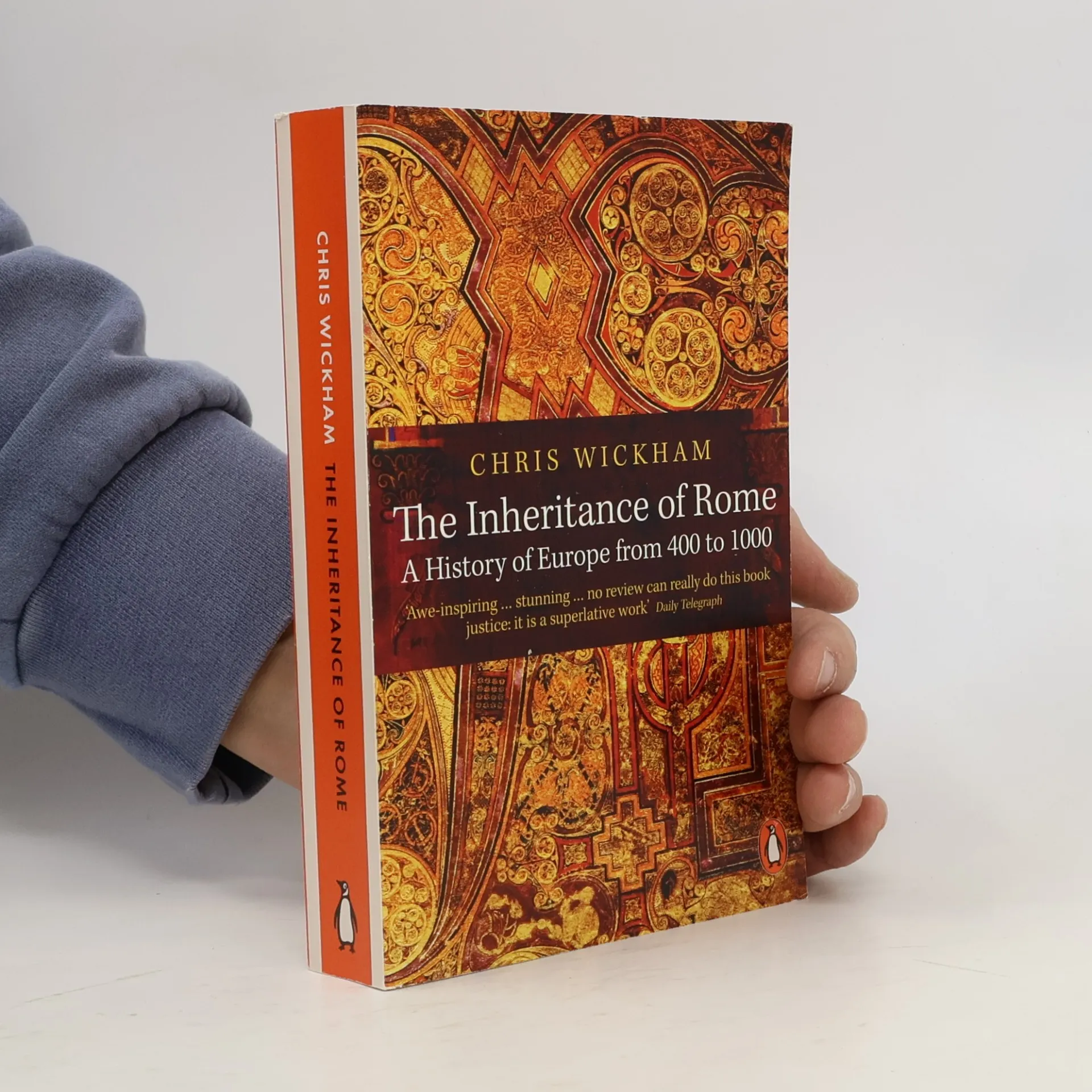
The Inheritance of Rome : A History of Europe from 400 to 1000
- 688 Seiten
- 25 Lesestunden
The world known as the 'Dark Ages', often seen as a time of barbarism, was in fact the crucible in which modern Europe would be created. This book shows how this period, encompassing peoples such as Goths, Franks, Vandals, Byzantines, Arabs, Anglo-Saxons and Vikings, was central to the development of our history and culture.