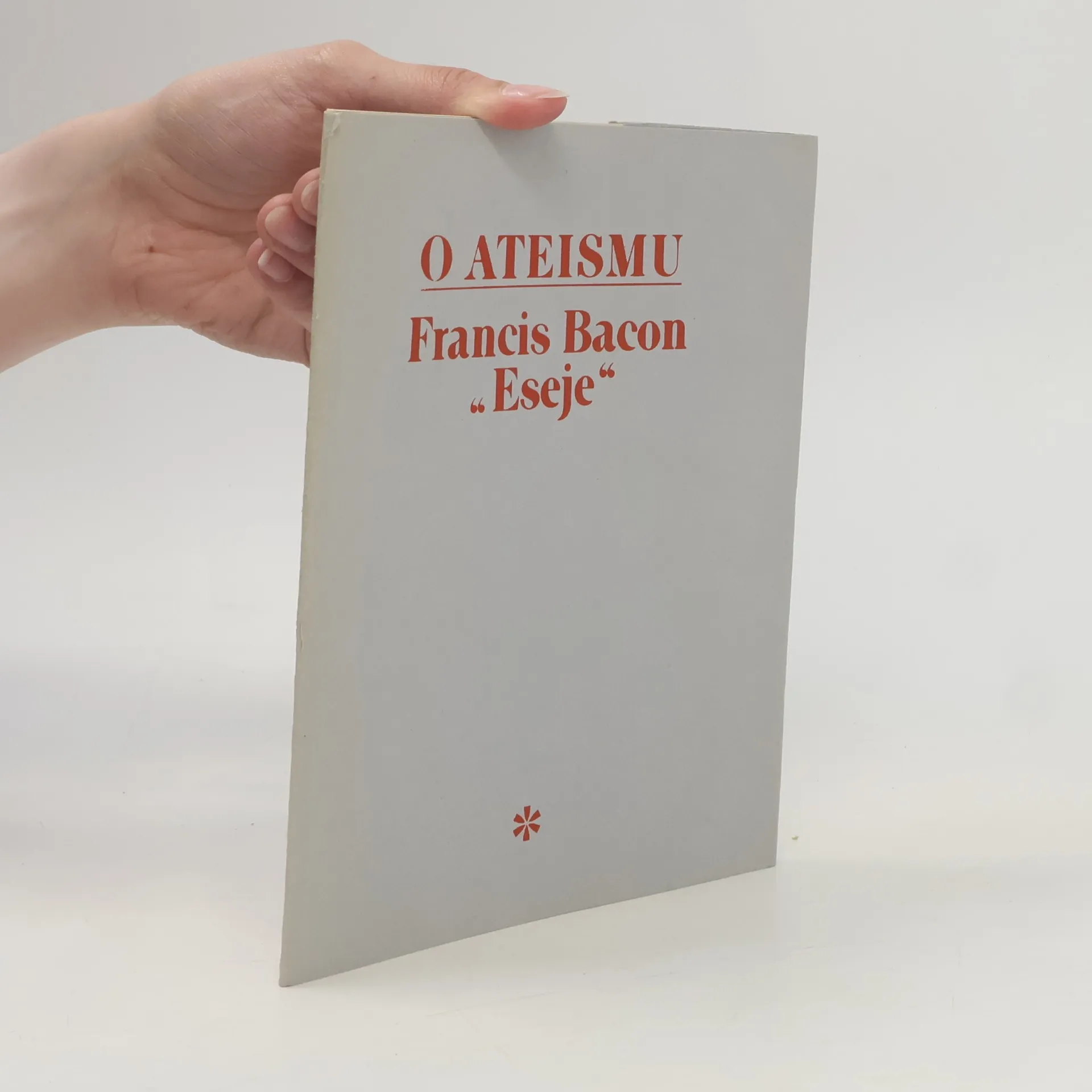
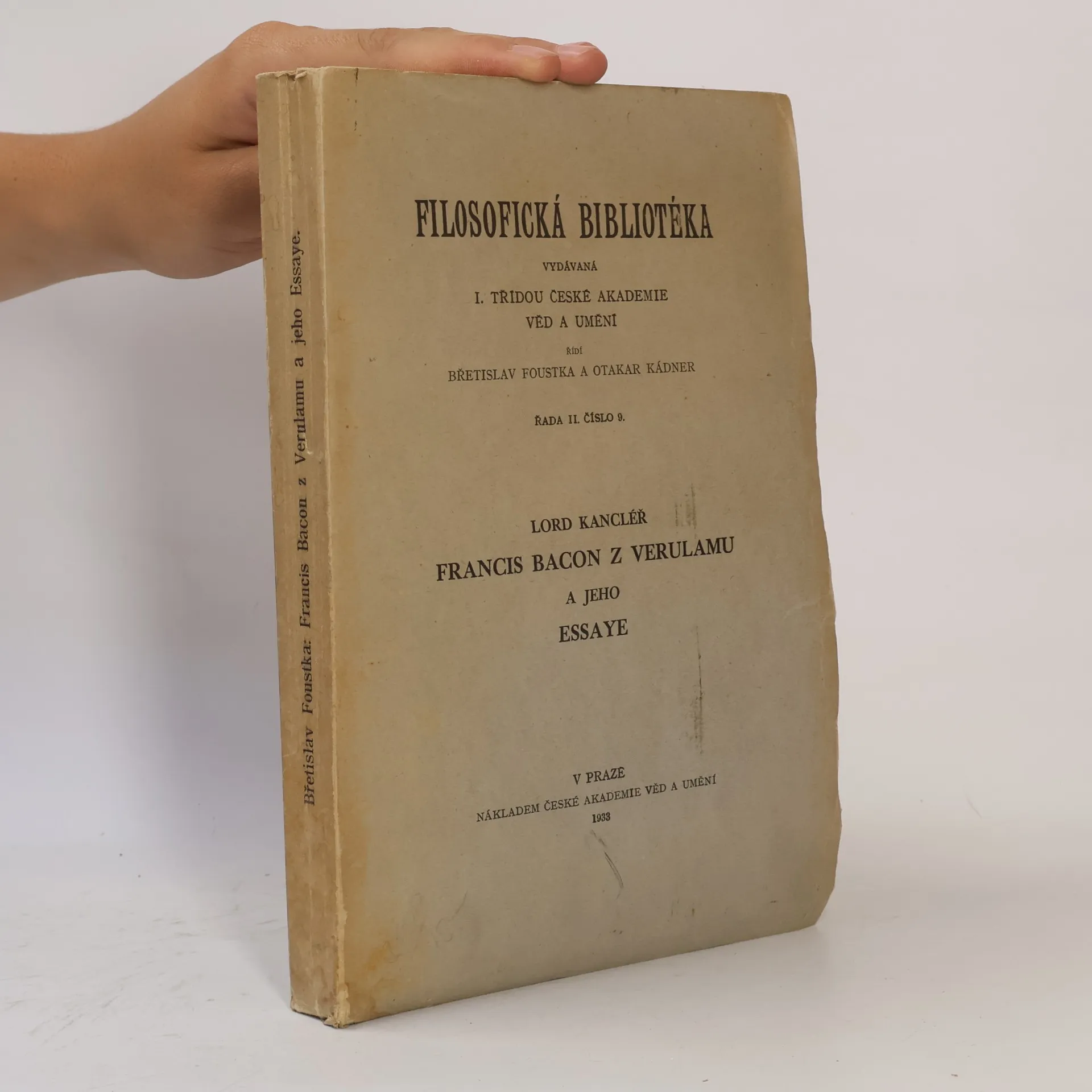
Das Inhaltsverzeichnis umfasst eine Vielzahl von Themen, die sich mit grundlegenden Aspekten des menschlichen Lebens und der Gesellschaft befassen. Es beginnt mit Überlegungen zur Wahrheit und dem Tod, gefolgt von der Einigkeit in der Religion und der Rache. Weitere Themen sind das Unglück, Verstellung und Heuchelei, sowie die Beziehung zwischen Eltern und Kindern. Die Ehe und Ehelosigkeit werden ebenso behandelt wie Neid und Liebe. Es folgen tiefgehende Analysen zur hohen Stellung, Dreistigkeit, Güte und Gutmütigkeit, sowie dem Adel. Auch Aufstände, öffentliche Unruhen und Atheismus finden Erwähnung, gefolgt von Aberglauben und dem Reisen. Der Umgang mit Macht, Beratung und Aufschub wird thematisiert, ebenso wie Verschlagenheit, Eigennützigkeit und Neuerungen. Das Buch behandelt auch die Beschleunigung von Geschäften, das Scheinbild von Klugheit, Freundschaft und Geldausgeben. Es reflektiert über die wahre Größe von Königreichen, Gesundheitspflege, Argwohn und Unterhaltung. Zudem werden Kolonien, Reichtum, Weissagungen, Ehrgeiz, Maskenspiele und die natürliche Veranlagung des Menschen erörtert. Gewohnheit, Erziehung, Glück, Wucher, Jugend und Alter, Schönheit, körperliche Fehler, Bauen, Gärten, Verhandlungen, Anhänger, Freunde, Bittsteller, Studieren, Parteien, Höflichkeit, Anstand, Lob, Prahlerei, Ehre, Ruhm, Richteramt, Zorn und die Wandelbarkeit der Dinge sind ebenfalls Gegenstand der Betrachtung. Ein Bruchstück eines
Francis Bacon Bücher

![Painting 1946 [nineteen hundred and forty-six]](https://rezised-images.knhbt.cz/1920x1920/63324082.webp)

Neues Organon
- 320 Seiten
- 12 Lesestunden
Francis Bacon: Neues Organon. Große Erneuerung der Wissenschaften Lesefreundlicher Großdruck in 16-pt-Schrift Großformat, 210 x 297 mm Berliner Ausgabe, 2020 Durchgesehener Neusatz mit einer Biographie des Autors bearbeitet und eingerichtet von Theodor Borken Von der ursprünglich auf sechs Teile geplanten Abhandlung hat Bacon nur den ersten und größere Abschnitte des zweiten und dritten Teils publiziert. Als erstes erschienen die zwei Bücher des zweiten Teils unter dem Titel Instauratio Magna. Novum Organum, sive Indicia vera de interpretatione naturae, London 1620. Die erste deutsche Übersetzung durch G. W. Bartoldy erschien unter dem Titel Neues Organon, Berlin 1793. Der Text folgt der Übersetzung durch Julius Heinrich von Kirchmann von 1870. Textgrundlage ist die Ausgabe: Franz Bacon's Neues Organon. Übersetzt, erläutert und mit einer Lebensbeschreibung des Verfassers versehen von J. H. von Kirchmann, Berlin: L. Heimann, 1870 (Philosophische Bibliothek, Bd. 32). Die Paginierung obiger Ausgabe wird in dieser Neuausgabe als Marginalie zeilengenau mitgeführt. Dieses Buch folgt in Rechtschreibung und Zeichensetzung obiger Textgrundlage. Umschlaggestaltung von Thomas Schultz-Overhage. Gesetzt aus der Minion Pro, 16 pt. Henricus Edition Deutsche Klassik UG (haftungsbeschränkt)
Neu-Atlantis
- 79 Seiten
- 3 Lesestunden
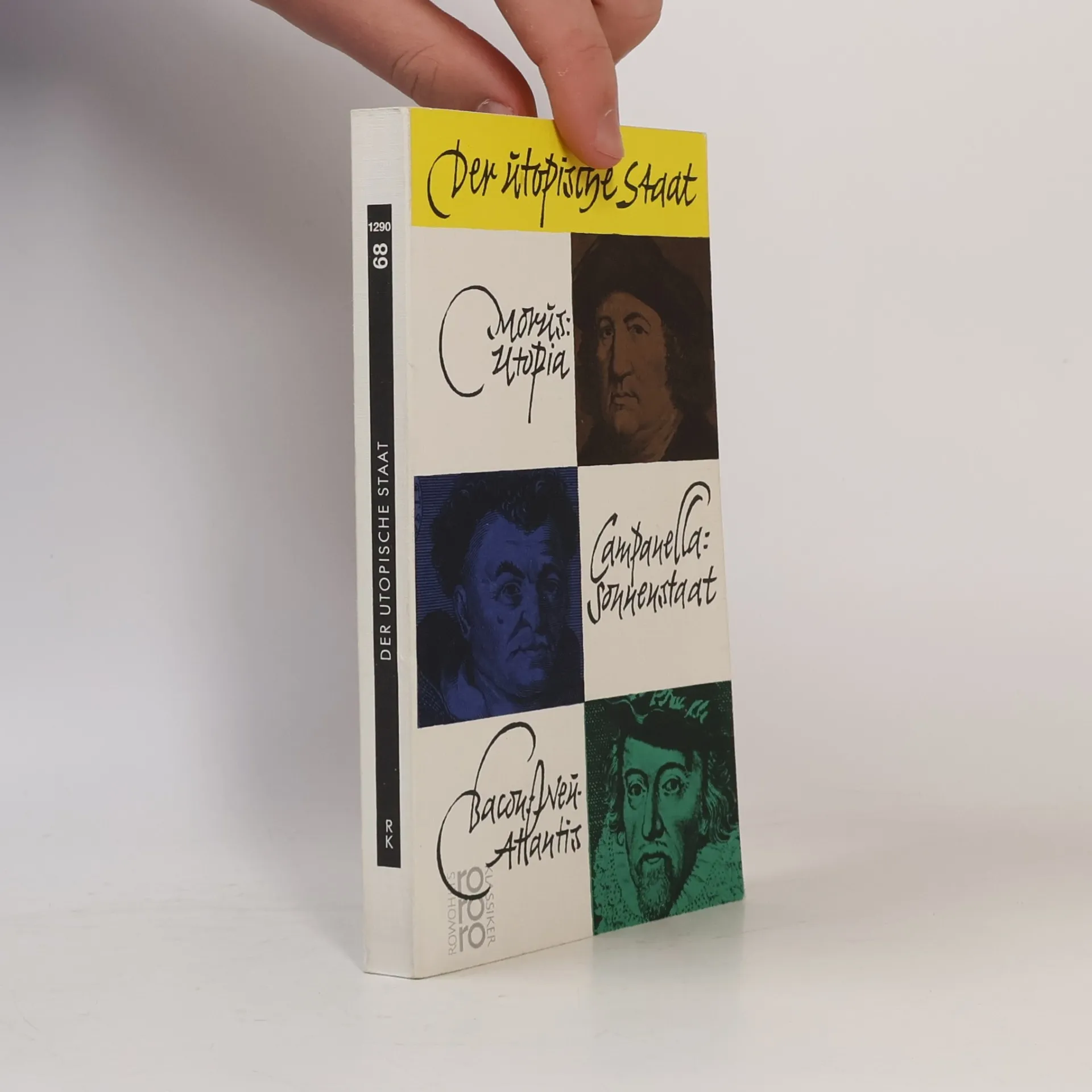
Bacons »Neu-Atlantis« aus dem Jahre 1624 gehört mit Morus' »Utopia« und Campanellas »Sonnenstaat« zu den berühmten Utopien der Renaissance. Diese Schrift dokumentiert in narrativer Form vorzüglich das Wissenschaftsprogramm des Autors und seine Vorstellungen von einer möglichen zukünftigen Welt.
(Zu dem Werke über die beste Staatsverfassung) Ich schäme mich beinahe, liebster Petrus Ägidius, Dir dieses Büchlein über den Staat von Utopia erst nach fast einem Jahre zuzusenden, das Du zweifellos schon nach sechs Monaten erwartet hast, da du ja wußtest, daß in diesem Werke die Mühe des Erfindens für mich wegfiel und ich auch über die Einteilung nicht nachzudenken, sondern nur das wiederzugeben brauchte, was ich mit Dir zusammen genauso wie Du den Raphael erzählen hörte.
Das Werk von Francis Bacon präsentiert eine grundlegende Erneuerung der wissenschaftlichen Methodik und des Denkens. Bacon kritisiert die traditionellen Ansätze der Philosophie und fordert eine empirische Herangehensweise, die auf Beobachtung und Experiment basiert. Er legt die Prinzipien des induktiven Schließens dar und betont die Bedeutung der praktischen Anwendung von Wissen. Durch seine Ideen wird ein wichtiger Grundstein für die moderne Wissenschaft gelegt, der die Entwicklung der Naturwissenschaften maßgeblich beeinflusst hat.
Dieses Buch behandelt die Figur der Kassandra, die laut den Dichtern von Apollon geliebt wurde. Während sie die Wünsche dieses Gottes abwehrte, nährte sie dennoch seine Hoffnungen, bis sie ihm das Geschenk der Weissagung (die Fähigkeit, die Zukunft vorherzusagen) entlockte. Doch sobald sie im Besitz dessen war, was sie durch diese lange Täuschung erlangen wollte, wies sie all seine Gebete zurück und wies ihn offen zurück.
Kleinere Schriften
- 320 Seiten
- 12 Lesestunden
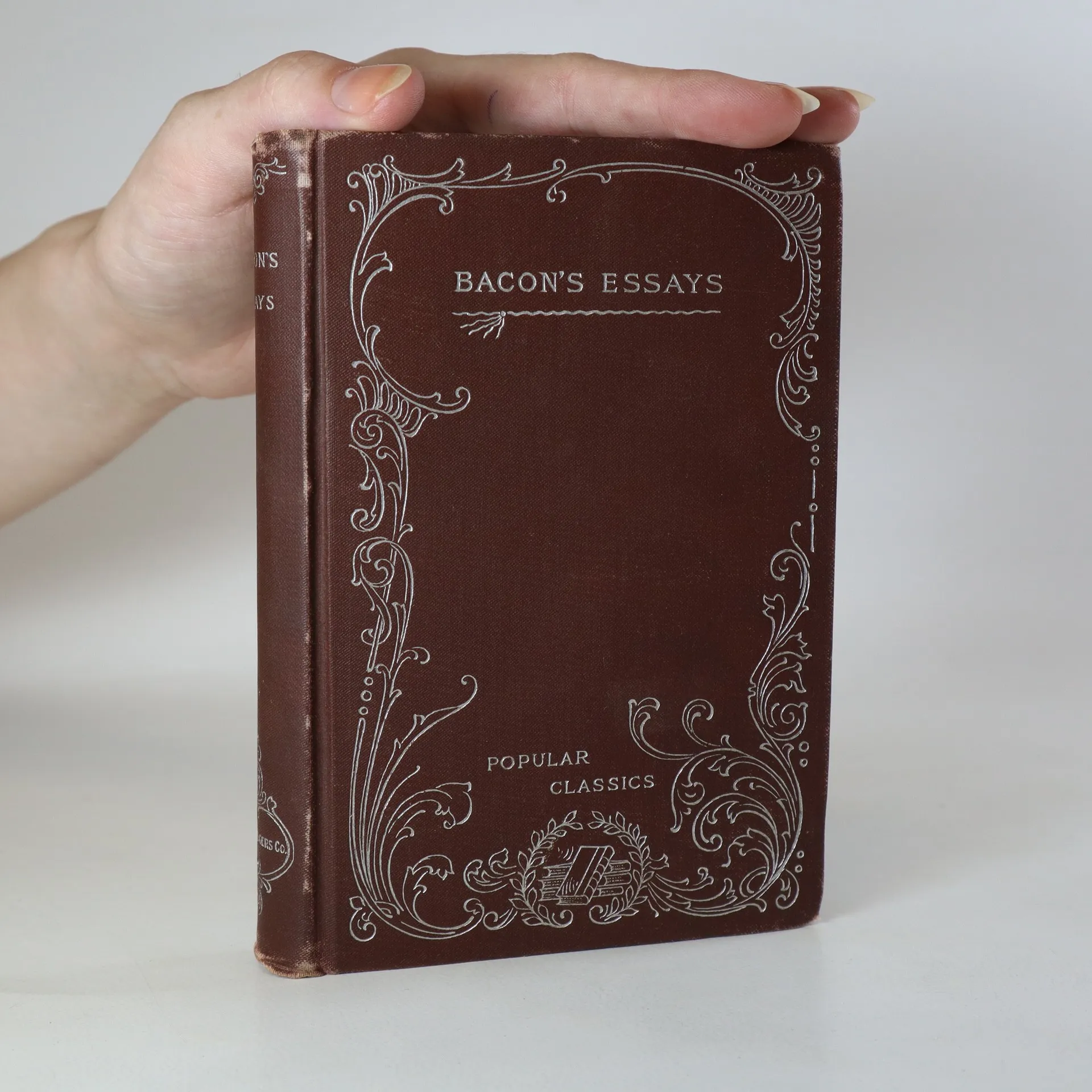
Francis Bacon, ein bedeutender englischer Philosoph und Staatsmann, prägte die wissenschaftliche Methodik und warnte vor der Zersplitterung des Christentums. Dieses Werk umfasst seine einundfünfzig Essays, die "Weisheit der Alten" mit neu erzählten Fabeln und "Apophthegmata", eine Sammlung von Anekdoten zu verschiedenen Themen.
Über die Dreistigkeit, über den Argwohn und über die Prahlerei. Die gesammelten Essays
- 240 Seiten
- 9 Lesestunden
Francis Bacon
- 60 Seiten
- 3 Lesestunden
Dies ist eine umfangreiche Auswahl von Bacons englischen Schriften. Sie umfasst alle wichtigen literarischen Werke, auf denen sein Ruf basiert – die Advancement of Learning, die Essays (in ihren ersten und letzten Versionen) und die New Atlantis. Außerdem sind sechzehn weitere Werke enthalten, die seit über einem Jahrhundert nicht mehr nachgedruckt wurden und Bacons bemerkenswerte Fähigkeiten in Politik, Recht, Theologie und Poesie zeigen. Die Auswahlen sind detaillierter annotiert als in jeder anderen Ausgabe, mit besonderem Schwerpunkt auf der Erklärung von Bacons Sprache.
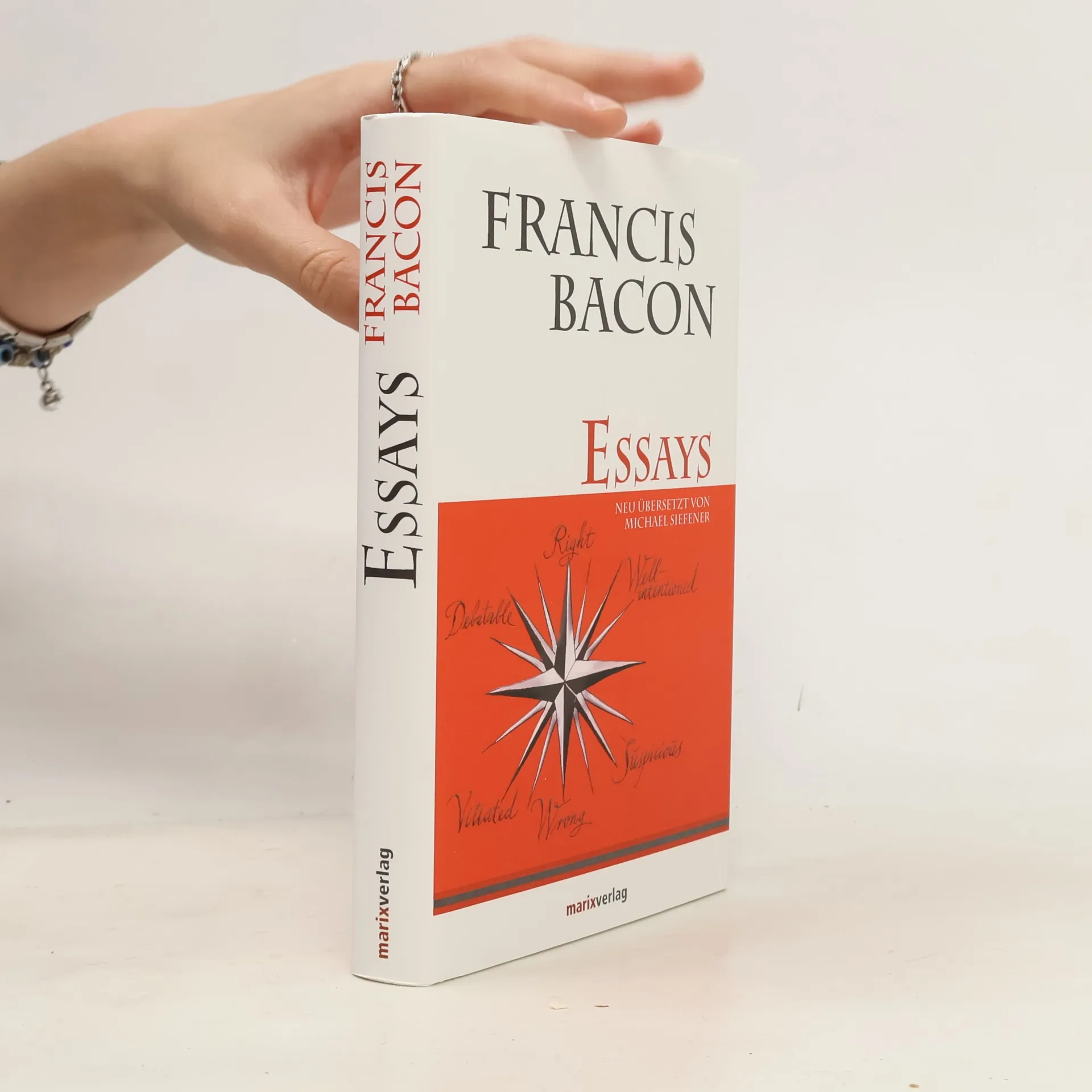
Warum haben unverheiratete Männer einen größeren gesellschaftlichen Nutzen als verheiratete? Welche Vorteile bieten Verstellung und Heuchelei? Warum faszinieren uns Liebe und Neid mehr als alle anderen Empfindungen? Diese und viele weitere moralphilosophische Fragen sind auch knapp 400 Jahre nach Bacon’s Tod brandaktuell. Selten werden sie jedoch mit einer so entwaffnenden psychologischen Schärfe und einer ähnlich raffinierten Metaphorik diskutiert wie in dieser Essay-Sammlung.
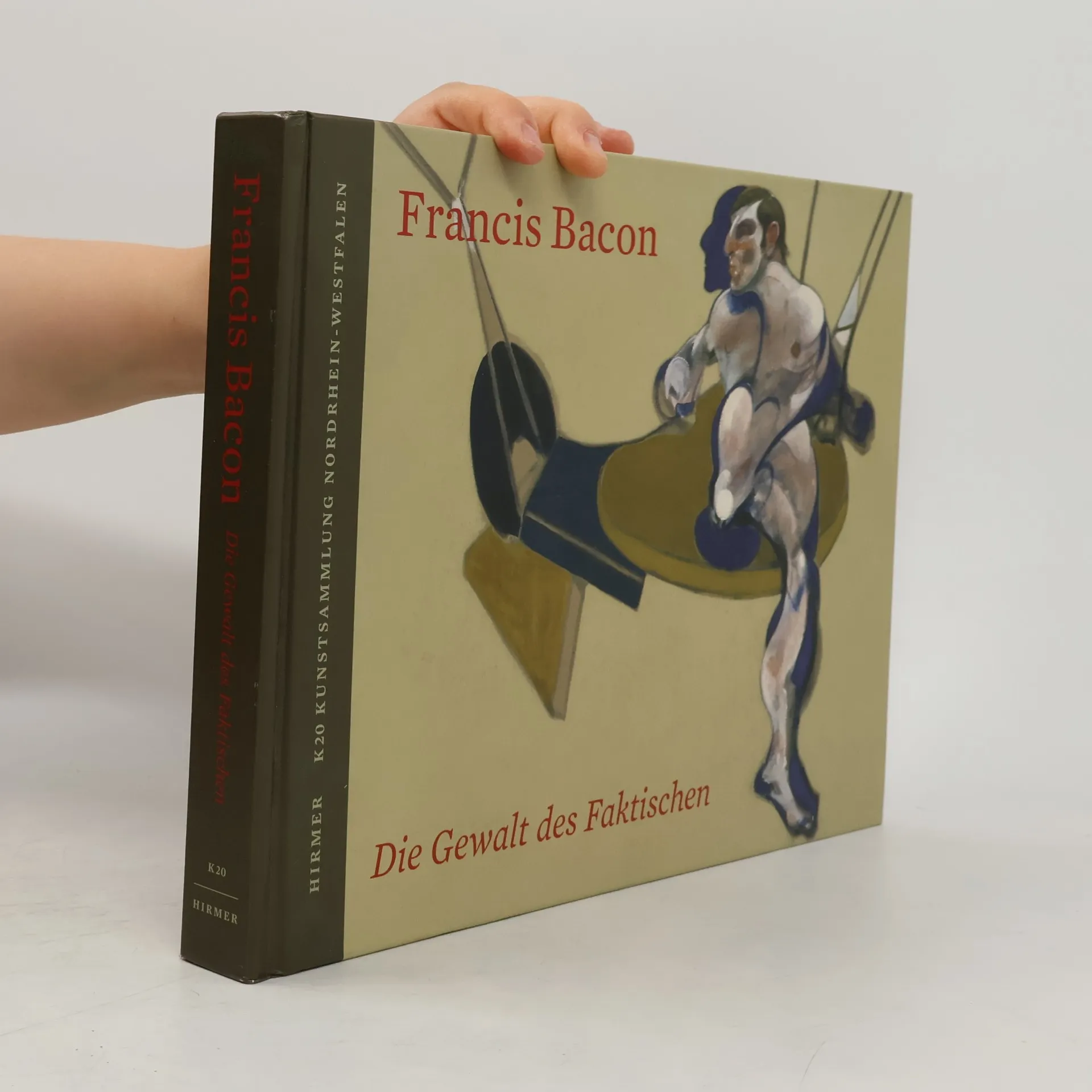
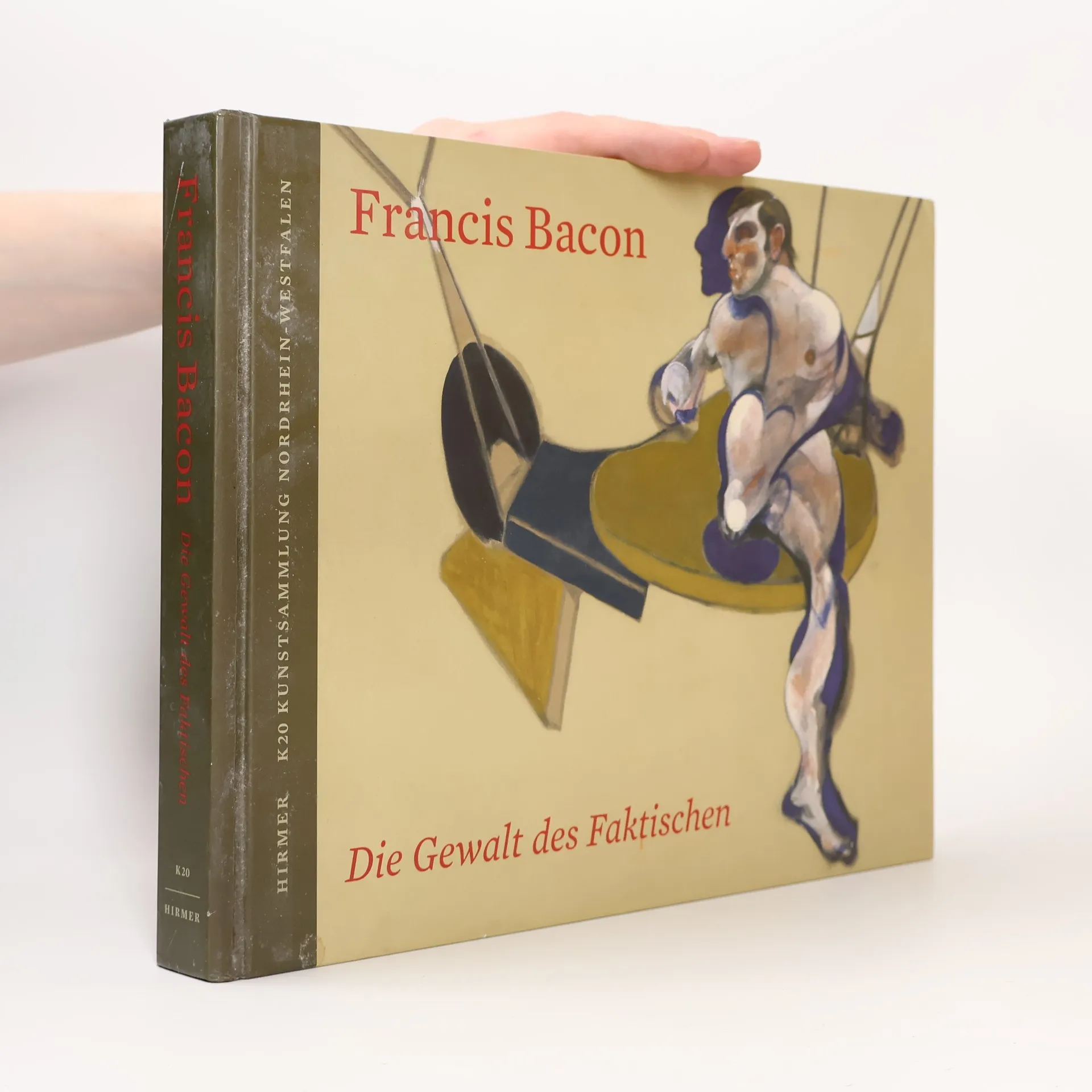
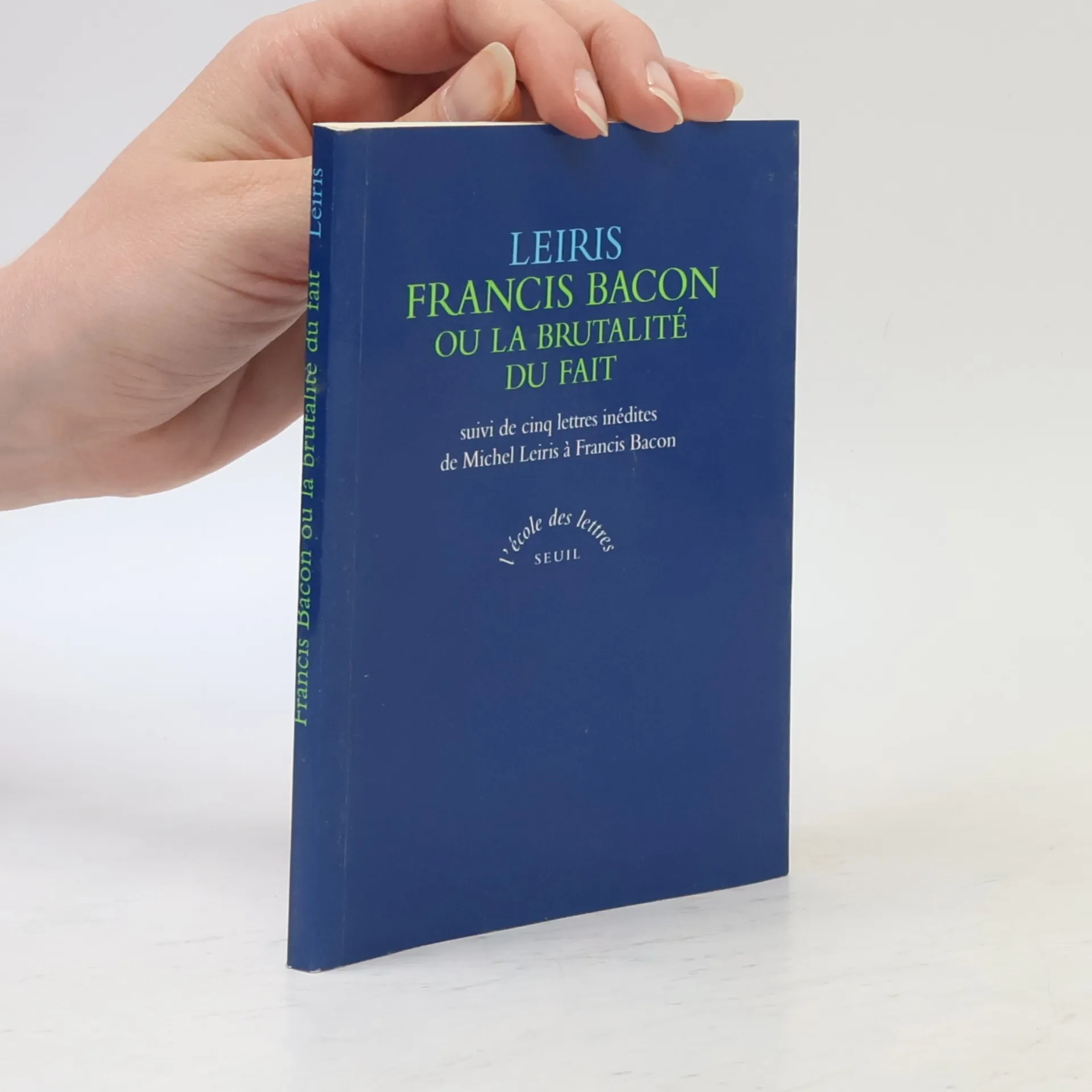
K20 Kunstsammlung Nordrhein-Westfalen: Francis Bacon
Die Gewalt des Faktischen
- 254 Seiten
- 9 Lesestunden
Rare Book
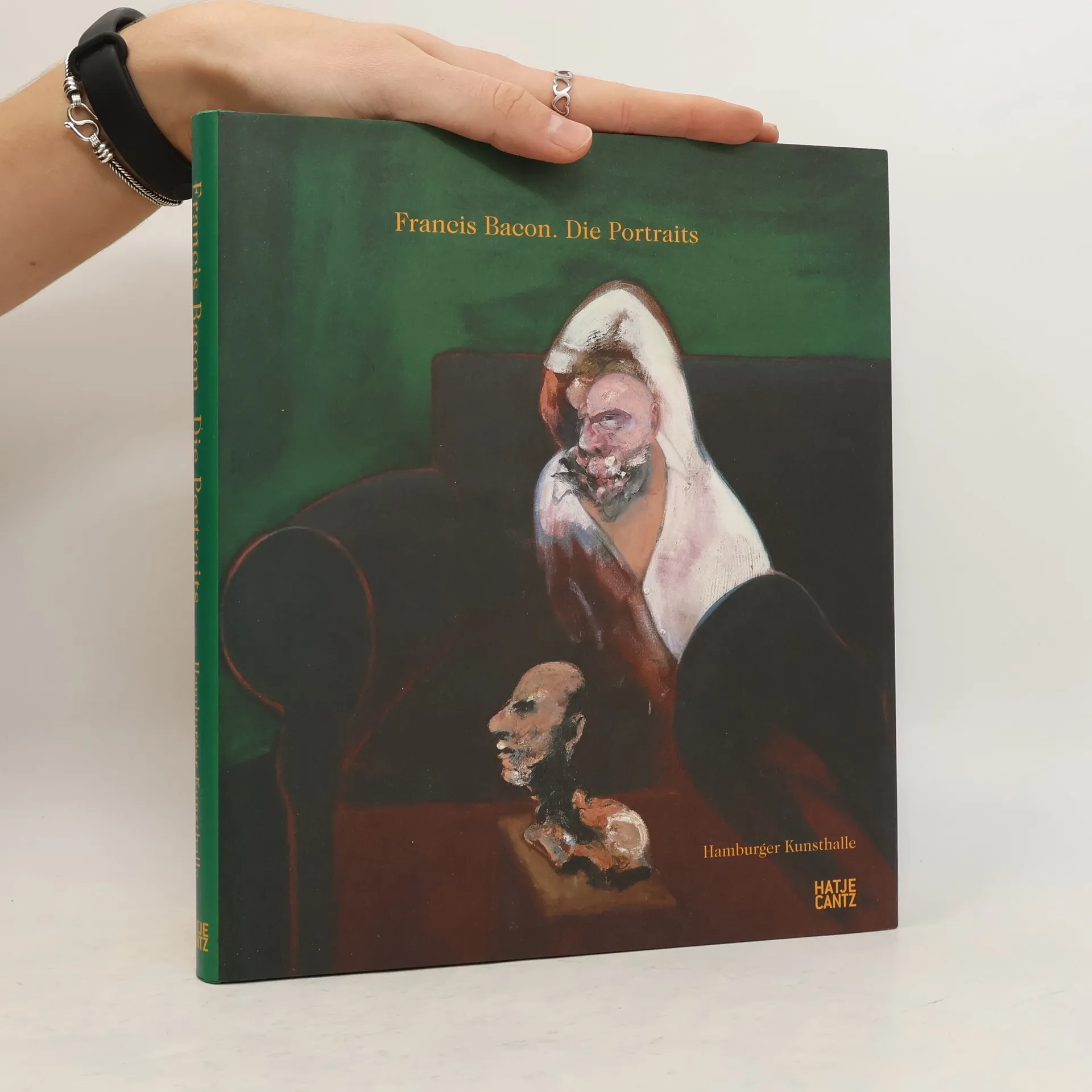
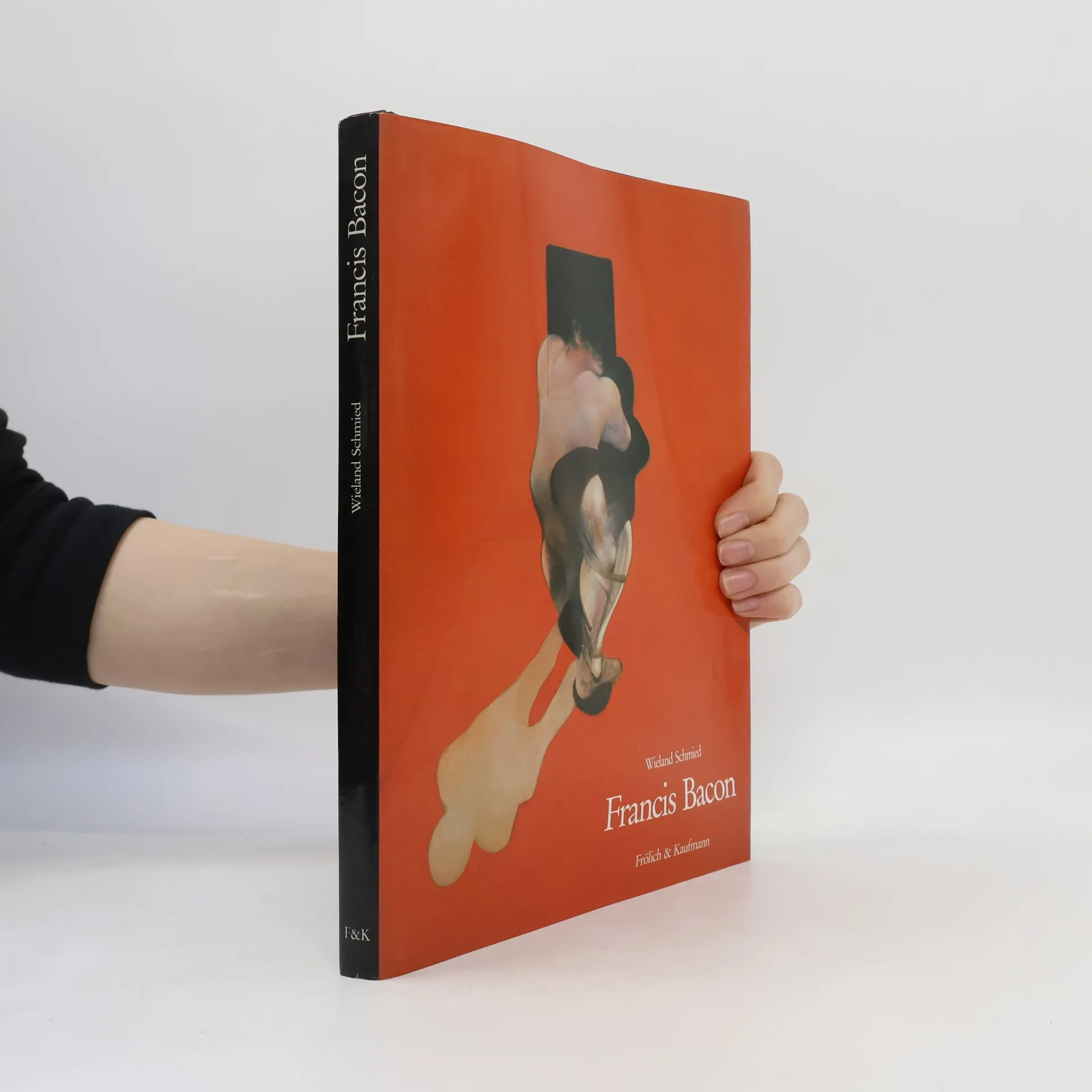
Francis Bacon, die Portraits: Katalog zur Ausstellung in der Hamburger Kunsthalle, 2005/2006
- 156 Seiten
- 6 Lesestunden
Der moderne Mensch - in seiner existenziellen Zerrissenheit, seiner sozialen Vereinsamung und seiner kreatürlichen Rohheit - steht im Mittelpunkt des malerischen Schaffens von Francis Bacon (1910-1992). Von besonderer Bedeutung sind hierbei die Porträts des Künstlers: die dynamisch aufgebrochenen Selbstbildnisse ebenso wie die von fast brutaler Leidenschaftlichkeit getriebenen Darstellungen seiner Freunde und Künstlerkollegen. Zwischen Abbildung der Natur und surrealistischer Verfremdung entstand so eine einzigartige Galerie des Menschen im Jahrhundert der Moderne. Die Publikation widmet sich erstmals in großer Ausführlichkeit diesem Aspekt im Werk des bedeutendsten englischen Malers des 20. Jahrhunderts und verfolgt die Geschichte seiner Modelle sowie deren ganz unterschiedlichen Beziehungen zum Künstler. Nicht zuletzt werden die von ihm angewandten Verfremdungsverfahren beleuchtet, die jene eindringlich beklemmende Aura schaffen, durch die sich seine Porträts auszeichnen. Ausstellung: Hamburger Kunsthalle 14.10.2005-15.1.2006
Neues Organ der Wissenschaften
- 242 Seiten
- 9 Lesestunden
Francis Bacon's Studio
- 239 Seiten
- 9 Lesestunden
Francis Bacon (1909-1992) is regarded as one of the most important post-war painters, and his work is represented in major public collections worldwide. This is the first in-depth study of the rich contents of Bacon's studio in South Kensington, London, in which he worked from 1961 until his death. The studio contents totalled 7500 objects, including photographs, books and works on paper; together they offer unprecedented insights into the source materials and working methods of one of the giants of modern art.
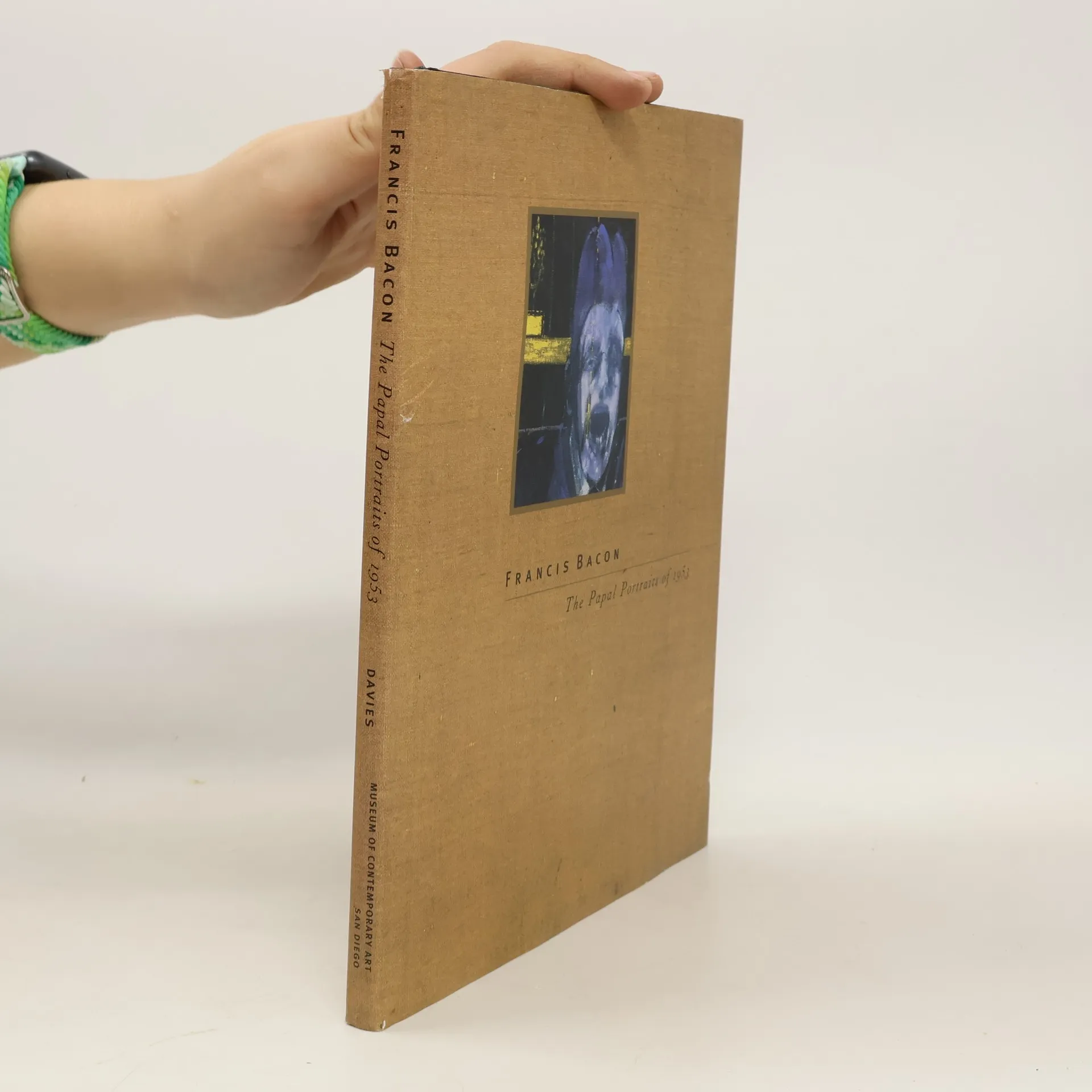
The Papal Portraits of 1953
- 80 Seiten
- 3 Lesestunden
Francis Bacon: The Papal Portraits of 1953 explores the largest series of paintings made by the British artist Francis Bacon. For the first time, this book collects all eight Study for Portrait paintings, the famous "Study after Velazquez's Portrait of Pope Innocent X" from 1953 and several other works from the period. An essay by Hugh M. Davies, who has written extensively about Bacon, discusses his influences and sources of imagery for this body of work. Also included is a previously unpublished interview with Bacon that Davies conducted more than 25 years ago. Rounded out with a chronology and selected bibliography, Papal Portraits is a major document for the study of this vital and influential twentieth-century master.
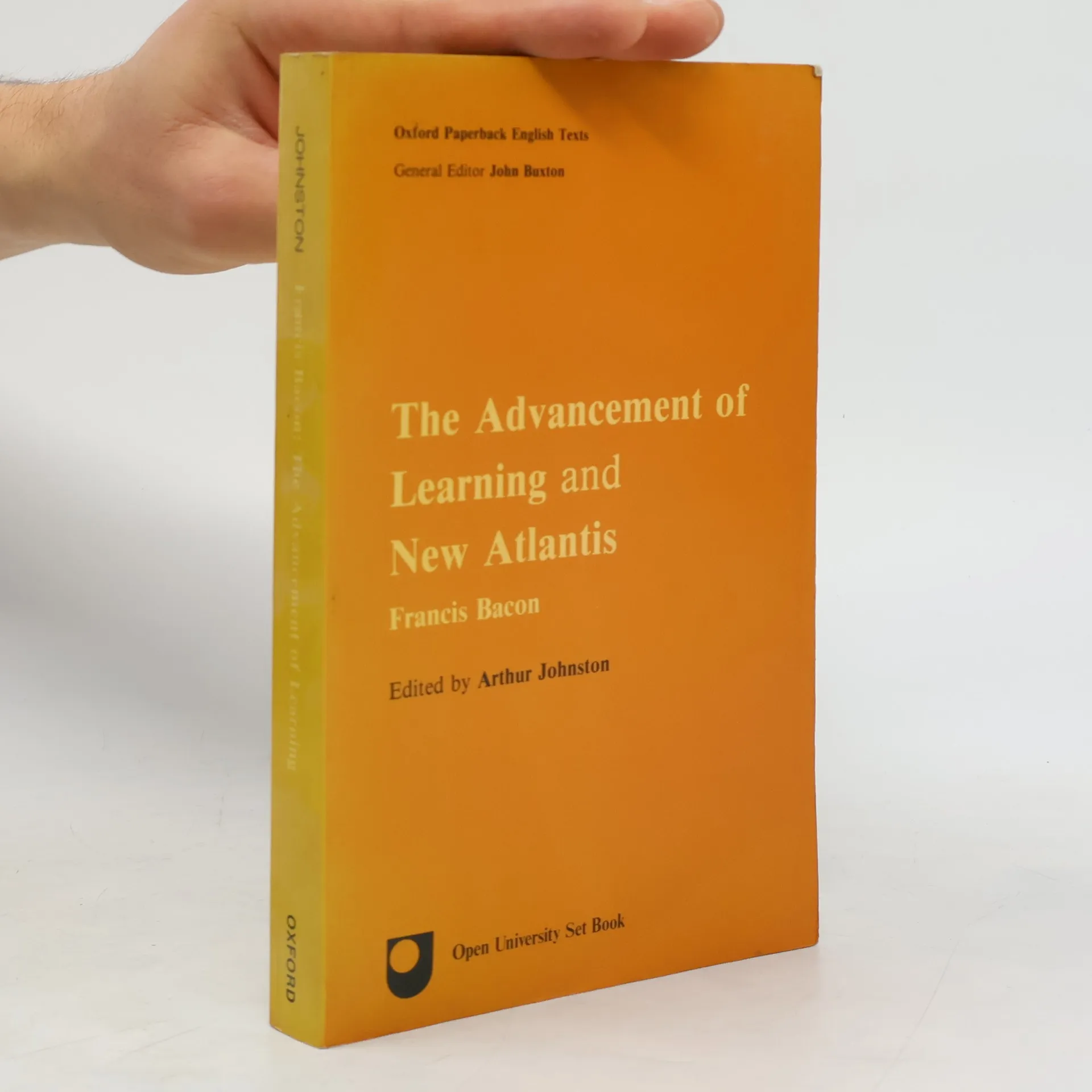
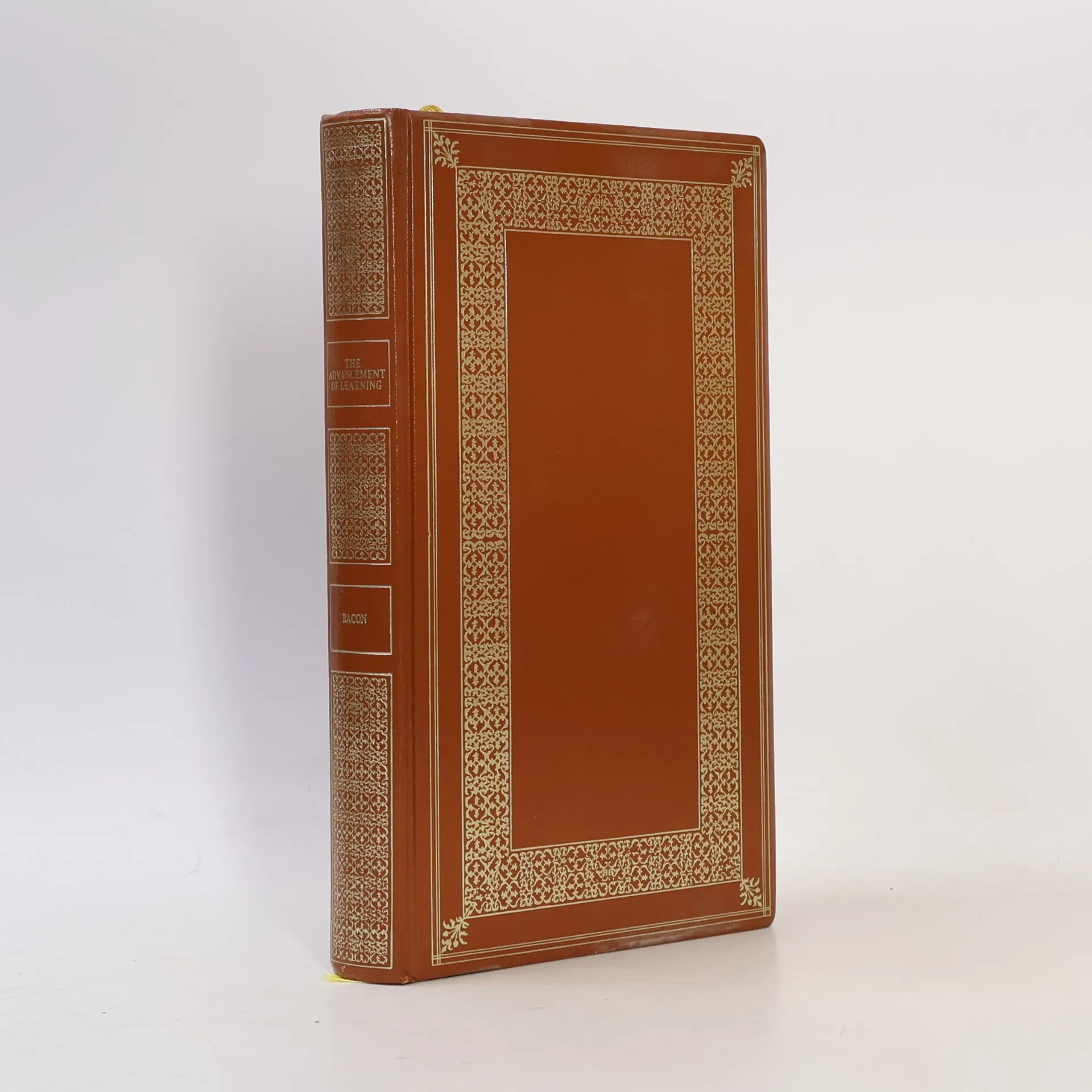
The advancement of learning and New Atlantis
- 324 Seiten
- 12 Lesestunden
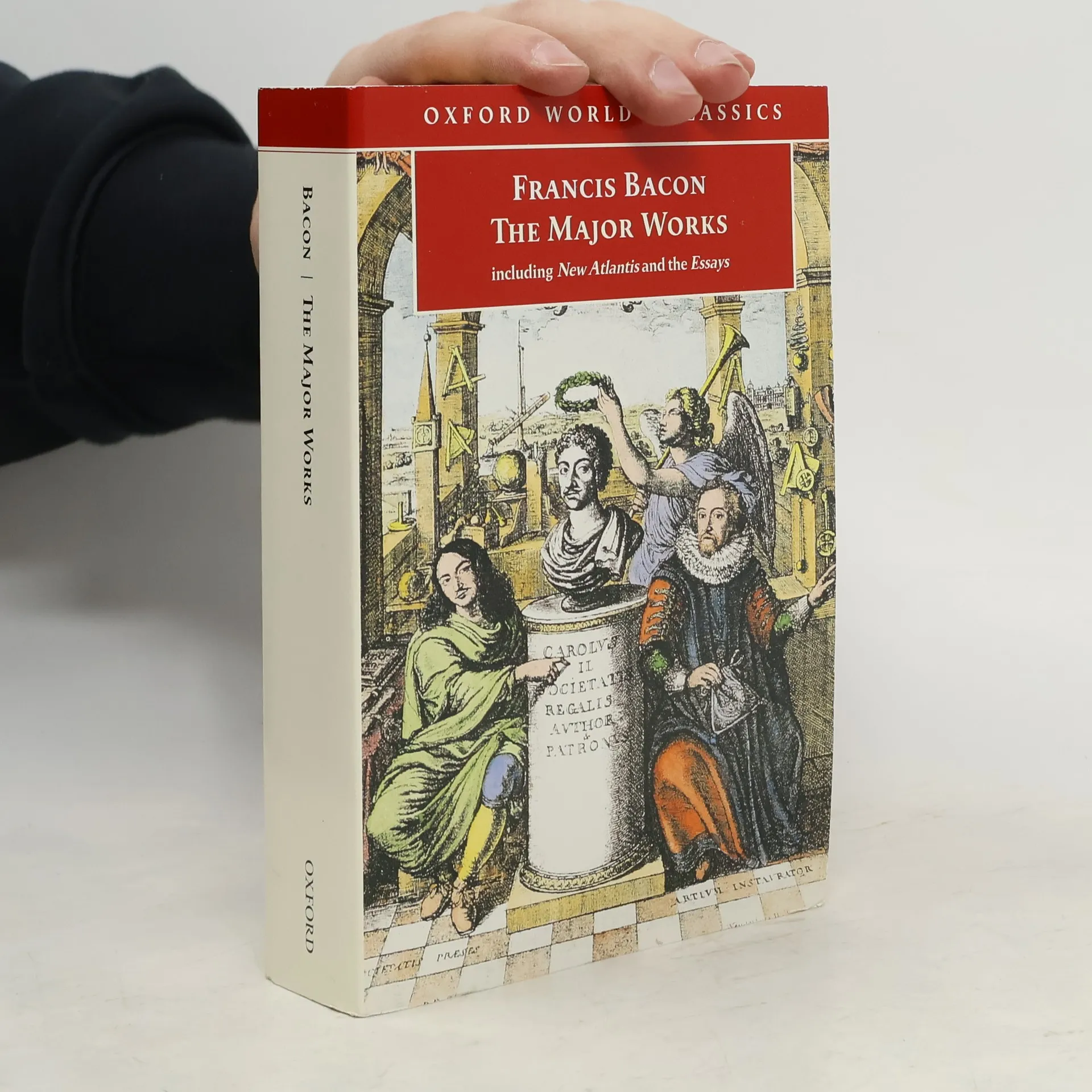
The Major Works
- 864 Seiten
- 31 Lesestunden
This authoritative edition brings together an extensive collection of Bacon's writing - the major prose in full, together with sixteen other pieces not otherwise available - that reveals the essence of his work and thinking. Francis Bacon held some of the highest public offices in the land and in his spare time studied natural philosophy and a wide variety of other subjects. His systematic classification of all branches of knowledge became the basis for all later constructions, and his Essays are unsurpassed in their observations on society and human behavior. This extensive anthology includes the major English literary works on which his reputation rests: The Advancement of Learning, The Essays (1625, as well as the earliest version of 1597), and the posthumously published Utopian fable The New Atlantis (1626). In addition it reprints other works which illustrate Bacon's abilities in politics, law, theology, and poetry. A special feature of the edition is its extensive annotation which identifies Bacon's sources and allusions, and elucidates his vocabulary.
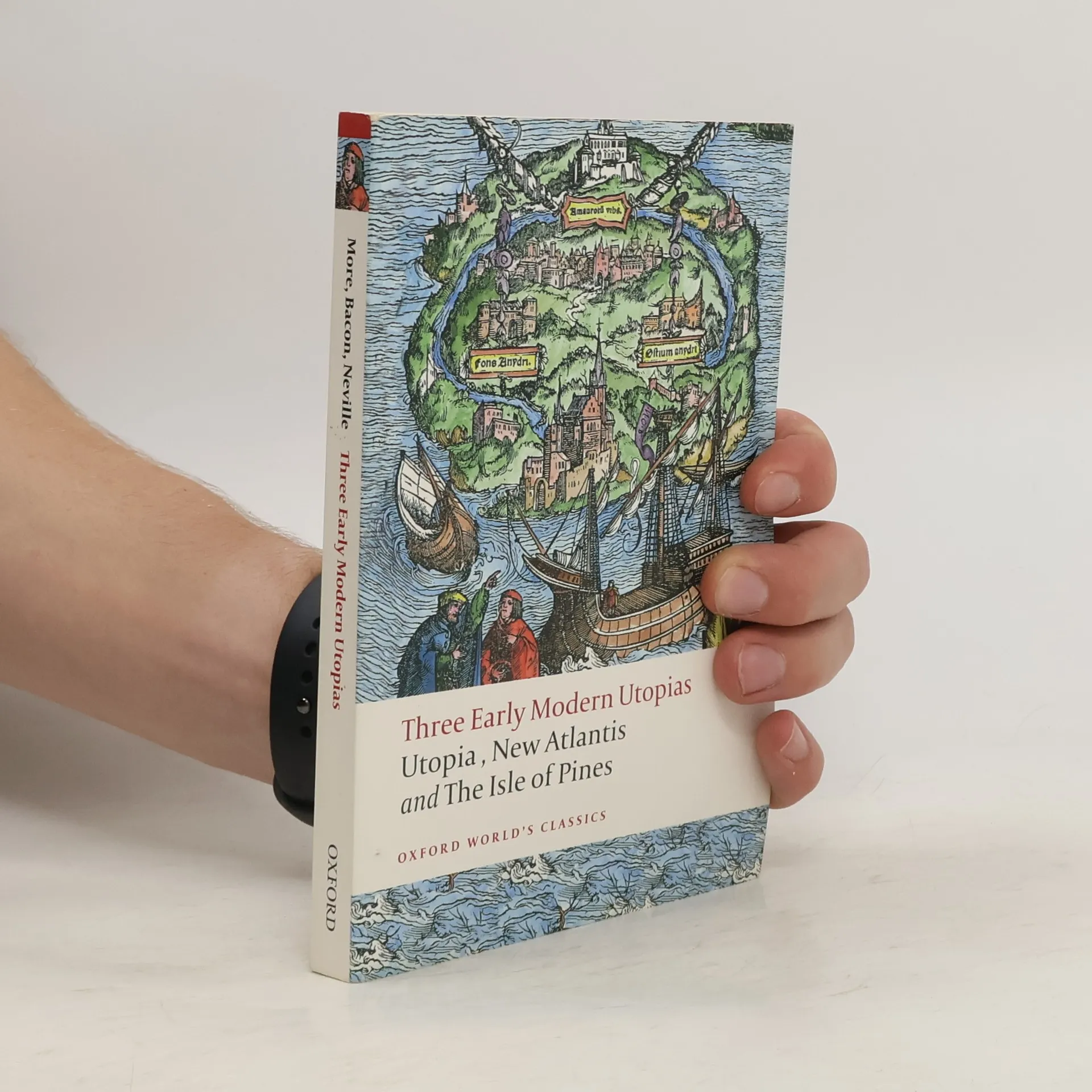
Three Early Modern Utopias
- 320 Seiten
- 12 Lesestunden
A unique edition of three early modern utopian texts, using a contemporary translation of More's Utopia and examining the Renaissance world view as shown by these writers. The edition includes the illustrative material that accompanied early editions of Utopia, full chronologies of the authors, notes, and glossary.
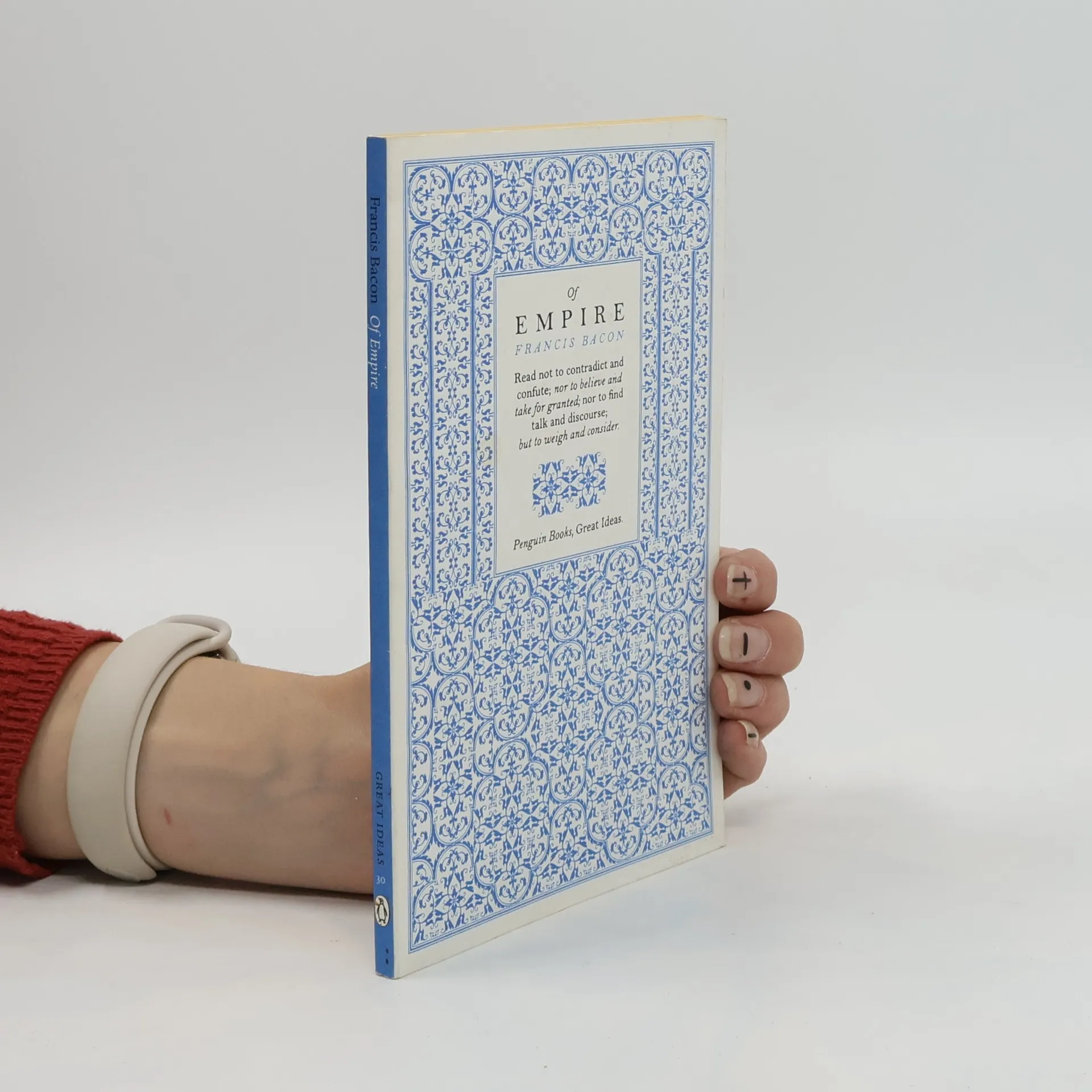
Of Empire
- 112 Seiten
- 4 Lesestunden
Throughout history, some books have changed the world. They have transformed the way we see ourselves � and each other. They have inspired debate, dissent, war and revolution. They have enlightened, outraged, provoked and comforted. They have enriched lives � and destroyed them. Now Penguin brings you the works of the great thinkers, pioneers, radicals and visionaries whose ideas shook civilization and helped make us who we are. Francis Bacon�s landmark writings on subjects ranging from anger and ambition, marriage and money to envy and empire established him as the founding father of modern scientific thinking, with his rejection of superstition and his emphasis on proof and experiment, rational enquiry and reasoned argument.
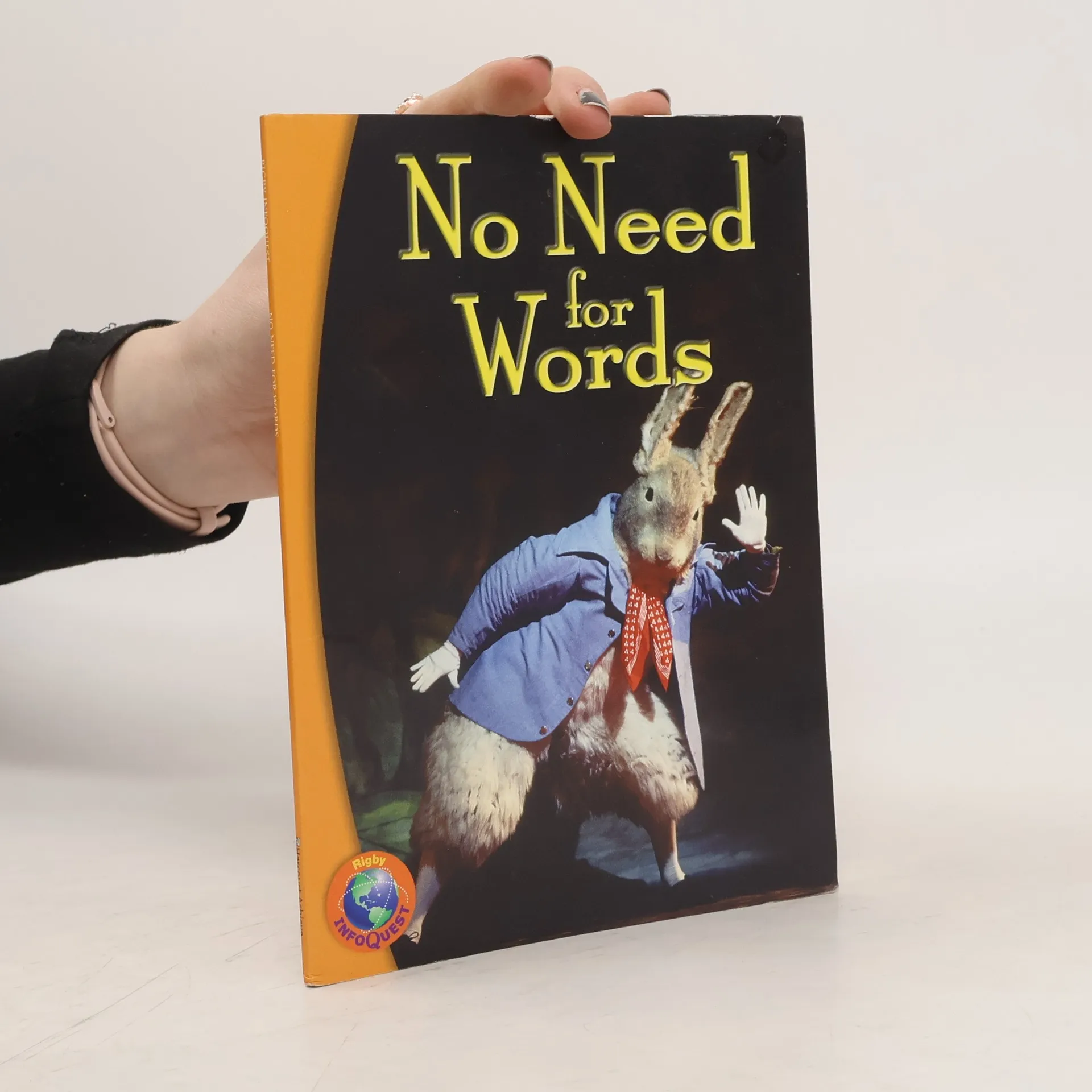
No Need for Words
- 24 Seiten
- 1 Lesestunde
Art comes in all forms and whether it's folk art, mime, painting, dancing, or music, the art tells a story and there is no need for words
The physical and metaphysical works of Lord Bacon
Including the Advancement of learning and Novum organum
- 604 Seiten
- 22 Lesestunden
This collection features the influential works of Lord Bacon, encompassing both his physical and metaphysical ideas. Notable pieces include "The Advancement of Learning" and "Novum Organum," which explore the foundations of scientific inquiry and empirical methodology. The book is a faithful reprint of the 1886 edition, preserving the original text and insights that have shaped philosophical and scientific thought.
This edition features a reprint of a classic work originally published in 1857, preserving the historical significance and context of the time. Readers can expect to engage with the themes and ideas that shaped the era, offering insights into the societal norms and challenges of the period. The text remains a valuable resource for those interested in literature's evolution and the cultural landscape of the 19th century.
This publication focuses on reproducing historical works in large print, catering specifically to individuals with impaired vision. The Megali publishing house is dedicated to enhancing accessibility in reading by ensuring that important texts are available in formats that are easier to read.
This book is a reproduction of a historical work, presented in large print to enhance accessibility for readers with impaired vision. The publishing house Megali focuses on making such texts available, ensuring that important historical literature can be enjoyed by a wider audience.
This book is a reproduction of a historical work, specifically designed in large print to enhance accessibility for readers with impaired vision. Published by Megali, a house dedicated to making historical texts more readable, it aims to preserve the original content while ensuring that it is easily legible for all audiences.
The Essays of Francis Bacon
- 164 Seiten
- 6 Lesestunden
Exploring a diverse array of styles, Francis Bacon's collection delves into both public and private life, presenting essays that systematically examine various topics from multiple perspectives. Each piece contrasts differing arguments, showcasing Bacon's philosophical insights and rhetorical skill. This foundational work reflects his thoughts on morality, politics, and human behavior, making it a significant contribution to literature and philosophy.
A guest of honour, from Francis Bacon to Peter Doig
- 67 Seiten
- 3 Lesestunden
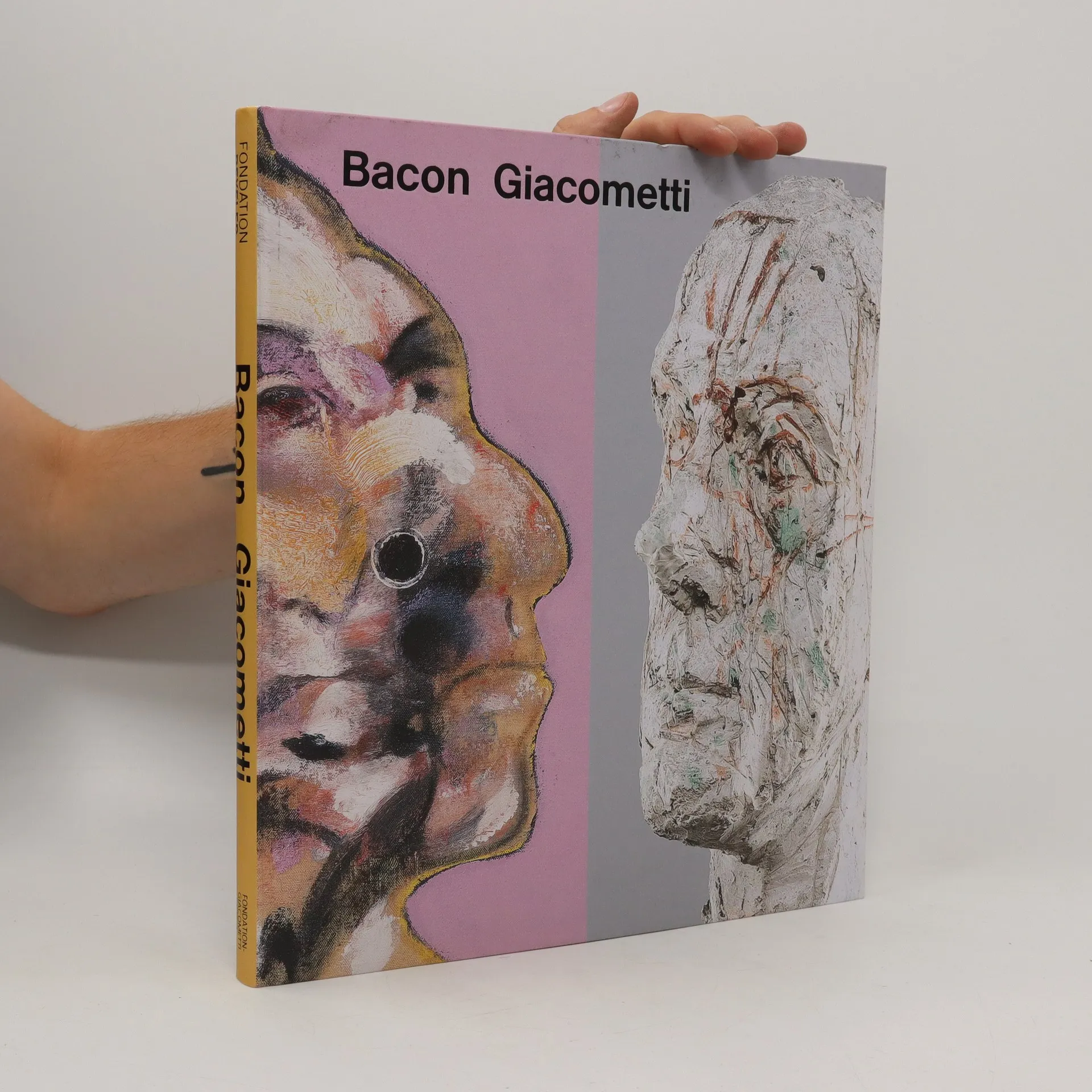
Bacon Giacometti
- 204 Seiten
- 8 Lesestunden
Alberto Giacometti (1901−1966) and Francis Bacon (1909−1992) are two artists whose bodies of work influenced twentieth-century art and continue to resonate to this day. What turned them into icons in their field has to do with their individual lifestyles, as well as with the historical, social, and aesthetic upheavals in Europe after 1945, which each artist reflected upon in his ouevre. The Fondation Beyeler has ambitiously undertaken a juxtaposition of the two artists in a large, upcoming exhibition in 2018. In a fascinating way, the meeting of the two artists’ work here is like a dialogue about space and time, in which it is possible to recognize each man’s art in the work of the other. The show’s companion catalogue continues to intensify and carry on this conversation in words and pictures. Exhibition: Fondation Beyeler, Riehen/Basel 25.4.–2.9.2018
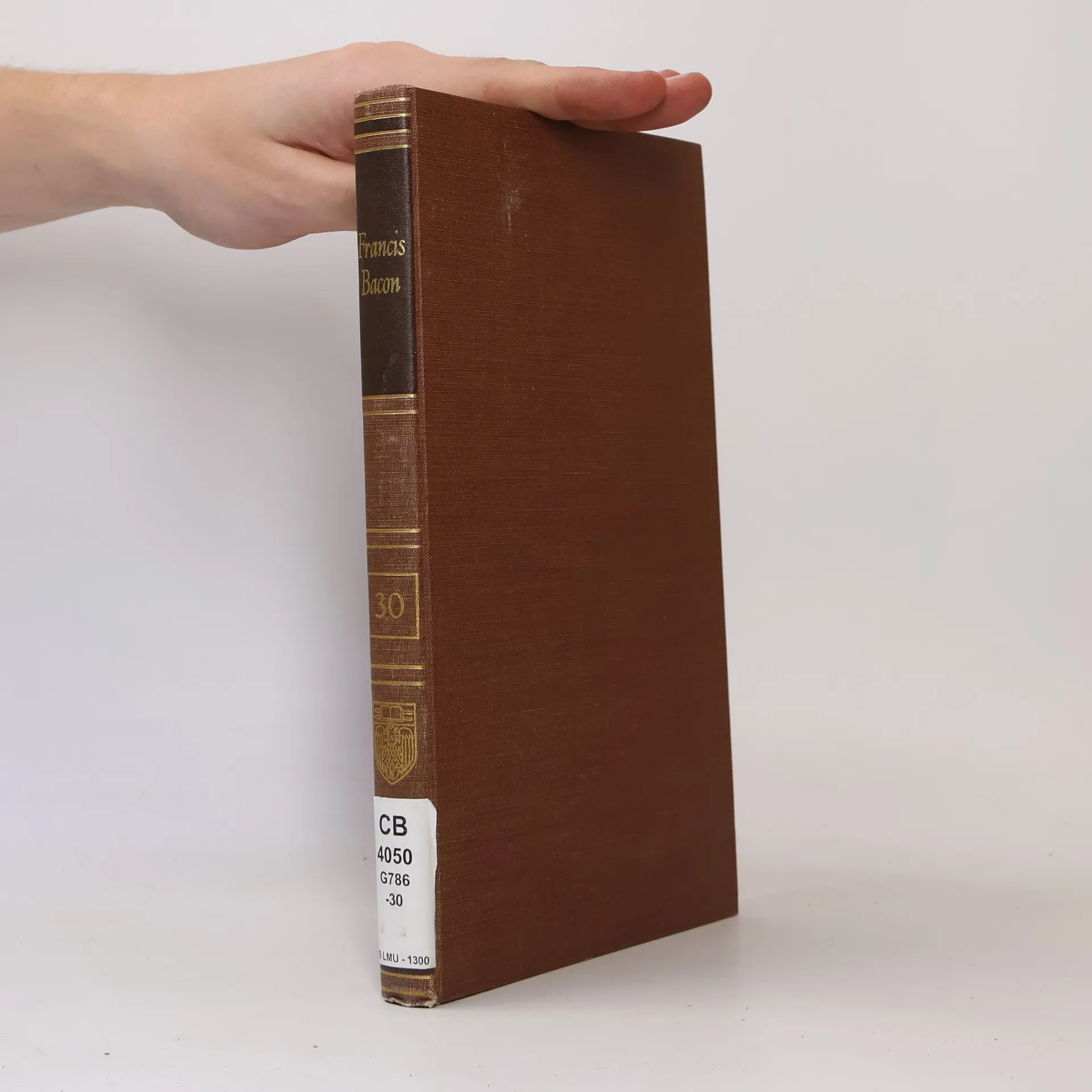
Great Books of the Western World 30
Advancement of Learning, Novum Organum, New Atlantis
Kniha rozhovorů s Francisem Baconem. Francis Bacon (1909–1992) zvolil v třiceti pěti letech, uprostřed poválečných vln op-artu, monochronní malby a konceptuálního umění, návrat k tradiční technice, k postavám a dějům. Vytvořil monumentální dílo, které je, v druhé polovině 20. století, zcela ojedinělé. Edice De arte přináší překlad Baconových rozhovorů se známým anglickým kritikem Davidem Sylvestrem. Rozhovory vznikaly postupně v rozmezí let 1962–1979. Nacházíme zde reakce na surrealismus a kubismus, stejně jako na Eliota či Valéryho, Michelangela či Duchampa, Rembrandta či Muncha. Bacon – piják, hráč a divoch – velmi přesně a dopodrobna analyzuje pozadí umělecké tvorby. Je to dokonalý klíč k pochopení jedné z největších postav tohoto století. Graham Greene napsal, že „je to vzrušující dokument, srovnatelný s Delacroixovým deníkem“.
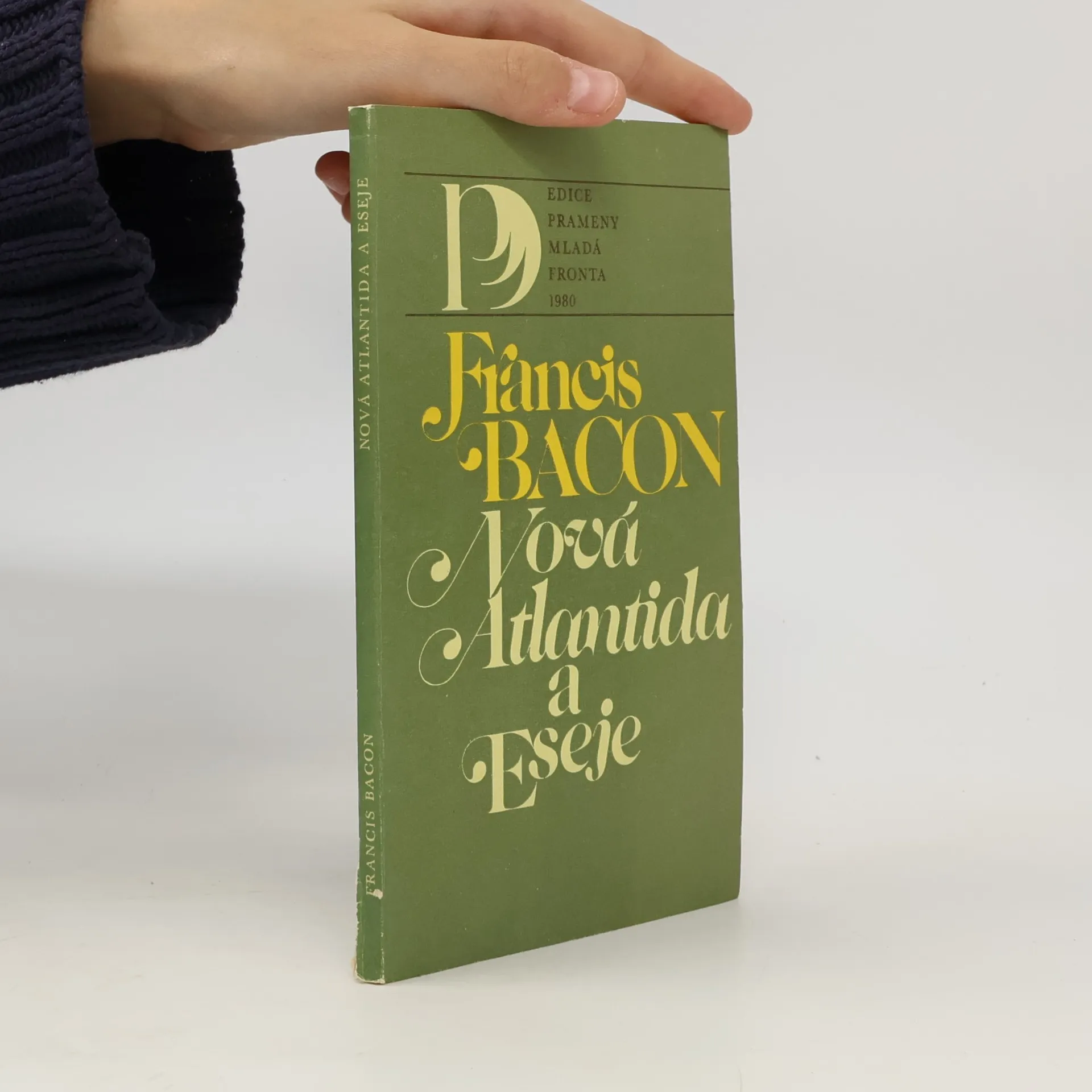
Jedno ze stěžejních děl anglického vědce, filozofa a státníka. Filosoficky nejdůležitější dílo Francise Bacona je spis Nové Organon (plným původním názvem Novum Organum Scientiarum). Název úmyslně odkazuje na jiný spis, jehož autorem je Aristoteles a jehož název je Organon (tzn. řecky nástroj). Francis Bacon chce svým dílem dát vědcům a filosofům „nový nástroj“, který umožní překonání dosavadní vědy a filosofie. Nástrojem je induktivní metoda, která spočívá v postupu od konkrétních dat k obecným závěrům a liší se tak od dosavadní převažující metody dedukce, která spočívá v postupu od obecných zákonitostí ke konkrétním jednotlivostem. Baconova metoda tak klade důraz na empiricky zachytitelná data, na pozorování a experiment a Bacona tak lze považovat za otce moderní vědy. Bacon kritizuje výsledky staré scholastické vědy a filozofie jako neplodné filosofování, které nemá často užitek pro člověka, a požaduje po vědě užitečnost člověku a zlepšování podmínek života lidí....
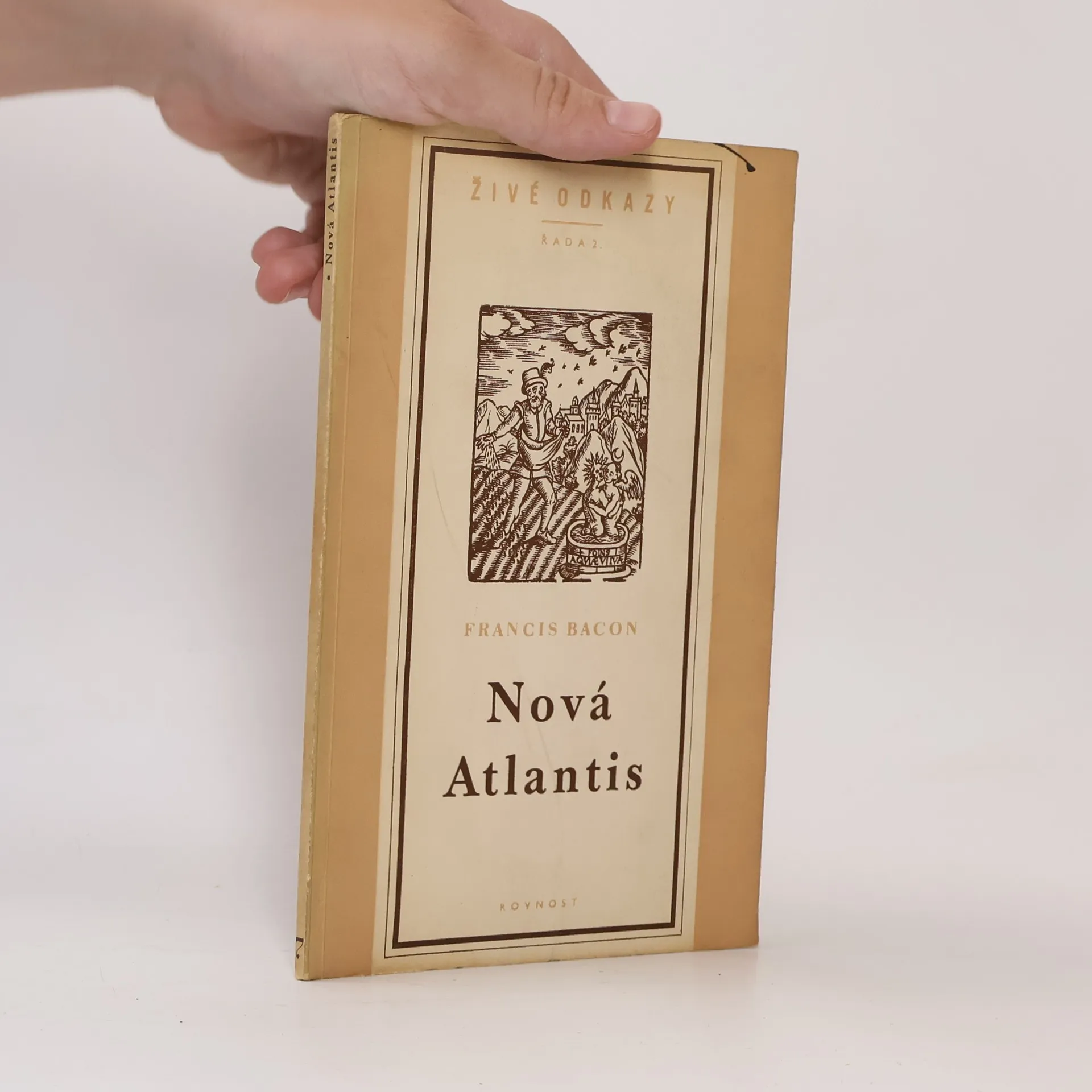
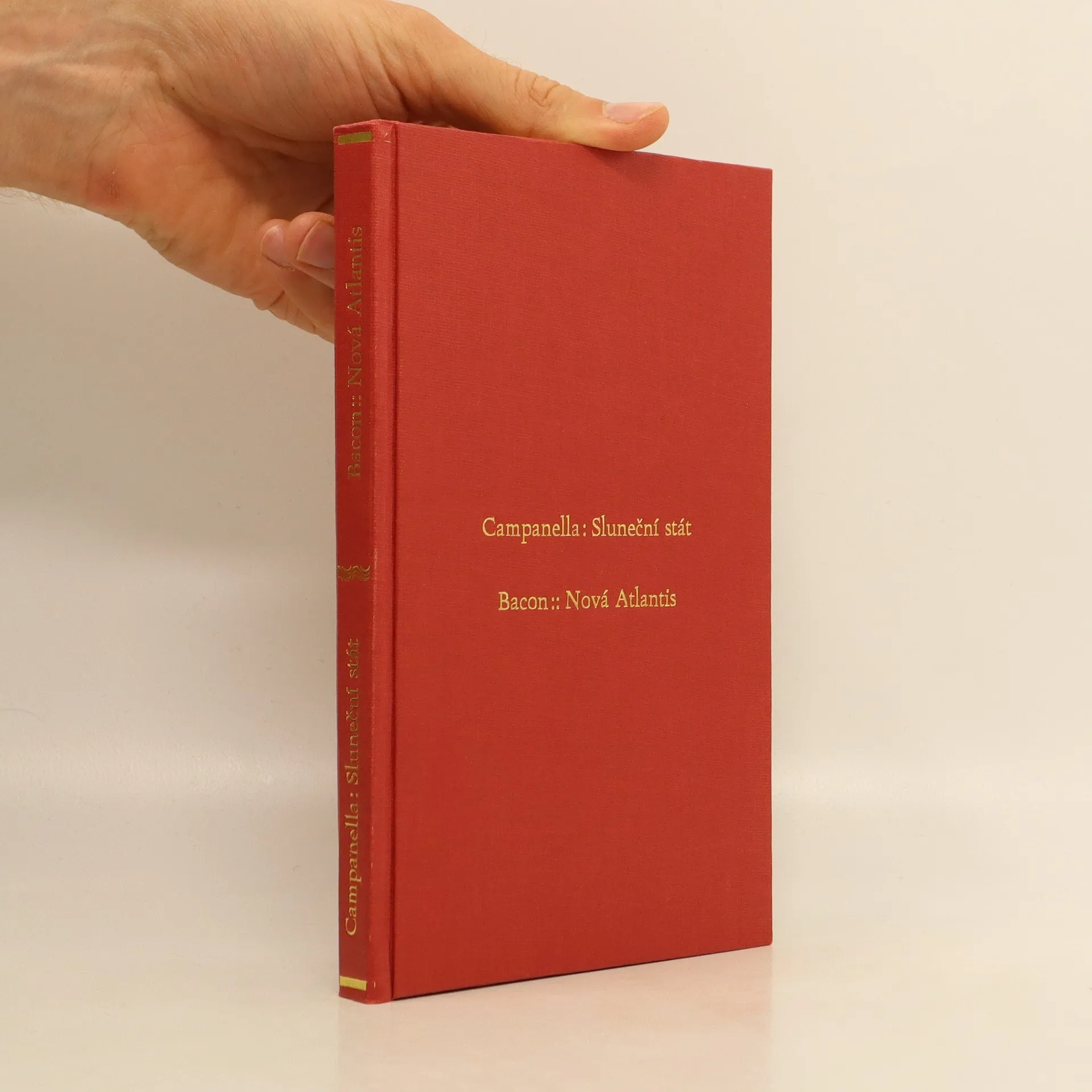
Svazek obsahuje jednak utopické dílko (Nová Atlantida, 1627) anglického renesančního filozofa a státníka o smyšlené ostrovní říši šťastných a spokojených lidí, kteří všestranným využitím vědy a techniky, ale i pěstováním umění a dovedností dosáhli vysoké životní úrovně a vlády nad přírodou, a jednak výbor z jeho esejistické tvorby, podávající obraz myšlení renesančního člověka o smyslu života a vztahu k lidem apod.
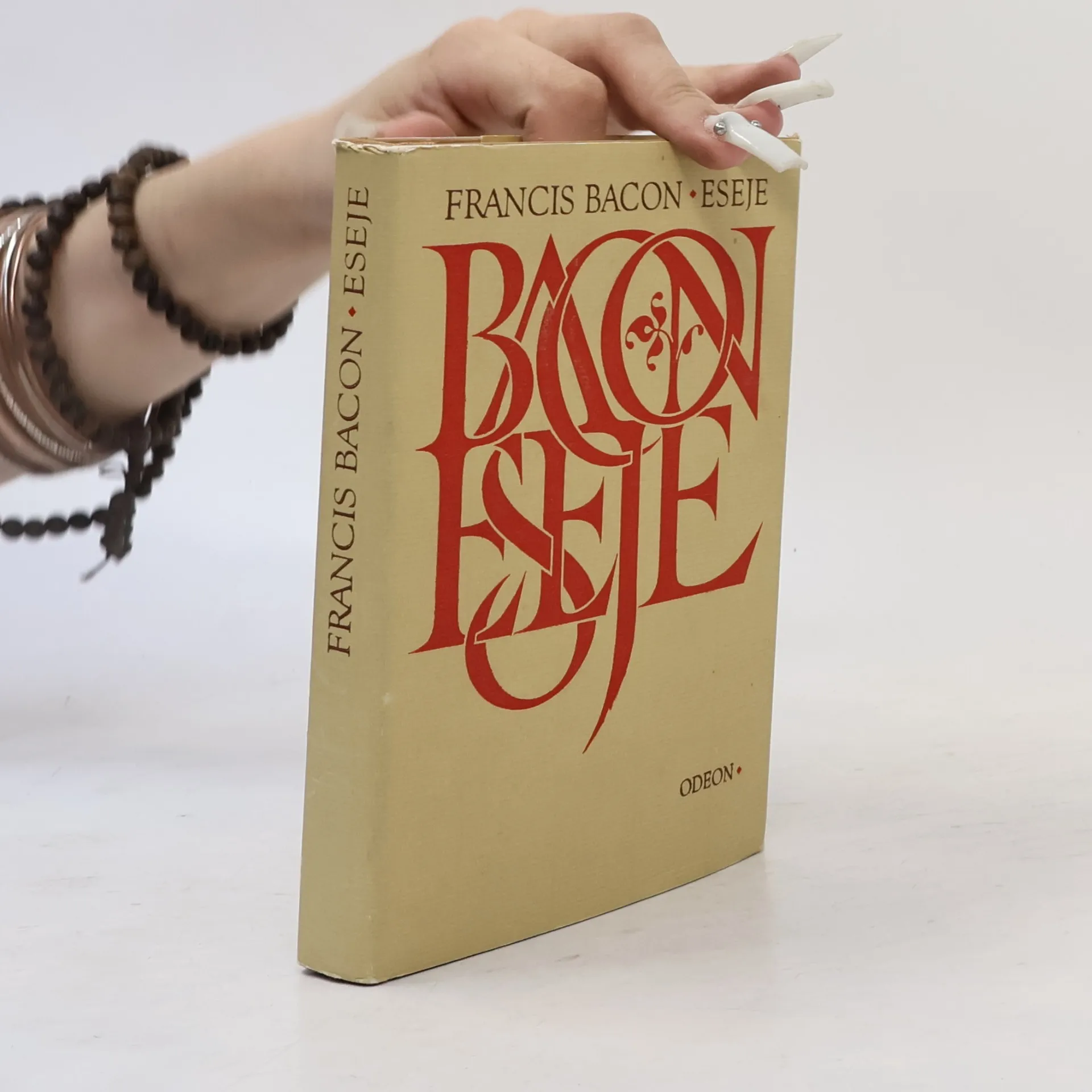
Eseje autora, který byl předním představitelem kulturního dění na královském dvoře za panování královny Alžběty a jejího následovníka Jakuba I. Obsáhle navazuje a doplňuje antické i další filosofy, rozebírá lidskou existenci i život formou, která se týká všech. V textu používá řadu citátů antických autorů i filosofů své doby
Výbor z literární činnosti Francise Bacona. První překlad do češtiny některých z jeho esejí.
Campanella ve své utopii líčí ideální společnost, kde neexistuje soukromé vlastnictví a kde nejdůležitějšími hodnotami jsou vzdělání, práce a sounáležitost. V čele státu stojí svrchovaný vládce, nejmoudřejší člověk ve státě, jemuž jsou podřízeni Láska, Moc a Moudrost. Praktickyvšechny činnosti ve státě jsou řízeny a kontrolovány politickou mocí, která je výrazně propojená s náboženstvím. Z ruského překladu Gorod Solnca, 1947, přeložili a s latinským originálem srovnali Jiřina a dr. Otakar Mohylovi. Předmluvu (Campanellova komunistická utopie V. P. Volgina), životopis (od F. A. Petrovského) a poznámky přeložila z ruštiny Jiřina Růžičk
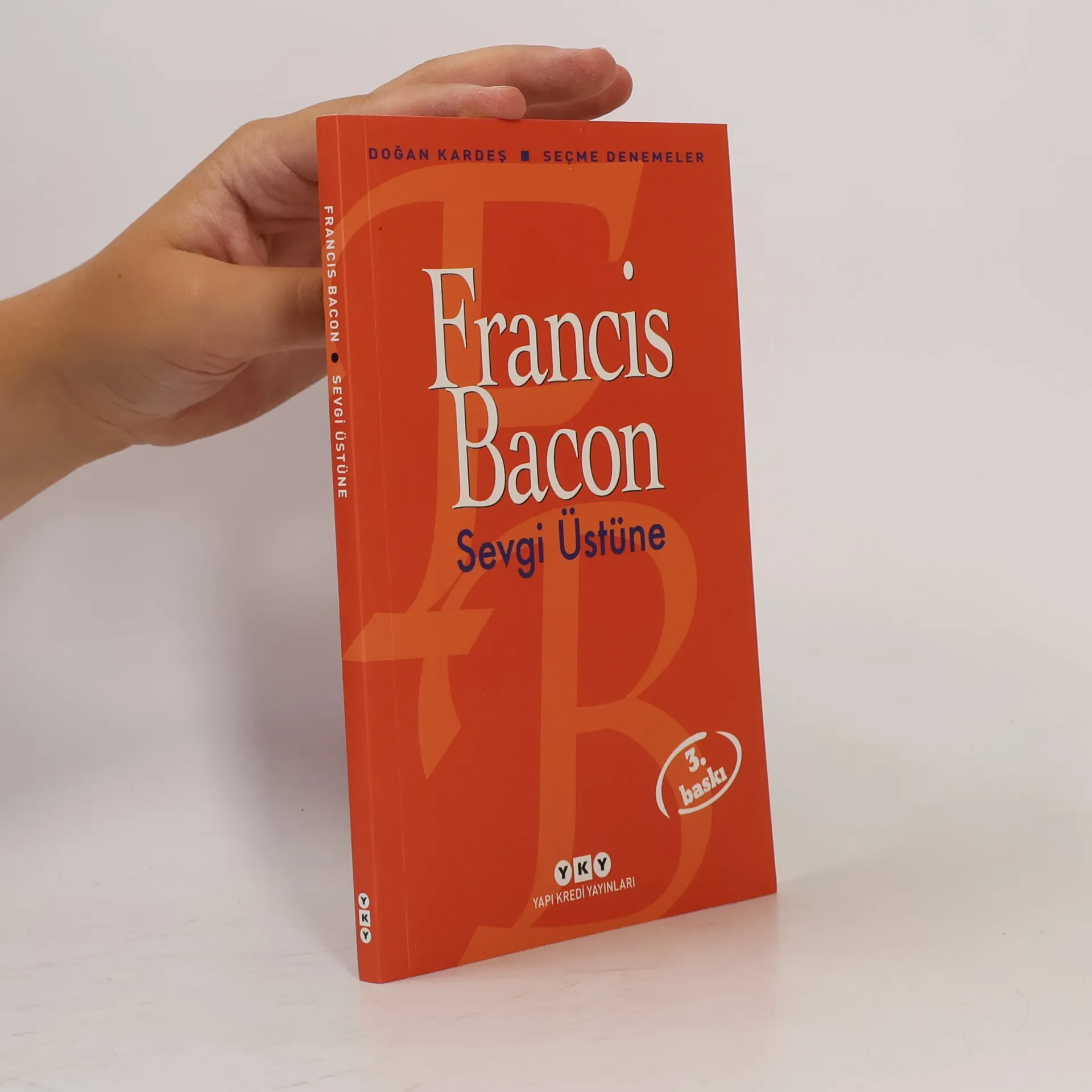
Sevgi Üstüne - Secme Denemeler
- 108 Seiten
- 4 Lesestunden
Hiçbir gururlu adam kendini, bir sevenin sevgilisini beğenmesi gibi budalaca beğenmez, onun için “sevmekle bilgelik bir arada olamaz” sözü pek güzel söylenmiştir. Bu yalnız başkalarınca görülüp de sevilenin gözünden kaçan bir güçsüzlük değildir, en çok sevilen görür bunu, ama karşılıklı sevgide durum başkadır, çünkü sevginin çoğunlukla ya gene sevgiyle ya da için için gizli bir öfkeyle karşılık gördüğü, şaşmaz bir kuraldır.
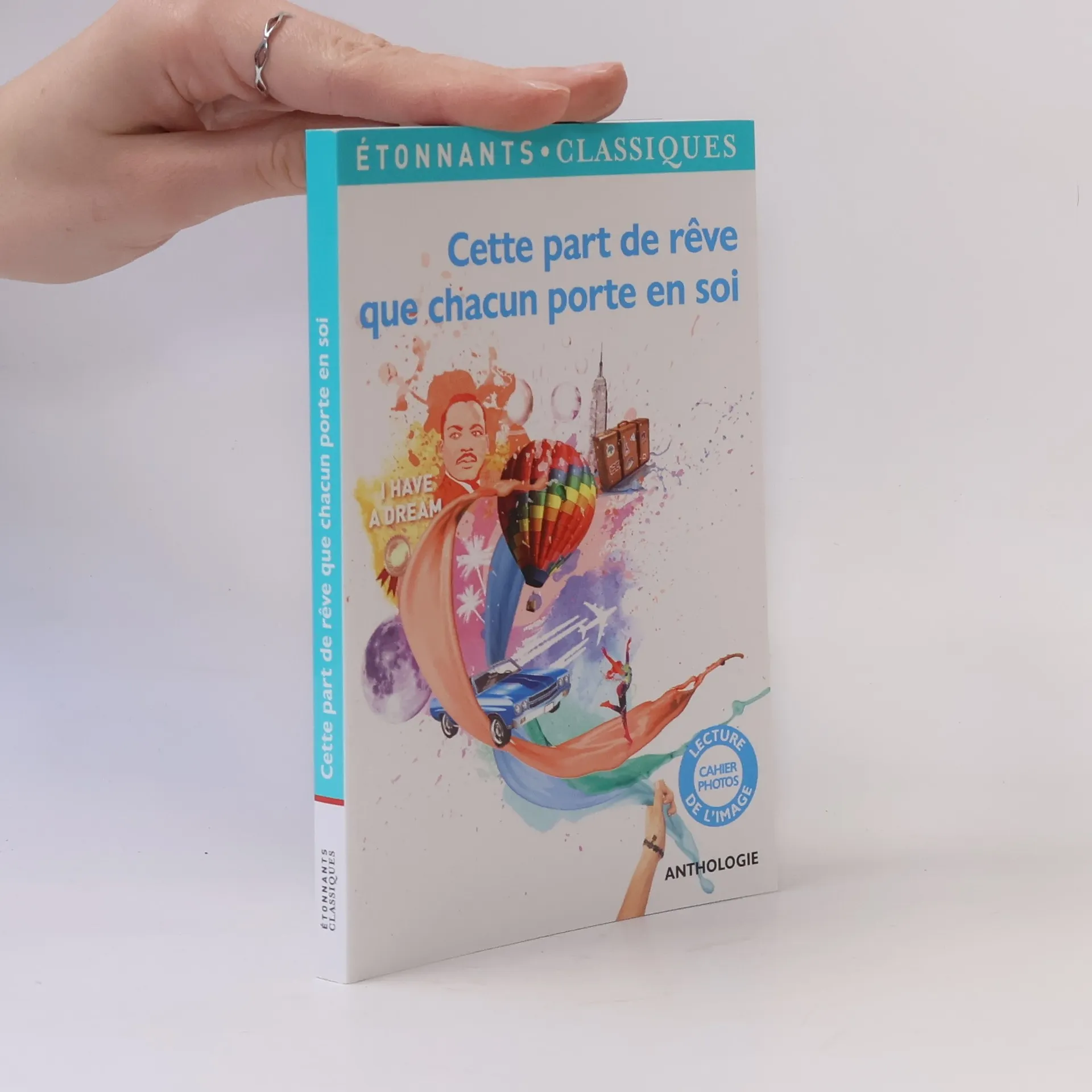
Étonnants Classiques: Cette part de rêve que chacun porte en soi
Anthologie - BTS - PROGRAMME 2014-2015
- 184 Seiten
- 7 Lesestunden
Vagabondage de l'esprit ou fantasmagorie nocturne, le rêve revêt des formes multiples. Faut-il pour autant y voir un abîme trompeur, impossible à maîtriser et qui nous coupe de la réalité ? N'est-il pas, au contraire, une échappatoire aux contraintes du quotidien, un espace de liberté indispensable à la création, à la connaissance du monde et à la construction de soi ? Expérience individuelle et intime autant que reflet des aspirations d'une société, quelle est cette part de rêve que chacun porte en soi ?