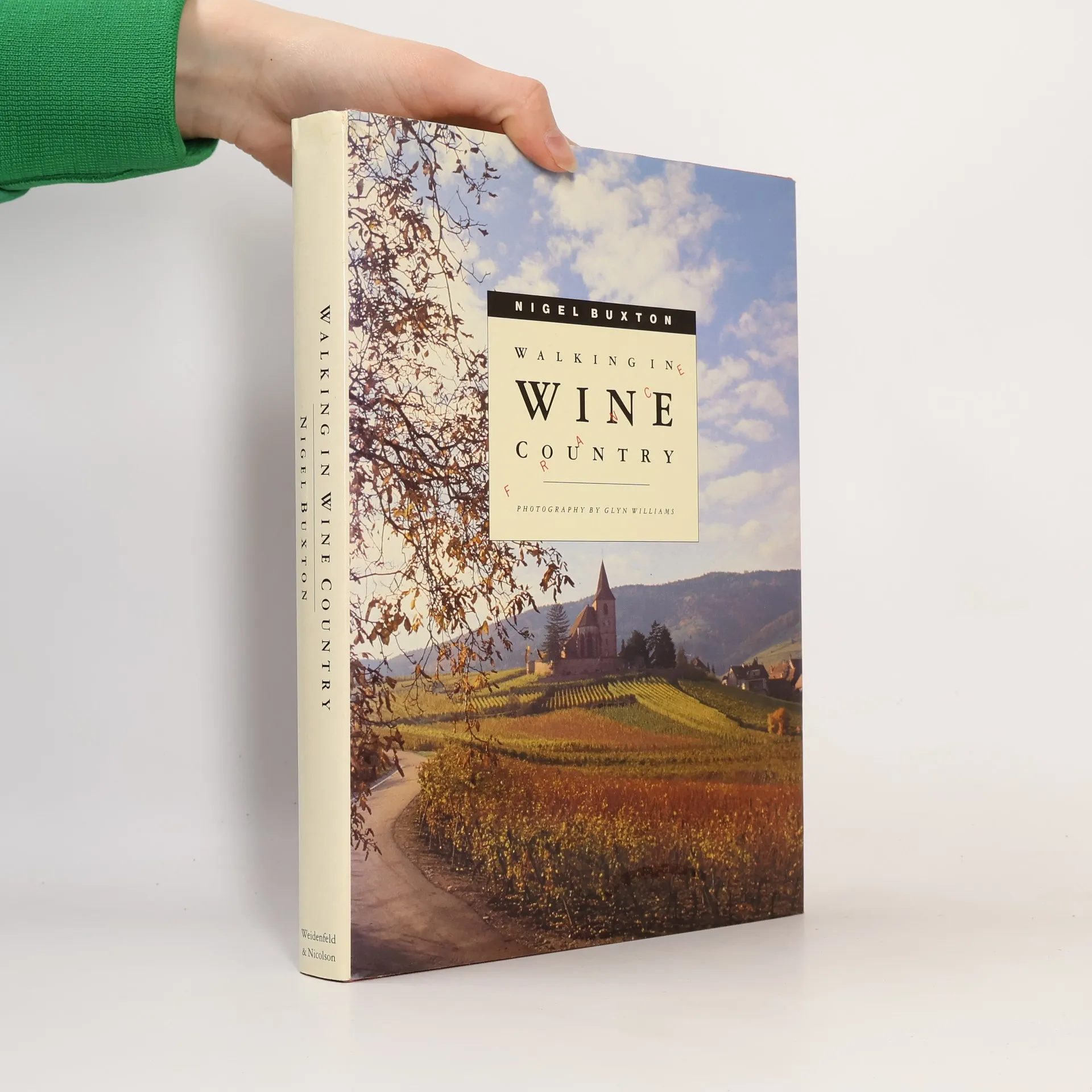
Walking in Wine Country
- 256 Seiten
- 9 Lesestunden


Glyn Williams ist ein angesehener Historiker, dessen Werk sich mit den komplexen Beziehungen zwischen historischen Handelsgesellschaften und den weiten Landschaften der kanadischen Arktis und Subarktis befasst. Er erforscht sorgfältig die tiefen historischen Verbindungen, die diese Regionen geprägt haben, und bietet den Lesern einen fesselnden Einblick in Erkundung und Besiedlung. Williams' Schreibstil wird für seine historische Genauigkeit und seine fesselnde Erzählweise geschätzt. Seine wissenschaftliche Arbeit beleuchtet die menschlichen Bestrebungen in diesen herausfordernden Grenzgebieten.

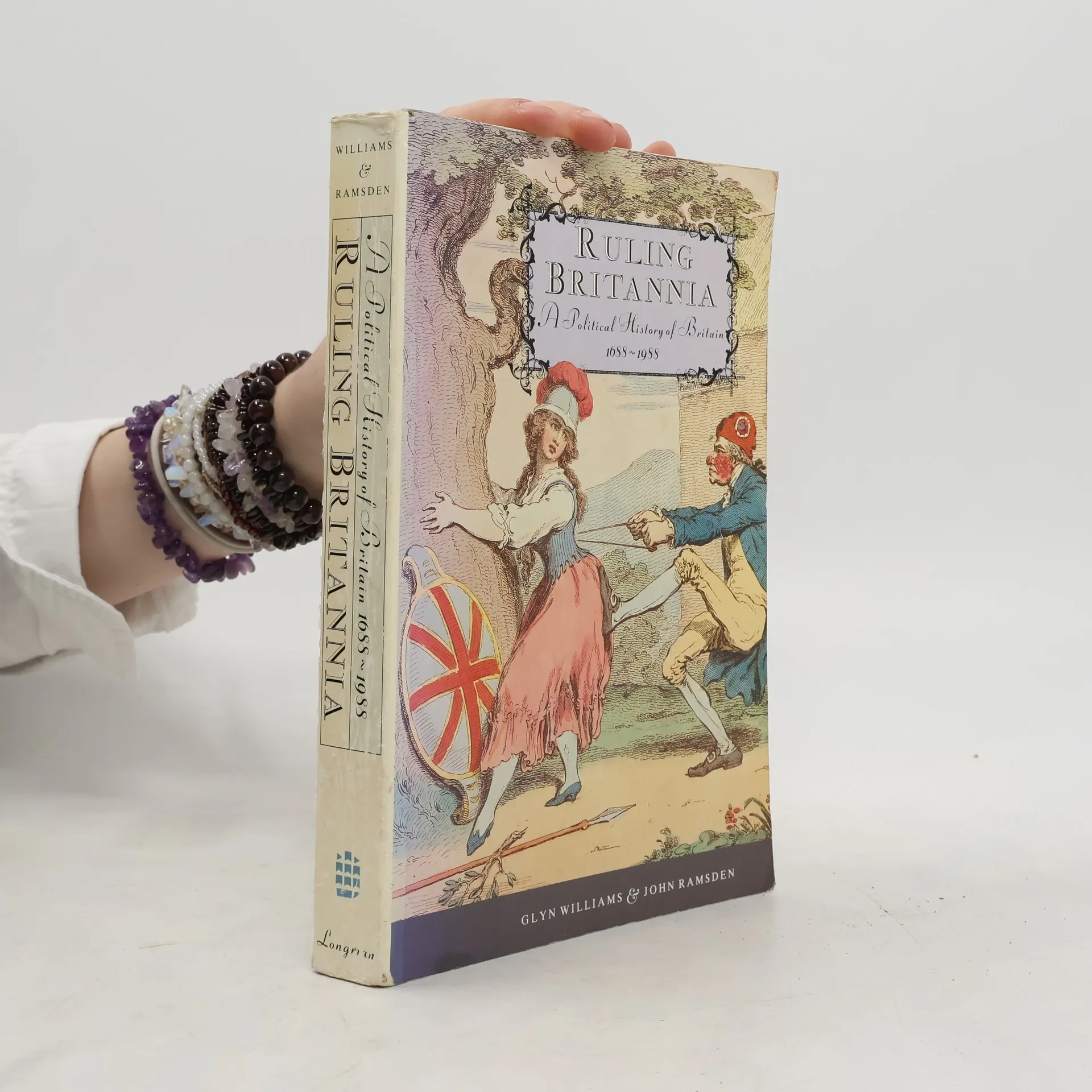
This is a detailed political review of the three centuries of modern British history from the Glorious Revolution to Margaret Thatcher. The vast mass of scholarly research that continues to appear on these years has made an up-to-date study of this sort -- which combines synthesis and analysis in a single account -- a timely undertaking. This is an avowedly political history, with as much economic and social content as is needed to understand the context in which Britain's political life evolved.
The book explores the intricate relationship between language and society by integrating sociological theory with linguistic study. It traces historical developments from Enlightenment philosophers to contemporary sociolinguistics, examining how various sociological frameworks, including Marxism and poststructuralism, shape our understanding of language. By analyzing these connections, it highlights the influence of theory on the construction of meaning and offers insights into future directions for sociolinguistics. This comprehensive work is essential for students and scholars in linguistics, sociology, and geography.