

A timely and compelling argument for a revitalized and restructured global politics
Jan Zielonka Reihenfolge der Bücher (Chronologisch)
Jan Zielonka ist ein führender europäischer politischer Denker, dessen Werk sich mit den komplexen Umwälzungen und Herausforderungen des modernen Europas befasst. Seine Analysen konzentrieren sich oft auf die Spannungen zwischen Liberalismus und gegenrevolutionären Kräften und untersuchen, wie liberale Werte auf dem Kontinent unter Druck geraten. Zielonka bietet tiefe Einblicke in die politischen und sozialen Dynamiken, die Europa prägen, und liefert eine kritische Perspektive auf dessen aktuelle Entwicklung. Sein Schreiben zeichnet sich durch scharfen Intellekt und tiefes Engagement für den historischen Kontext aus.

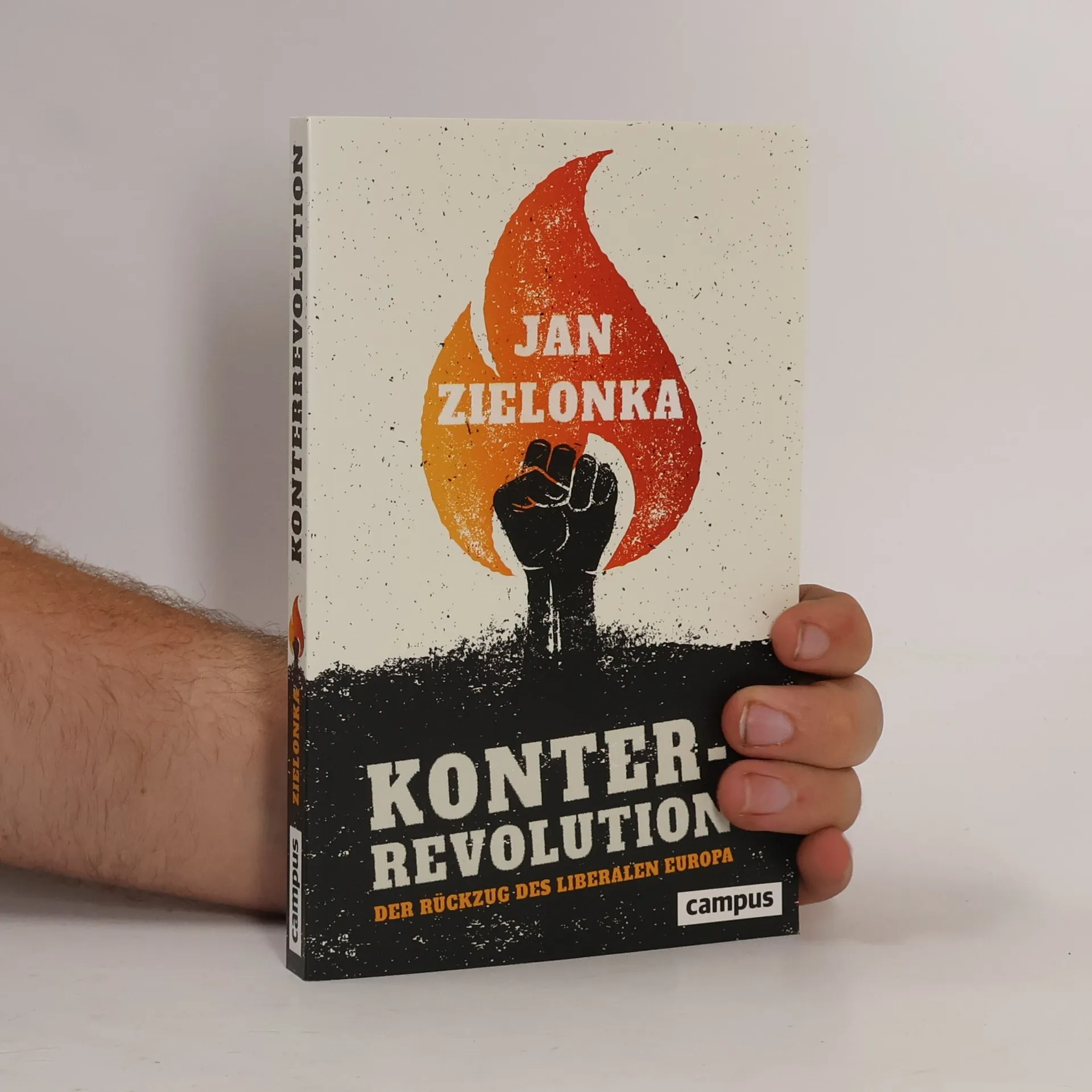
In vielen europäischen Ländern sind rechte Bewegungen im Aufwind. Oder mit den Worten Jan Zielonkas: Eine Konterrevolution ist in Gang gekommen. Im Jahr 1990 sah das noch ganz anders aus. Der Eiserne Vorhang war gefallen und Zielonkas Lehrer Ralf Dahrendorf begrüßte eine Revolution in Europa; es herrschten Euphorie und Aufbruchsstimmung. Mittlerweile liegt die Europäische Union in Scherben, weil die politischen Eliten marktradikalen Ideen nachgelaufen sind und die liberale Demokratie verraten haben. Zielonka unterzieht die Entwicklungen einer unerbittlichen Analyse und formuliert ein starkes Plädoyer für eine offene Gesellschaft und eine Neuerfindung Europas. „Zielonkas Buch spitzt eine Debatte zu.“ FAZ
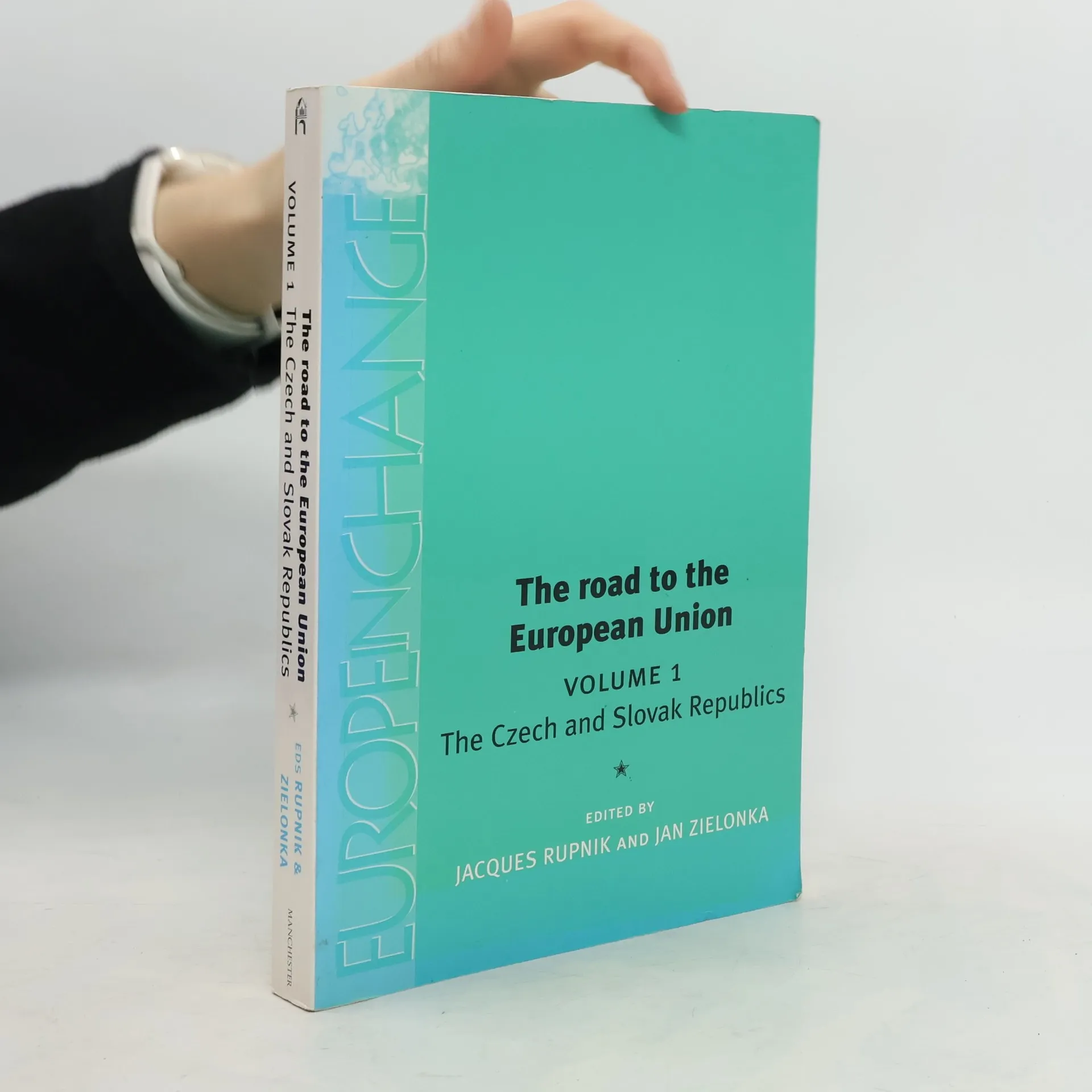
The road to the European Union. Vol. 1, The Czech and Slovak Republics
- 293 Seiten
- 11 Lesestunden
Since the start of the new millennium, the issue of European Union enlargement has become Europe's major preoccupation. This text, the first of two volumes, deals comprehensively with this subject, covering the preparation for accession to the European Union in the Czech and Slovak Republics
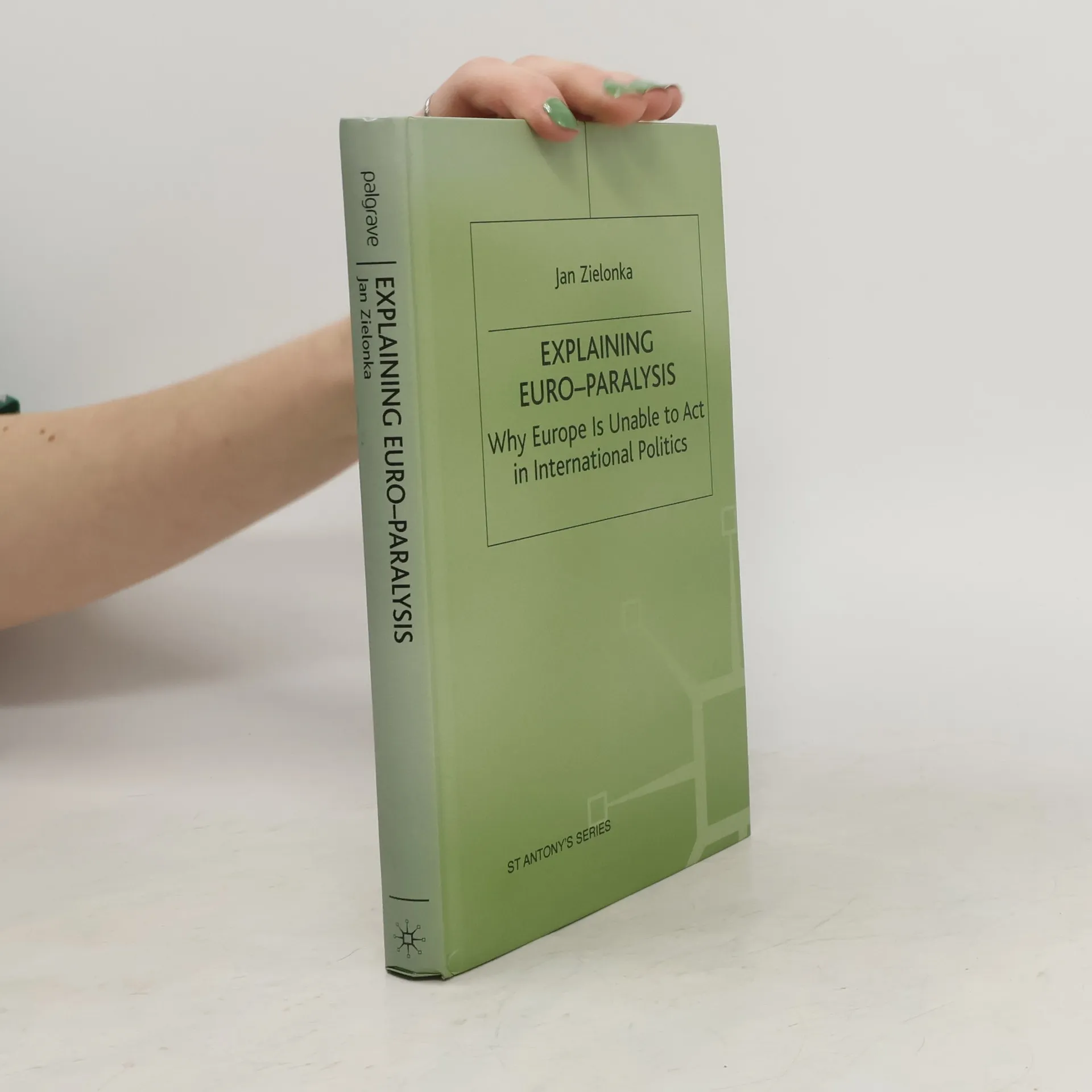
Explaining Euro-paralysis
- 275 Seiten
- 10 Lesestunden
This text concerns Europe's apparent inability to cope with the complex international environment. Why does the Union fail to create a workable (sound) Common Foreign and Security policy? Five explanations for Euro-paralysis are considered, focusing on power politics, the assertion of national interests, misguided institutional designs, a crisis of modern democracy, and post-Cold War conceptual confusion.