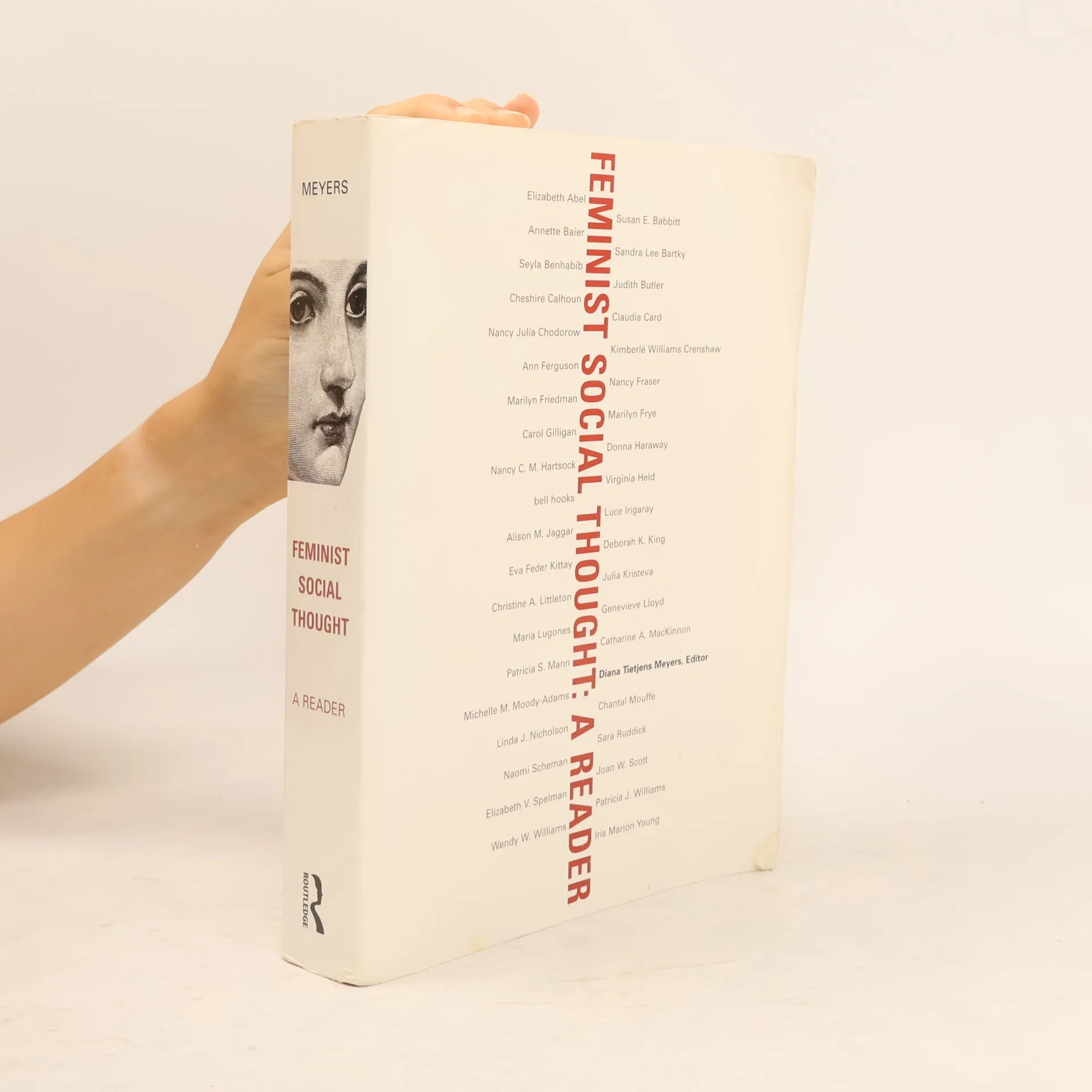
First published in 1998, this collection brings together key articles by prominent feminist thinkers, providing a sophisticated exploration of theoretical topics central to feminist social thought. It highlights significant concerns in contemporary feminist scholarship and the advancements made by feminist philosophers. The editor's introduction offers alternative pathways through the text, enabling instructors to tailor the reader to their specific courses and student interests. Each article includes a brief introduction that contextualizes it, emphasizing the main issues and conclusions, which aids students in navigating challenging theoretical concepts. Organized around seven topics—constructions of gender; theorizing diversity; figurations of women; subjectivity, agency, and feminist critique; social identity, solidarity, and political engagement; care and its critics; and women, equality, and justice—this collection represents a broad spectrum of feminist thinking. Students will engage with critical questions, including how gender norms are instilled and perpetuated, the relationships between gender and other social positions like race and class, the resources available for recognizing and resisting subordination, the goals of feminist politics, and the reconciliation of social and legal equality with difference.
Joan Wallach Scott Bücher
Joan Scott ist international für ihre Schriften bekannt, die Gender als analytische Kategorie theoretisieren, und gilt als führende Figur in der kritischen Geschichtsschreibung. Ihre bahnbrechende Arbeit hat die Grundlagen der konventionellen historischen Praxis in Frage gestellt und wesentlich zur Transformation der intellektuellen Geschichtsschreibung beigetragen. Scotts neuere Werke konzentrieren sich auf Gender und demokratische Politik und bieten Lesern tiefgreifende Einblicke in zeitgenössische gesellschaftliche und politische Fragen.

Gender and the Politics of History
- 256 Seiten
- 9 Lesestunden
A self-critical intellectual autobiography, the nine essays in Gender in the Politics of History are a tour de force-they reveal historical imagination relentlessly moving forward...
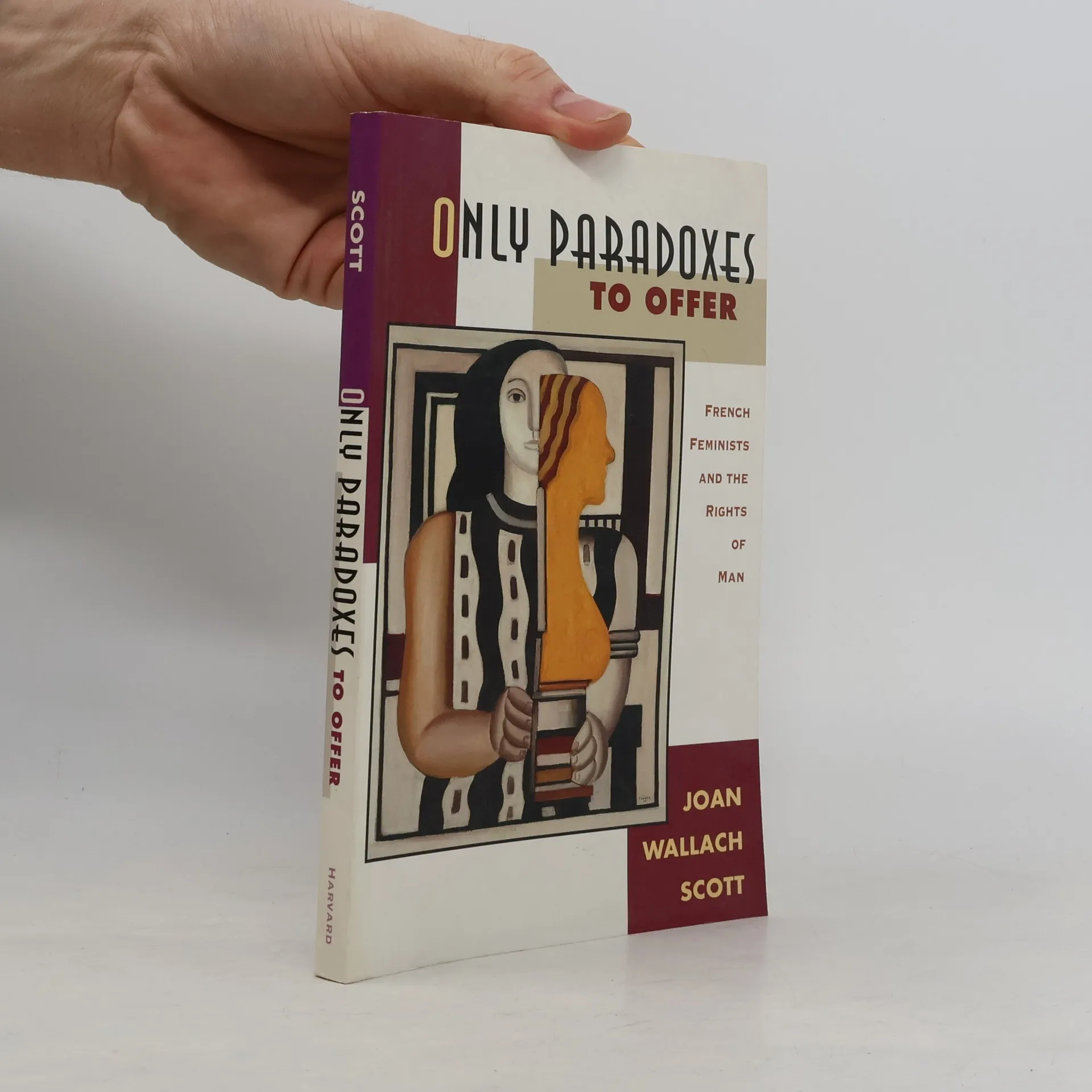
When feminists argued for political rights in the context of liberal democracy, they insisted that the differences between men and women were irrelevant for citizenship. Yet by acting on behalf of women, they introduced the very idea of difference they sought to eliminate. Scott reads feminist history in terms of this paradox.
Joan Wallach Scott, a historian who helped to shape the fields of gender and womens history, argues for the usefulness of psychoanalytic concepts, particularly fantasy, for feminist historical analysis.
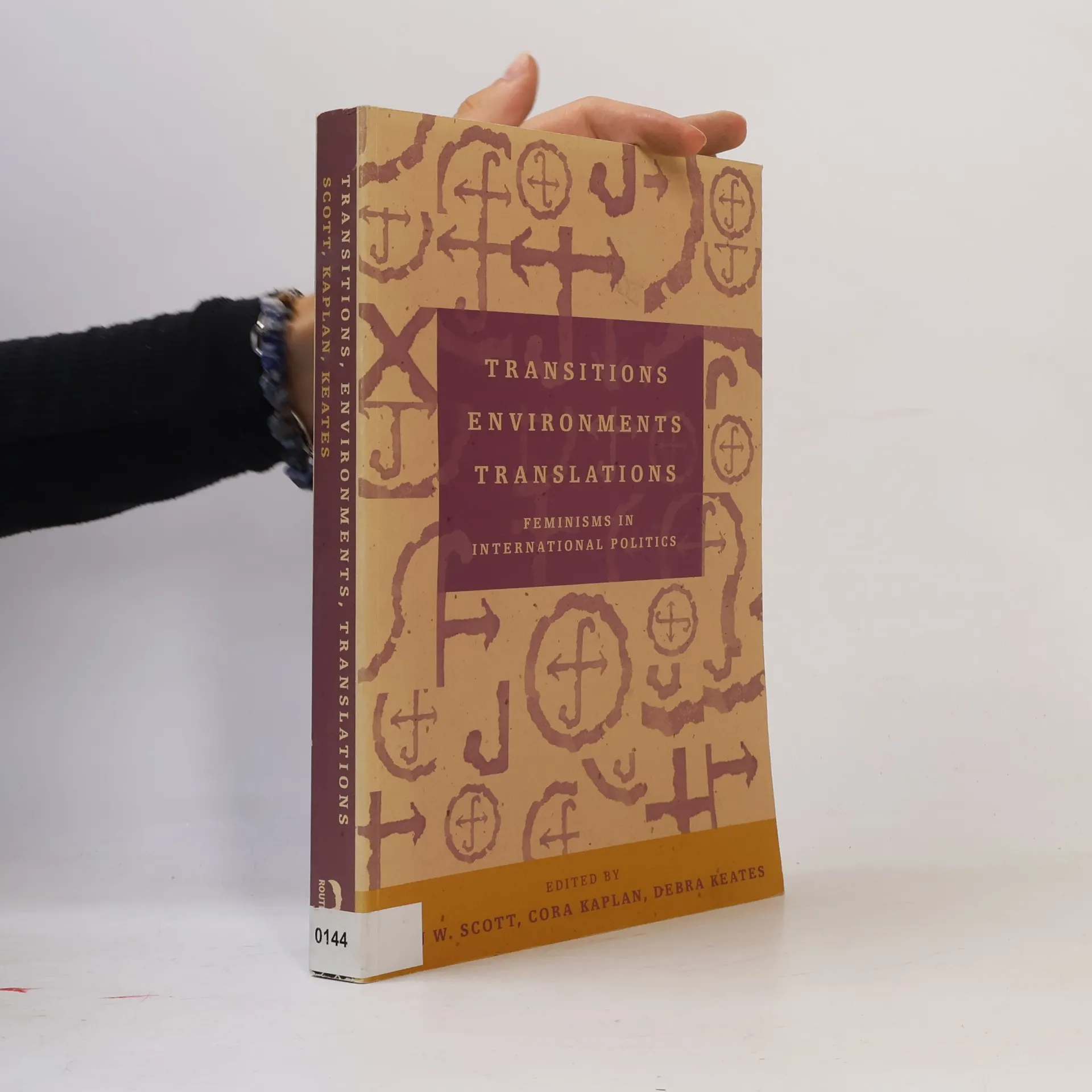
The essays in Transitions, Environments, Translations explore the varied meanings of feminism in different political, cultural, and historical contexts. They respond to the claim that feminism is Western in origin and universalist in theory, and to the assumption that feminist goals are self-evident and the same in all contexts.Rather than assume that there is a blueprint by which to measure the strength or success of feminism in different parts of the world, these essays consider feminism to be a site of local, national and international conflict. They What is at stake in various political efforts by women in different parts of the world? What meanings have women given to their efforts? What has been their relationship to feminism--as a concept and as an international movement? What happens when feminist ideas are translated from one language, one political context, to another?
The Lesbian and Gay Studies Reader
- 688 Seiten
- 25 Lesestunden
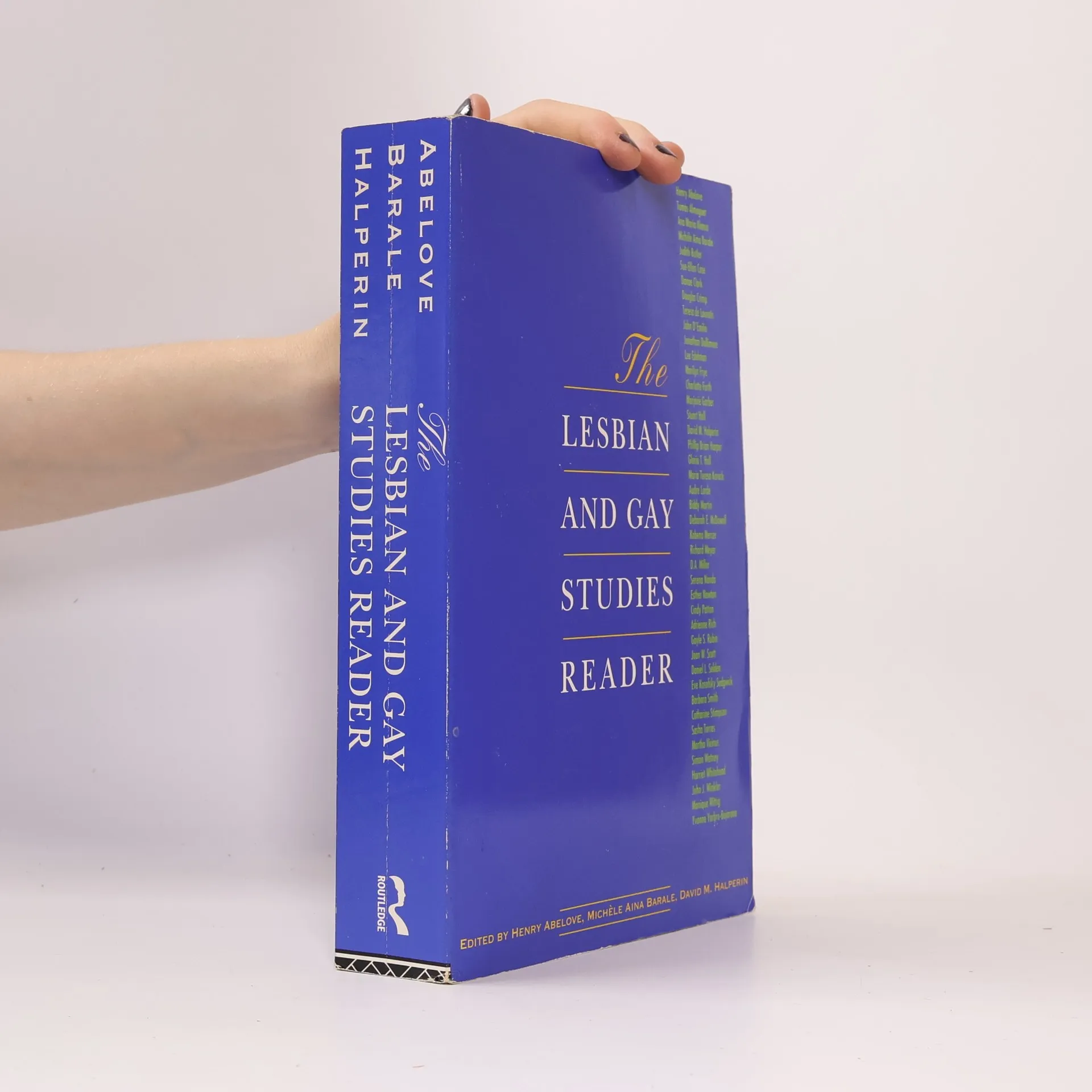
This anthology brings together forty-two influential essays, many regarded as classics, providing a vital overview of contemporary lesbian and gay studies. It showcases the breadth and depth of current scholarship, featuring contributions from esteemed scholars such as Judith Butler, John D'Emilio, and Eve Kosofsky Sedgwick. The essays delve into diverse sexual, ethnic, racial, and socio-economic experiences, reflecting a wide range of disciplines including history, literature, cultural studies, and sociology. The collection addresses significant themes such as gender roles, feminist theory, AIDS, and the politics of representation, while also exploring figures and topics like Oscar Wilde, Gertrude Stein, and the hijras of India. It highlights the cultural construction of gender and sexuality, examining the impact of societal norms on individual identities and experiences. Additionally, the anthology includes an extensive bibliographical essay, serving as a valuable resource for further exploration in the field. The contributions reflect the most important English-language work in lesbian and gay studies, making it an essential read for anyone interested in understanding the complexities of sexual identity and cultural expression.
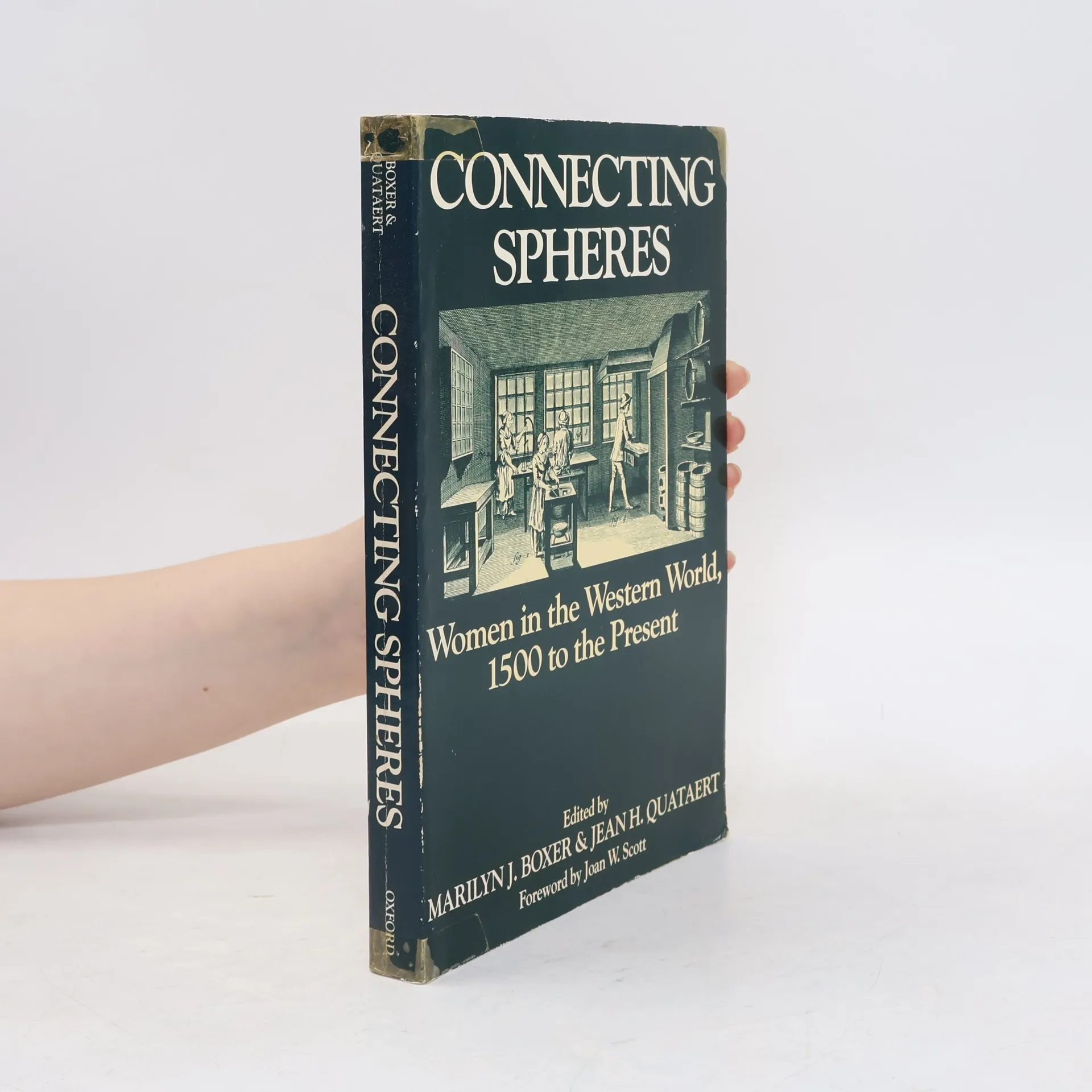
Integrating the discoveries of the new feminist scholarship with the main themes of Western civilization, this text examines women's influence on, and daily connections with, the religious, political, economic, scientific, social, and cultural changes that have transformed our world during the last half-millennium.