

Virtuelle Realität ist echte Realität! In seinem höchst originellen Buch liefert der international führende Philosoph David J. Chalmers eine verblüffende Analyse unserer technologischen Zukunft. Er argumentiert, dass virtuelle Welten keine Welten zweiter Klasse sind und dass wir in der virtuellen Realität ein sinnvolles Leben führen können – ja, vielleicht befinden wir uns sogar schon in einer Simulation. Auf dem Weg dorthin unternimmt Chalmers eine mitreißende Tour durch die großen Ideen der Philosophie und der Wissenschaft. Er nutzt die Technologie der virtuellen Realität, um neue Perspektiven auf altbekannte philosophische Fragen zu eröffnen. Woher wissen wir, dass es eine Außenwelt gibt? Gibt es einen Gott? Was ist die Natur der Realität? Was ist die Beziehung zwischen Geist und Körper? Wie können wir ein gutes Leben führen? All diese Fragen werden durch Chalmers' Analyse in ein anderes Licht gerückt und dadurch auf fruchtbare Weise erhellt. Gespickt mit wunderbar gewitzten Illustrationen, die abstrakte philosophische Themen anschaulich werden lassen, ist Realität+ ein Grundlagenwerk, das die Diskussion über Philosophie, Wissenschaft und Technologie in den kommenden Jahren prägen wird.
David John Chalmers Bücher
David J. Chalmers ist ein Philosoph, der sich primär mit den philosophischen Problemen des Geistes, des Bewusstseins und ihrer Beziehung zur physischen Welt beschäftigt. Seine Arbeit erforscht grundlegende Fragen des Seins, der Bedeutung und des Wissens mit Schwerpunkt auf tiefgreifenden philosophischen und wissenschaftlichen Implikationen. Chalmers versucht, philosophische Reflexion mit Erkenntnissen aus der Kognitionswissenschaft und Physik zu verbinden, um die Natur des Bewusstseins und seinen Platz im Universum besser zu verstehen. Sein Ansatz zeichnet sich durch seine Strenge und sein Streben nach Lösungen für die anspruchsvollsten philosophischen Probleme aus.

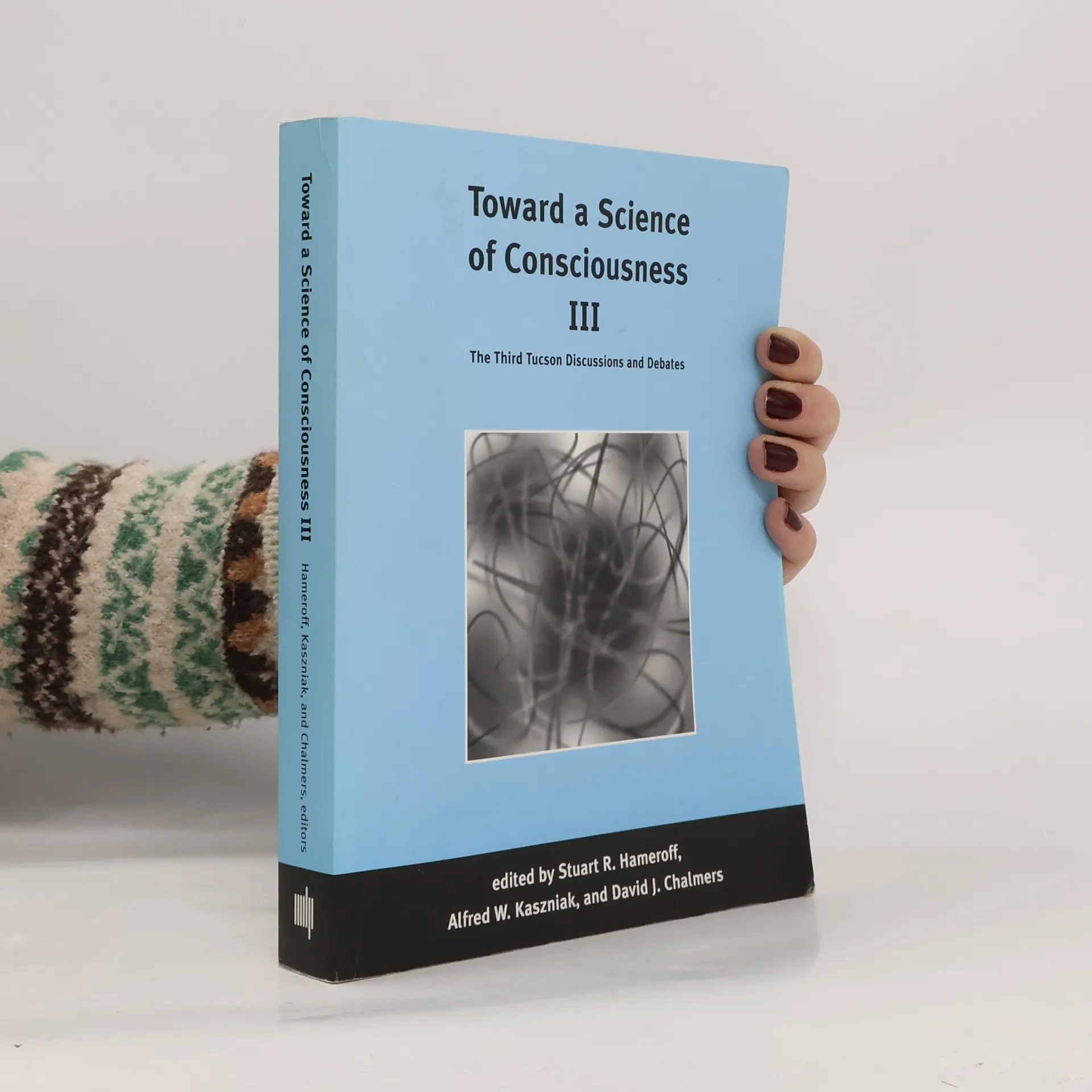

Complex Adaptive Systems: Toward a Science of Consciousness III
The Third Tucson Discussions and Debates
- 200 Seiten
- 7 Lesestunden
Can there be a science of consciousness? This question has been central to three significant conferences at the University of Arizona in Tucson, with the first two resulting in influential publications. This volume compiles invited papers from the third conference, highlighting advancements in the field by experts in philosophy, neuroscience, cognitive psychology, phenomenology, and physics. It is organized into nine sections: the explanatory gap, color, neural correlates of consciousness, vision, emotion, the evolution and function of consciousness, physical reality, the timing of conscious experience, and phenomenology. Each section begins with an overview and commentary by the editors. Contributors include a diverse group of scholars such as Dick J. Bierman, Jeffrey Burgdorf, A. Graham Cairns-Smith, William H. Calvin, and many others, each bringing unique insights into the complexities of consciousness. This collection reflects the ongoing dialogue and interdisciplinary collaboration aimed at understanding the nature of consciousness and its implications for various fields of study.
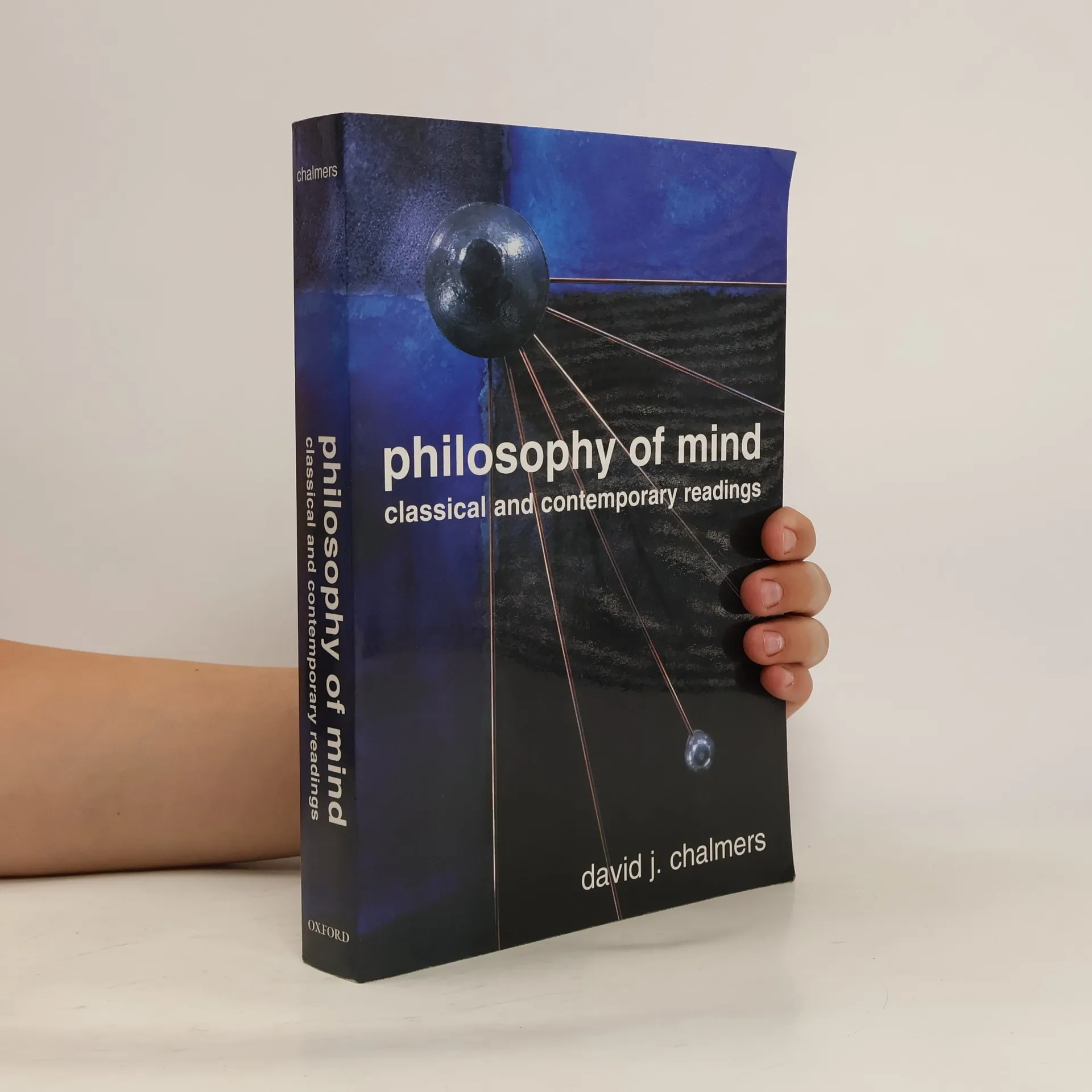
Philosophy of Mind. Classical and Contemporary Readings
- 688 Seiten
- 25 Lesestunden
What is the mind? Is consciousness a process in the brain? How do our minds represent the world? Philosophy of Mind: Classical and Contemporary Readings is a grand tour of writings on these and other perplexing questions about the nature of the mind. The most comprehensive collection of its kind, the book includes sixty-three selections that range from the classical contributions of Descartes to the leading edge of contemporary debates. Extensive sections cover foundational issues, the nature of consciousness, and the nature of mental content. Three of the selections are published here for the first time, while many other articles have been revised especially for this volume. Each section opens with an introduction by the editor. Philosophy of Mind is suitable for students at all levels and also for general readers.
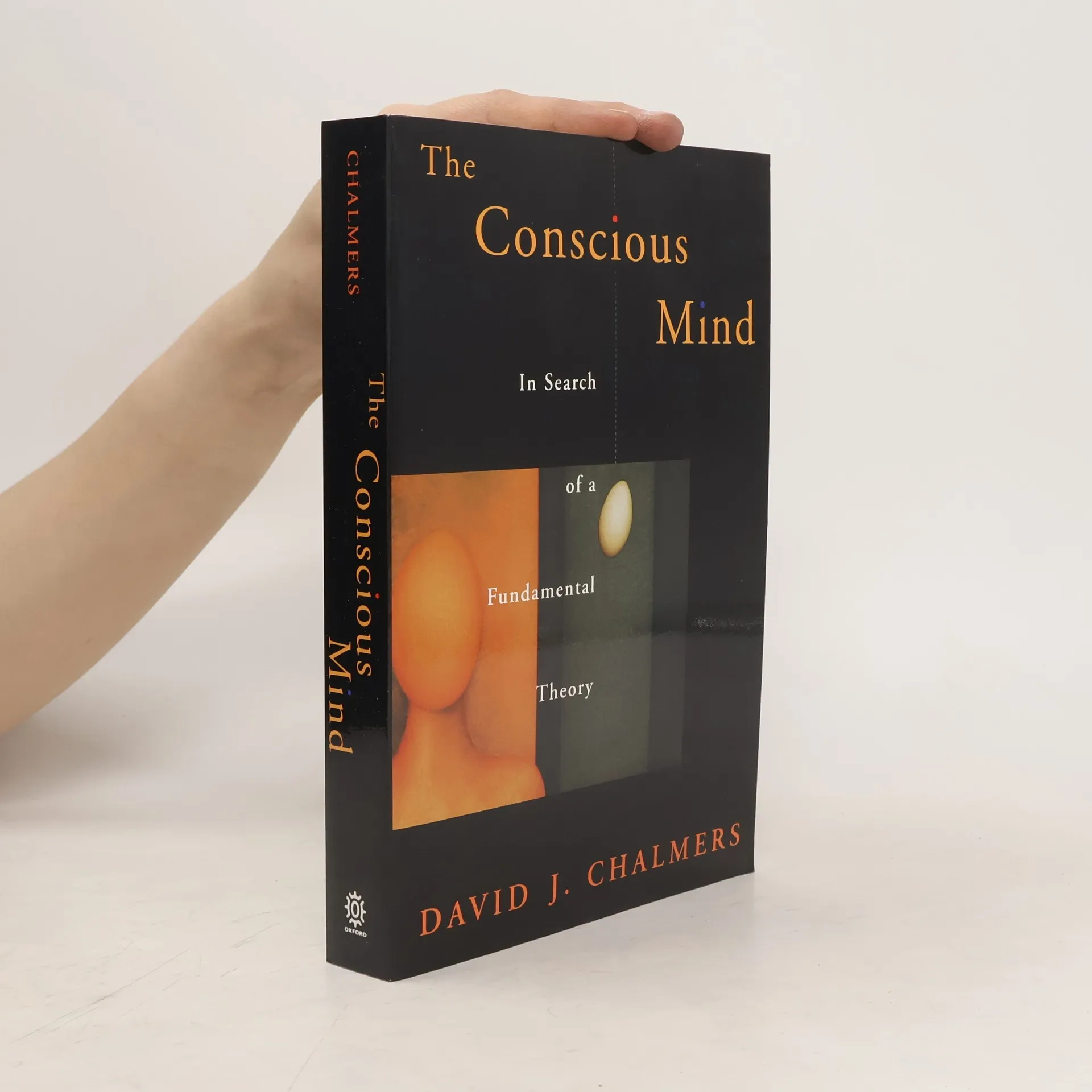
The Conscious Mind
- 432 Seiten
- 16 Lesestunden
The author of this text offers a theory of consciousness. He proposes that conscious experience must be understood as an irreducible entity similar to such physical properties as time, mass, and space that exists at a fundamental level and cannot be understood as the sum of its parts.
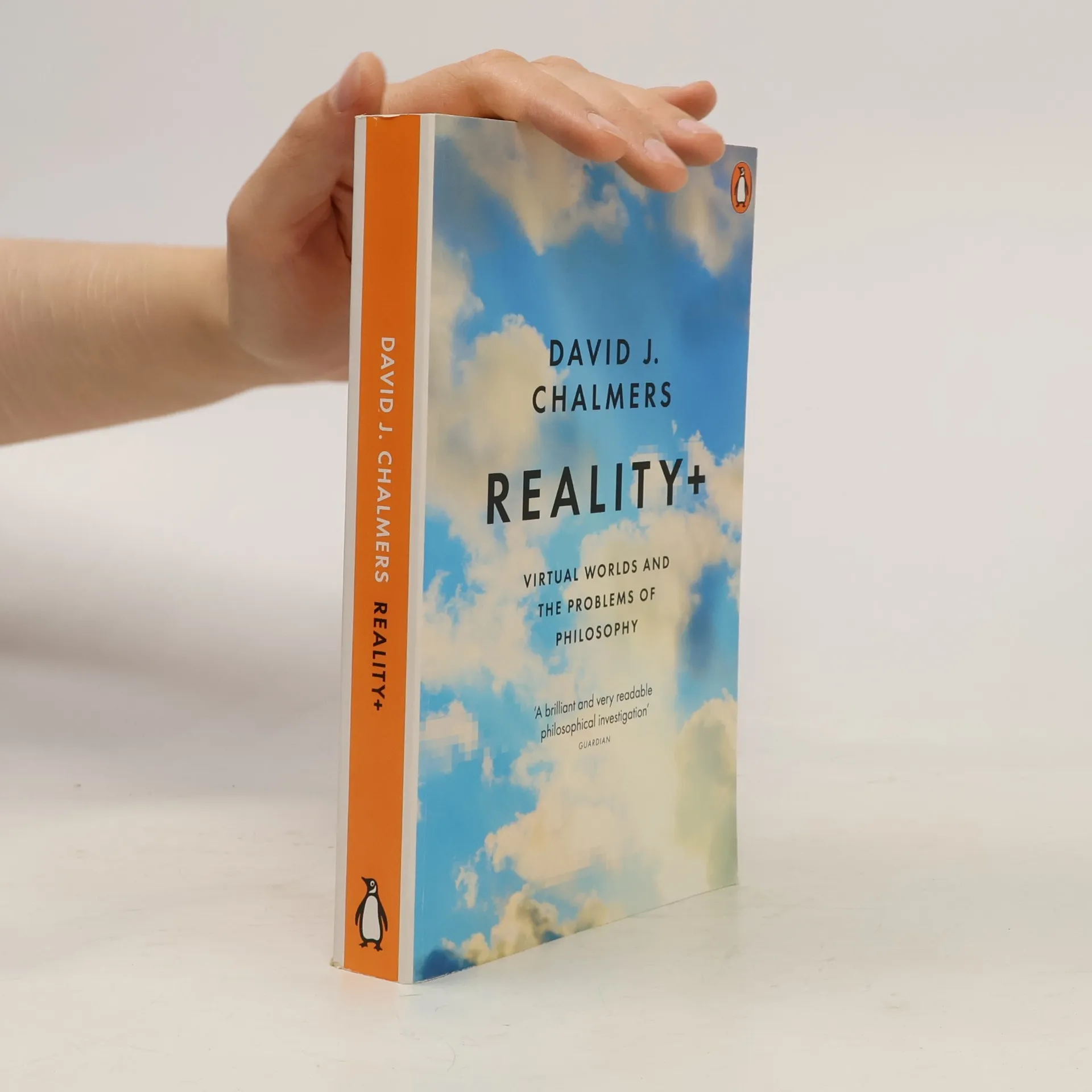
Reality+
- 520 Seiten
- 19 Lesestunden
From one of our leading thinkers, a dazzling philosophical journey through virtual worlds In the coming decades, the technology that enables virtual and augmented reality will improve beyond recognition. Within a century, world-renowned philosopher David J. Chalmers predicts, we will have virtual worlds that are impossible to distinguish from non-virtual worlds. But is virtual reality just escapism? In a highly original work of 'technophilosophy', Chalmers argues categorically, no: virtual reality is genuine reality. Virtual worlds are not second-class worlds. We can live a meaningful life in virtual reality - and increasingly, we will. What is reality, anyway? How can we lead a good life? Is there a god? How do we know there's an external world - and how do we know we're not living in a computer simulation? In Reality+, Chalmers conducts a grand tour of philosophy, using cutting-edge technology to provide invigorating new answers to age-old questions. Drawing on examples from pop culture, literature and film that help bring philosophical issues to life, Reality+ is a mind-bending journey through virtual worlds, illuminating the nature of reality and our place within it.
Philosophy of Mind Series: Three Faces of Desire
- 224 Seiten
- 8 Lesestunden
Desiring is a universal experience linked to motivation, pleasure, and reward—referred to as "the three faces of desire." The prevailing philosophical view suggests that the motivational aspect defines desire: to desire something means being inclined to act to achieve it. Conversely, a less conventional perspective emphasizes the hedonic aspect, where desire is tied to feelings of pleasure or displeasure based on perceived outcomes. In this work, the author introduces a novel theory that emphasizes the often-overlooked face of desire: reward. Drawing from both contemporary scientific insights and philosophical traditions, the discussion explores recent findings about how actions and feelings are generated in the brain. Notably, experiments indicate that a specific system in the brain is responsible for driving actions and eliciting feelings of pleasure or displeasure. This reward system serves as the causal foundation for both action and feeling, offering a deeper understanding of the essence of desire.