

Die legendäre Band »The Cure« rund um Frontmann Robert Smith mit seinen toupierten schwarzen Haaren und dem verschmierten roten Lippenstift hat in ihrem bald fünfzigjährigen Bestehen unendlich viel erlebt – Krisen, Auszeichnungen, zahllose Konzerte… Ihre melancholische, kunstvolle Musik und der ikonische Look begeistert Fans auf der ganzen Welt. Mit mehr als 30 Millionen verkauften Alben, zahllosen Hits wie ihrem ersten Charterfolg »Boys Don't Cry«, das saccharinsüße »Friday I'm in Love«, das sphärisch-verstörende »Lullaby« und als erfolgreichste Liveband in ihrem Genre mit Jahr um Jahr ausverkauften Hallen haben sich »The Cure« ihre Aufnahme in die Rock'n'Roll Hall of Fame 2019 durch harte Arbeit verdient. Simon Price, seit seinen Teenager-Jahren glühender Anhänger der Band, hat die spannendsten, verblüffendsten und unbekanntesten Geschichten und Fakten aus der Bandgeschichte zu einer begeisternden Enzyklopädie zusammengestellt, von A wie abbrennende Matratzen bis Z wie zudringliche Fans. Ein ungemein kenntnisreiches, überraschendes und vielseitiges Kompendium für alle Alternative-, Gothic- und »The Cure«-Fans! Ausstattung: mit Bildteil
Simon Price Bücher
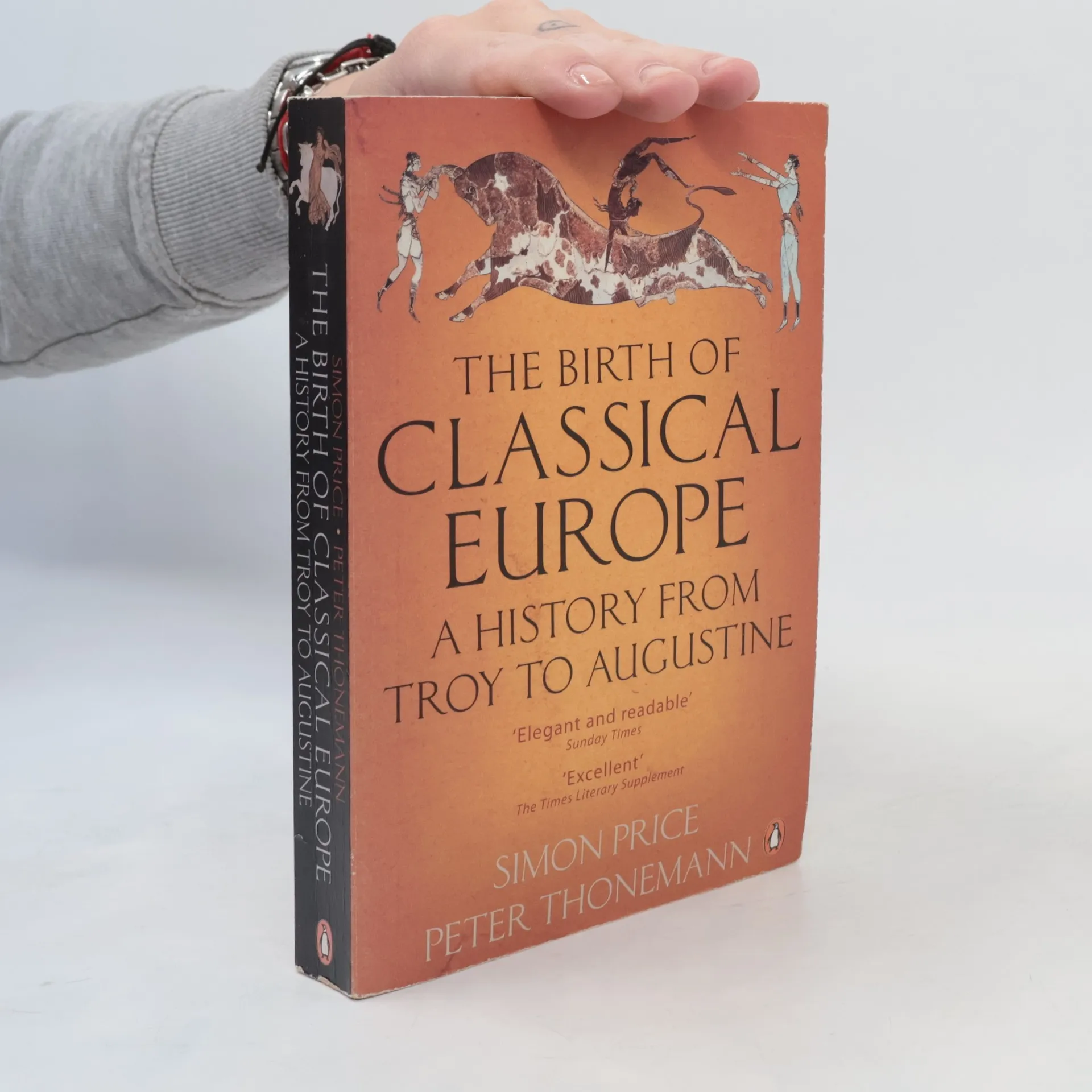

This comprehensive, readable survey of the Classical past is ambitious in scope: it ranges from the Aegean world of the second millenium BC to Augustine's City of God . More than that, it considers not only how the ancient world is remembered today but also how the Greeks and Romans perceived and felt the influence of their own past.
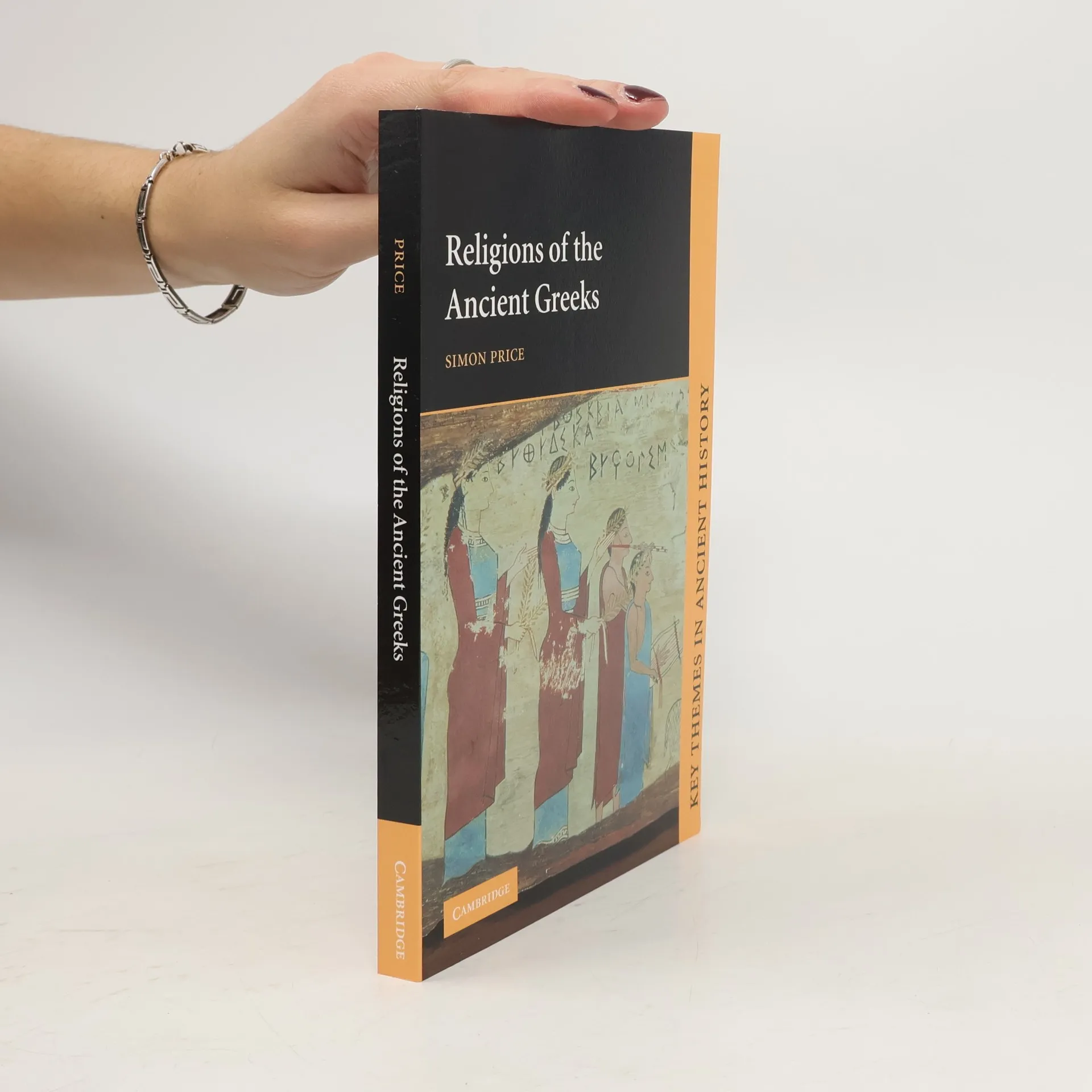
This 1999 book is about the religious life of the Greeks from the eighth century BC to the fifth century AD, looked at in the context of a variety of different cities and periods. Simon Price does not describe some abstract and self-contained system of religion or myths but examines local practices and ideas in the light of general Greek ideas, relating them for example, to gender roles and to cultural and political life (including Attic tragedy and the trial of Socrates). He also lays emphasis on the reactions to Greek religions of ancient thinkers - Greek, Roman, Jewish and Christian. The evidence drawn on is of all kinds: literary texts, which are translated throughout; inscriptions, including an appendix of newly translated Greek inscriptions; and archaeology, which is highlighted in the numerous illustrations.