

„Afrika“ dient in vielen haarpolitischen Debatten nur als positive und teilweise sehr unpräzise definierte Projektionsfläche, die für eine bessere vorkoloniale Schwarze Welt steht. Nur wenig Aufmerksamkeit wurde bisher darauf verwendet, die tatsächlich gegenwärtig gelebte Haarkultur- und -politik in verschiedenen kontinentalafrikanischen Kontexten auch auf ihr Eingebettet-Sein in globale, historisch gewachsene Hierarchien hin zu betrachten. Oft wird übersehen, dass auch hier – auf ihre eigene Weise – rassistische Ideologien und insbesondere weiße Vorherrschaft als koloniale Kontinuitäten wirken, und zeitgenössische Haarkultur mitprägen. Die vorliegende Arbeit möchte einen Beitrag dazu leisten, diese Dynamiken besser zu verstehen. Dabei werden jedoch auch relevante Facetten Schwarzen Selbstverständnisses und gelebte ästhetische Praktiken beleuchtet, die über die Auseinandersetzung mit weißer Vorherrschaft hinausweisen.
Sandrine Micosse Aikins Reihenfolge der Bücher (Chronologisch)
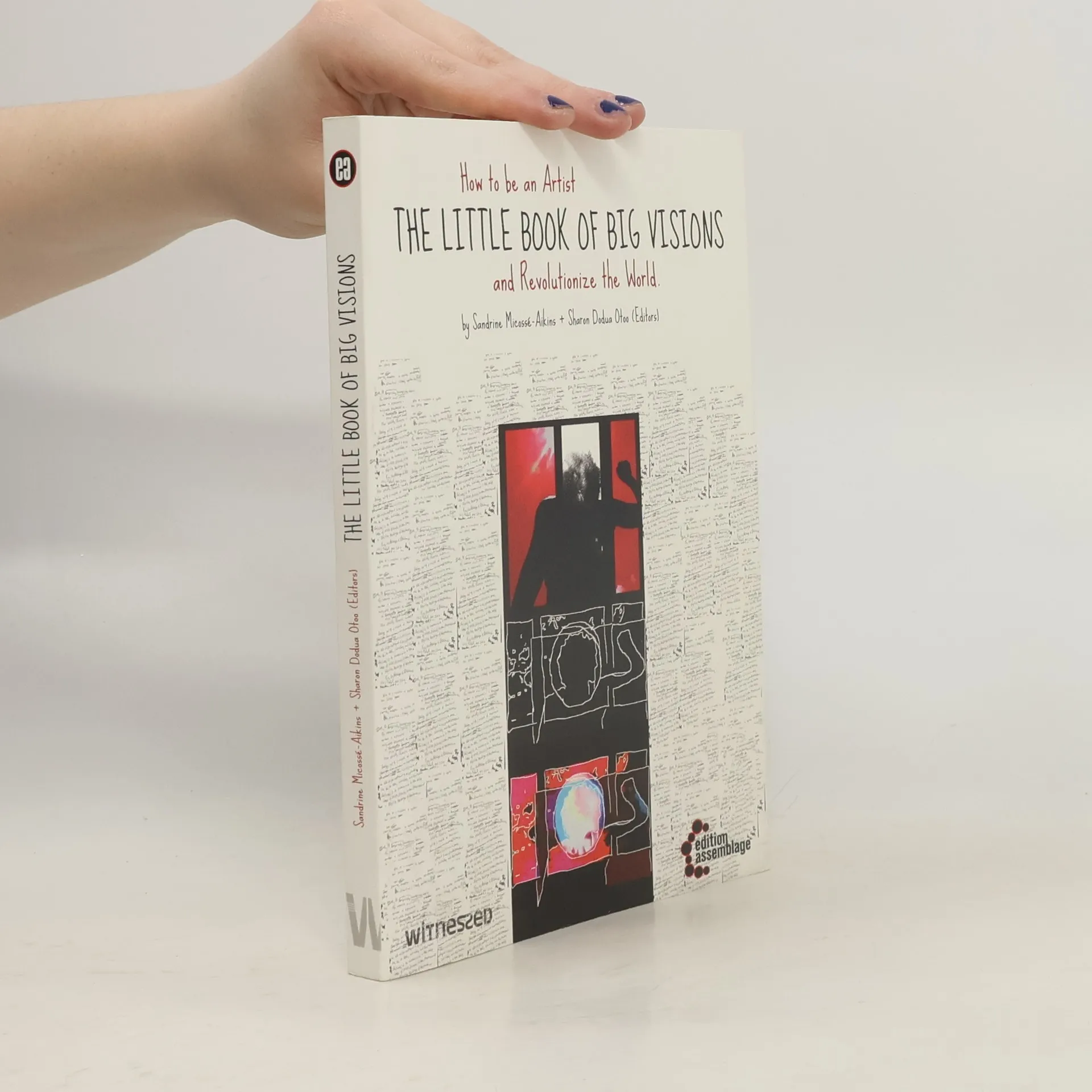

The Little Book of Big Visions
How to Be an Artist and Revolutionize the World - Witnessed
- 158 Seiten
- 6 Lesestunden
German theatres predominantly feature white ensembles, while Afro-German visual artists face ongoing challenges for recognition beyond labels like “African” or “migrant.” “The Little Book of Big Visions: How to be an Artist and Revolutionize the World,” edited by Sandrine Micossé-Aikins and Sharon Dodua Otoo, explores the current landscape for Black artists in Germany, presenting their visions for equality through text and imagery. This anthology transcends traditional discussions of “integration,” “migration,” “race,” and “equality,” targeting primarily Black cultural producers in Germany and those in English-speaking diasporas. It also invites anyone interested in transforming Germany's contemporary art scene to engage with its content. As the inaugural publication in the English-language series Witnessed, this work addresses what egalitarian communities might look like and the pivotal role of Black cultural workers in realizing these visions. It poses questions about the nature of Black artistic practices in such communities and what lies beyond mere reaction and resistance. By fostering dialogue about the underrepresented experiences of Black cultural workers in Germany, the book highlights how they envision and advocate for equal opportunities. Contributions come from a diverse range of voices, including Jamika Ajalon, Bibiana Arena, Mo Asumang, and others.