
Gratis Versand in ganz Österreich
Bookbot

Brian Longhurst

    Commodification and Its Discontents
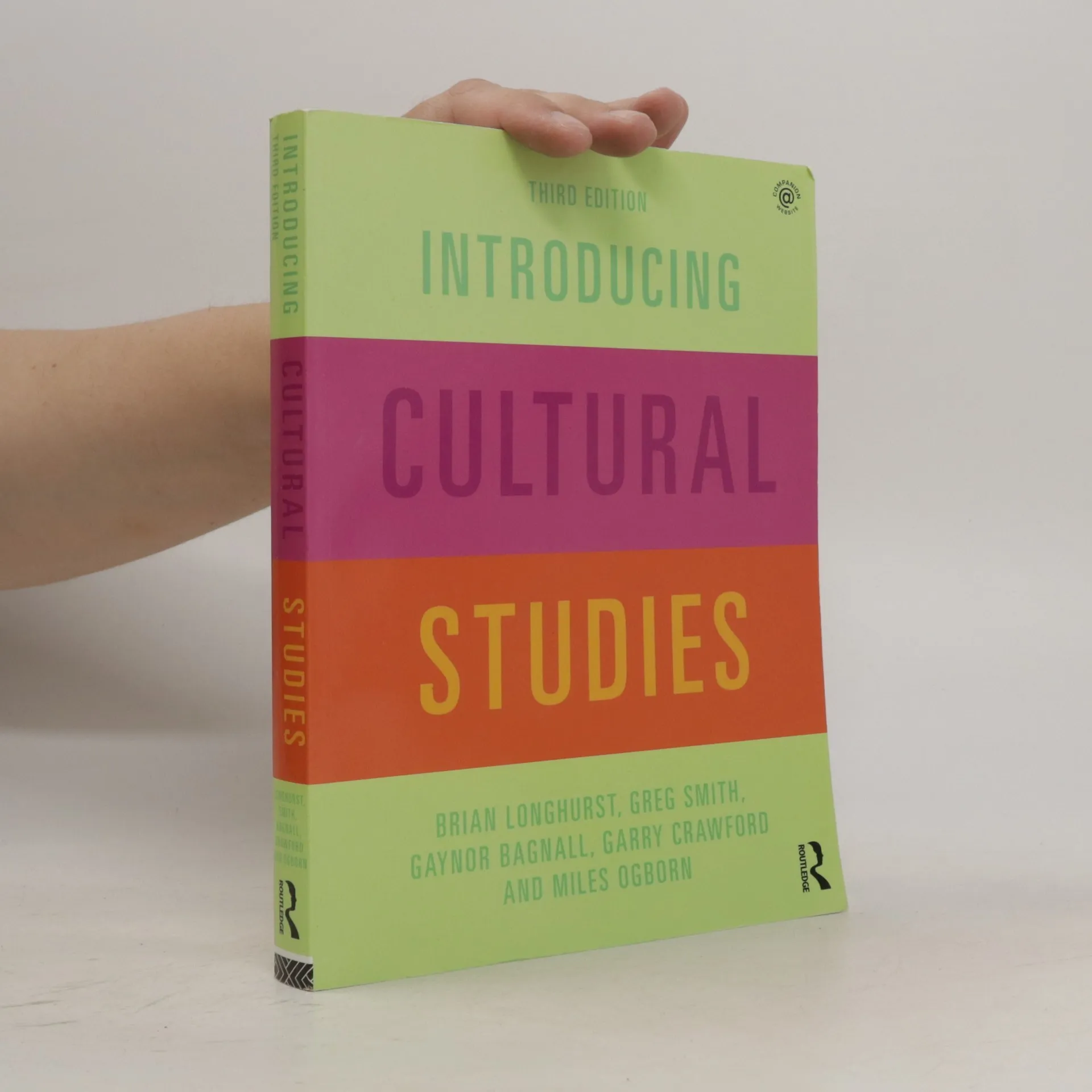
    Introducing Cultural Studies
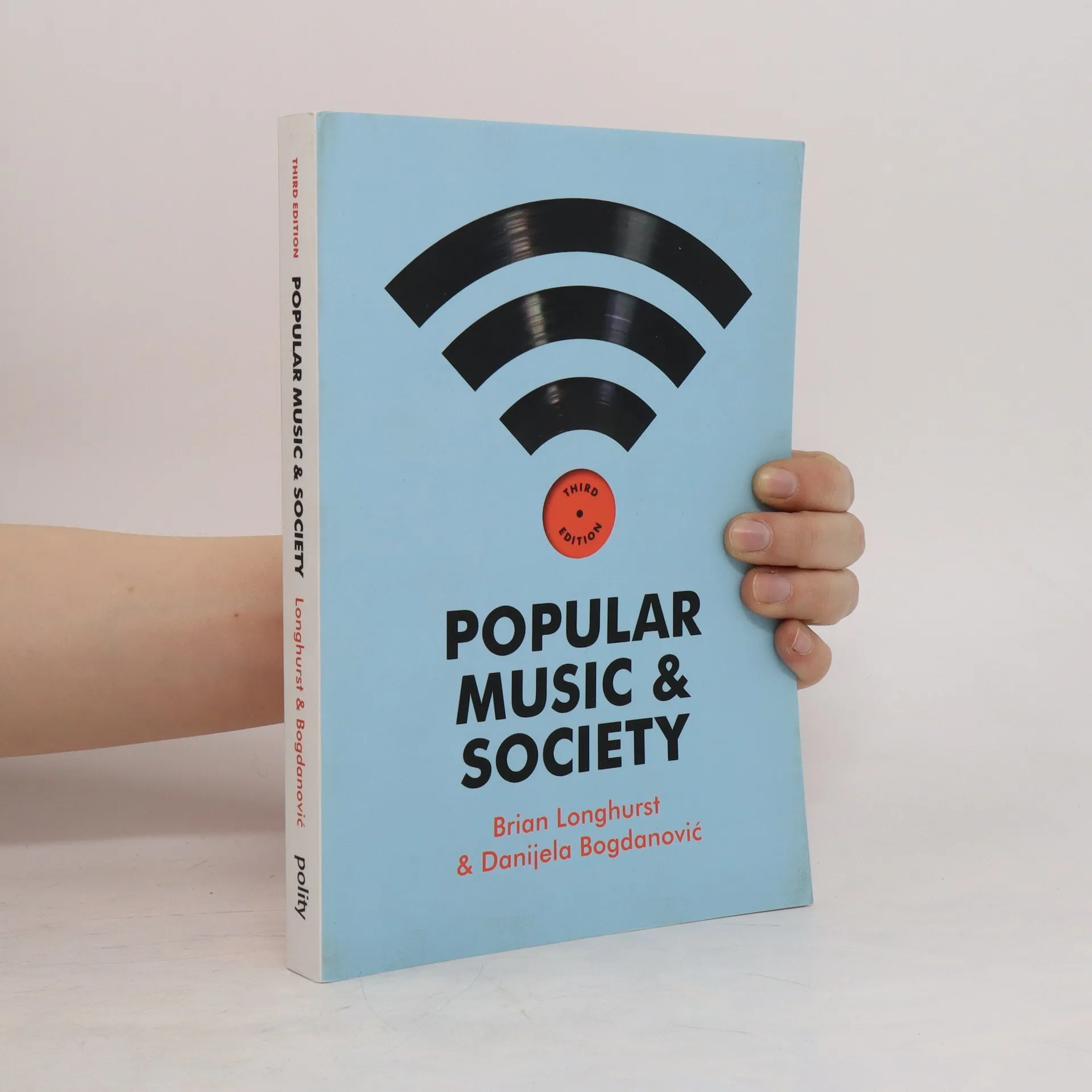
    Popular Music and Society
    • Popular Music and Society

      • 312 Seiten
      • 11 Lesestunden
      3,0(2)Abgeben

      The third edition of Popular Music and Society is fully revised and updated, deftly exploring the study of popular music in the context of wider debates in sociology and media and cultural studies. Astute and accessible, it continues to set the agenda for research and teaching in this area. The book begins by examining the ways in which popular music is produced, before moving on to explore its structure as text and the ways in which audiences understand and use music. Packed with up-to-date examples and data on the contemporary production and consumption of popular music, the book includes overviews and critiques of theoretical approaches to this exciting area of study and outlines the most important empirical studies which have shaped the discipline. Topics covered include: The contemporary organization of the music industry The effects of technological change on production The history and politics of popular music Gender, sexuality and ethnicity Subcultures Fans and music celebrities This new edition adds sections on the impact of digital media on popular music production and consumption and incorporates original ethnographic research on musicianship and musical practices. It will continue to be required reading for students of the sociology of culture, media and communication studies, and popular culture.

      Popular Music and Society
    • Introducing Cultural Studies

      • 488 Seiten
      • 18 Lesestunden
      3,5(18)Abgeben

      Culture and cultural studies -- Culture, communication and representation -- Culture, power, globalization and inequality -- Consumption, collaboration and digital media -- Researching culture, communication and media -- Topographies of culture: geography, meaning and power -- Politics and culture -- Cultured bodies -- Audiences, fans, subcultures and postsubcultures -- Visual culture

      Introducing Cultural Studies
    • Should human organs be bought and sold? Is it right that richer people should be able to pay poorer people to wait in a queue for them? Should objects in museums ever be sold? The assumption underlying such questions is that there are things that should not be bought and sold because it would give them a financial value that would replace some other, and dearly held, human value. Those who ask questions of this kind often fear that the replacement of human by money values – a process of commodification – is sweeping all before it. However, as Nicholas Abercrombie argues, commodification can be, and has been, resisted by the development of a moral climate that defines certain things as outside a market. That resistance, however, is never complete because the two regimes of value – human and money – are both necessary for the sustainability of society. His analysis of these processes offers a thought-provoking read that will appeal to students and scholars interested in market capitalism and culture.

      Commodification and Its Discontents