


Bookbot

Tony Hawk Bücher

    12. Mai 1968

    Tony Hawk, bekannt als "The Birdman", ist eine Schlüsselfigur im modernen vertikalen Skateboarden. Sein innovativer Ansatz und seine Erfolge auf dem Board haben den Sport geprägt und Generationen von Skatern inspiriert. Neben seinen sportlichen Errungenschaften engagiert sich Hawk für Philanthropie, insbesondere durch seine Stiftung, die den Bau von Skateparks in unterversorgten Gemeinden unterstützt. Sein Einfluss reicht über den sportlichen Bereich hinaus und hat einen unauslöschlichen Eindruck in der Kultur hinterlassen.

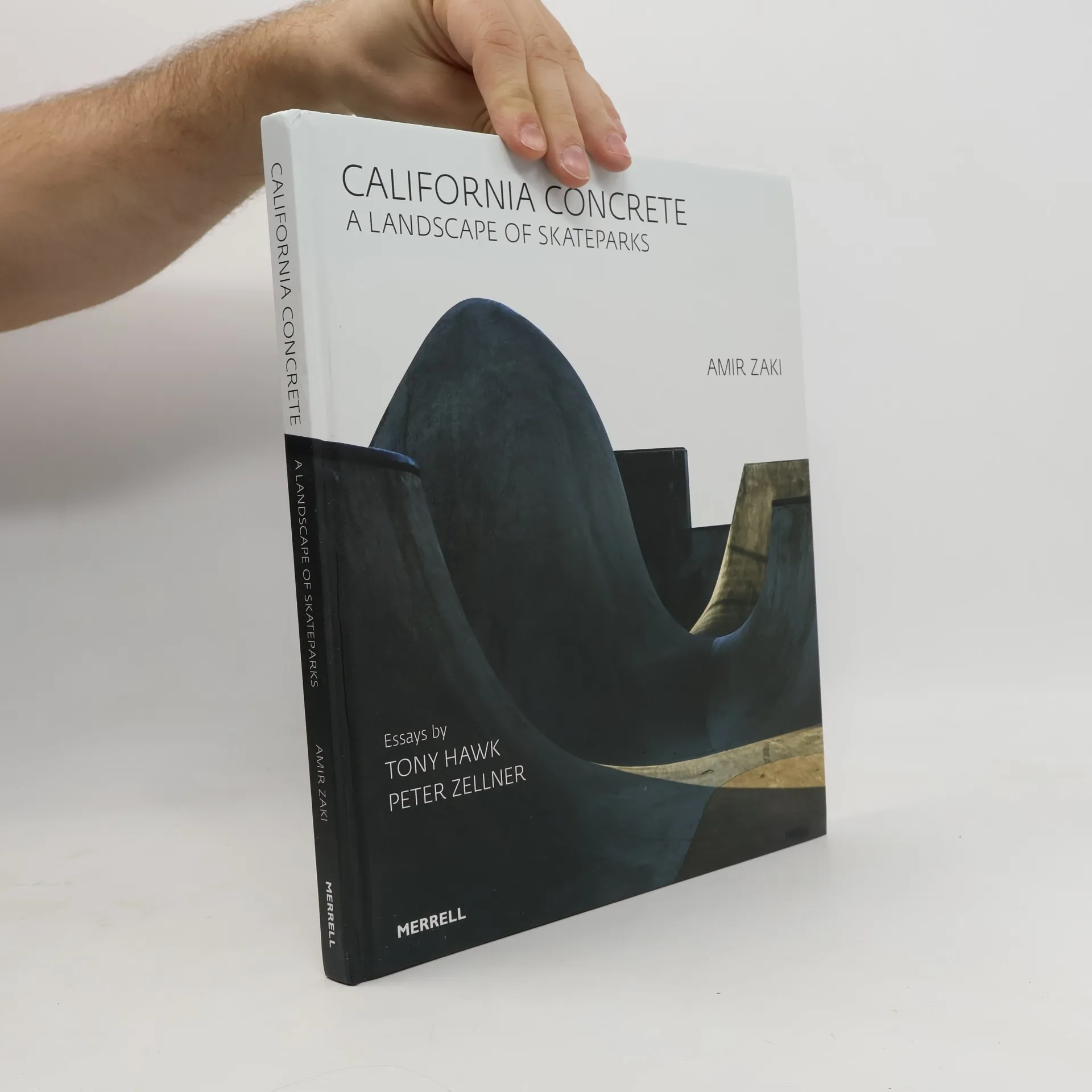
    California Concrete
    Skate Girls of Kabul
    Push: J. Grant Brittain - '80s Skateboarding Photography
    Hawk
    • Hawk

      • 362 Seiten
      • 13 Lesestunden

      Für Tony Hawk waren zwei Jahrzehnte des Skatens, das Erfinden von über achtzig Tricks und das Gewinnen unzähliger Wettbewerbe nicht genug. Er erlitt schwere Verletzungen, darunter Gehirnerschütterungen und gebrochene Rippen, während er versuchte, den schwer fassbaren 900 zu landen. Nach dreizehn Jahren gescheiterter Versuche gelang es ihm schließlich, einen Trick auszuführen, der zuvor noch nie gemacht worden war. Aufgewachsen in Sierra Mesa, Kalifornien, war Tony ein hyperaktives Kind mit einem IQ von 144, bekannt für seine Wutausbrüche. Sein Leben änderte sich, als ihm sein Bruder ein Skateboard schenkte und sein Vater eine Rampe baute, die ihm einen Auslass für seine Energie bot. Trotz des Spottes über seinen Skate-Stil führte seine Entschlossenheit zu professionellem Erfolg und machte ihn zu einem Pionier eines neuen Skate-Stils. In seiner Erzählung teilt Tony die weniger glamourösen Aspekte des Skateboardens, von Auftritten im italienischen Fernsehen bis hin zu Kämpfen mit Lebensmittelvergiftungen während einer Demo in Brasilien. Er berichtet von wilden Erlebnissen mit Teamkollegen und der unberechenbaren Natur der Skateboard-Industrie, in der sein Einkommen schwankte. Die größte Herausforderung war der Verlust seines Vaters, Frank Hawk, seines größten Unterstützers. Mit Ehrlichkeit reflektiert Tony über Liebe, Verlust und die Einflüsse, die sein Leben prägten, während er seine Erfahrungen mit Skatelegenden erzählt und E

      Hawk
      4,0
    • The dynamic images from the analog era found in Behind the Lens demonstrate why Grant Brittain has become one of the most widely-recognized skateboard photographers on the planet. Brittain has been at the epicenter of California skateboarding since landing a job at Del Mar Skate Ranch in 1978. Brittain started shooting Kodachrome at Del Mar in 1979, and within a few years he was submitting photographs to TransWorld Skateboarding magazine, going on to become Photo Editor there shortly thereafter. In 1987, "The Push," a photo of Tod Swank made the cover of TransWorld, becoming one of the most recognizable photos in all of skateboarding. J Grant Brittain has mentored dozens of budding photographers while achieving the status of icon to skateboarders around the world. It's high time the world gets a chance to see this collection of his work from the 1980s that has inspired so many.

      Push: J. Grant Brittain - '80s Skateboarding Photography
      4,5
    • Skate Girls of Kabul

      • 176 Seiten
      • 7 Lesestunden

      Skate Girls of Kabul tells the remarkable story of Afghan girls who have taken up skateboarding, thanks to Skateistan, an Afghan charity that provides skate parks as a hook to get children from disadvantaged families back into the educational system. Colourful, free-flowing and full of life, these Afghan girls bring a new dimension to skateboarding culture.

      Skate Girls of Kabul
      5,0
    • California Concrete

      A Landscape of Skateparks

      • 127 Seiten
      • 5 Lesestunden

      Southern California is the birthplace of skateboard culture, where skateparks continue to thrive through collaboration among architects, engineers, and skateboarders. Artist Amir Zaki, a former skateboarder with years of experience photographing California's landscapes, appreciates these concrete structures as both sculptural forms and significant contemporary features. To create the images in this book, Zaki captured early-morning light photos, climbing into bowls and pipes when no skaters were present. Each image is a composite of numerous shots taken with a motorized tripod, resulting in high-resolution photographs that maintain detail even at large scales. Zaki’s telephoto lens flattens space while the wide angle exaggerates depth, allowing him to capture unique perspectives from difficult positions. He argues that experiencing these spaces from within alters the visual perception compared to viewing from outside. Tony Hawk, a renowned skateboarder, reflects on how Zaki’s photos of empty skateparks evoke memories of freedom and potential from his childhood visits. For Hawk, some images resonate with the experience of learning tricks. Architect Peter Zellner offers a contrasting view, noting that skateparks, formed by excavating land, represent nature's features but are permanently set in cement, emphasizing function over form. Zaki’s photographs, however, reveal a deeper connection to Southern California's architectural hi

      California Concrete