

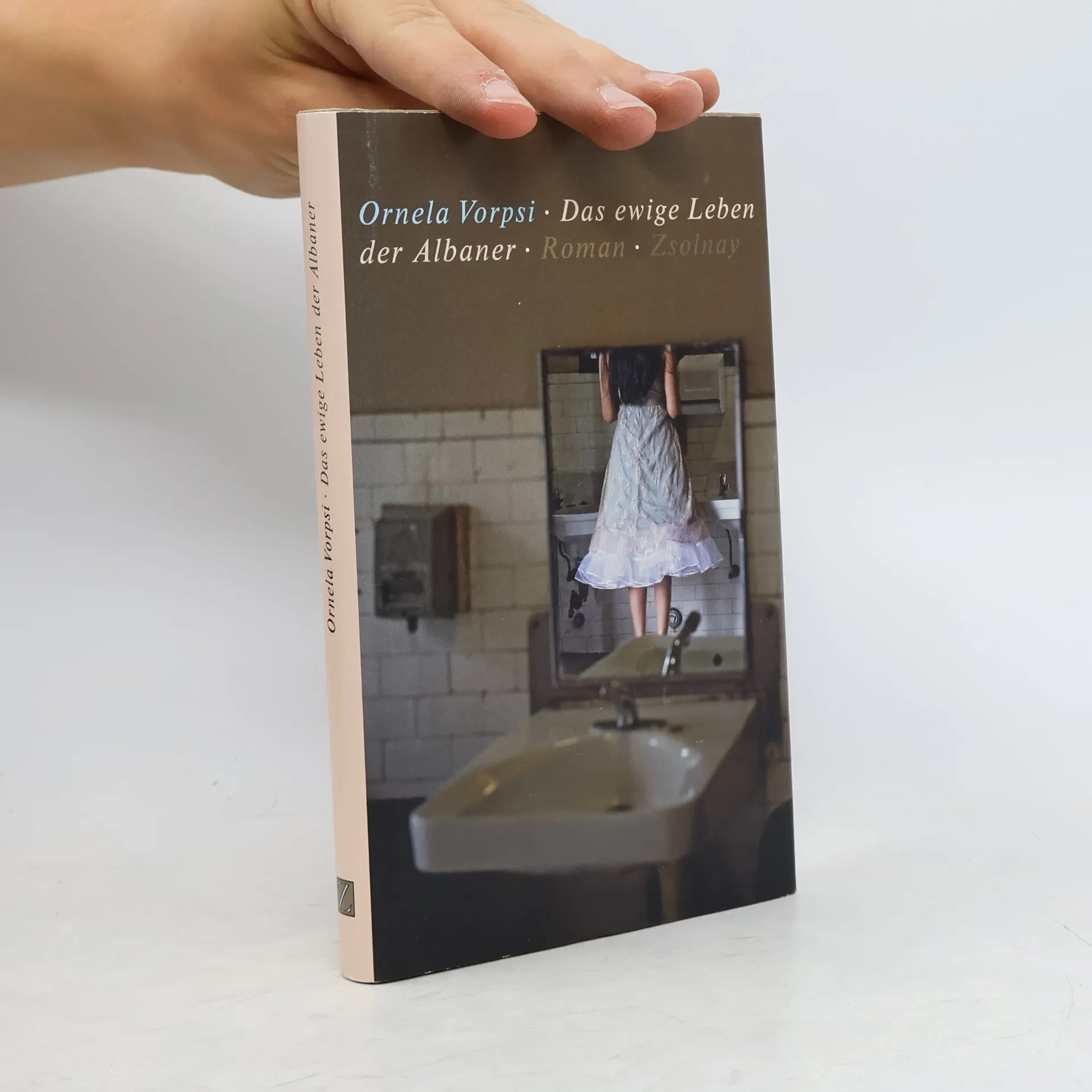
„Albanien ist das Land, wo keiner stirbt.“ So beginnt der Roman der 1968 in Tirana geborenen und heute in Paris lebenden Ornela Vorpsi über das seinerzeit wohl exotischste staatliche Gebilde Europas, übersät von Tausenden Ein-Mann-Bunkern, unter der Fuchtel einer alles und jeden kontrollierenden Kommunistischen Partei. Die Zeit schien hier für mehr als ein halbes Jahrhundert stillzustehen, ehe Anfang der Neunzigerjahre auch Albanien von der Demokratisierung erfasst wurde. Davon ist jedoch noch nichts zu spüren in den Episoden dieses Romans; er erzählt vom Heranwachsen eines aufgeweckten Mädchens, das eine archaisch-verrückte Welt entdeckt.
Ornela Vorpsi Bücher
3. August 1968
Ornela Vorpsi schafft Prosa, die sich mit der Komplexität von Identität und der Erfahrung des Exils auseinandersetzt. Ihr Schreiben ist tief persönlich und doch universell ansprechend und erforscht die komplexen Zusammenhänge zwischen Kultur, Erinnerung und Ort. Durch eindringliche Bilder und lyrische Sprache schafft Vorpsi eine immersive Atmosphäre, die den Leser einlädt, sich mit den tiefgreifenden Aspekten der menschlichen Verfassung auseinanderzusetzen.
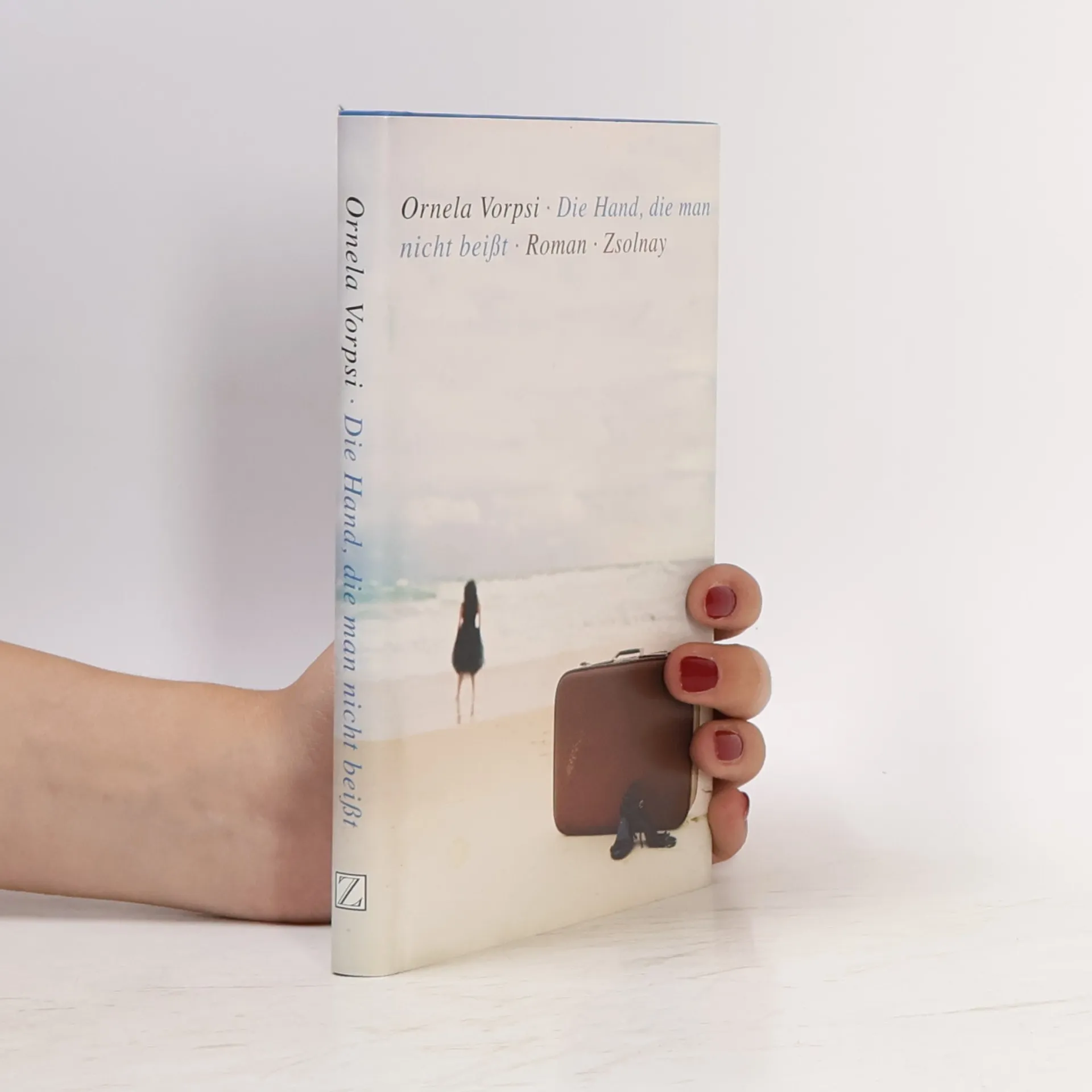
Mirsad, ein alter Freund aus Sarajevo, ist angeblich krank, und so eilt ihm die Erzählerin aus Paris mit großem Getöse zu Hilfe. Doch schnell wird ihr klar, es ist keine schwere Krankheit, die Mirsad erfasst hat, es ist der Weltschmerz, den sie so gut kennt. Sarajevo oder Tirana, Serbien, Bosnien, Albanien, „alles Balkan“, stellt die Erzählerin lapidar fest. Und der Besuch bei Mirsad gerät mehr und mehr zu einer Reise in die Vergangenheit, zu einem Pendeln zwischen Geschichte im Kommunismus und Gegenwart im Kapitalismus. Nach „Das ewige Leben der Albaner“ führt Vorpsi uns nun witzig und geistreich in eine Welt, in der man „Die Hand, die man nicht beißt“ am besten küsst.
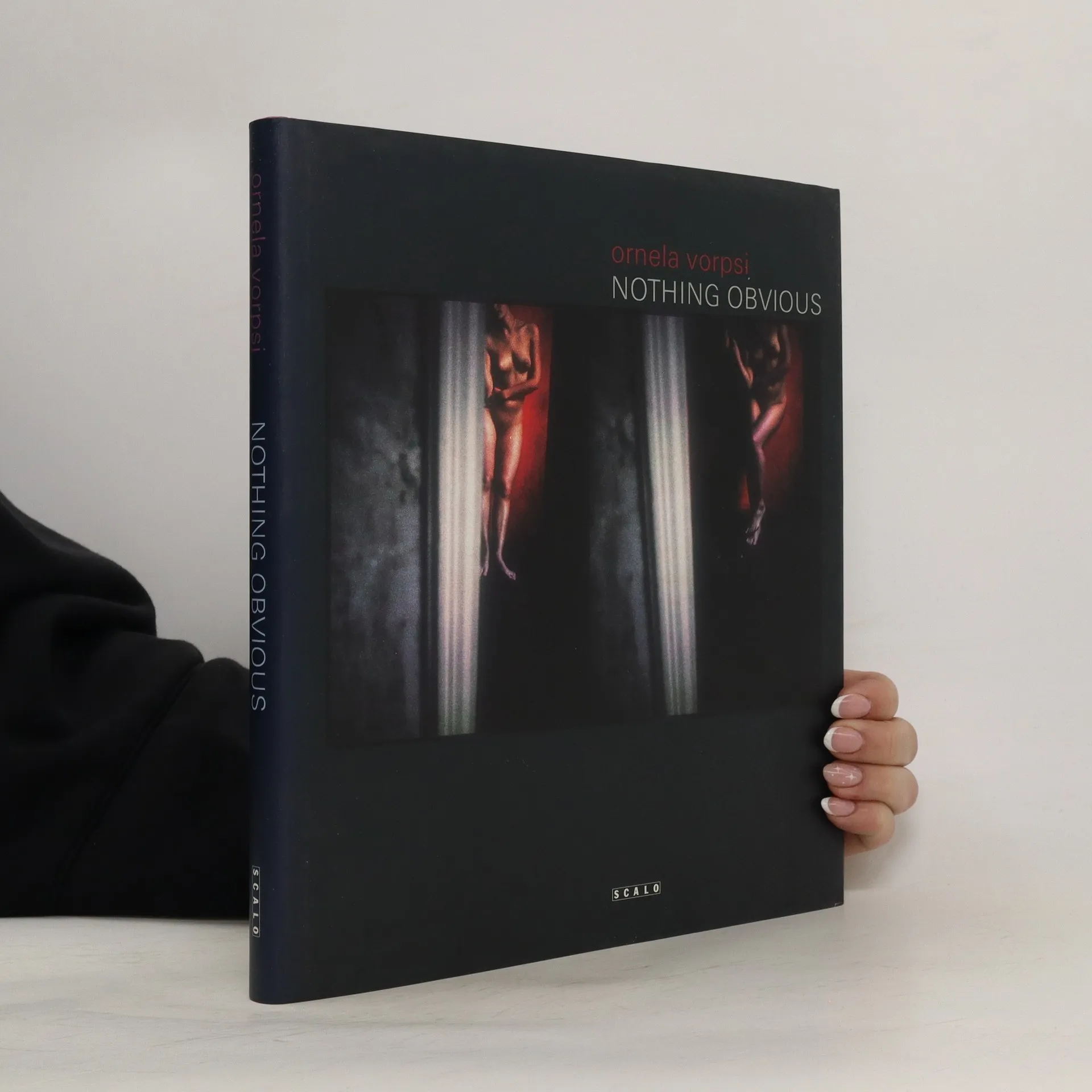
Nothing Obvious
- 144 Seiten
- 6 Lesestunden
A woman in a space, all by herself, encountering the ever-shifting boundaries between outside and inside, flesh and soul, present and past -- Ornela Vorpsi's photographs trace experiences of interior spaces, as seen from the outside, with a rare sensual precision. At a time when the faux-casualness of snapshot aesthetics has become the hallmark of authenticity, Vorpsi draws on her knowledge of painting and performance art to create intense tableaux -- erotic, existential, and pure. Vorpsi uses great skill to lay bare emotional abysses and intensities that few have the courage to face. Lush colors and harsh blacks and whites, the body's physicality and the inquiring mind's restlessness: Vorpsi seamlessly incorporates these apparent contradictions in her work, leading the viewer into a labyrinth of torments and desires. Vorpsi's use of photography and new media is not guided by the will to create yet just another cheap thrill. Her truly new and unique images, firmly grounded in her familiarity with art history, force us to face up to the erotic and spiritual crises of today.
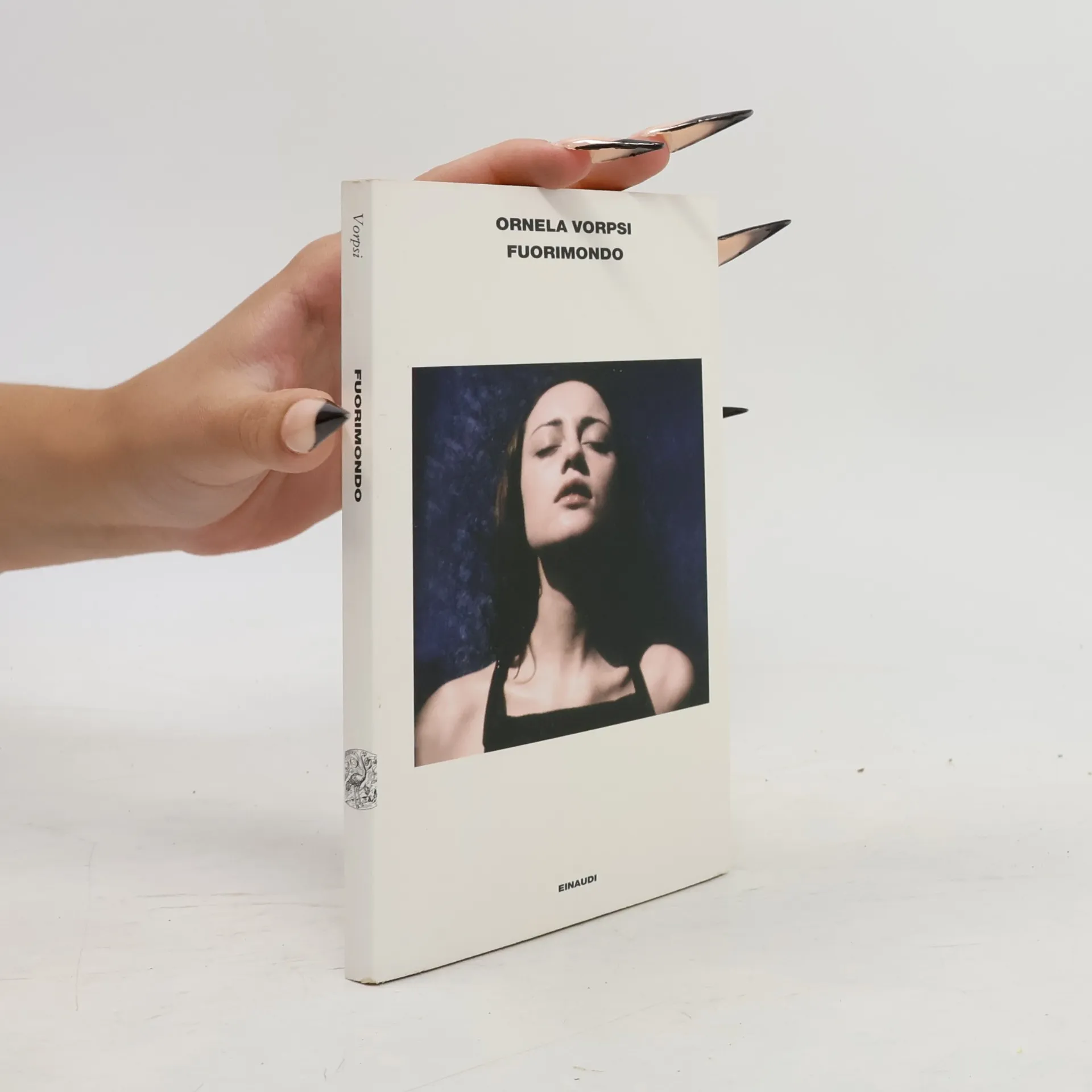
Fuorimondo
- 168 Seiten
- 6 Lesestunden
Davanti a casa di Maria c'è una striscia di terra sottile, luogo d'attesa per le ragazze del paese che sperano di vedere i ragazzi, in particolare Rudolf, il bel Dolfi, che ora passa le giornate sul divano a guardare la televisione. Manuela, malinconica e costante, è l'unica che non si stanca di aspettarlo. Tamar, invece, è una semplice spettatrice della vita, fino a quando il corpo senza vita di Manuela compare in quella terra di smarrimento, segnando un'altra giovane morte dopo quella del piccolo Rafi. Attorno a queste assenze, figure da sogno o incubo si muovono in un presente che è sia storia che destino: Esmé, la madre senza grembo, zia Lali che sa dire grazie, e Nikolin, il calzolaio. Dolfi, con la sua bellezza, e Tamar, che narra la vicenda, mettono in discussione ogni cosa. La scrittura poetica di Ornela Vorpsi costringe a dubitare dei confini tra normalità e follia, colpa e innocenza. In un equilibrio tra gioia e dolore, il racconto affronta temi cari all'autrice, esplorando il lato metafisico di un universo abitato da fantasmi in carne e ossa, ciascuno proiettato verso il proprio altrove, mentre incombe il fascino dell'ignoto: andarsene per sempre può essere la forma più potente di esistenza.
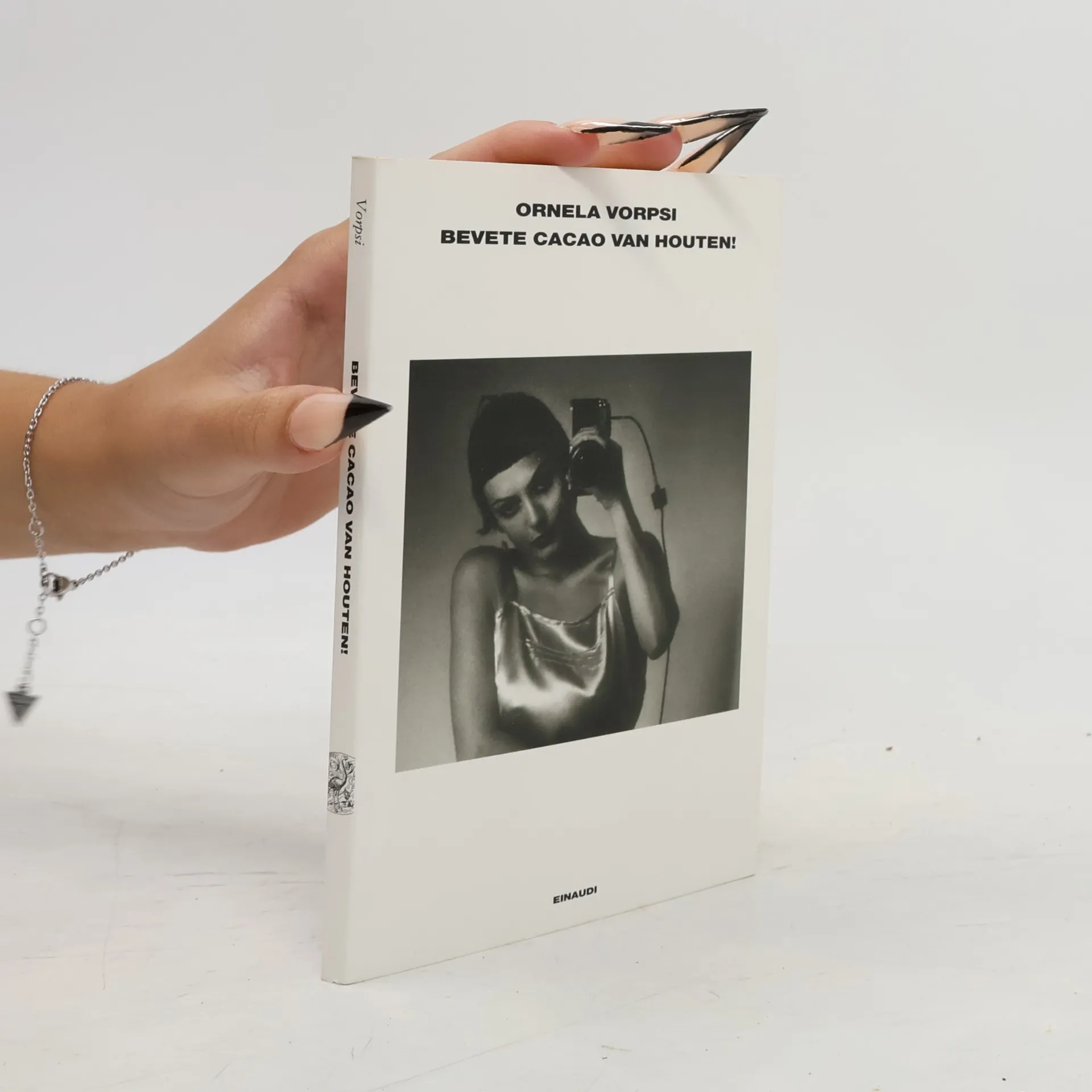
L' Arcipelago Einaudi - 163: Bevete cacao Van Houten!
- 142 Seiten
- 5 Lesestunden